
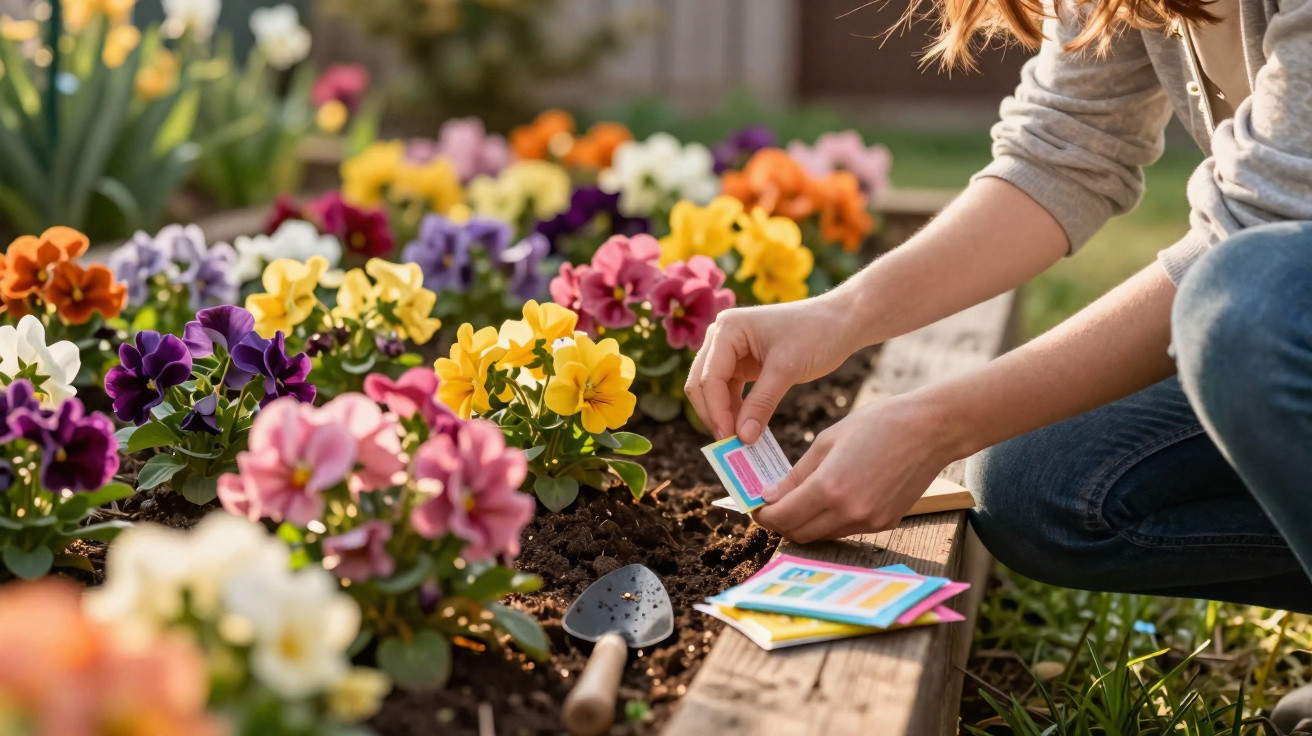
Sow wisely now and, by early summer, you could be looking at a flower display that practically explodes with colour. The secret is annual flowers: they race from seed to bloom within a few weeks, filling bare spots in record time.
Fast starters for flower beds: how to create the ideal spring display
The period from late February to April determines how vibrant your garden will look in early summer. At this point, many borders still appear empty, shrubs are only slowly coming into leaf and perennials are emerging reluctantly. This is exactly where fast-flowering annuals come into their own.
These flower varieties often go from sowing to their first blooms in 45 to 90 days, provided the soil is no longer frozen, the site is sunny and the ground drains well. Waterlogging holds them back, while warmth and light encourage rapid growth.
“With just a few packets of seed, bare patches, uninspiring front gardens and dull balcony planters can be transformed into a dense sea of flowers in a short time.”
Conveniently, many of these varieties are forgiving of mistakes, suitable for beginners and easy to grow in pots as well as directly in garden soil.
Getting started in spring: how to sow fast-growing flowers correctly
The basic rule is simple: the cooler your region, the earlier you should start seeds indoors or in a cold frame. In mild areas, sowing directly outdoors from April is often enough.
- Indoor sowing: from March, on a bright windowsill at 18–22°C
- Direct sowing in beds: once night frosts are no longer expected
- Position: as sunny and sheltered from wind as possible
- Soil: loose, humus-rich, well-drained and not waterlogged
Sow the seeds fairly thinly, press them gently into the soil and keep the growing medium consistently moist without making it wet. Once seedlings emerge, thin them out, leaving several centimetres between plants so that they can develop into strong, sturdy specimens.
The 9 essential fast flowers for a dense carpet of blooms
Plant with a clear plan now and you can create structure, colour and abundance in a single season. These nine varieties work particularly well together:
- Zinnia
- Globe amaranth (Gomphrena)
- French marigold (Tagetes)
- Sunflower
- Borage
- Nasturtium
- Celosia
- Petunia
- Spider flower (Cleome)
Zinnias: colour bursts for borders and vases
Zinnias are among the most dependable fast starters. Start them in warmth in March, or sow them directly into the border from May, and they will reward you with large, brilliantly coloured flower heads. Tall varieties are ideal cut flowers, while shorter series such as “Profusion” and “Zahara” cover border edges and containers with compact cushions of colour.
Globe amaranth: long-flowering plants for hot summers
Globe amaranth produces small, long-lasting flower heads that cope well with dry spells. Once established, it continues blooming into autumn. It is a real problem-solver in regions with hot summers, as it withstands heat and short periods of drought remarkably well.
French marigolds: indestructible at the border edge
French marigolds bring strong yellow and orange shades into the garden early on, require little attention and are considered resilient against pests. Low-growing varieties work well as edging, while taller ones add accents among vegetables or perennials. Many types release a light scent that can be useful in the vegetable garden.
Sunflowers: rapid height for greater structure
Sunflowers quickly give a border a clear framework. There are compact varieties for containers as well as giants that grow more than 2 metres tall. Plant them closely together and you will create a dense “sunflower fence” that acts as both a screen and a valuable food source for bees.
Borage: a flower magnet for bees and bumblebees
Borage grows at speed, fills gaps and provides edible, sky-blue flowers for salads or ice cubes. Pollinators are especially drawn to it. Planted among taller flowers, borage creates a natural, slightly wild appearance while also increasing insect diversity in the garden.
Nasturtiums: climbers or ground cover
Nasturtiums are very easy to sow directly outdoors. Depending on the variety, they can climb up fences and obelisks or form dense mats that suppress weeds. Both leaves and flowers are edible, with a mildly peppery flavour that is ideal in salads or herb butter.
Celosias: vivid texture at the front
Celosias resemble small flames or feathers in the border. Their slightly papery texture reflects the light, making them especially striking in sunshine. They suit the front of a border and add definition where other plants remain comparatively flat.
Petunias: classics for balconies and patios
Petunias grow rapidly, flower freely and are perfect for window boxes, hanging baskets and bowls. Mix several colours and you can create a cascade of flowers in a short time. One essential task is regularly removing faded shoots, which keeps the plants flowering strongly.
Spider flowers: airy height and exotic appeal
With its delicate flower clusters, the spider flower creates an almost gauzy veil at the back of a border. It is easy to raise from seed and works well behind zinnias, borage or low celosias. Its height links the front and back rows of a border into a harmonious overall display.
How to combine the 9 varieties for a lush overall effect
Following the right height arrangement quickly produces a professional-looking result. Position tall sunflowers and spider flowers at the back, medium-height zinnias and globe amaranth in front of them, and low French marigolds, celosias and nasturtiums right at the front.
| Flower | Height | Best position |
|---|---|---|
| Sunflower | medium to very tall | Back of border, screening |
| Spider flower | tall | Middle to rear section |
| Zinnia | medium to tall | Middle section, cutting border |
| Globe amaranth | medium | Interplanting, gap filler |
| French marigold | low | Border edge, containers |
| Nasturtium | low to climbing | Ground cover or support |
| Celosia | low to medium | Front of border, pots |
| Petunia | trailing to low | Window box, hanging basket, pot |
| Borage | medium | Gaps, insect-friendly border |
Repeat this structure in your borders and use similar combinations in pots on the patio or balcony to create a continuous look around the house. In under three months, this produces an intensely colourful setting that lasts throughout the summer.
Practical tips for an effortless flower boost
A few simple measures make the process easier:
- Sow mixed seed in rows, then thin seedlings selectively
- Water preferably in the morning, straight at the roots rather than over the leaves
- Use high-quality container compost for potted plants
- Feed with liquid fertiliser every two to three weeks
- Remove spent flowers regularly so fresh buds continue to form
Water supply deserves particular attention with fast-growing annuals: compost in small containers dries out far more quickly than soil in a border. If you can only water in the evening during high summer, choose larger pots and a slightly loamy compost that retains water more effectively.
Added value in the garden: benefits, risks and smart combinations
Many of these fast flowers offer more than good looks. Borage and nasturtiums provide edible blooms, while French marigolds are often planted among vegetables to attract beneficial insects. A colourful mix supports bees, butterflies and other pollinators, making the garden feel more alive.
If you are using so many annuals for the first time, do not underestimate how much space they need. Sunflowers cast shade, and petunias can overwhelm other plants in a window box. It is therefore better to sow fewer seeds in each spot and add more if necessary than to plant too densely from the outset.
An interesting approach for smaller spaces is to combine individual perennials or grasses with these fast starters. While the perennials are still growing, zinnias, globe amaranth and celosias fill the gaps. By the second year at the latest, the permanent plants take over, while the garden still remains varied.


Comments
No comments yet. Be the first to comment!
Leave a Comment