

Growing rosemary calls for specific conditions if you want abundant, healthy blooms. When the plant gets consistent sunlight yet still fails to flower, the soil structure is often the problem-either due to nutrient gaps or serious aeration issues.
Why does rosemary stop flowering even when it gets sun?
Many growers assume that direct sunlight alone is enough to trigger flower buds. In practice, the substrate must also be low in water retention and porous enough for the plant’s absorbing roots to develop properly in the soil.
When the soil is overly compact, mineral uptake is reduced. In heavy mixes the plant spends its energy simply staying alive, which disrupts normal flowering and undermines the uptake of essential nutrients in the pot.
Why should some herbs never share the same pot with rosemary?
Growing plants together can create intense competition for space and nutrients, which can compromise your rosemary’s health… Read more
How do soil structure and aeration affect rosemary?
A rosemary root system needs constant oxygenation to “breathe” and to take up minerals from the soil. A more sandy growing medium helps air move through the mix, reducing the risk that a build-up of moisture will cause the base of the plant to rot.
Very clay-heavy ground tends to harden quickly, preventing proper growth of lower branches. Providing a well drained environment lets water pass through freely without smothering the roots, supporting plant vigour and helping to avoid serious deficiencies.
Below, there is a video from the Spagnhol Plantas channel (YouTube) on YouTube that explores the points discussed in this topic in more depth.
Which nutrients are crucial to encourage rosemary flowering?
Flower bud formation relies on having the right minerals available at the correct point in the cycle. Elements such as phosphorus are key for prompting flowering, while potassium strengthens plant tissues and improves sap transport.
A balanced supply of magnesium is also indispensable for chlorophyll production and efficient photosynthesis. In addition, correcting the soil pH helps prevent chemical lock-up that stops these compounds reaching the green leaves.
Rosemary Nutrition Kit
Essential elements for flowering
See the three vital nutrients for soil balance:
- 1
Phosphorus to stimulate floral budding; - 2
Potassium for strengthening the stems at a cellular level; - 3
Magnesium to optimise photosynthesis.
Which watering and feeding mistakes should be avoided?
Overwatering is one of the most common errors in home rosemary growing. When liquid accumulates in the pot, it suffocates the roots and prevents the plant from taking up the fertiliser applied properly.
Too much nitrogen feed encourages leaf growth at the expense of flowers. Adding organic matter without clear judgement can make the soil excessively rich or overly moist, creating conditions that are unfavourable to the reproduction of the species.
Key care points to optimise development:
- Keep watering moderate, only when the substrate is dry;
- Use sand and small stones to ensure high drainage capacity;
- Avoid overusing nitrogen-rich fertilisers in the pot.
How can you balance the substrate to keep the plant healthy?
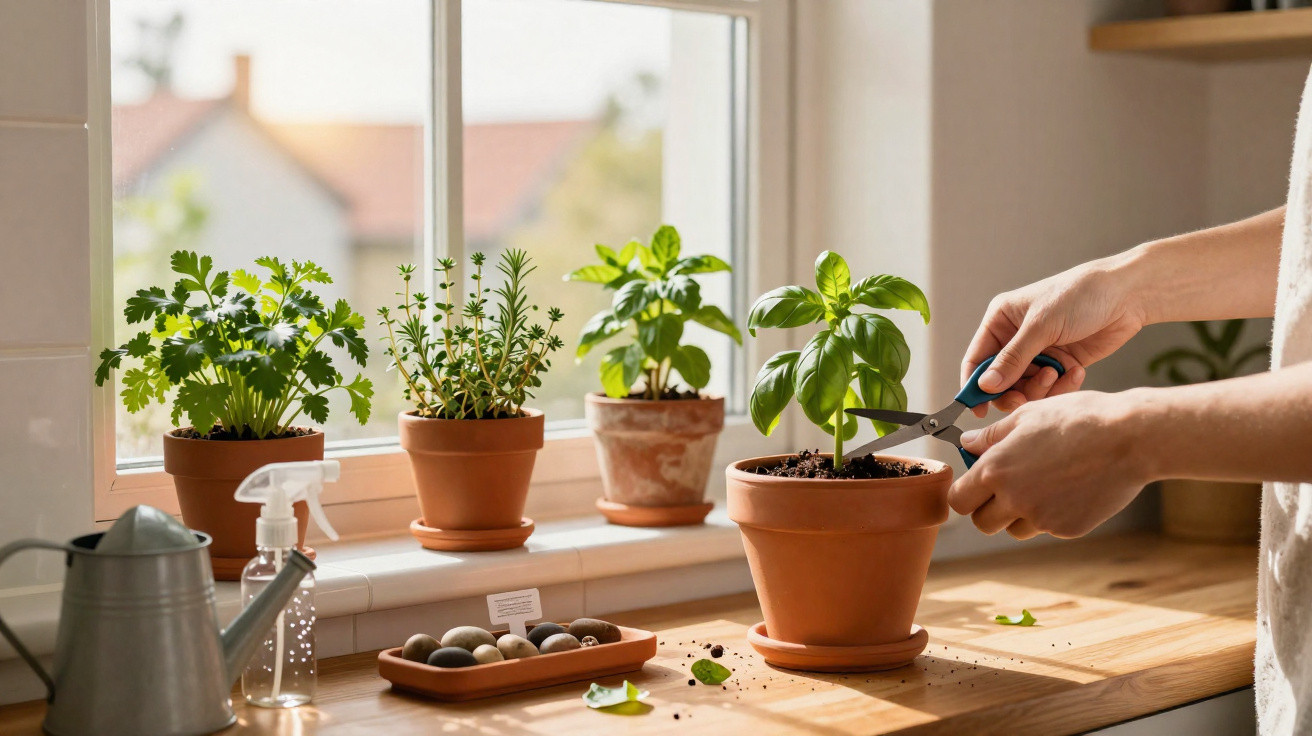
To keep rosemary thriving in pots or beds, the mix should combine soil, coarse sand, and small stones. This blend improves internal aeration, prevents compaction, and allows watering to be effective without harmful water retention.
Maintaining the right pH and providing a balanced supply of phosphorus and potassium completes the overall approach. With this, the plant develops strong roots and has the ideal conditions to produce attractive flowers consistently.



Comments
No comments yet. Be the first to comment!
Leave a Comment