
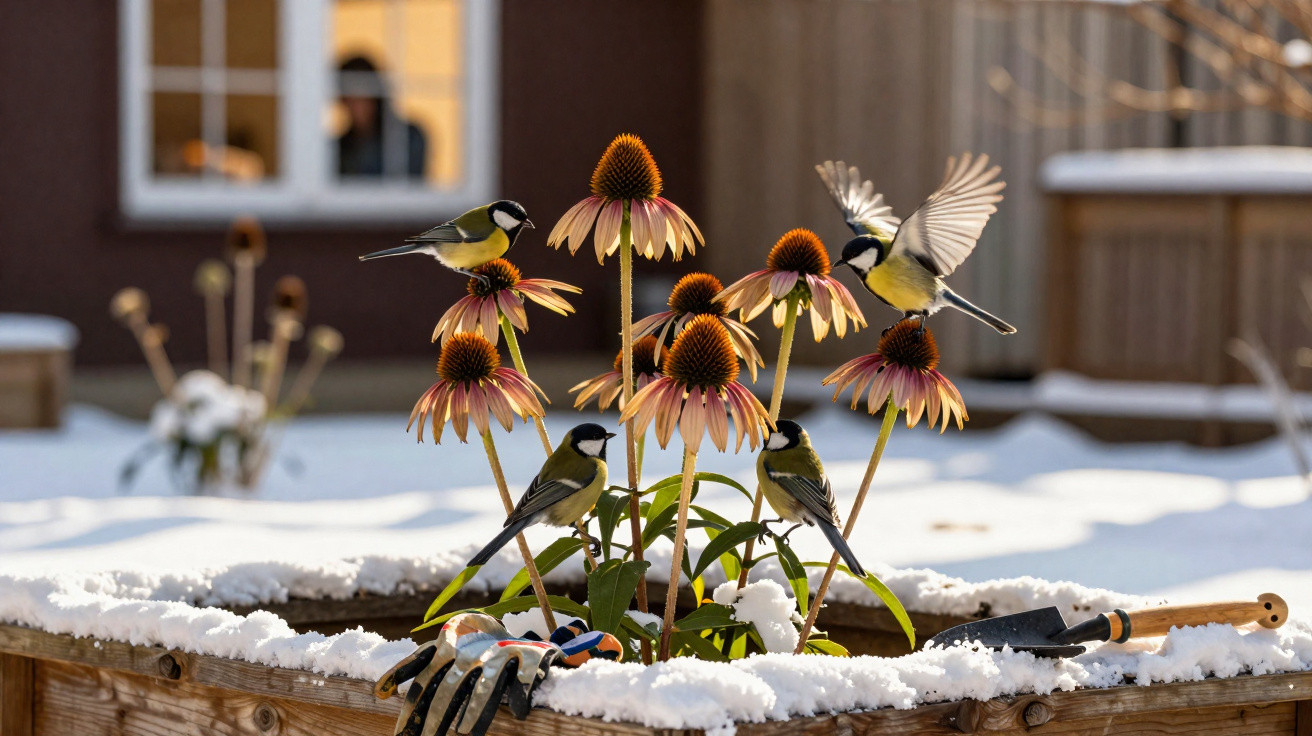
If you find yourself staring sadly at empty bird feeders in January, you can turn things around as early as March. By planting one tough perennial, you can create a natural buffet that feeds birds for months and turns your garden into a lively viewing spot. The clever part is that you do the work in spring, but the payoff arrives in the depths of winter-when the garden can otherwise feel bleak.
Why think about next winter in spring?
March is like a starter’s pistol in the garden. The ground is no longer frozen, yet it still holds plenty of moisture. Plants can take their time building a strong root system before summer heat and dry spells kick in. If you wait until then to plant, you often end up watering, staking and rescuing. If you act now, you’re far more likely to sit back later.
That timing is perfect for a perennial many people only know as a herbal remedy. In a border, it becomes a genuine food provider for birds-right when tits, finches and others most need extra calories.
"Plant in spring, enjoy the flowers in high summer, feed birds in winter-one perennial, three benefits."
The secret winter feeding station: purple coneflower
The plant in question is purple coneflower, botanically Echinacea purpurea. Plenty of people recognise it from pharmacy displays; far fewer grow it in their own perennial beds. Yet it’s not only an eye-catcher-it also offers birds a valuable, energy-rich snack.
What makes purple coneflower so appealing to tits?
The key is in the flower head. After flowering, a firm, usually brownish cone forms. Inside are countless small nutlets, known as achenes. These tiny fruits are packed with oil-rich seeds. That combination of fat and protein is exactly what small songbirds need in winter to maintain their body temperature.
For tits, goldfinches and greenfinches, a dry seed head is like a rest stop with an on-site snack bar. They perch on the sturdy stems, cling to the cone and pick out seed after seed. And because the heads sit quite high, rodents have a much harder time getting to the seeds.
- High energy content: fatty seeds as winter fuel
- Safe perches: sturdy stems and height above the ground
- Long availability: dry seeds can last right through winter
- A natural feeding place: no plastic silos, no metal cages
On top of that, purple coneflower is exceptionally resilient. It shrugs off temperatures down to -20°C without trouble. Give it a suitable spot and you can expect it to stay in place for well over ten years-without replanting every year.
How to create a natural bird buffet in March
The right time
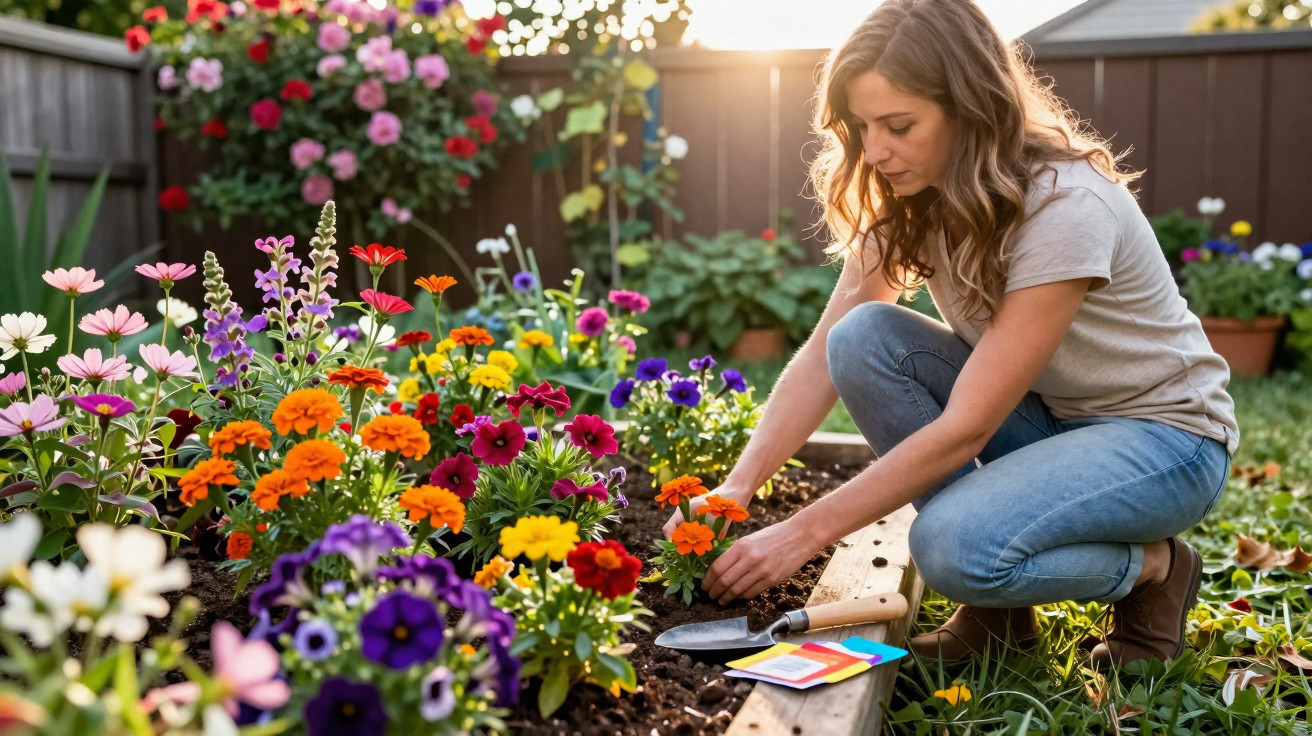
The best planting window runs from mid-March to the end of April. By then, the risk of severe frost is usually low, while the soil remains cool and damp. The coneflower can establish its roots calmly and head into summer with strength.
If you plant within this period, you’ll often have your first fully developed seed heads by the first winter-along with the first feathered regulars visiting your border.
Location: sun, visibility and a bit of space
Purple coneflower thrives in sun. Around six hours of direct light per day is a good guide. Partial shade can work, but it typically means fewer blooms and weaker stems. Ideally, choose somewhere you can see from indoors: by the patio, near a living-room window, or along the edge of the vegetable patch.
To help the plants develop properly, allow some spacing:
- 40–50 cm between individual perennials
- in densely planted borders, up to five plants per square metre
Over time, this creates a dense clump with many seed heads-enough to feed plenty of birds later on.
Prepare the soil-do it properly once, then enjoy the benefits
The job is fairly straightforward, but it pays off. Loosen the soil to about 20 cm deep. Heavy, clay-rich ground benefits from added sand and a little grit or fine gravel to prevent waterlogging. Coneflower prefers free-draining soil rather than wet conditions.
Steps at a glance:
- Loosen the soil and remove large stones
- If the soil is heavy, mix in sand and a little gravel
- Dig the planting hole and briefly water the root ball
- Set the plant so the top of the root ball sits level with the soil surface
- Refill with soil, firm lightly and water thoroughly
In the first summer, occasional watering helps during longer dry spells. After that, the perennial generally manages without extra water-unless the soil is extremely sandy and poor.
Why you should never cut off the faded heads
Many hobby gardeners cut perennials back hard after flowering because they want everything to look “tidy”. With purple coneflower, that’s a shame twice over: you remove a decorative winter feature for yourself-and you take away a valuable food source for birds.
The dry cones cope surprisingly well with wind, rain and snow. The seeds stay lodged in the seed heads rather than being blown away by the first autumn storm. That long-lasting effect is exactly what makes the plant so valuable in a wildlife-friendly garden.
"If you leave the dry stems standing, you’re giving birds a self-service buffet-without any topping up."
You can cut the plant back close to the ground in late winter or early spring once most of the seeds have been eaten. New shoots will soon follow.
Natural food plants instead of relying solely on bird feeders
Traditional feeding stations still have their place in winter. They’re especially useful during severe frosts, help bridge shortages and bring birds close to the house. At the same time, they carry risks: spoiled seed, sticky leftovers on the ground, and disease spreading through heavily used feeders.
For that reason, experts in bird and nature conservation recommend putting more emphasis on natural food sources in gardens. Plants such as coneflower, perennial sunflowers, knapweeds and thistles provide seeds precisely when wild birds need them. They also spread feeding points across the garden, reducing the risk of infection from large, concentrated gatherings.
A bed of purple coneflower does this almost effortlessly: no cleaning, no refilling, no plastic. Each year the plants form new flower heads, and birds find their food where they would in the wider landscape-among perennials and meadow-like areas.
Other plants that pair well with purple coneflower
To increase the effect, combine coneflower with other seed-rich perennials. This creates a true “bird buffet border” with flowering from June to October and seed heads for winter:
- Red coneflower varieties (Echinacea in other cultivars)
- Rudbeckias (coneflower relatives with dark centres)
- Tall sedums (autumn flowering, later seed heads for insects and birds)
- Perennial sunflowers
- Wild teasels and thistles for goldfinches
These combinations don’t just look good-they also add structure to the border. In winter, the dry stems and seed heads stand out in frost or snow. If you like, leave a few plants to self-seed for a year or two; many of these species germinate readily in the right spots.
What garden owners should also know
Purple coneflower is considered fairly low-maintenance, but it does react to extremes. In very wet winters on heavy soils, it can rot. Good drainage and avoiding deep, permanent shade are therefore important. In very dry, fully sunlit gravel gardens, adding some organic matter-such as compost-helps during the first two years.
One more thing: if you cut everything down meticulously in autumn and remove every leaf, you’re taking shelter away not only from birds but also from insects. If you can leave a section of the bed slightly wild, you gain twice: in summer there’s a buzz of activity, and in winter there’s birdsong. And from your window you’ll have more to look at than bare branches.
Many people associate Echinacea only with drops for colds. In the garden, the plant plays a very different role: it brings colour to perennial borders, looks almost graphic with its bold cones, and turns into a natural feeding station for wild birds in late autumn. Once you’ve seen that double duty in action, it’s hard to understand why this perennial was labelled for so long as merely a “pharmacy plant”.

Comments
No comments yet. Be the first to comment!
Leave a Comment