
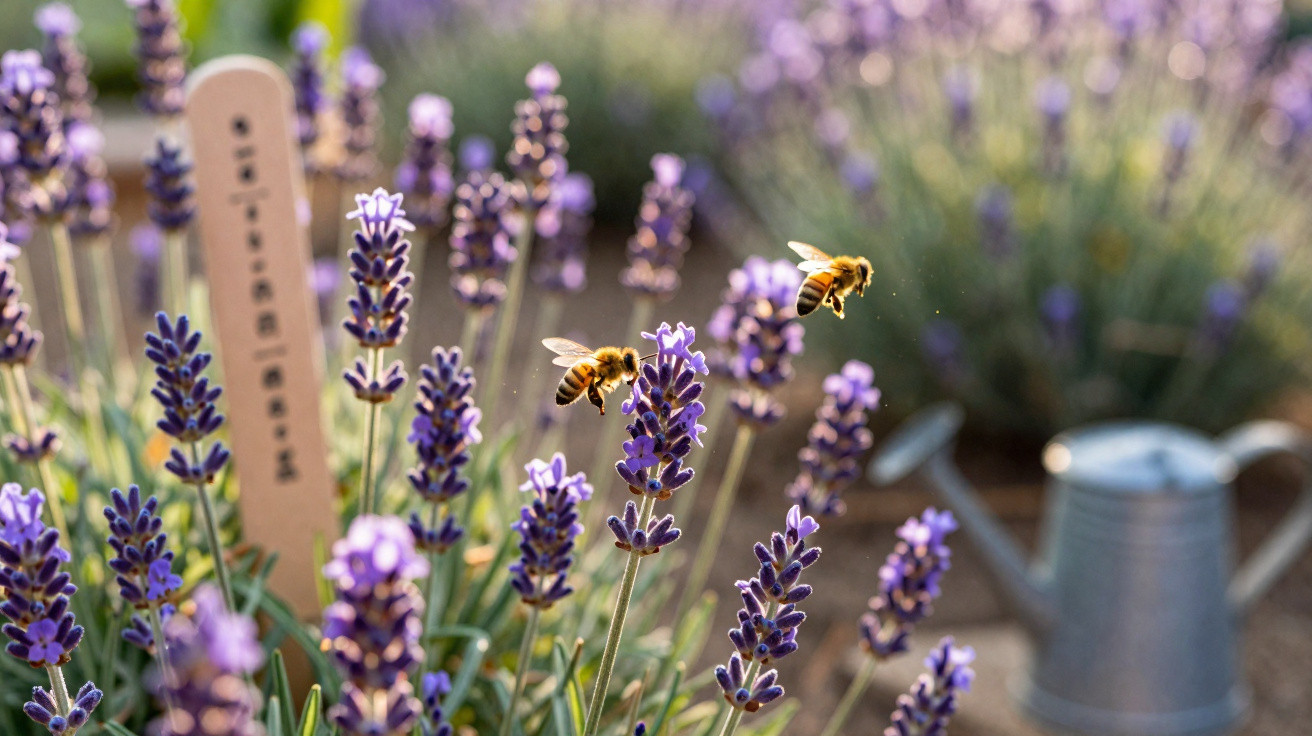
Anyone replanting a patio or garden in spring almost automatically reaches for lavender. Mediterranean vibes, a blue carpet of flowers, a gentle fragrance - everyone knows the look. Yet there’s a perennial that delivers the same feel while being easier to look after, flowering for longer, and proving far more appealing to bees and other pollinators. Plenty of hobby gardeners still barely know it - but that’s changing quickly.
Why this perennial is quietly outperforming lavender
It’s catnip, botanically Nepeta × faassenii. Despite the name, it isn’t simply a plaything for house cats, but an exceptionally tough ornamental plant for borders, front gardens and balconies. In appearance it’s very similar to lavender: grey-green foliage, blue to violet flowers, and a bushy habit.
When you compare the two side by side, catnip comes out ahead with a whole set of benefits - especially important now that summers are getting hotter and water is increasingly limited.
"Catnip combines months of flowers, an intense scent, outstanding toughness and unbeatable value for bees - with minimal effort."
A fragrance released the moment you brush past
Unlike many scented perennials, catnip doesn’t need heat to give off its aroma. A light breeze or simply walking alongside the bed is enough, and you’ll catch spicy notes with a faintly menthol edge. If you like sitting out on the patio in the evening, there’s no need for scented candles - a few strong clumps of catnip along the seating area do the job.
The smell isn’t overpowering; it’s fresher and more herbal. Many gardeners say the plant spreads a subtle but persistent fragrance, especially as the air cools in the evening. That also makes it a good fit for small city balconies, where heavier perfumes can quickly feel too much.
A magnet for bees, bumblebees and butterflies
Catnip is among the very best plants for an insect-friendly garden. While plenty of ornamental perennials look lovely but offer little nectar, Nepeta provides a well-stocked buffet for months.
From late spring onwards, the flower spikes are alive with activity. Bumblebees practically “park” themselves in the blooms, bees return again and again, and daytime butterflies are frequent visitors too. If you keep your beds natural and avoid chemicals, this perennial becomes a genuine ally.
- high nectar and pollen value
- long flowering period - continuous food from spring through to autumn
- an ideal companion to fruit trees, vegetable beds and herbs
- particularly attractive to wild bees and bumblebees
If you have children, catnip is a great way to show how pollination works. A small patch with just a few plants is enough to create a little insect theatre for most of the day.
Toughness test passed: handles frost, heat and drought
Frost down to -20 °C - no issue
Many Mediterranean plants look stunning in a catalogue but don’t survive their first hard winter. Catnip is different. It’s considered highly hardy and can easily tolerate temperatures down to around -20 °C.
Above ground, the plant dies back significantly in winter, but its roots remain alive below the surface. In spring it reliably shoots again - without fleece, without covers, and without any elaborate protection. In colder regions, that reliability is a major advantage.
Drought-tolerant in summer heat
Once established, catnip shows remarkable tolerance to dry spells. Its fine, lightly hairy foliage loses far less moisture than many other perennials. If you commute, work long hours, or travel frequently, you won’t need to keep asking neighbours to water.
"Catnip forgives missed watering, saves water and eases the household budget - and still flowers for almost the whole season."
This matters particularly in hot inner-city locations, where pots on balconies and patios dry out fast. Provide a free-draining compost, and the plant will get through extended heatwaves with surprising calm.
Seven months of flowers - with hardly any work
Continuous bloom from April to October
Many perennials have a brief peak and then fade. Catnip isn’t one of them. In good conditions it keeps producing new flower spikes from April right into late October. The effect is a long-lasting, gently rippling carpet of blue and violet tones.
Care needs are modest. If you want, give the plant a light trim once in summer as the first flush wanes. It takes only a few minutes with shears and encourages a fresh second wave of flowers in late summer and autumn.
Versatile uses - from cottage gardens to city balconies
Visually, catnip suits a wide range of garden styles. In wildlife-friendly beds it looks soft and flowing; in modern schemes it forms calm, coloured drifts that pair well with grasses and smaller shrubs.
Common ways to use it include:
- as an informal edging along paths and borders
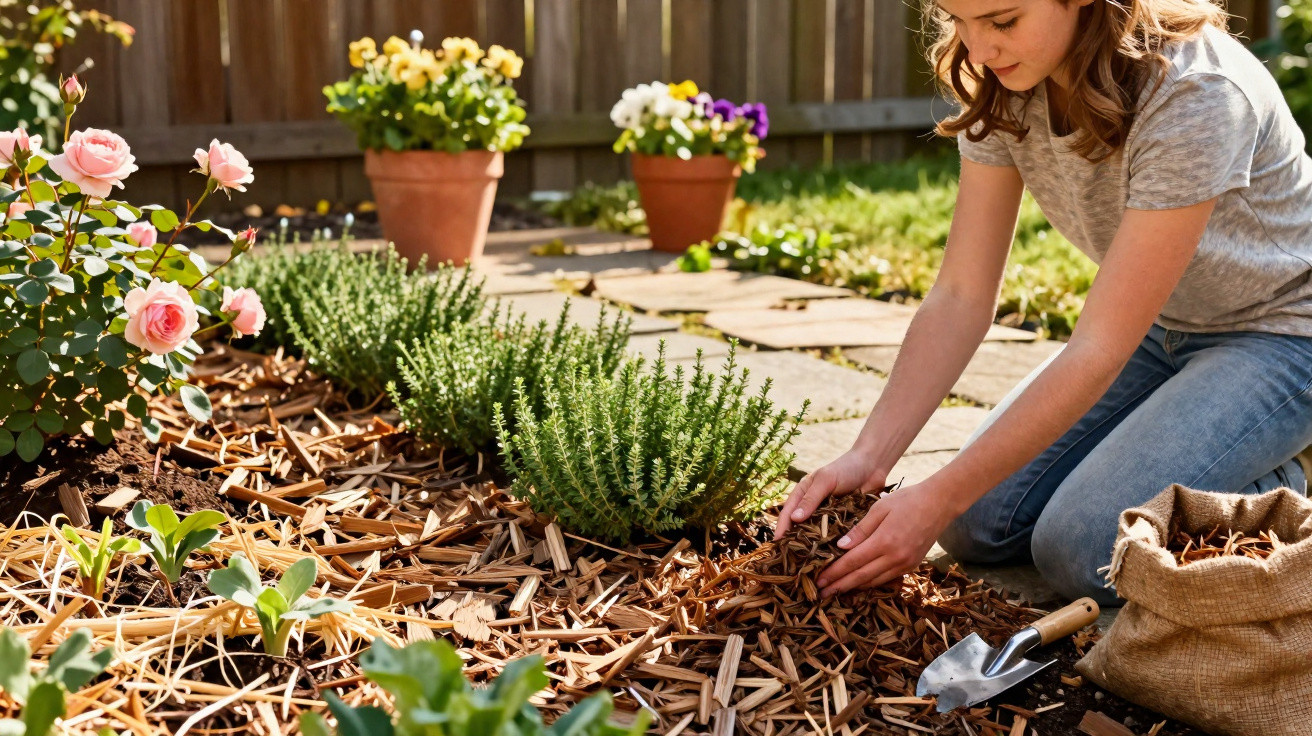
- under roses to cover the soil and suppress weeds
- in containers on sunny balconies and patios
- on dry-stone walls, gravel beds and in rock gardens
With its slightly arching habit, it looks especially good when it “spills” over wall edges or across paving.
Plant now: the best timing and simple steps
Why late March is ideal for planting
If you want to get catnip into the ground, aim for the weeks around the end of March. The soil is starting to warm, the risk of severe frost is easing, and plants still have plenty of time to build a strong root system before summer.
At this point, garden centres and DIY stores typically have plenty of young plants in pots. They can be planted easily into borders, raised beds or larger containers.
Planting success, step by step
The plant is straightforward, but a few basics help it establish strongly:
- Choose a position in full sun or light partial shade.
- Loosen the soil and make sure water can drain away (work in sand or grit if the soil is very heavy).
- Dig a planting hole about twice the size of the rootball.
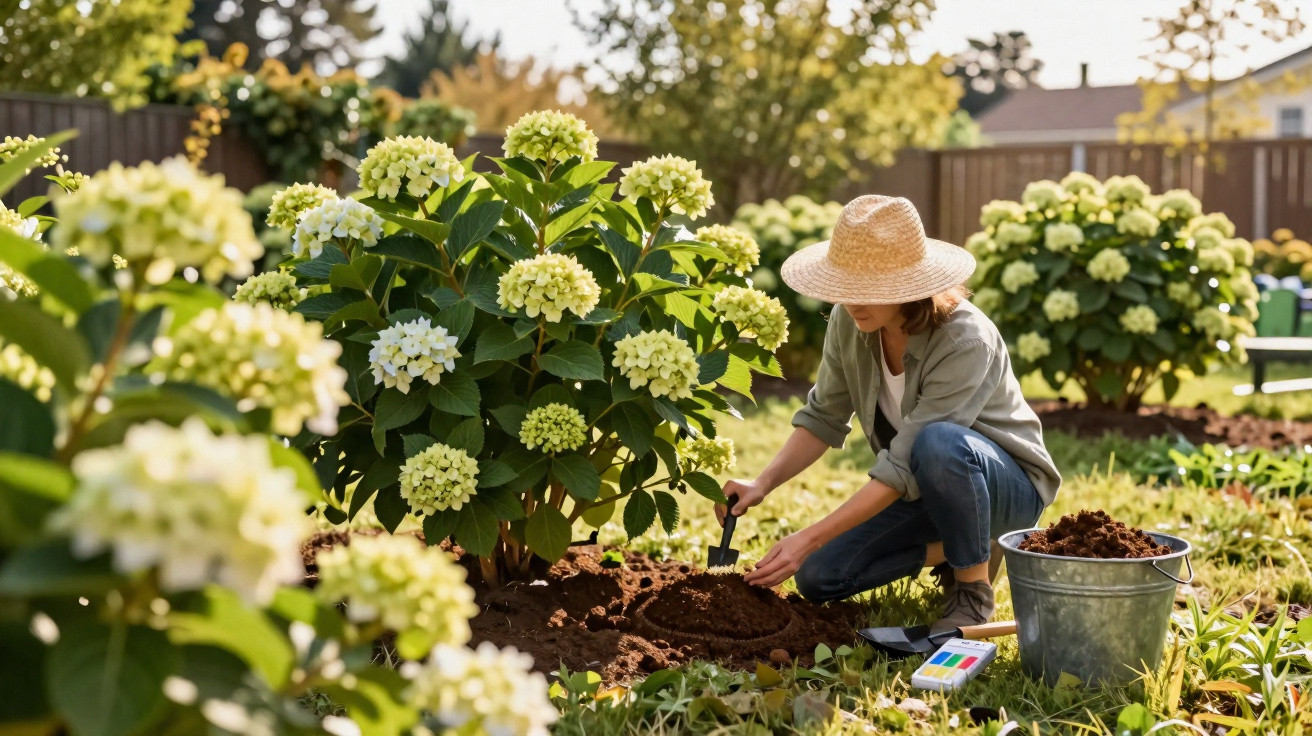
- Ease the plant out of its pot, place it in the hole, and backfill with garden soil plus a little compost.
- Water thoroughly so the roots make good contact with the soil.
For the first few weeks, don’t let the soil dry out completely. Once it’s well rooted, it will manage with far less water.
Added value for the garden, your back and your wallet
A natural groundcover against weeds
Catnip spreads to form a low, broad cover that closes gaps in borders. This shades the soil and makes it harder for many weeds to get started. If you’re short on time for weeding, it can save you many hours - without any chemicals.
At the same time, that dense cover helps protect the soil from drying out. The ground stays lightly moist for longer, which can reduce the water needs of neighbouring plants too.
A beautiful garden with a strong eco balance
Catnip makes it easier to create a garden that looks good and remains genuinely sustainable. Less water use, fewer winter losses, and almost no need for fertilisers or sprays all make this perennial a smart building block for climate-resilient outdoor spaces.
It’s also worth combining it with other pollinator-friendly perennials. Sage, thyme, coneflower or scabious, together with catnip, can provide a continuous food source for pollinators from spring to autumn. If you grow fruit trees or berry bushes, you may benefit indirectly too, because more pollinators often lead to better yields.
One small note: some cats really do respond enthusiastically to certain Nepeta species. If there are curious roaming cats nearby, you can start with a single pot and see how strong the reaction is. In many gardens, though, the plant is left largely alone - with no late-night “parties” in the border.



Comments
No comments yet. Be the first to comment!
Leave a Comment