
The first time I spotted it, it was tucked away in a neglected corner of my garden: a cracked stretch beside the drive, where the ground resembled dust and gravel rather than living soil. Nobody watered it or paid it any attention. Still, a scruffy little lavender plant was flowering between two damaged paving slabs, humming with bees as though it owned the spot.
Only a few metres away, in a neatly mulched and carefully fertilised border, an expensive hydrangea was gradually dying.
One garden, one climate, yet two entirely different outcomes.
Why does this happen?
Why some plants love “bad” soil
Look at any neglected plot or roadside ditch and you will see them: resilient little plants forcing their way through rubble, old bricks and compacted dust. Beside them, our cosseted garden divas can collapse despite being surrounded by rich compost.
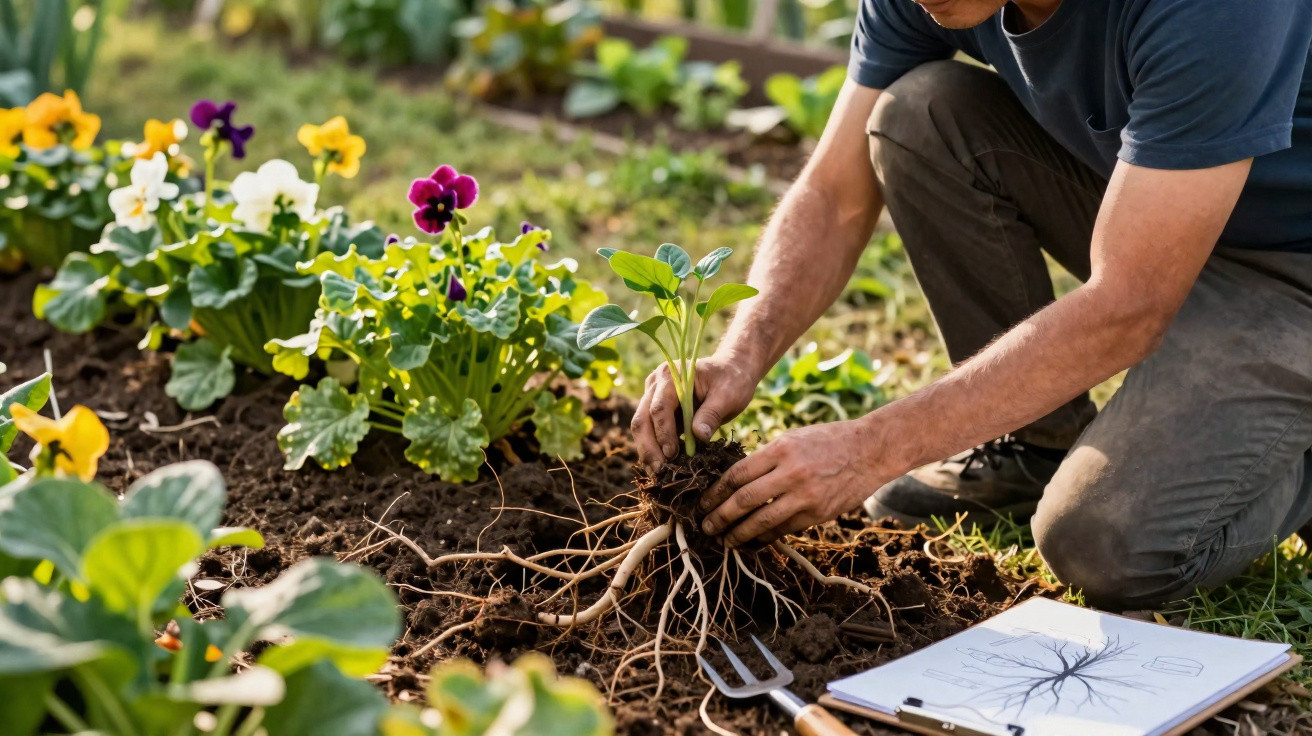
These wild survivors developed in difficult conditions. Their roots are accustomed to hunting for tiny amounts of nutrients, while their leaves are equipped to withstand stress, wind and drought. Put them in a luxurious bed of dark, soft soil and they can almost… panic. It is rather like giving a street dog a ten-course gourmet meal: too much, too quickly.
A gardener I met in southern Spain once told me that his best tomato plant had emerged from a crack in the concrete beside his chicken coop. It was not in the raised bed packed with bags of premium compost, nor in the vegetable patch he had carefully dug. It grew in that unattractive corner by the hose, among dust, chicken droppings and fragments of brick.
He watered the raised bed every evening, measured out fertiliser, staked and pruned the plants, and even talked to them. The tomato in the crack received splashes of dirty water and fierce sunshine reflected from the walls. Guess which plant produced the sweetest fruit.
The explanation is harsh but straightforward. Plants adapted to poor soil follow a “low-budget” strategy: they grow gradually, save resources and direct their energy into deep, searching roots. They excel when the ground is lean.
Place them in exceptionally rich soil and they go into overdrive. Growth becomes rapid and soft, leaves become abundant, and the structure weakens. Disease thrives on that sort of softness. Plants bred for fertile conditions, including many vegetables and roses, face the reverse difficulty. Put them in hard, stony ground and they may barely begin to grow because they do not have the equipment to search out food.
When rich soil becomes a problem
Anyone who has watched a new gardener tip a car boot full of compost into one small border will recognise the scene. They smooth the surface, set out their prized new plants and anticipate jungle-like growth. A month later, half the plants have yellowed. Some shoot upwards before flopping over, while others remain small and sullen.
The error is not that they care too little; it is that they care for every plant in exactly the same way. Not all species want a spa weekend. Some prefer boot camp, while others need a rocky slope under scorching sun. Your soil can be “good” on paper and still completely wrong for the plant you chose.
Consider Mediterranean herbs: lavender, thyme, rosemary and sage. In their natural settings, they inhabit unforgiving, stony slopes where goats lose their footing and the wind is relentless. That is normal for them.
Now picture lavender planted in a deep, damp, heavily fertilised bed intended for dahlias. Initially, it may appear contented: soft, fragrant and full of promise. Then its roots remain wet for too long, fungi take hold, and the plant browns from the base upwards. At the same time, several self-sown lavender seedlings may emerge in the gravel path and flourish wildly. It is the same plant in different ground, with the opposite result.
Rich soil is not inherently bad; it is simply potent. It speeds up everything, both beneficial and harmful. Fertiliser salts can scorch the finest roots, and continual dampness can deprive them of air. Overstimulated plants put their effort into quick, leafy growth rather than strong cell walls and well-balanced roots.
Conversely, nutrient-poor soil demands restraint. Plants growing in lean ground often develop higher levels of certain aromatic compounds, which helps explain why herbs raised under stress smell and taste more intense. There is a quiet economy involved: when the buffet never ends, plants become lazy; when conditions are difficult, they become clever. Let’s be honest: nobody really tests their soil every single year.
How to match plants to “good” and “bad” soil
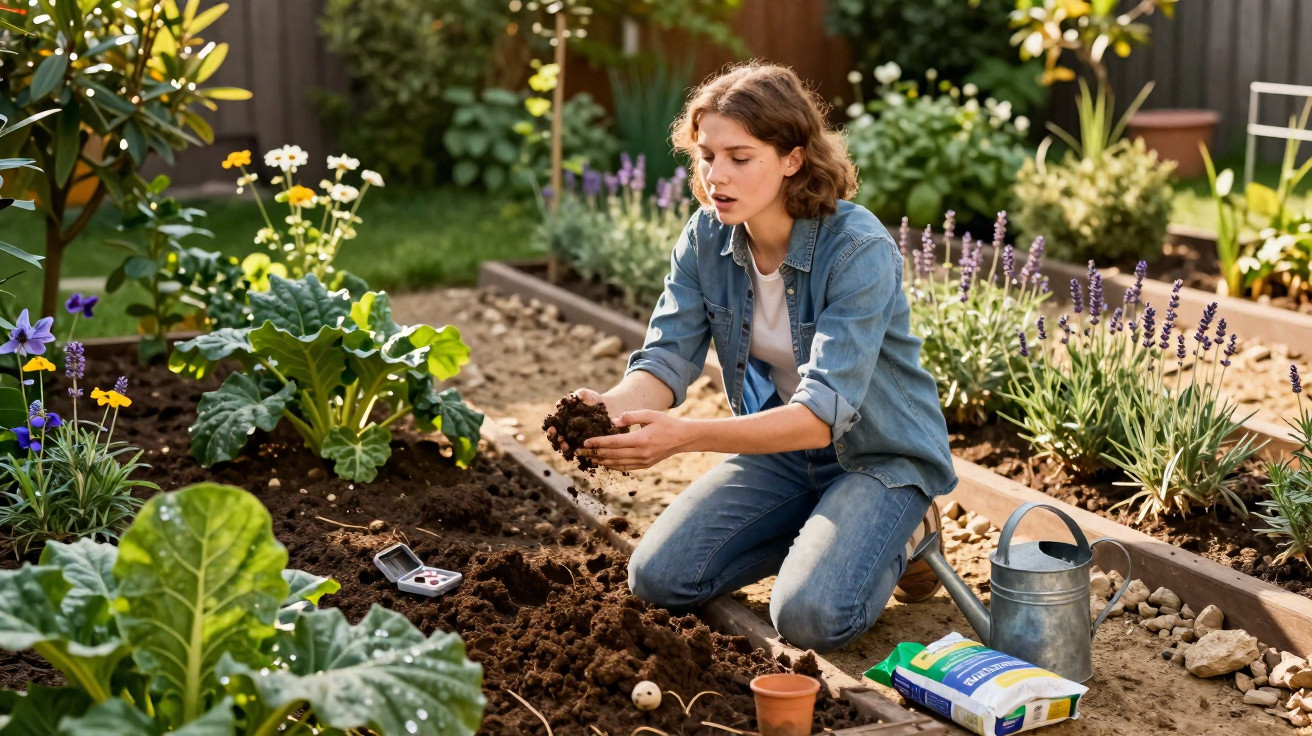
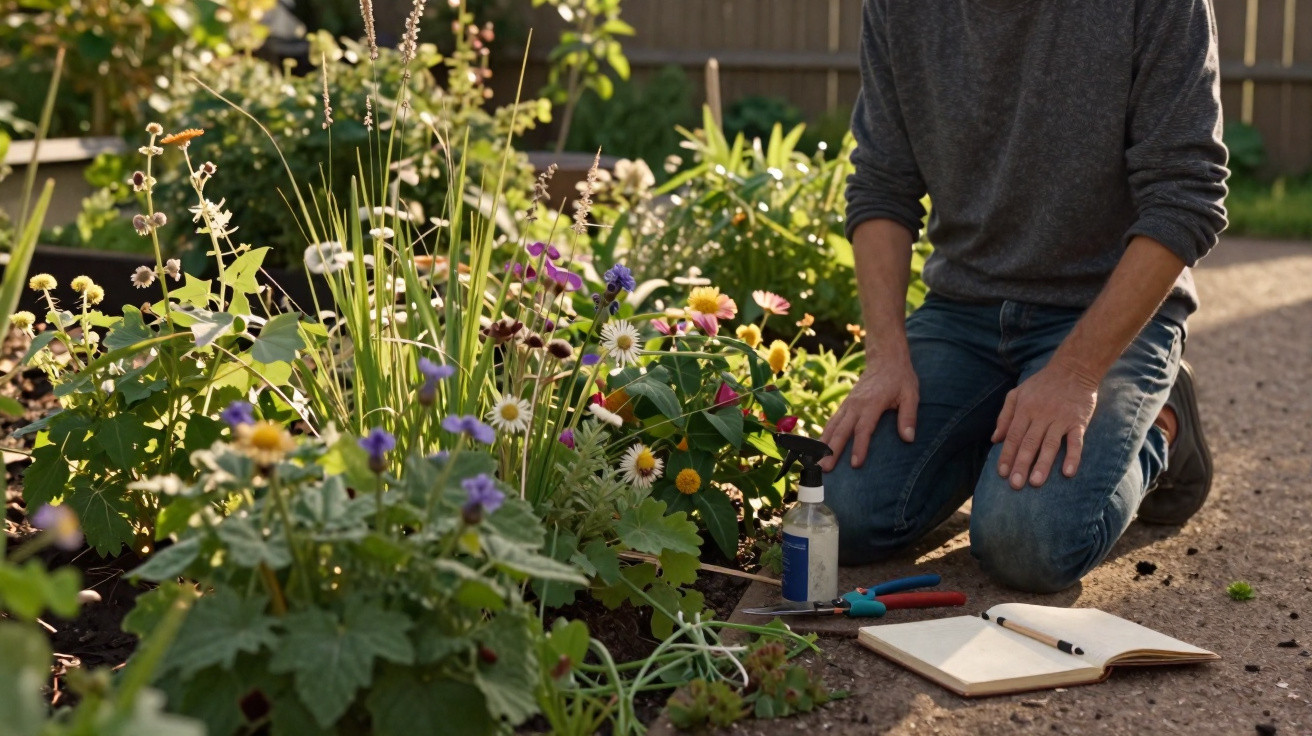
The most useful thing you can do for your garden is surprisingly low-tech. Before purchasing anything, step outside, pick up a handful of soil and pay close attention to how it feels. Does it form clumps like modelling clay? Does it crumble away like dust? Does it cling beneath your fingernails with a little grit? That simple check can reveal more than any glossy plant label.
Then work backwards when creating your plant list. Is your soil rich, sticky clay? Choose moisture-loving perennials, substantial shrubs and hungry vegetables. Is it sandy, pale and quick to dry out? It is ideal for sun-loving herbs, native grasses and succulents. Is there only a thin, stony layer of soil over rock? Bring in the specialists: sedum, rockroses and creeping thyme.
The most frequent mistake is attempting to make every part of a garden conform to one perfect standard. We dig, blend, carry bags and pursue a magical uniform soil that does not exist in nature. It is hardly surprising that some plants prosper while others sulk immediately beside them.
A gentler method is to accept what each area naturally provides and select plants that regard it as home rather than hardship. You have not failed because your hydrangea dislikes the dry slope. The slope simply needs a different story: perhaps a loose drift of ornamental grasses moving in the wind, or a silver-leaved shrub that thrives on neglect. We have all experienced that moment when a plant dies and we blame ourselves rather than the mismatch.
Sometimes the most powerful gardening skill isn’t “improving” your soil, but reading it well enough to stop fighting it.
- Plants that often love poor, dry, lean soil
Lavender, thyme, rosemary, sedum, yarrow, many ornamental grasses, rockroses, some native wildflowers. - Plants that usually need richer, deeper soil
Roses, hydrangeas, dahlias, most vegetables, big-leaved perennials, heavy-feeding annuals like petunias. - Warning signs your soil is “too rich” for a plant
Floppy, excessively long stems; plenty of leaves but no flowers; recurring fungal disease; plants that fall over in wind or rain.
Rethinking what “good soil” really means
Once you begin to notice which plants choose cracks, rubble and abandoned corners, your understanding of “good soil” gradually changes. That dry strip along the fence no longer appears to be a problem, but instead looks like a potential Mediterranean bed. The shaded, wet patch beneath the downpipe becomes a place for ferns and hostas rather than a failed rose border.
The reason some plants flourish in poor soil while others fail in rich earth is less about fairness than suitability. Every plant brings a history with it: mountains, coasts, forests or roadsides. When we introduce those histories to our gardens and balconies, we are doing more than decorating. We are negotiating. We choose whether to reshape the soil for the plant or select the plant for the soil.
The next time something dies in your “perfect” border while a weed blooms triumphantly in gravel, stop for a moment. Perhaps the weed is not mocking you. Perhaps it is showing you what kind of plant belongs there. And perhaps the richest garden is not the one with the finest soil, but the one in which every plant has finally found its right place.
| Key point | Detail | Value for the reader |
|---|---|---|
| Soil is not “good” or “bad” in absolute terms | Rich or poor soil suits different plant strategies and origins | Helps you stop fighting your soil and start working with it |
| Match plants to existing soil first | Observe texture, moisture, and exposure before choosing species | Reduces plant loss, saves money, and lowers frustration |
| Poor soil can produce tougher, more fragrant plants | Stress encourages deep roots and concentrated aromas | Leads to better herbs, resilient gardens, and fewer diseases |
FAQ:
- Question 1 Why does my lavender die in a rich flower bed but thrive in the gravel drive?
- Question 2 Can I “fix” poor soil so that every plant will grow in it?
- Question 3 Do any vegetables actually perform better in slightly poorer soil?
- Question 4 How can I quickly tell whether my soil is better for dry-loving or moisture-loving plants?
- Question 5 Is it worthwhile moving a struggling plant to another area of the garden?
Comments
No comments yet. Be the first to comment!
Leave a Comment