
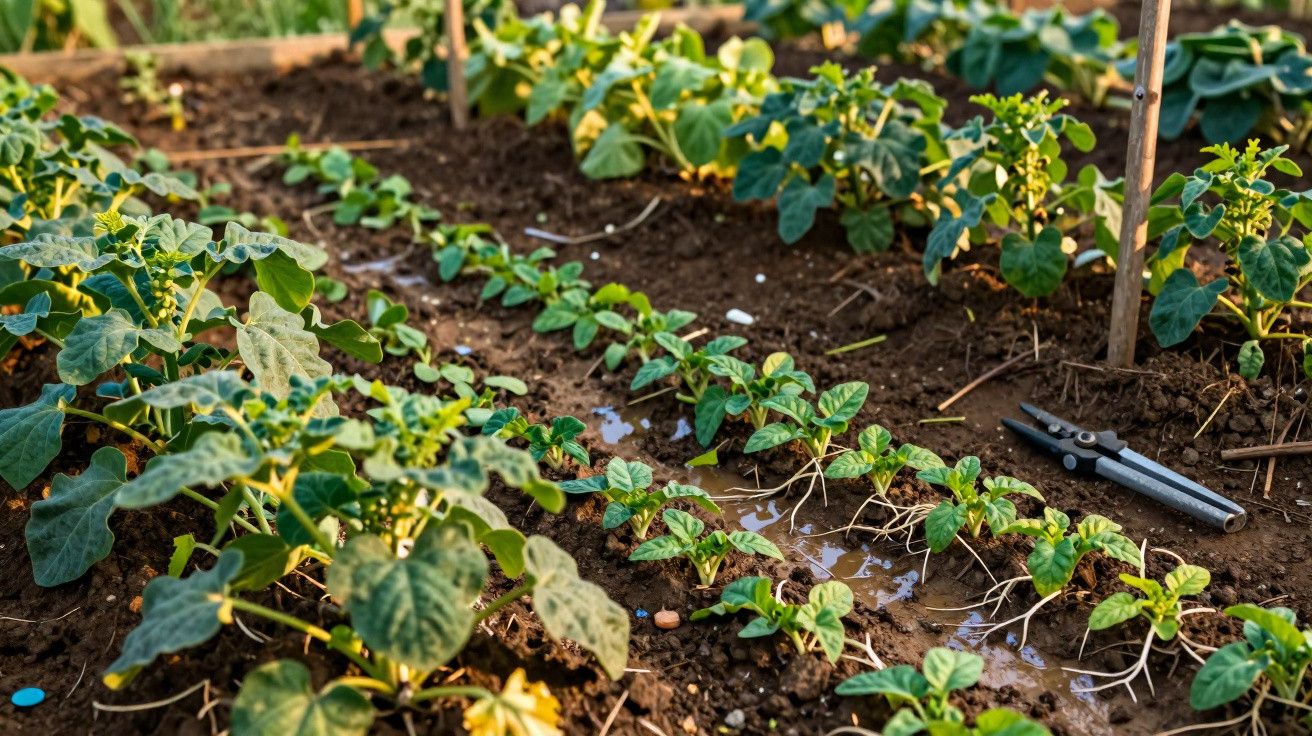
The first time I chose not to pull out every weed, it felt as though I was violating an unwritten rule of suburban life. My neighbours’ gardens were clipped and immaculate, whereas mine had suddenly become… fuzzy. Slightly unruly. I normally like crisp borders, orderly rows and that pleasing strip of brown, “clean” soil between my vegetables. Yet little green volunteers began appearing all over the place, as though they had been waiting for years for their chance.
Then it rained. It was a true early-summer deluge, the sort that normally cuts small streams through my beds and deposits the soil in a heap at the foot of the slope. I expected the familiar damage once the weather cleared.
But when I went outdoors, the soil was almost undisturbed.
Something had changed without me noticing.
When the “mess” began protecting the garden
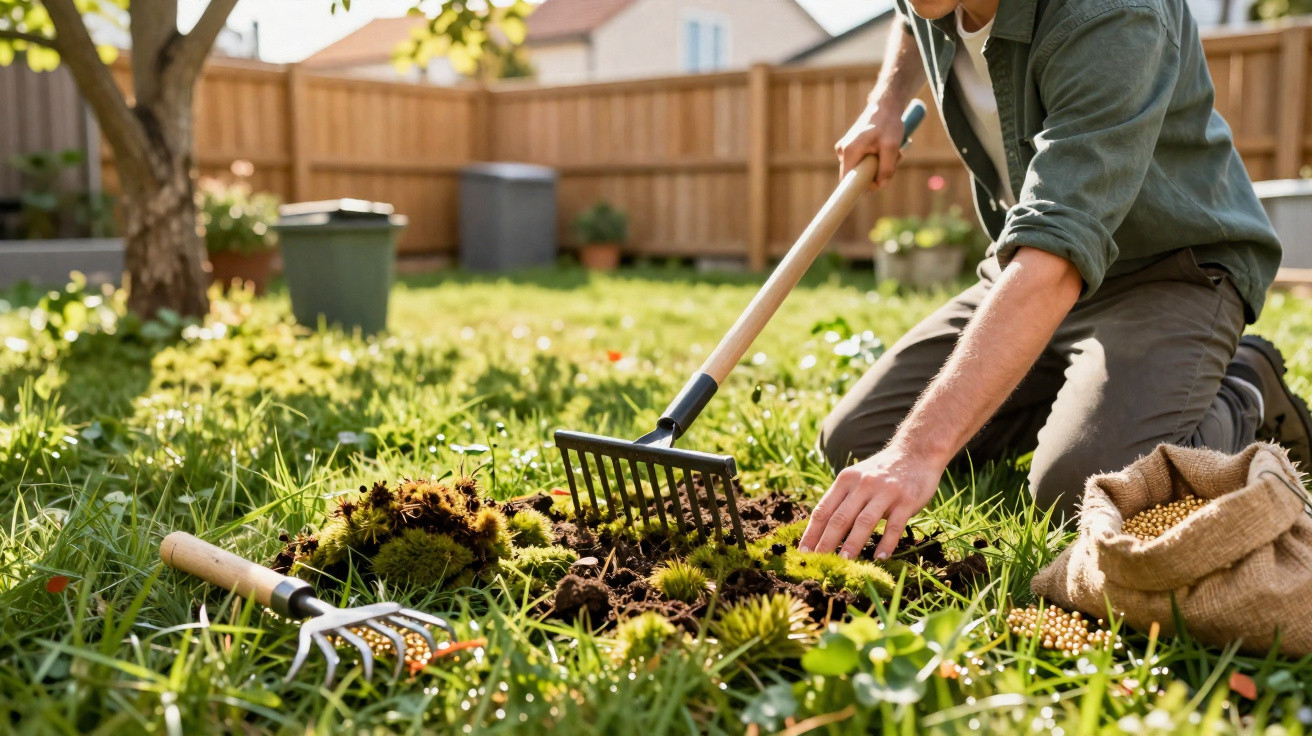
Only a week before, that section of ground had been bare, hard on the surface and exhausted. Whenever the wind rose, it lifted fine dust from the top and carried it towards the drive. Following a heavy shower, I would discover tiny channels - miniature canyons across the beds - carrying valuable topsoil towards the path.
More through frustration than any planned approach, I had stopped weeding the “ugly” areas. I left the clover alone. I no longer fixated on the plantain growing along the path edge. As for the dandelions and self-sown flowers that had survived my previous clear-up, I chose to ignore them and see what happened.
Then that storm arrived. Rather than sliding away in mud, the soil remained where it was. Rainwater sank in instead of rushing over the surface. I saw droplets hit the foliage, run along stems and reach the ground only afterwards, slower and gentler.
Clover created a low, soft layer. The wide plantain leaves worked like miniature umbrellas. Even the thin grasses I once tore out immediately were anchoring the earth with unexpectedly thick root systems. The bed I had neglected most had become the most secure.
I stood there, slightly astonished, watching water settle peacefully in places where it had once raced through and taken my topsoil with it.
That was the day the belief that “weeds = bad, bare soil = good” began to fall apart. I was simply witnessing physics and biology doing their work. Foliage reduces the impact of falling rain, roots bind soil particles together, and living ground remains more open and sponge-like than soil baked hard by the sun.
Once I began reading about the subject, it all made sense. The plants gardeners label as “weeds” are frequently pioneer species with a purpose: they cover exposed ground, absorb surplus nutrients and keep soil in place until a more complex ecosystem can develop.
The bare soil I had taken such pride in was, in effect, an open wound. The “mess” that had made me feel ashamed was functioning as a bandage.
How to let weeds work for you without losing control
The change was gradual. I did not suddenly abandon weeding completely or hand my garden over to disorder. Instead, I adopted one straightforward, unobtrusive rule: on slopes and in areas affected by erosion, I would take out only plants that caused a real problem. Thistles that pricked me? Removed. Vines choking young seedlings? Taken out.
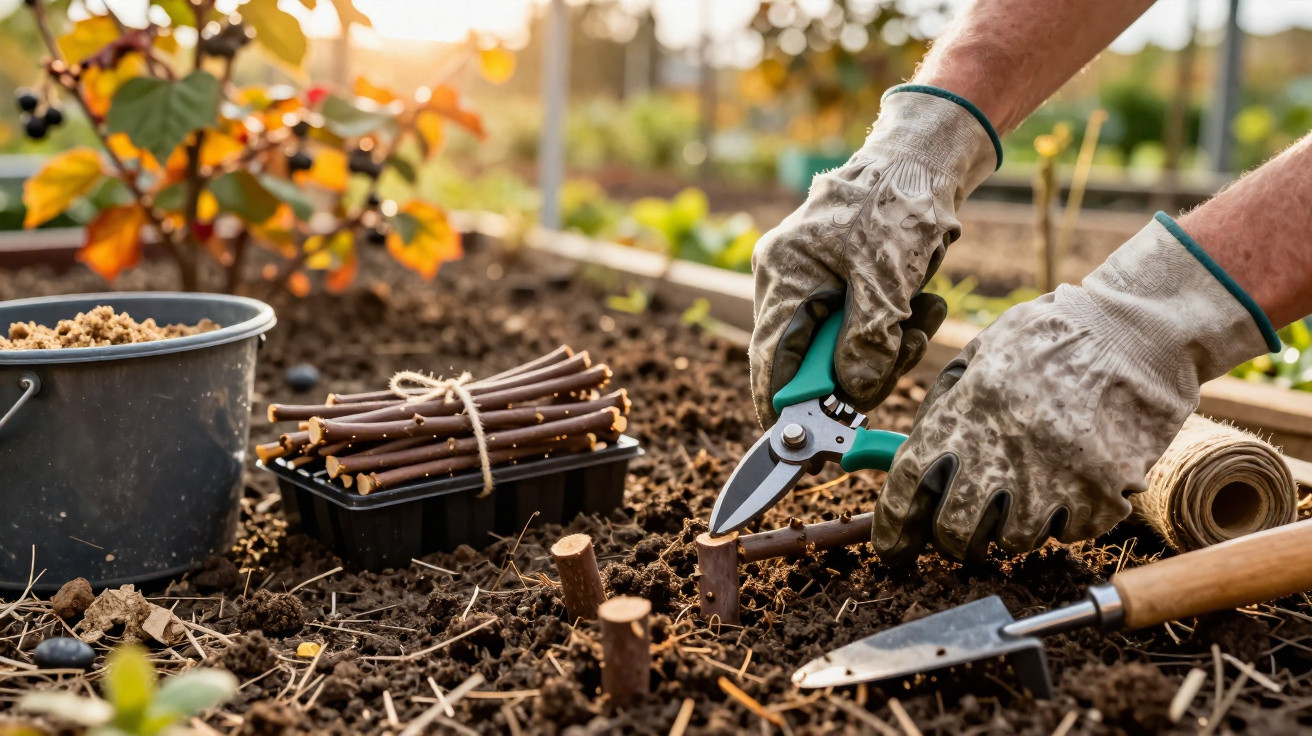
Everything else was given a temporary reprieve. Rather than pulling certain weeds up, I cut them down and left their roots to stabilise the ground. Before they produced seed, I trimmed the tops and used the cuttings as a light mulch around tomatoes and beans. The point was not to celebrate weeds; it was to allow some of them to justify their place.
The most difficult element was not physical but mental. Ground that has not been stripped bare and made immaculate can look “wrong” to anyone brought up with images of flawless lawns and photograph-ready beds. I found myself apologising to visitors, gesturing towards the garden and saying, “I’ll clean it up this weekend.”
We all know that feeling, when it seems as though people will judge our space by how tightly controlled it appears. In reality, many of us have been taught to prize appearances that silently harm the soil we rely upon. Keeping a few weeds can feel like failure, even when it is precisely what your garden requires.
Let’s be honest: no one actually manages this every single day.
Gradually, however, I began spotting patterns. Some “weeds” were genuinely useful allies: low-growing plants with gentle roots that held the soil together but could be lifted easily around crops; and deep-rooted plants that opened up compacted ground and brought nutrients upwards from deeper levels.
“Once you stop seeing weeds as enemies and start seeing them as indicators, your whole relationship with your soil changes,” a soil ecologist told me during a local workshop. “They’re often the first responders to damage you can’t see yet.”
- Clover and ground ivy – Excellent living mulch for paths and gaps between rows, shielding soil from sunshine and splash erosion.
- Plantain and dandelion – Their deep roots break up compaction and draw minerals upwards, while their leaves cover the surface.
- Self-seeded flowers – Calendula, borage and cosmos reduce the force of rainfall and bring in pollinators while needing little attention.
- Grasses (non-invasive)
- “Temporary cover” weeds – Permitted to grow during the off-season, then cut down and left in place as natural armour.
Letting go of perfection to keep the ground beneath your feet
Since that first trial, my garden has grown a little wilder but much more settled. The soil no longer slumps down the slope whenever a storm is forecast. Puddles are uncommon, and when they do appear, the water drains away more quickly into a deeper, looser structure created by roots I had once considered nothing but a nuisance.
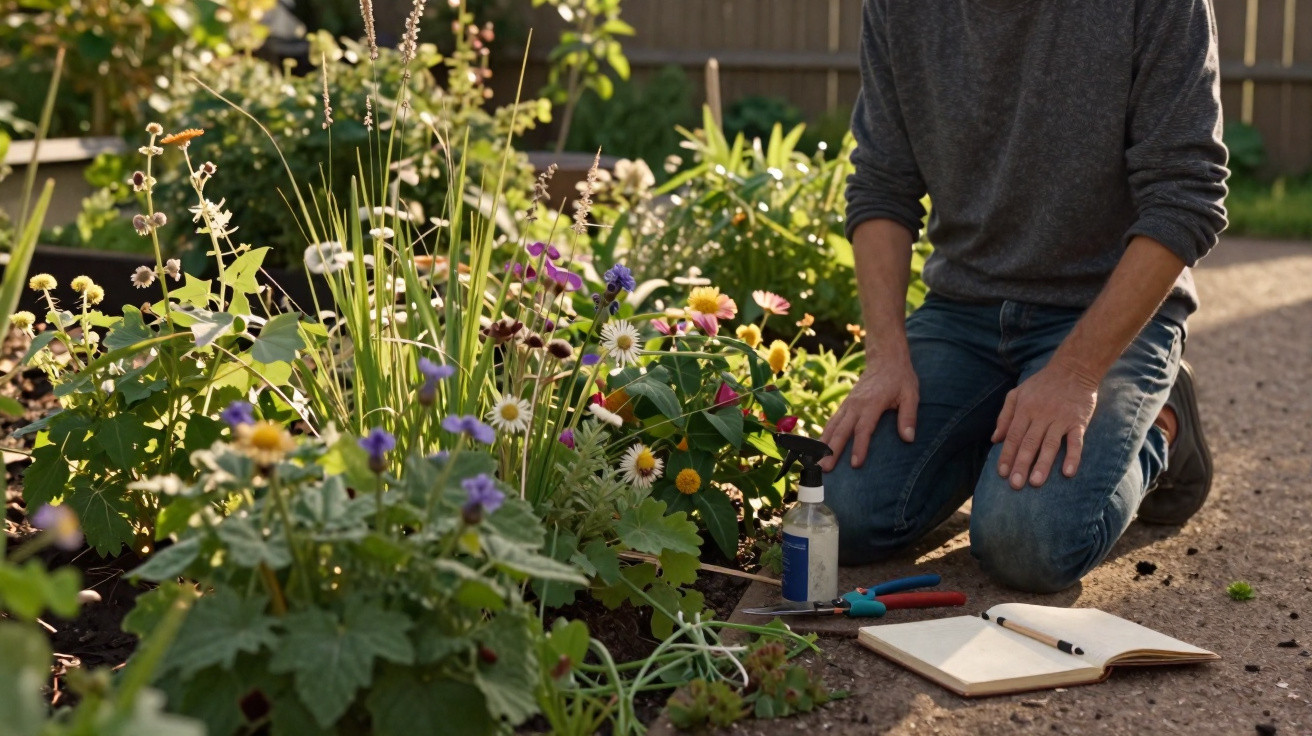
I still weed, but I do it as you would edit a story rather than delete it altogether. A little in one place, a little elsewhere, always considering: is this plant helping to hold the ground, or is it truly doing damage? Oddly, the more often I ask myself that, the less anxious I feel about being “behind” with garden work.
There is a quiet pleasure, too, in watching life return. There are more insects, more worms and more birds hopping amongst clumps of persistent volunteers. Instead of sitting like a motionless decorative display, the garden hums with activity. My beds and paths are not magazine-perfect, but the whole space feels stronger, gentler and more alive.
Leaving some weeds in place has not transformed my garden into a jungle. It has merely adjusted the balance, moving it away from endless conflict and towards a sort of truce. I safeguard the young vegetables and flowers that I grow. In exchange, the weeds safeguard the soil in which everything grows.
If you have watched your topsoil wash away, or noticed cracks and crusting where rich, dark earth once lay, consider this small act of rebellion. Leave a few areas unweeded for one season, particularly slopes and exposed borders. Watch what emerges, how water travels and what remains in place.
You may find, as I did, that the divide between “messy” and “resilient” is narrower than we were taught. Some of the plants you have spent years pulling out may be quietly keeping your world together, storm after storm.
| Key point | Detail | Value for the reader |
|---|---|---|
| Letting some weeds stay reduces erosion | Roots secure soil, leaves soften raindrops and living cover slows runoff | Protects valuable topsoil and maintains fertility with less work |
| Selective weeding beats total bare soil | Remove harmful or invasive plants, while leaving low, protective species where they are | Keeps the garden manageable while providing natural protection |
| Weeds can act as indicators and helpers | Various species point to compaction, insufficient cover or nutrient problems | Makes it easier to identify soil issues and use “free” plants to improve them |
FAQ: weeds and erosion control
- Question 1 Will allowing weeds to grow spoil my garden’s appearance?
Answer 1 Not if you do it deliberately. Keep paths clearly defined, trim plants instead of pulling them out, and retain a little green cover in erosion-prone areas. A contained “wild” section can appear charming rather than uncared for.
Question 2 Which weeds are safest to retain for erosion control?
Answer 2 Low-growing clover, ground ivy, plantain, dandelions and non-invasive grasses are generally safe choices. Steer clear of thorny, aggressive or rapidly spreading invasive plants that will be difficult to remove later.
Question 3 Will weeds take water and nutrients from my crops?
Answer 3 Yes, dense, tall weeds immediately beside young plants can compete with them. This is why selective weeding is important: maintain a light green cover between rows and on bare areas, but leave vegetables with clear space around their base.
Question 4 How can I prevent weeds from completely taking over?
Answer 4 Cut them before they set seed, mulch around important plants and establish limits with features such as edged beds or mown paths. You are not giving up control; you are managing living groundcover with a lighter touch.
Question 5 Does this method work in small urban gardens or on balconies?
Answer 5 Yes, it can be used on any exposed soil in pots, raised beds or very small gardens. Letting volunteer plants act as living mulch, or sowing a simple cover such as clover, can reduce compaction and erosion even in a tiny space.
Comments
No comments yet. Be the first to comment!
Leave a Comment