
The seed packets seemed to be giving me orders. “Space 8 inches apart.” “Plant 12 seedlings per square foot.” Their tidy diagrams and flawless grids promised an orderliness I could never quite sustain. By July, my beds resembled a botanical traffic jam rather than a garden: tomatoes crowding peppers, basil desperate for light, and lettuce becoming a feast for slugs. From the path, everything appeared luxuriant. Inside that leafy thicket, though, it was pure chaos.
One scorching afternoon, I squatted between two tomato plants advertised as “compact”. Their tags claimed a width of 45 cm; my tape measure showed 85 cm. The labels were not precisely untrue, but they omitted a crucial part of the picture. I realised I had been planting according to marketing rather than what really happened. The following season, I changed my approach.
I began planning around the mature dimensions of the plants I genuinely grew, rather than the restrained ideal printed on a label. That small adjustment transformed the garden.
When labels lie and plants tell the truth
I first became aware of the label issue while standing knee-deep in courgette leaves, searching for a lost hand trowel. The tag had described the plant as “bushy, compact, balcony-friendly.” In my garden, it became a spiny green dragon that took over half the bed and intimidated the unfortunate marigolds beside it. Its recommended spacing had sounded perfectly sensible in spring, when every plant was small, optimistic and the soil resembled an empty page.
By high summer, however, the situation had changed. Foliage lay over itself like overlapping roof tiles, and air could not circulate. First came fungal markings, followed by slugs and then aphids. The plants still cropped, but unhappily. Tomatoes split, lettuces bolted during one hot afternoon, and beans formed a tangled curtain I dreaded having to separate. I kept wondering why my garden looked like a packed rush-hour train when I had followed the packet instructions.
The change came after speaking with an older neighbour who had grown that same tomato variety for 20 years. She was unconcerned with the label and focused instead on how those plants behaved in her soil, sunlight and watering routine. “These will hit five feet easy, and they spread,” she told me, waving her hand over my bed. “You need to give them more elbow room or they’ll fight.” The word fight stayed with me. Rather than gently “companion planting”, plants compete for light, airflow and root room. Labels offer broad recommendations; my garden has its own specific conditions.
The season I planned for grown-up plants, not seedlings
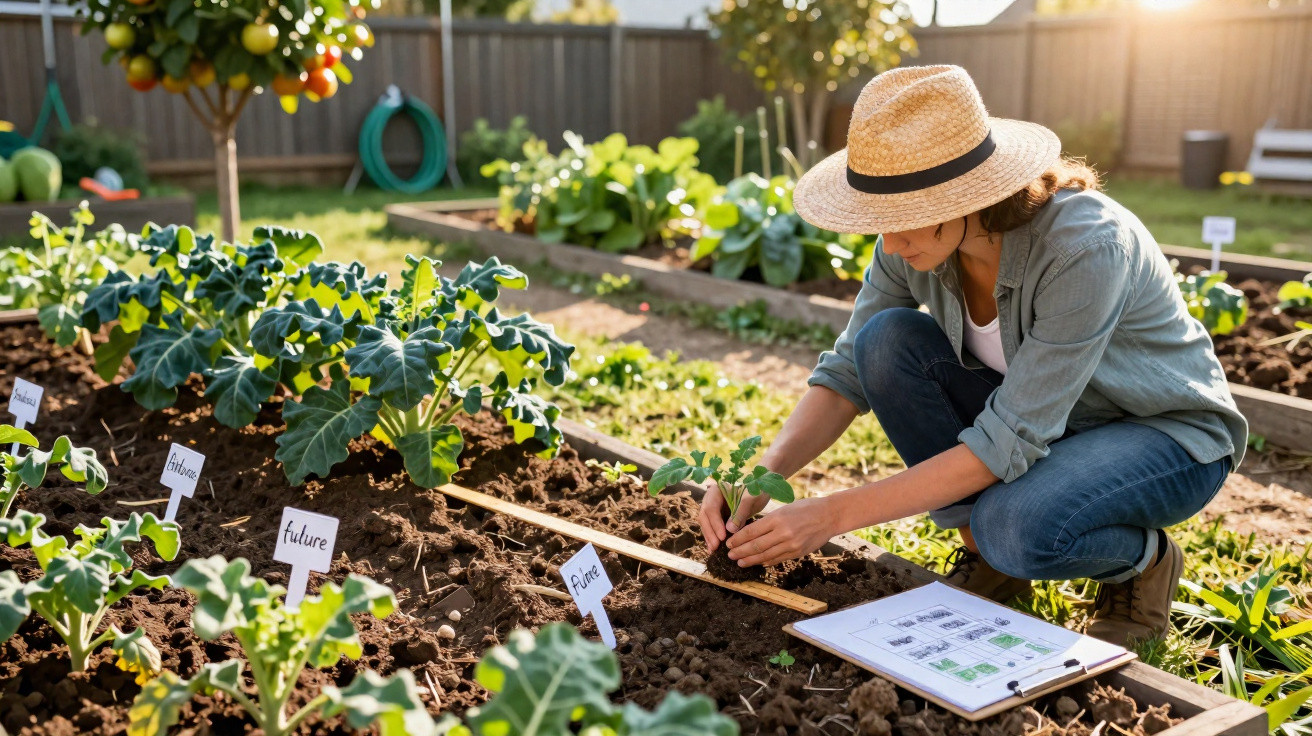
The next spring, I carried out a different experiment and disregarded nearly every spacing recommendation on packets and plant tags. I took a notebook and recorded each plant’s mature size using real-world sources: gardeners’ forums, July photographs of plants in full growth, and my own untidy photos from the previous year. I drew my beds with each plant at its adult width instead of at the appealing seedling stage. On paper, the garden suddenly seemed less full, but it also felt more peaceful.
At planting time, it seemed unnatural. The spaces between young plants looked like squandered opportunity. Bare earth was everywhere, seemingly asking for another lettuce, one more basil plant, perhaps two more marigolds. This was the emotional challenge. Leaving room is surprisingly difficult because it can feel like rejecting abundance. Still, I made myself remember August: the mildew, relentless pruning, and tomatoes I could not pick without snapping three stems. I used fewer plants and spaced them for what they would become in three months, not for their size that morning.
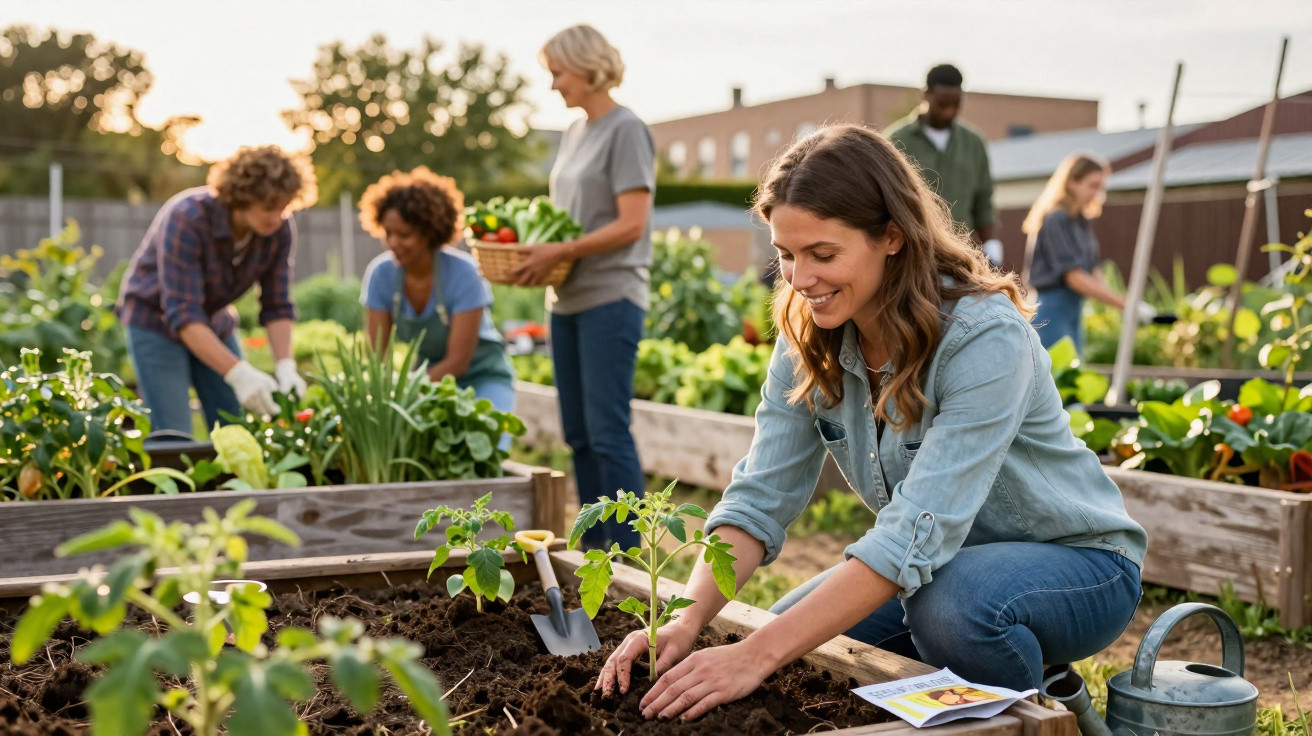
By mid-season, the contrast was unmistakable. Plants filled their allotted areas rather than colliding with one another. I could move between the beds without wet leaves brushing my legs at every step. Tomatoes dried more quickly after rain, which kept blight at bay. Basil became properly bushy instead of reaching into thin, weak stems beneath the peppers’ shade. Yield per plant rose sharply despite my having fewer plants in total. It felt less like controlling a riot and more like hosting a neatly organised dinner party in which everyone had a chair and enough room for their elbows.
How to use mature plant size in a real garden
The practical change began with a simple routine: instead of relying on the front of a label, I looked for the mature spread. Plant height is useful, but width is where overcrowding starts. I searched for “mature width” alongside the variety name, then wrote the result straight onto the tag with a marker pen. Before planting, I placed tags across the bed as markers and stepped back until the gaps looked suitable for future giants rather than the seedlings in my hands. Only after that did I put plants in the ground.
I also started arranging plants by their vigour and character rather than crop type alone. Powerful growers, such as courgettes and indeterminate tomatoes, were given edge positions or prime corners where they could extend outward rather than consume their neighbours. More restrained, low-growing crops, including lettuce and herbs, occupied the spaces between them, but only as temporary residents that I expected to remove as the larger plants spread. Honestly, nobody manages this without fail every day, yet inspecting the beds once a week was enough to spot plants beginning to press against each other. That was the time to thin them, rather than waiting until the bed became a jungle.
The most difficult lesson was letting go of the guilt around thinning and refusing extra seedlings. We all know that moment when every emerging sprout seems like a small miracle that must not be thrown away. The straightforward truth is that a stressed, overcrowded plant is not a saved plant; it is a plant slowly heading towards disappointment. I began repeating something a market grower once told me:
“Fewer plants, more harvest. Crowding is a tax you pay in disease, stress, and tiny vegetables.”
- Write the mature width on every plant tag as soon as you purchase it.
- Draw your bed plan with plants at their full adult dimensions, rather than as seedlings.
- Plant for July, not for May - picture the foliage touching at full size, then allow a little extra room.
- Use quick crops, such as radishes or baby lettuce, only as early fillers you intend to remove.
- Thin without guilt: one thriving plant is always better than three struggling ones.
When space becomes part of the harvest
Once I regarded space as part of the crop rather than unused ground, my entire perspective on gardening changed. Open soil stopped looking like an error and became a promise. Air circulation seemed as valuable as compost. I began noticing details that had been lost in my formerly crowded beds: bees lingering, leaves dry by lunchtime, and fewer lower branches turning yellow. I no longer felt as if I were continually correcting problems I had quietly caused myself in spring.
Visitors often said, “Your garden looks so… calm.” They did not say it was larger or more productive, only calmer. There was less drama and fewer emergency searches for “white spots on tomato leaves oh no what now.” The plants had room to be themselves, and that altered my behaviour as well. I pruned less, interfered less and observed more. Harvests remained plentiful while my stress reduced. Overcrowding had not merely left the beds; it had also eased from my mind.
If tangled tomatoes, smothered herbs and beds exhausted by August have become a familiar battle, try this small act of rebellion: pay attention to plants at their mature size rather than the courteous promises on their labels. Consider how your garden truly develops, not how a packet assumes it could grow. Then give it space for that reality. Labels may begin the conversation, but they do not have the final say. That belongs to you, your soil and the way your plants genuinely occupy the world when they finally have room to stretch.
| Key point | Detail | Value for the reader |
|---|---|---|
| Plan by mature size | Use real-world mature width instead of label spacing | Reduces overcrowding and plant stress |
| Embrace fewer plants | Prioritise air, light and access instead of cramming in more young plants | Higher yield per plant and fewer diseases |
| Treat empty space as a tool | Regard gaps as airflow and growing room, not wasted soil | Makes the garden easier to manage and more resilient |
FAQ:
- Question 1 What if my garden looks too empty after spacing by mature size?
- Answer 1 That apparent “emptiness” is the room your plants are meant to fill. Quick crops such as radishes or baby salad leaves can serve as temporary fillers, but regard them as short-term guests to remove before the larger plants reach their full spread.
- Question 2 Labels say one thing, online sources say another. Who should I trust?
- Answer 2 Put greater trust in gardeners from your climate who show photographs of mature plants. Labels are produced for idealised, general conditions, whereas local experience reveals how large a variety becomes in your sunlight, soil and watering routine.
- Question 3 Can I still do intensive planting like square-foot gardening?
- Answer 3 Yes, although it should be a guide rather than an unbreakable rule. Plant smaller, short-season crops closer together, but give trailing or climbing plants more room than the standard grid allows so they do not overwhelm everything else.
- Question 4 How do I know when my plants are genuinely overcrowded?
- Answer 4 Watch for leaves that remain wet after rain, continual leaf-to-leaf contact, pale or elongated stems, and disease that begins near the base. If you cannot easily slip your hand between plants, they are probably competing too intensely.
- Question 5 Is thinning really better than keeping every seedling?
- Answer 5 Yes. One robust plant with sufficient light, air and root space almost always produces more than several plants grown in cramped conditions. Choose quality over quantity: fewer, healthier plants mean better harvests and less frustration.
Comments
No comments yet. Be the first to comment!
Leave a Comment