
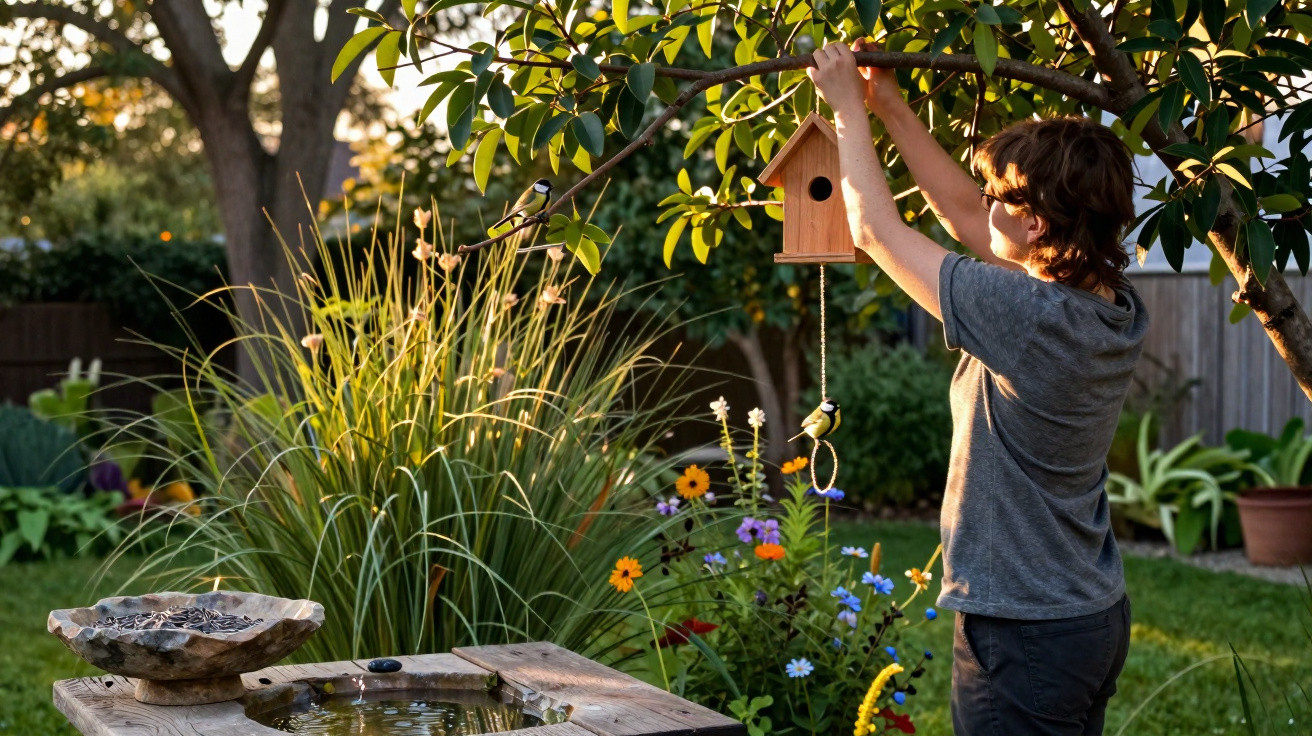
Many amateur gardeners put time, money and care into their gardens, hoping for a paradise full of birdsong – only to be disappointed when tits rarely, if ever, appear. This is seldom down to luck. It is almost always caused by details that seem harmless at first but determine whether these small birds feel at home or fly elsewhere.
What tits really need – and what picture-perfect gardens often lack
Tits are not looking for a show garden; they need a safe place to work with a well-stocked larder. Three things are at the top of their list: shelter, food and peace.
- Safe cavities rather than open nests – they are cavity nesters.
- Plenty of insects close by, not a “green desert”.
- Quiet corners without continual disturbance from people or pets.
One attractive tree alone is not enough. If it has no cavity or suitable nest box, the birds will move on. If there are hardly any insects in the surrounding area, breeding there is simply not worthwhile for them.
A garden may look perfect to the human eye – tits only care whether it feels like a safe, well-stocked refrigerator.
Noise also puts the birds under stress. Regular visitors, children playing noisily right beside a nest box, barking dogs or a lawnmower running during the breeding season can mean tits never begin building a nest, or abandon their brood.
Common garden mistakes that reliably drive tits away
Many features that proud garden owners pay particular attention to are actually off-putting to tits. These are the most frequent mistakes.
Too clean, too tidy, too manicured
Cutting back every dried perennial, removing every dead branch fork and clearing away every leaf deprives wildlife of habitat.
- Removing all leaf litter – countless insects and larvae overwinter in it, leaving tits without this food in spring.
- Relentlessly cutting away old wood – deadwood provides cover, breeding sites for insects and, later, cavities.
- A flawless ornamental lawn – nutrient-poor grassland or “wild corners” provide far more food.
The result is a garden that may look neat but feels empty and lifeless to tits.
Using chemicals against every crawling creature
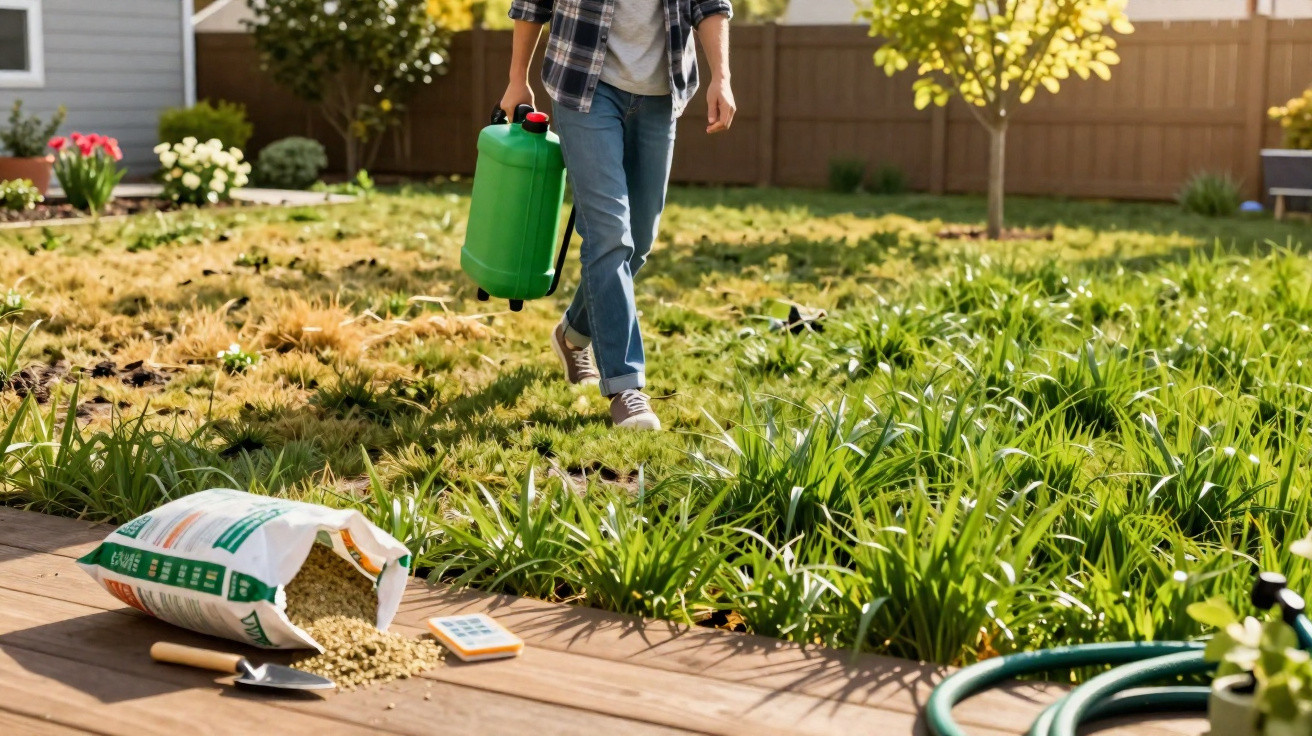
Pesticides, insect killers and products marketed as pest control almost always affect the insects tits depend on as well. During the breeding season in particular, they require vast quantities of caterpillars, beetles and spiders.
Fewer insects mean too little food for young tits – so the garden is unsuitable as a breeding site.
Treated ornamental shrubs and fruit trees are problematic too. The chemicals are often not visible from the outside, but they still disrupt the food chain.
The wrong nest box in the wrong place
Many people mean well, put up a colourful birdhouse kit and then wonder why it remains empty. There can be several reasons:
- The entrance-hole diameter does not suit the species: it is too large or too small.
- The nest box is hung too low, making it easy prey for cats and martens.
- It is installed directly beside the patio or above the barbecue area.
- It receives full sun all day or is constantly exposed to wind.
Tits inspect potential nest sites very carefully for safety. One bad experience – such as a box being opened or a child’s curious hand reaching inside – may make them avoid the location for a long time.
Pets and other predators
Free-roaming cats, martens, predatory magpies and even hungry squirrels are constant threats. When predators regularly appear in a garden, tits quickly judge the territory to be risky.
Trees and garden structures tits love
Planting with purpose can make a garden appealing to tits over the long term. They are especially drawn to:
- Oaks – exceptionally rich in insects, making them true food trees.
- Mature apple and pear trees – often containing natural cavities and cracks.
- Pines and spruces – offering shelter, lookout points and a good view of the surroundings.
- Birches and willows – with distinctive bark and their own insect communities.
The mix is what matters. Monocultures of thuja hedges and cherry laurel may stay green throughout the year, but offer almost nothing for insects and birds. By contrast, combining native trees, shrubs, hedges and some deadwood creates a small ecosystem.
To tits, a structurally varied garden with hedges, mature trees and a little “mess” is like an entire housing block with a supermarket and playground.
A practical plan: how to make your garden suitable for tits
Anyone wishing to attract tits does not need to completely redesign their garden. Small, targeted changes are often enough.
Choose and hang nest boxes correctly
Slightly different dimensions apply to different tit species. The key measurements are shown below:
| Species | Entrance hole | Height above ground | Direction |
|---|---|---|---|
| Blue tit | approx. 28 mm | 2–3 m | East or south-east |
| Great tit | approx. 32 mm | 2–3 m | East or south-east |
Hang the box with a slight forward tilt so rainwater can drain away. Choose a quiet location, rather than placing it next to a swing, patio door or barbecue area.
Spacing between several boxes matters too, as tits are territorial. Do not hang them close together; instead, leave several metres between them or position them in separate parts of the garden.
Combine food, water and safety
Every resource around the nesting site counts. Useful additions include:
- A shallow water feature or bird bath, cleaned regularly.
- Sunflower seeds and fat-based food in winter and early spring.
- Chemical-free areas with leaf litter and perennial stems for insects.
- A protective collar or smooth tube on the nest-box post to deter predators.
Avoid using garden chemicals in spring wherever possible. Tolerating caterpillars on roses and fruit trees also feeds an entire tit family.
Small rules with a big impact
- Clean out the nest box only once a year, in autumn.
- Do not cut back shrubs and hedges heavily in spring.
- Keep cats indoors, especially in the morning and evening, during the breeding season.
- Schedule lawnmowing and noisy tasks outside the breeding months where possible.
These habits cost little, yet they bring calm to the garden – and that peace is exactly what birds need to raise their young.
Why tits are so valuable in the garden
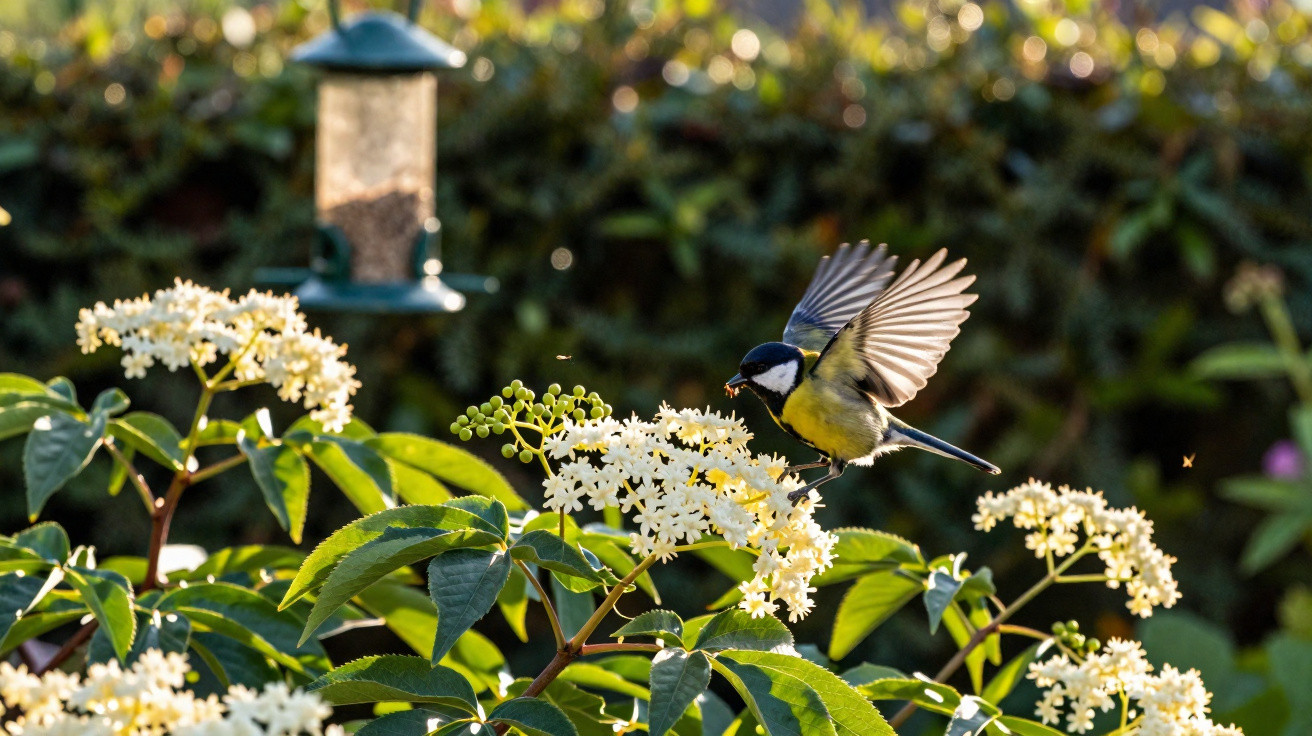
Tits are more than cheerful flashes of colour at the bird feeder. They work hard every day as natural pest controllers. A single tit family consumes thousands of caterpillars and other insects during the breeding season. This eases pressure on fruit trees, ornamental shrubs and vegetable plants without any chemicals.
Supporting tits means investing in your garden’s strong, natural defences.
At the same time, tits indicate how healthy a garden truly is. A diverse population of birds, insects and plants points to a stable, resilient system. Where there is only lawn, hard landscaping and evergreen non-native plants, they generally stay away.
Everyday practical tips and typical pitfalls
Two issues often cause frustration: unrealistic expectations and impatience. Tits need time to discover and assess new features. A newly installed nest box will often remain empty in its first year, even when it is well positioned. That does not mean it is unsuitable.
Keeping a small “diary” can help: note when tits appear in the garden, where they forage and which trees they visit. This makes it easier to see which areas they favour and where a nest box would be worthwhile.
One further point is important: not every garden can provide everything. In densely built-up city centres, noise and cats can sometimes make successful breeding impossible. Every measure is still worthwhile there – even if only the bird feeder receives regular visitors.
By gradually creating more structure, more insects and more places to retreat, you move closer to what tits truly like. Eventually, the familiar bright “zi-zi-baaah” may fill the morning air – an unmistakable sign that the garden works not only for people, but for its feathered residents too.
Comments
No comments yet. Be the first to comment!
Leave a Comment