
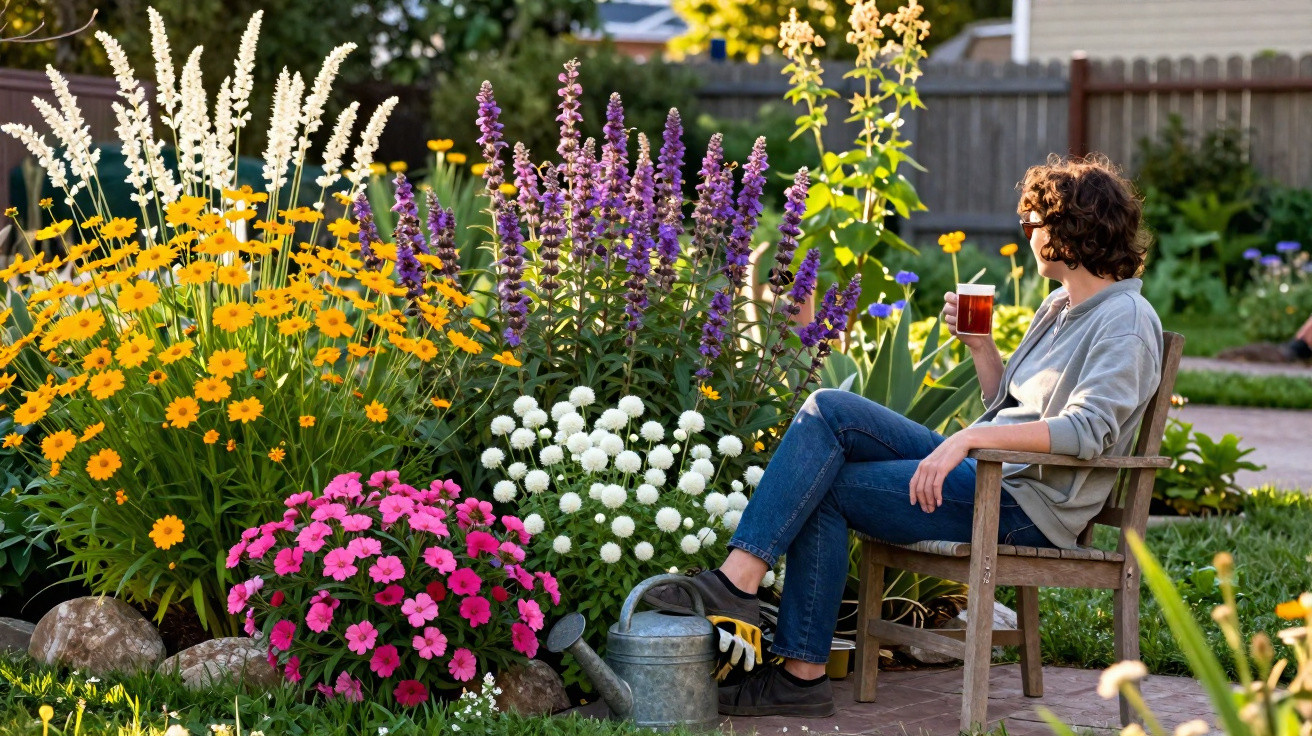
Long-flowering perennials can turn an ordinary border into a true ribbon of colour that runs right through the summer. Instead of buying new bedding plants every year, you plant once, then enjoy flowers that return year after year-and keep producing buds for weeks on end. Below you’ll find which perennials bloom most reliably, what they need, and how to plan a bed so it flowers with hardly any gaps.
Why long-flowering perennials are perfect for low-effort gardeners
Many of the garden’s big summer colour shows come from annuals. They do bring plenty of brightness, but they also need buying and planting again each year. Long-flowering perennials are the more relaxed option: plant them once and enjoy them for longer.
"Long-flowering perennials combine long flowering periods with relatively little care – ideal for people with little time but high expectations for their garden."
A lot of these perennials start opening buds in June and keep sending up fresh flowers well into autumn. They attract pollinators, lift borders, front gardens and even narrow strips along a patio-and they last far longer than classic seasonal bedding.
Large-flowered tickseed: sunshine yellow right into November
Large-flowered tickseed (Coreopsis grandiflora) is one of the most popular long-flowering perennials-and with good reason. The cultivar ‘Early Sunrise’ is especially striking: semi-double, vivid yellow blooms with a lightly fringed edge, plus impressive staying power.
- Flowering period: roughly June to November
- Height: around 45 cm
- Position: full sun
- Soil: moist, humus-rich, fairly nutrient-rich
If you regularly cut off spent blooms, you encourage the plant to produce even more buds. Tickseed works well at the front of a border and also makes a good cut flower. Paired with blue perennials such as catmint, the yellow flowers look particularly crisp and fresh.
Beeblossom: a floating cloud of white flowers
Beeblossom (Gaura lindheimeri) looks as though countless tiny butterflies are dancing above the border. Its delicate white flowers sit loosely on long stems and move with every light breeze.
From July to October it keeps producing new flower sprays. The warmer and sunnier the spot, the better it performs. The soil can be on the poor side and sandy, but it dislikes waterlogging. At 60–100 cm tall, it suits the middle of the border.
"Beeblossom brings lightness to a perennial border – ideal for softening strict planting schemes."
If planted in spring, it has enough time to build a strong root system. In harsher areas, a light winter cover with a few twiggy branches is worthwhile.
Anise hyssop: a flower magnet for bees and butterflies
Anise hyssop-often also called mountain mint-belongs to the mint family. Cultivars such as ‘Linda’ carry elegant violet flower spikes above dark red calyces, flowering from July to October with barely a pause.
- Aromatic scent reminiscent of mint and aniseed
- Especially popular with bees, bumblebees and day-flying butterflies
- Very undemanding: dry, sandy soil is sufficient
- Loves full sun and copes well with heat
In summer, both leaves and flowers release a strong fragrance when lightly brushed. In wildlife-friendly gardens, anise hyssop pairs beautifully with ornamental grasses, sage or echinacea. If you cut the stems back in spring to about hand height, the plant stays compact and keeps flowering freely.
Double sneezeweed yarrow: snowballs in the border
Double sneezeweed yarrow ‘Schneeball’ (Achillea ptarmica ‘Schneeball’) brings bright highlights to a bed. Its many small, densely double flower heads resemble little white balls, appearing from June to September.
At around 70 cm tall, it works well as a foreground planting in front of shrubs. The soil should be slightly moist and nutrient-rich, and the position can be sunny to part shade. Once established, it is a fairly tough perennial.
"White long-flowering perennials like double sneezeweed yarrow bring calm to colourful borders and make neighbouring colours look even more intense."
For a classic cottage-garden border, combine it with phlox, delphiniums or roses. If you cut it back after the main flush, you can often prompt a lighter second bloom.
Red valerian: a long-flowering perennial for walls, cracks and sunny corners
Red valerian (Centranthus ruber) is a long-standing favourite among long-flowering perennials. Its airy flower heads show cheerful shades from pale red to pink and appear from June to September.
| Feature | Red valerian |
|---|---|
| Flowering period | June to September, sometimes longer with cutting back |
| Height | about 50–80 cm |
| Soil | dry to average, preferably mineral |
| Position | sunny to lightly part-shaded |
A hallmark of red valerian is that it doesn’t just thrive in borders-it will also settle into wall joints and cracks if you let it. If you want to limit that, cut the plant back hard after the main flowering. This reduces self-seeding and often triggers another wave of flowers.
Other interesting long-flowering perennials for a long season
Alongside the well-known stars, there are a few underrated perennials that also keep going for a long time. One example is Welsh poppy (Meconopsis cambrica). It produces bright yellow or orange, bowl-shaped flowers from June to September, grows only up to 30 cm tall, and prefers part shade.
If it’s happy where it’s planted and allowed to set seed, it gradually forms small carpets that work well under shrubs or along shaded paths. For borders that should look good from spring through to autumn, it pays to combine different flowering times and heights.
How to plan a border with almost gap-free flowering
To keep a perennial border attractive for months, one or two long-flowering plants are rarely enough. A better approach is a mix of plants with overlapping flowering periods, coordinated colours and varied heights.
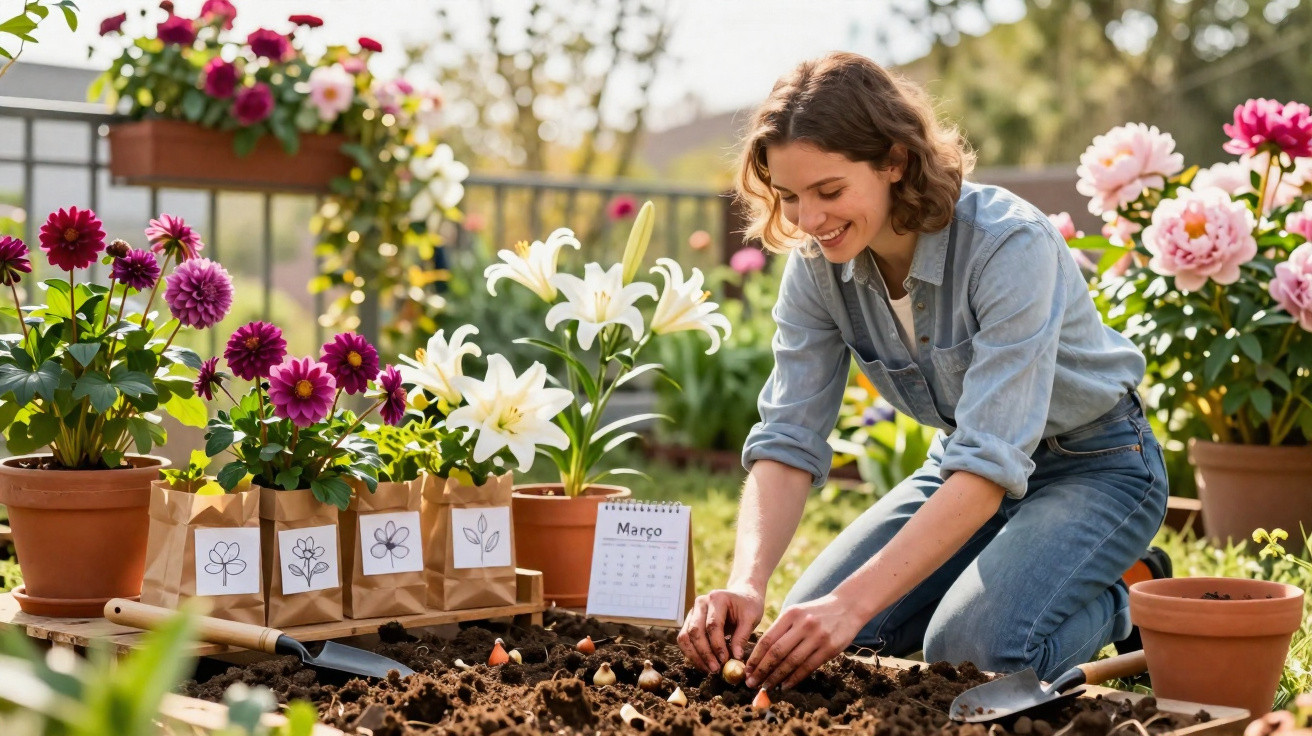
- Early highlights: weave in bulbs such as tulips or alliums between the perennials
- Summer leading roles: plant tickseed, anise hyssop, red valerian and beeblossom in groups
- Extending into autumn: add late bloomers such as asters or coneflowers
- Grasses: provide structure and movement even without flowers
If you repeat a small set of colours-yellow and white as a base, with occasional touches of pink or violet-you create a harmonious look. Repeating the same perennial in a few places also visually links the planting together.
Care mistakes that hold long-flowering perennials back
Many perennials are tougher than you might think, but they can struggle if a few basic rules are ignored. One common mistake is soil that is too rich for species that prefer lean conditions. Beeblossom and red valerian, for example, may put on lots of leafy growth and produce fewer flowers.
Constant wetness around the roots is just as problematic. On heavy soils, it’s worth adding a drainage layer of gravel or coarse sand. If you regularly deadhead, many long-flowering perennials will keep blooming for much longer, because they don’t divert their energy into seed production.
Added value for people and nature
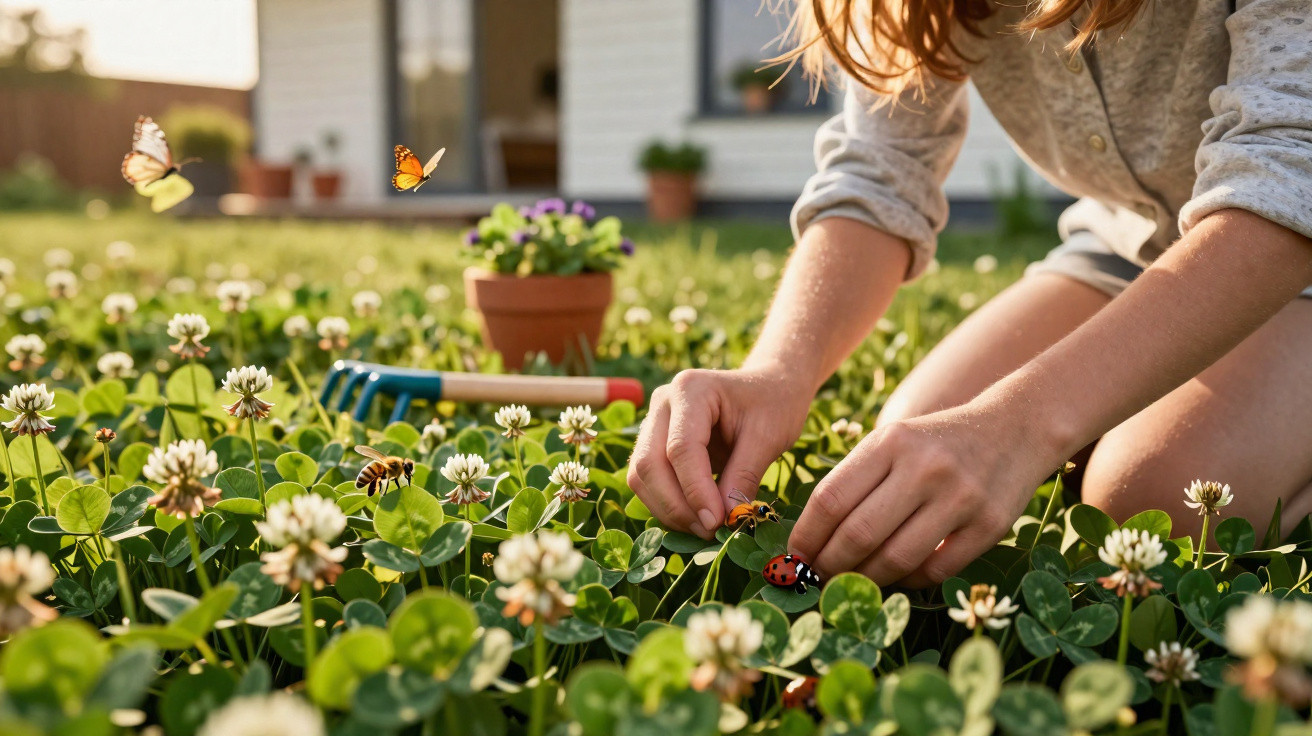
Long-flowering perennials are not only attractive-they also serve a clear purpose: they provide nectar and pollen for weeks at a time. Especially in dry summers, they can be an important food source for wild bees and butterflies.
"A border with cleverly chosen long-flowering perennials is like a buffet that stays open from June until the first frost."
If you avoid pesticides and offer as many different flower shapes as possible, you support a wide range of insect species. At the same time, you reduce your own workload, because perennials need replacing far less often and become more resilient over time.
Beginners are well advised to start with robust choices such as tickseed, red valerian and anise hyssop. As confidence grows, you can gradually add more specialist plants-for shade, for very dry soil, and other challenging spots. In this way, a handful of plants can slowly become a perennial border that flowers for almost the entire season and looks as though it has developed naturally on its own.
Comments
No comments yet. Be the first to comment!
Leave a Comment