
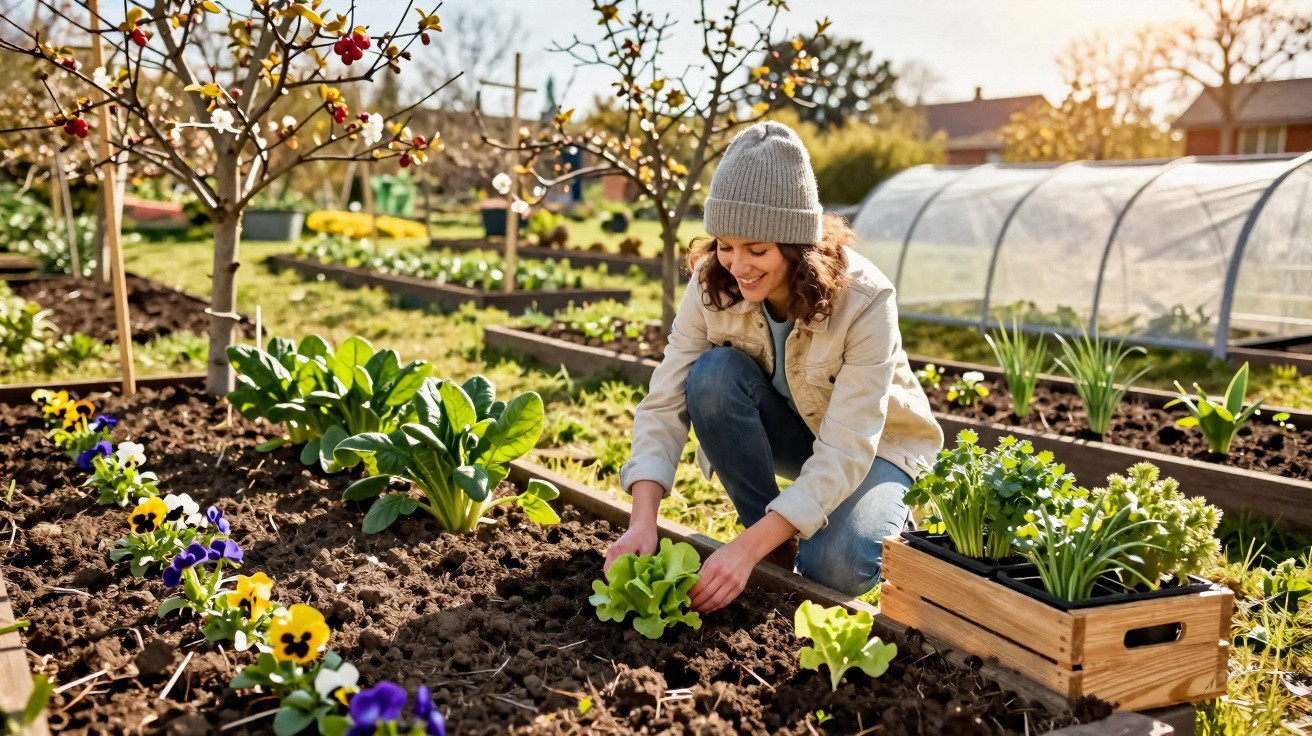
In many gardens, the famous Ice Saints are treated almost like the starting pistol for planting. Beds stay empty until mid-May, balcony boxes look bleak, and vegetable plants linger on the windowsill. Yet specialist guides and experienced gardeners make one thing clear: plenty of flowers, shrubs, fruit trees and vegetables can go outside much earlier-provided you know which plants tolerate frost and where the real risks lie.
What the Ice Saints are really about
Traditionally, the feast days of several saints fall between 11 and 13 May, and in folklore they mark the last possible spell of late frosts. Many people know the old saying in one form or another: “Before mid-May, there’s always the chance of a frost.” The point is simple: after a warm spell, nights can still turn sharply cold around this time.
The Ice Saints are a rough seasonal marker for the weather-not a blanket ban on planting.
Weather records from recent years show that in some areas ground frost can still occur, particularly on clear nights. Plants from warmer climates-or seedlings raised indoors in heated rooms-often react extremely badly. By contrast, hardy native species usually cope with these cold snaps with little fuss.
Hardy favourites: these flowers can go into the ground early
Many classic spring bloomers actively prefer cool conditions and barely notice a small drop in temperature. If you hold back here, you miss out on weeks of colour.
Frost-tough flowering stars for borders and balcony boxes
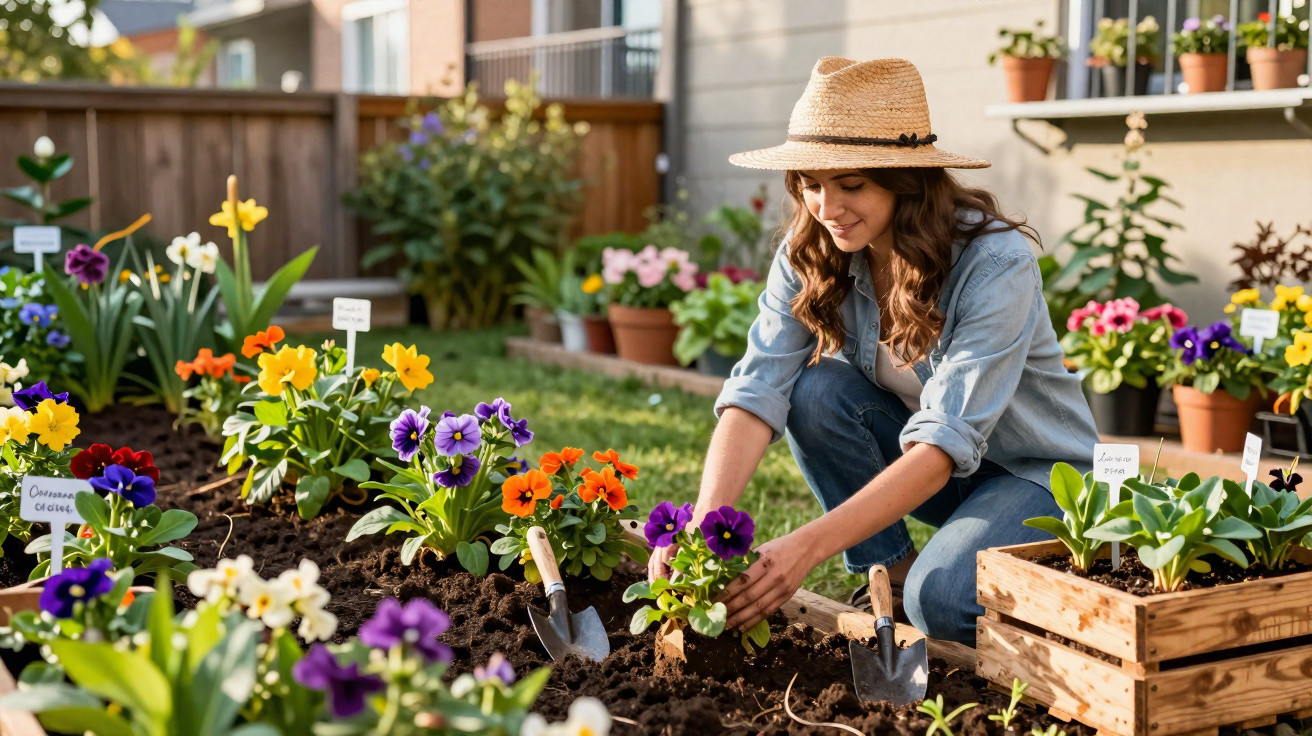
- Pansies and horned violets: flowering outdoors from March, they cope with light frost and are ideal for boxes and bowls.
- Primroses: among the toughest spring flowers, perfect for shady spots and under shrubs.
- Ranunculus: thrive in a cool spring, but need well-drained soil so the tubers do not rot.
- Scented wall pinks and wallflowers: add height and strong fragrance to beds and handle crisp temperatures surprisingly well.
Garden books also recommend planting asters and autumn anemones early. Both are long-lived perennials that can stay in place for many years. What matters most is free-draining soil, because waterlogging in cool weather can quickly cause roots to rot.
Perennials and ornamental shrubs that can go out early
Beyond the usual spring flowers, there is a whole range of very resilient perennials and woody plants, including:
- Helleborus (Christmas rose and Lenten rose)
- Garden geranium (cranesbill)
- Box (boxwood)
- Ornamental cherry, known for its abundant clouds of blossom
These plants generally tolerate low temperatures far better than heat and drought. Planting in early spring gives them time to establish roots before the pressure of summer-high temperatures and lack of water-arrives.
Fruit garden: these trees and shrubs benefit from an early start
In the fruit garden in particular, planting earlier can pay off. Roots begin growing in the still-cool soil while moisture loss through the crown and leaves remains low. That helps plants head into summer in a steadier condition.
Robust fruit trees for an early planting slot
These are widely considered straightforward choices:
- Apple trees
- Pear trees
- Cherries (sweet and sour)
They can handle cooler soils. More delicate are species with very early blossoms that are easily damaged by frost, such as peach and apricot. These are better planted in especially sheltered positions-near a house wall or in warmer wine-growing areas-or later, once the risk of frost has clearly dropped.
Berry bushes: structure and harvests
Soft fruit is among the biggest winners of early planting:
- Raspberries
- Currants (red, white, black)
- Blackberries
With well-loosened soil and a thick layer of mulch, they form strong roots in spring. That makes it easier for them to cope during dry summer weeks and often brings a small crop in the same year-followed by a proper harvest the next.
If you plant berry bushes early, you usually gain an entire gardening year.
Vegetable patch: what can go into the soil before mid-May
In vegetable gardens there is often an unnecessary lull because everything is put on hold until the “magic” mid-May date. In reality, many crops are true cold starters.
These vegetables love cool conditions
- Peas and broad beans: they often germinate better in cool soil than in overheated summer ground.
- Carrots and radishes: can be sown directly once the soil is workable.
- Early potatoes: from around mid-March (depending on the area) they can go in; the soil layer protects the tubers reasonably well from cold.
- Garlic, onions and shallots: planting early often brings the first harvest of tender green shoots and spring onions after around four to eight weeks.
If you prepare the bed in good time-loosening the soil, removing larger stones and, if needed, working in a little compost-you make the most of the moist spring period. That can even eliminate the nuisance of daily watering, because the ground still holds plenty of moisture.
Take care with these warmth-loving vegetables
Another group is highly sensitive to cold and should not be planted outdoors without protection before mid-May:
- Tomatoes
- Courgettes and pumpkins
- Melons
- Peppers and chillies
- Aubergines
Even temperatures just above freezing can cause damage. Leaves may discolour, growth stalls, and in the worst case young plants die completely. If you cannot wait, use a polytunnel, a cold frame or a small greenhouse.
Herbs: which can go out early, which should stay indoors
With herbs, it pays to consider where each plant comes from. Mediterranean types can be quick to suffer, while others shrug off a few degrees below zero.
Hardy kitchen staples for an early spring start
- Parsley: tolerates cold and grows reliably outdoors from spring.
- Mint: extremely tough and can spread aggressively in beds-best kept in pots.
- Rosemary: depending on the variety it can be hardy; it is happy outside in spring as long as the soil drains well.
- Chives: sprout again early after winter and can be divided and moved without trouble.
Basil is particularly sensitive. It can respond to temperatures just above freezing with brown patches and a glassy look. It is better kept on a warm windowsill until conditions are genuinely settled and summery.
Protection tricks: helping young plants through chilly nights
If you want to plant slightly tender crops a little earlier, simple measures can remove much of the risk. Professional gardeners often rely on several layers of protection.
- Horticultural fleece: laid over beds or pots, it can block several degrees of cold and reduce evaporation.
- Cold frame or polytunnel: ideal for lettuces, kohlrabi, young tomato plants and peppers during the changeable period.
- Shade days: harden off plants raised indoors by keeping them in partial shade for a few days before moving them into full sun.
- Heat stores: stones, water containers or walls absorb warmth by day and release it at night.
The more gently young plants are accustomed to outdoor life, the fewer problems short cold snaps cause.
Why planting earlier brings real advantages
If you do not rigidly wait for mid-May, you make smarter use of natural conditions: cool air reduces evaporation, rainfall is often more regular, and pests such as aphids and slugs are not yet at full strength. Plants set out now typically build a stronger root system and cope better with later heatwaves.
At the same time, the workload spreads over a longer period. Instead of planting everything at once under pressure in mid-May, you can plan in stages: the hardiest first, then the slightly more delicate ones with protection, and finally the crops that truly need warmth. The garden looks lively in April and early May, and the first harvest in the vegetable patch moves noticeably earlier.
If you are unsure, use more than the calendar and think about your local conditions: frost-prone hollows behave differently from sheltered urban gardens. Checking local forecasts and combining them with knowledge of hardy species turns the feared Ice Saints into just another date-rather than the moment the entire gardening year must begin.

Comments
No comments yet. Be the first to comment!
Leave a Comment