
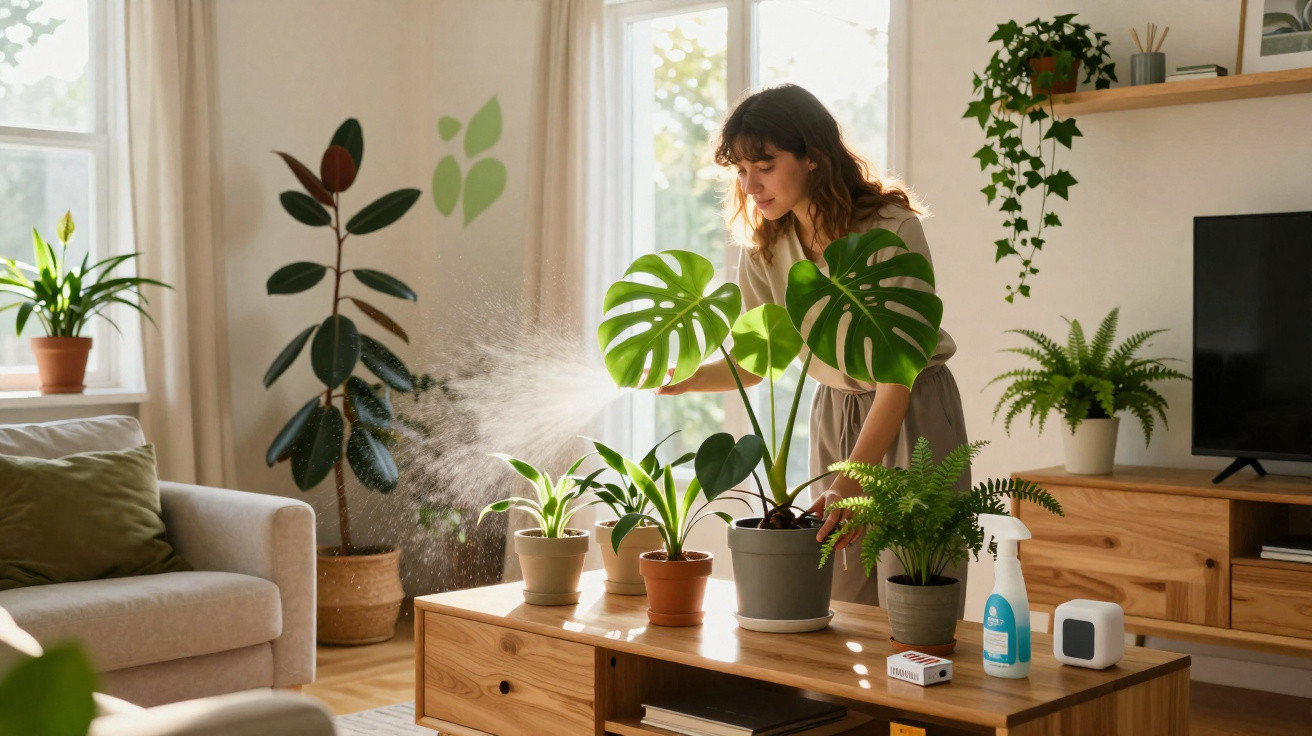
If you regularly come home feeling exhausted, unusually irritable or with a headache, you probably don’t immediately blame the air in your own living room. Yet paints, furniture, carpet adhesives, cleaning products and electronics can release gases and fine particles for years. That’s where a surprisingly straightforward helper comes in: certain houseplants that absorb unpleasant smells, irritating substances and even some of the radiation present indoors - as long as they’re positioned in the right place.
Why houseplants can do more than just look decorative
In many modern homes, indoor air can be more polluted than the air outside beside a busy road. Building materials, varnishes, plastics and electronics may emit substances such as formaldehyde, benzene and other solvents over long periods. Most people only notice when concentration drops, sleep worsens or the airways start to feel irritated.
Houseplants work around the clock: they filter pollutants, release moisture and calm the nervous system - with no electricity bill.
Through their metabolism, plants draw gases in through their leaves. Some of these are held within the foliage, while others are broken down via the roots and the microorganisms living in the compost. At the same time, plants transpire water, which raises humidity. That can ease pressure on mucous membranes, reduce tickly coughing and help prevent skin from drying out.
The top plants for tobacco smoke, solvents and furniture off-gassing
Benzene and tobacco smoke: these varieties can help
Many homes still contain old carpet glue, legacy varnishes and, of course, tobacco smoke. These can release benzene among other compounds - a substance that may intensify headaches, fatigue and irritation. A few tough, well-known potted favourites can make a real difference here:
- Ivy: Not only a wall-climber outdoors; in pots on a shelf it can capture airborne compounds from carpet adhesives and smoke.
- Snake plant (Sansevieria): Extremely resilient, copes with low light and performs particularly well in smoky rooms.
- Dragon tree (Dracaena): A strong choice for living rooms and home offices, filtering various solvents associated with paints and adhesives.
Place them where smoking happens or used to happen - for example, the living room or near upholstered furniture and carpets. In these spots, a green mix like this can noticeably reduce common complaints such as stinging eyes or dull headaches.
Formaldehyde from furniture: these indoor trees tackle it
Many cupboards, shelving units and textiles can off-gas formaldehyde for years. It is often found in chipboard, some lacquers and certain textile finishes, and it can irritate eyes and airways. Two houseplants are particularly noteworthy for this:
- Kentia palm: Its long fronds provide a large surface area for taking in gases and distributing them within the plant.
- Weeping fig (Ficus benjamina): A popular indoor tree that binds a range of indoor pollutants, including formaldehyde, and suits bright living spaces.
When assembling a new piece of furniture, it helps to place a palm or a ficus nearby straight away. Combined with regular rapid airing (opening windows wide for a short time), this creates a far more comfortable indoor climate - especially in the bedroom.
Dry air from heating: plants as natural humidifiers
Dry air can be particularly harsh in winter: a scratchy throat, tight-feeling skin and sore, irritated eyes. Traditional humidifiers can help, but they require maintenance and electricity. Some houseplants contribute to humidity as part of normal growth:
- Dieffenbachia: Large, moisture-rich leaves release plenty of water vapour and make dry rooms feel much more comfortable.
- Gerbera: Better known as a cut flower, but in a pot it can improve air quality too - especially on bright windowsills.
- Boston fern: Thrives in humid conditions and can make the air feel noticeably softer in smaller rooms.
As a rule, the larger and fleshier the leaves, the stronger the air exchange tends to be. This can also create a mild cooling effect, which is welcome in overheated rooms.
The right plant in the right place - making it work at home
Kitchen and bathroom: taking on fumes from cleaning products
Cleaning chemicals, greasy vapours and high humidity make these rooms especially demanding. Certain plants cope well here and bring extra benefits:
- Azalea: Handles humidity well and can help reduce irritating substances from floor and bathroom cleaners.
- Areca palm (golden cane palm): Prefers bright positions out of direct, harsh sun and can bind vapours from cleaning products.
- Flamingo flower (Anthurium): Its glossy leaves and colourful spathes add visual interest while acting as a small filter near cleaning cupboards.
Placed around the edges of kitchens or bathrooms, these plants form a kind of living buffer between people and the harsher fumes released by sprays and liquid cleaners.
Home office: a plant against radiation and office vapours
In a home office, different stressors build up: printing equipment, marker pens, adhesives and constantly running computers. They can generate airborne chemicals and electromagnetic fields. A small number of well-positioned plants can feel surprisingly effective.
Place a small cactus right next to the monitor - many people swear by its ability to absorb some of the radiation at close range.
Scientifically, this effect is difficult to measure, but the “computer cactus” has become a fixture in many offices. Either way, it can improve the microclimate around the desk. These plants are also useful additions:
- Red-leaved philodendron: Takes up solvents from pens, glues and paints effectively.
- Pothos (devil’s ivy): Undemanding, climbs up shelves and filters various pollutants from the air.
People who spread two to three larger plants around a study often report less tiredness, fewer dry-eye symptoms and a calmer overall feel to the room.
Broad-acting all-rounders for any home
When there’s only room for a few plants
Not everyone wants half a living room filled with greenery. For smaller flats or a minimalist approach, choose plants with a particularly wide range of effects:
- Peace lily (Spathiphyllum): Tolerates shadier corners, filters multiple compounds linked to paints, adhesives and smoke, and also adds humidity.
- Umbrella plant (Schefflera): Hardy, fast-growing and able to bind several groups of problematic substances at the same time.
Put a peace lily in the hallway or bedroom and an umbrella plant in the living room - even just two pots can make a noticeable difference to odours and the overall feel of the space.
The minimum number of plants to aim for
A rough rule of thumb is:
| Room size | Recommended number of medium-sized plants |
|---|---|
| Up to 15 m² | 2–3 pots |
| 15–25 m² | 3–5 pots |
| Over 25 m² | 5–8 pots |
A variety of different species often works better than lots of the same plant. A mixed selection covers a wider range of substances and also avoids a monotonous look.
Odours, radiation, indoor climate: how the key plant delivers results
The crucial spot in the home
The often-mentioned “miracle plant” said to bind negative energies, smells and some of the radiation works best where multiple influences meet - in the hub of the home. For many households, that’s the living room with a TV, router, games console, scented candles and upholstered furniture.
If you create a mix here - a cactus (right next to a screen or router), a peace lily (near the sofa or TV unit) and a humidifying plant such as a Boston fern or a snake plant - you effectively build a green filtration zone. This area acts as a buffer between technology, household chemicals and where the family actually spends time.
Practical tips for a stronger effect
- Don’t hide plants behind heavy curtains - they need airflow and a little light.
- Wipe dust off the leaves regularly, otherwise the filtering effect drops significantly.
- Avoid cheap compost heavy in peat and chemical additives; choose high-quality, preferably peat-reduced substrates.
- If you have pets, place toxic varieties such as dieffenbachia out of reach.
A few terms come up frequently in this context. Specialists often talk about “volatile organic compounds” when referring to gases released by paints, adhesives or plastics. Many houseplants are particularly good at breaking down exactly this group of substances. Combined with regular rapid airing and a more restrained use of harsh cleaners, most households can significantly reduce their day-to-day exposure.
If you’re furnishing a new place or renovating, it’s worth planning in the right green companions from the start. They’re inexpensive, silent, add colour to dull corners - and can make the gap between “fine” and genuinely pleasant indoor air bigger than you might expect.





Comments
No comments yet. Be the first to comment!
Leave a Comment