
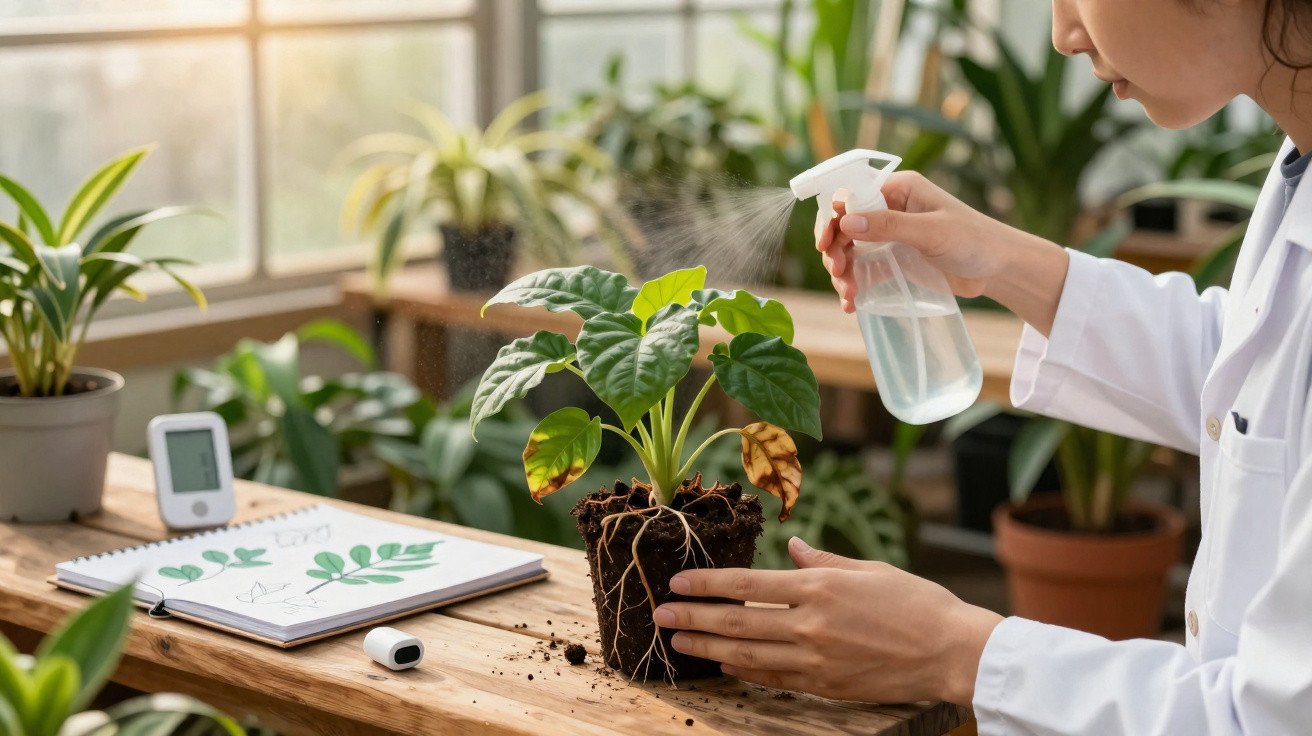
The basil on the windowsill ought to have been thriving. It had south-facing light, was watered regularly and occupied a prized spot beside the coffee machine. Still, one morning, its leaves were speckled with tiny brown marks and their edges had curled slightly, as though the plant had been awake all night. Meanwhile, the rosemary beside it seemed more robust than ever after a week without watering and an unexpected draught from the open window. Same kitchen, same grower, but entirely different responses to pressure.
Watching them makes one thing clear: plants are always responding to pressures we cannot see.
Certain types of stress build resilience. Others gradually wear a plant down.
When stress turns plants into quiet survivors
Walk across a dry Mediterranean hillside in summer and the plants seem almost to be bracing themselves. Olive trees carry silvery foliage, lavender hugs the ground and thyme grips the cracks between rocks. They are not luxuriant in the glossy-magazine sense. Instead, they appear lean and focused, like runners approaching the final kilometres of a marathon.
It is a picture of beneficial stress: not comfort or effortless growth, but manageable challenge.
Researchers call this useful middle ground “eustress”: beneficial stress that encourages plants to activate their survival systems. A tomato plant lightly brushed each day by a gardener’s hand or a gentle fan develops shorter, sturdier stems. Its tissues become tougher, it directs more energy towards its roots and it is better prepared for wind when moved outdoors.
Grapevines exposed to a little water shortage commonly produce smaller berries with more aroma. Growers understand this and deliberately limit irrigation enough to prompt the plant’s defence chemistry, without pushing it into distress.
Internally, the process resembles training. Gentle drought, mildly cool nights, a little wind or competition for nutrients all send alert signals through plant cells. In response, genes are activated to increase antioxidants, intensify pigments, thicken cuticles and improve root architecture.
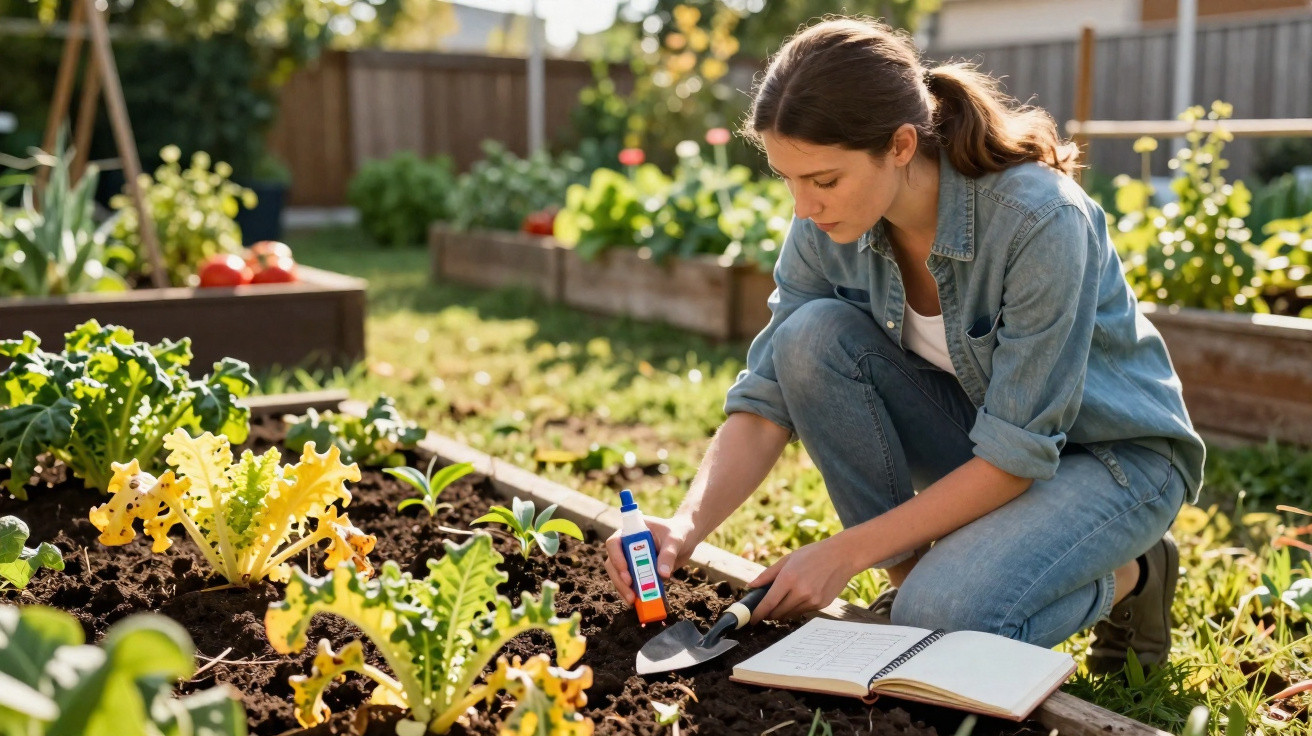
This “gym mode” does place the plant under pressure, but it ultimately gives it greater endurance. Beneficial stress is generally moderate, brief and followed by recovery. Damaging stress is the opposite: it is excessive, prolonged and uninterrupted. Leaves then turn yellow, growth slows and the plant quietly begins using up its own resources.
When plant stress quietly crosses the line
Anyone who keeps houseplants has probably done this unintentionally. A new fiddle-leaf fig comes home from the shop, glossy, tall and promising. You repot it in fresh compost, place it in a dim corner, water it generously and then overlook it for a week. When you finally check on it, the leaves are falling like weary flags. That is no longer conditioning; it is shock.
Plants can cope with a single change. Five simultaneous changes can overwhelm them.
Consider a heatwave on a balcony. On the first day, plants wilt at midday and revive overnight. By the second day, they may look more compact, with slightly firmer leaves. After four days with too little water, however, the compost has formed a hard crust, the roots are struggling for air and the plant begins to abandon its oldest leaves. Gardeners often observe those early days and think, “They’re adapting, they look stronger.”
Then an unseen threshold is crossed. The plant closes its stomata to conserve water, photosynthesis declines and growth comes to a halt. Damage accumulates inside the leaves like countless tiny burns. What initially made the plant tougher now drains its reserves because it has no chance to recover.
In biological terms, healthy and harmful stress differ in a remarkably straightforward way. Beneficial stress resembles exercise: it is temporary, followed by rest and supported by adequate resources for repair. Harmful stress is more like working three night shifts in succession on an empty stomach. Hormones including abscisic acid surge through the plant, alarm systems activate and, if conditions continue, the plant quietly begins breaking itself down in order to survive.
Realistically, no one notices every subtle signal from their leaves each day. But these signs are often the only early indication that a plant is moving from survival training towards gradual decline.
How to give your plants “good stress” without breaking them
The safest approach is straightforward: alter one condition at a time, and make each adjustment gradually. Repotting a plant? Keep its light and watering pattern unchanged for a fortnight. Moving it towards brighter sun? Bring it a little nearer each day rather than making one dramatic move. This slow progression allows the plant to activate its eustress genes without entering full emergency mode.
A useful gentle guideline is this: when a change is noticeable to you, split it into at least three smaller stages.
Watering is where many people move sharply from one extreme to another. We wait until a plant is drooping theatrically, soak it with guilt-driven water and then feel rather pleased with ourselves. Within minutes, the plant has gone from drought to flooding. Such emotional watering produces harmful stress cycles, particularly for roots, which require oxygen as much as they need moisture.
A more effective pattern is “slight thirst, then a full drink, then peace.” Compost should dry somewhat, but never turn to dust. The pot should drain completely instead of standing in a swampy saucer. Healthy stress feels like “almost uncomfortable,” not “I might not make it till tomorrow.”
The plain truth: plants don’t need a drama to thrive, they need consistent, small challenges with room to breathe in between.
- Check leaf edges
Crisp tips often indicate ongoing stress caused by salts, heat or underwatering. Soft, yellowing edges, meanwhile, can point to overwatering or roots being deprived of oxygen. - Adjust light in very small amounts
Move shade-loving plants 30 minutes closer to sunlight each week, rather than placing them straight into intense afternoon sun and hoping they will become tougher. - Use “stress windows” deliberately
A short mild dry period before harvest can intensify flavours in tomatoes, chilli peppers and herbs, but it should always be followed by thorough, consistent watering.
The quiet art of listening to stressed plants
Once you begin paying attention, it becomes clear that plants are almost never in complete comfort. Urban balconies radiate reflected heat, office corners have stale air and gardens are compressed between walls and paving. These places are stages for daily improvisation, where roots and leaves continually negotiate their surroundings. Not all of this pressure is harmful. Some of it produces stronger stems, thicker foliage, richer colour and fuller flavour.
The subtle part is how you respond. Do you intervene at the first sign of drooping, or wait a little to discover whether the plant recovers by itself?
There is a quiet pleasure in recognising the difference between a leaf that has reached its limit and one that is merely adapting. Between the pepper plant that requires shade cloth and the one that only needs a cooler night. When stress becomes a spectrum rather than a red alert, gardening starts to feel more like listening than correcting.
You may end up intervening less often, but with greater accuracy. You can accept a few freckles on a basil leaf when they bring deeper aroma, while no longer accepting the chronic, hidden stress that slowly empties a plant from within.
Each balcony, office and patch of soil is a living experiment in finding that balance. Give plants too much protection and they remain soft, demanding and unable to cope with a hot week in August. Give them too little, and you may be left with exhausted, half-living stems that never fully recover.
Somewhere between these extremes is a garden - or one potted fern - thriving quietly with enough stress to remain alert and enough comfort to stay generous.
| Key point | Detail | Value for the reader |
|---|---|---|
| Recognise healthy stress | Mild, short-lived challenges such as brief drought or gradual changes in light | Helps you use stress to improve flavour, colour and resilience |
| Spot harmful stress early | Persistent wilting, leaf drop, stalled growth and repeated shock events | Allows you to act before plants begin losing irreversible reserves |
| Change conditions slowly | Adjust one factor at a time, in small stages, with recovery periods | Minimises plant shock and keeps stress in the “training” zone |
FAQ:
Question 1
How do I know if my plant is getting “good” stress or being damaged?
Watch for recovery. A plant that droops slightly during the hottest part of the day, then perks up overnight and continues producing new leaves, is usually experiencing healthy stress. If wilting continues, older leaves turn yellow or fall, or new growth stops, the stress has probably become harmful.Question 2
Can skipping water sometimes really make plants stronger?
Yes, within limits. Letting the top layer of compost dry between waterings promotes deeper roots and stronger drought tolerance. Repeatedly allowing the whole root ball to become dust pushes the plant into survival mode and causes ongoing damage.Question 3
Is direct sun always harmful stress for indoor plants?
Not necessarily. Many houseplants can adjust to brighter conditions when exposure is increased gradually over days or weeks. Abrupt exposure to full midday sun often causes scorching, a sign of harmful stress and cell damage, particularly on thin leaves grown in shade.Question 4
Does repotting always stress a plant?
Yes, repotting is naturally stressful because it disturbs roots and changes the plant’s environment. The important thing is to limit additional stress: maintain similar light, avoid fertiliser for a couple of weeks and keep moisture even while fresh roots establish.Question 5
Can I use stress to improve flavour in herbs and vegetables?
Definitely. Mild, controlled water stress before harvest can concentrate flavour in tomatoes, peppers and many herbs. The key is to use short, planned “stress windows” followed by proper watering, rather than extended periods of neglect.

Comments
No comments yet. Be the first to comment!
Leave a Comment