
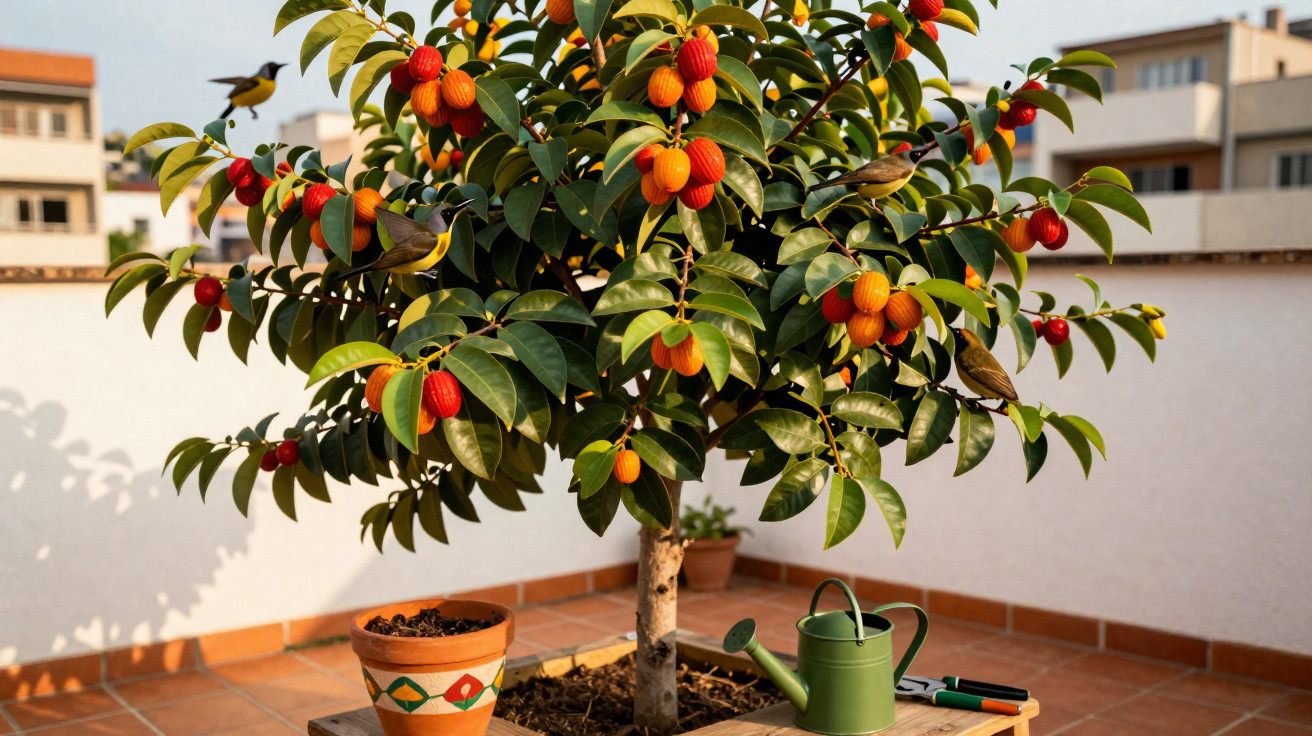
In cities across Brazil and along its coastal suburbs, a small, cherry-like fruit is reshaping the everyday soundtrack of outdoor spaces. As it ripens, birds converge on the branches for food, cover and a place to pause-bringing more calls and fluttering activity to gardens, balconies and inner courtyards.
The unassuming tropical tree behind the noise
At the centre of this seasonal bustle is the pitanga tree, better known in English as the Surinam cherry (Eugenia uniflora). Indigenous to South America and a familiar feature in Brazilian planting schemes, it can appear understated at first: glossy green foliage, a rounded crown, fine white spring blossoms, then ridged fruits that turn red or purple through summer.
Once the weather warms, however, this small fruit tree becomes a one-stop hub for urban wildlife. It offers birds something to eat, cover from threats and a dependable framework for resting between short flights over ever more built-up neighbourhoods.
The pitanga tree combines food, shade and safety in one place, which makes it one of the most attractive summer stops for garden birds in warm climates.
For gardeners in tropical and subtropical areas-particularly in Brazil, and also in comparable climates elsewhere-the pitanga is increasingly seen as an easy, practical way to draw biodiversity closer to home.
Why birds love the pitanga in summer
The pitanga’s pull isn’t down to a single trait. Rather, it’s the combination of features that aligns closely with what fruit-eating birds need during the hottest part of the year.
Easy-to-eat fruit at the right time
Pitanga fruits are small, tender and very juicy. That suits birds that favour fruit over seed. The sweet flesh provides fast energy, and the moisture content supports them in high temperatures.
- In many areas, the main fruiting period coincides with summer.
- The fruits sit beyond the leaves, making them easy to see and accessible from different angles.
- When ripe, they often come in clusters, allowing quick feeding before birds move on.
For a thrush or a tanager, this translates to high reward for little effort. The vivid red or deep purple fruits are visible from afar; birds can swoop in, feed, then shift to a higher perch or a neighbouring tree within seconds.
A living shelter, not just a fruit stand
The thick canopy is functional as well as decorative. It forms distinct micro-areas that birds use for different purposes:
- Outer branches: brief landings to snatch fruit.
- Inner canopy: tucked-away perches for resting and preening.
- Shaded pockets: cooler air on intense afternoons.
The tree also attracts insects drawn to its flowers, leaves and fallen fruit. That provides an additional food source for insect-eating birds-particularly helpful when adults are feeding chicks and require protein-rich prey.
Food from fruits, protein from insects and layered branches for hiding make the pitanga a multifunctional habitat, not a simple ornamental tree.
The usual avian visitors
Brazilian gardeners often report that once a pitanga tree is established and fruiting reliably, the pattern of bird activity shifts noticeably. Early hours become busier, with more calls, rapid hops between branches and sudden flurries when multiple species arrive at once.
Common visitors in Brazilian gardens include:
- Rufous-bellied thrush (orange-bellied thrush)
- Blue-grey tanager
- Great kiskadee
- Silver-beaked tanager or green-headed tanager, depending on the region
- Brazilian tanager in places where it still occurs
- Bananaquit
In leafier neighbourhoods, or on properties near remnants of native woodland, further species may appear-including more timid birds that seldom approach buildings. With fruit acting as a shared resource, short skirmishes can also break out as bolder birds guard the most exposed, easy-access branches.
How the pitanga fits small gardens and city balconies
A key reason for the pitanga’s popularity is how adaptable it is. With pruning and placement, it can be maintained as a shrub, grown as a small tree, or kept in a pot.
| Growing situation | Typical height | Who it suits best |
|---|---|---|
| In the ground, small garden | 3–4 m, often kept lower by pruning | Townhouses, suburban homes |
| In the ground, larger plot | Up to about 6 m if left unchecked | Country homes, small farms |
| Large container on balcony | 1.5–2.5 m, compact habit | Apartments with strong sunlight |
When grown in containers, restricted root space naturally limits size. Pruning after the fruiting period helps keep a rounded form and stimulates fresh shoots, which in turn supports better flowering in the following season.
Basic care: from sapling to fruiting magnet
Light and heat
Pitanga grows best in full sun, though it will also manage in light partial shade. The more direct light it gets, the more abundant the blossom and fruit typically are. In shaded courtyards it can still look appealing, but fruit production is usually reduced.
Watering routine
In summer-particularly in hotter areas-the tree performs well with consistent moisture:
- Water two to three times per week, depending on rainfall.
- Allow the top layer of soil to dry slightly between waterings.
- Prevent waterlogging, especially in pots, as standing water can harm roots.
During heatwaves, compost in containers can dry out rapidly. Many gardeners use a simple test: if the top few centimetres feel very dry, it’s time to water again.
Soil and feeding
This species prefers soil that is fertile yet free-draining. A useful blend includes garden soil, coarse sand or fine gravel to improve drainage, plus organic matter such as composted manure or leaf mould. Applying a slow-release organic feed once or twice per year is usually enough to keep growth steady.
Pruning and shaping
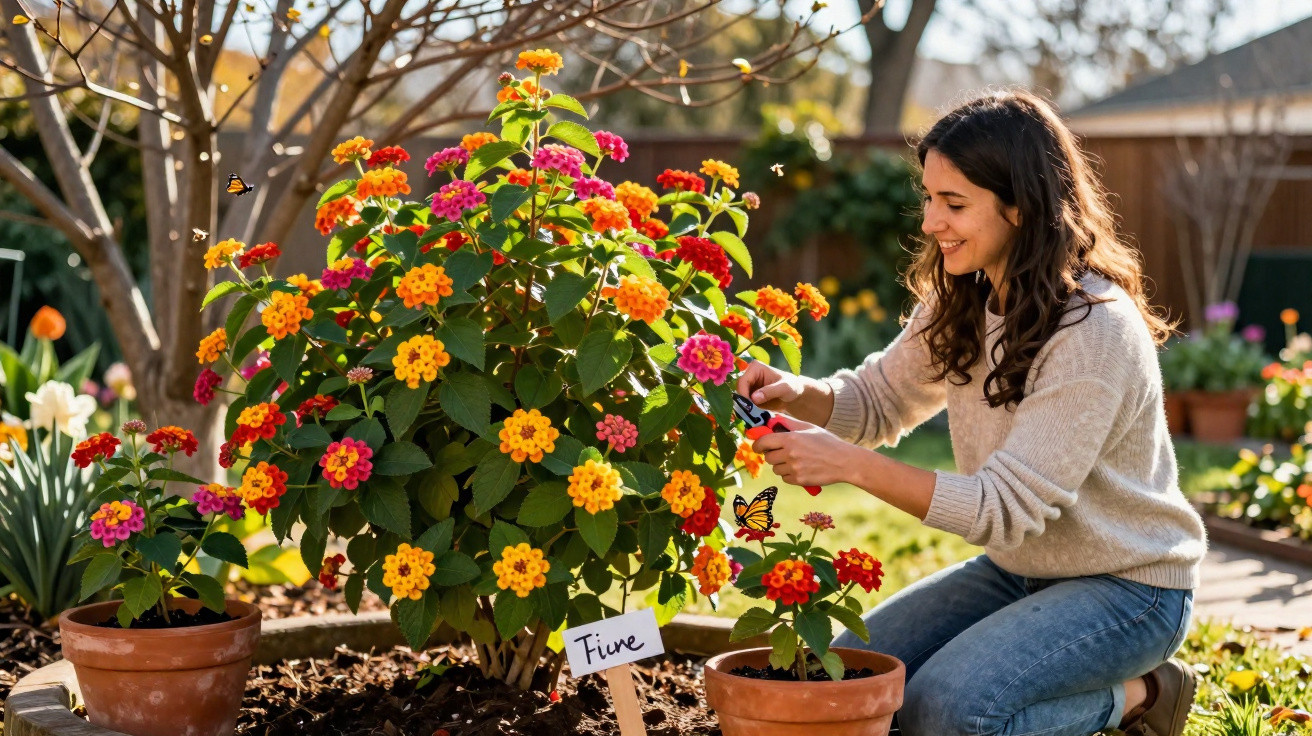
Heavy pruning isn’t required, which makes the pitanga beginner-friendly. A light trim after fruiting is typically sufficient to neaten the outline, remove rubbing branches and slightly open the crown for better airflow and light penetration. This helps limit fungal issues and encourages more even fruiting the next year.
How long until the first fruits?
Grafted plants-commonly sold by nurseries in Brazil-may start producing in roughly two to three years after planting when conditions are good. Trees raised from seed generally take longer, often around four to six years, depending on climate and care. For those keen to harvest sooner, checking the plant label at purchase can be worthwhile.
Grafted pitanga trees commonly fruit within a few summers, turning a quiet corner of the garden into a feeding station much faster than seed-grown plants.
From private garden to urban biodiversity corridor
Beyond their value as patio plants, pitanga trees can play a small ecological role in dense neighbourhoods. Each fruiting tree can act as a stepping stone between parks, empty plots and riverbanks. Birds travel from one feeding spot to another, dispersing seeds in their droppings and helping other patches of greenery regenerate.
In cities facing rising temperatures and shrinking habitat, trees such as pitanga provide modest but real networks of shade and food. Even a line planted along a block boundary, for instance, can support an unexpectedly wide range of species within a single season.
Extra benefits for households and communities
The surge in bird visits is only one advantage. Households also gain fruit that can be eaten fresh or used for juice, jam and homemade liqueurs. For children in particular, watching birds feed, hearing dawn calls and tasting fruit from the same branches can strengthen day-to-day connections with nature.
Community schemes also plant pitanga as a way to bring people together. Shared gardens in schools or local squares may include pitanga among other native fruit trees to draw in wildlife and create outdoor learning areas.
Points to keep in mind before planting
If you’re considering adding a pitanga tree, a few practical points are worth noting:
- Fruit drop: ripe fruits fall readily and may stain paving if planted close to driveways.
- Seed spread: birds can carry seeds into nearby spaces, so it matters to choose native or locally suited varieties.
- Allergies: some people react to certain myrtle-family plants; wearing gloves when handling leaves and pruning waste can help.
- Local climate: it performs best in tropical and subtropical zones; areas prone to frost may require protection or container growing.
In warmer coastal cities, a pitanga planted this year can start altering the morning soundscape within only a few summers. Paired with other fruiting plants such as guava, Brazilian grape tree or native berries, it helps create a layered garden that stays lively from early spring through to late summer.
For anyone aiming to build a small “bird corridor” on a balcony or terrace, combining one potted pitanga with native flowering plants, a shallow water dish and minimal night lighting can turn a quiet space into a seasonal viewing point, where each visiting thrush or tanager becomes part of the daily rhythm.



Comments
No comments yet. Be the first to comment!
Leave a Comment