

At first sight, every pot appeared identical: a weary line of tomato plants on a balcony in late August, with yellowing leaves, drooping stems and soil as dry as spent coffee grounds. The frantic summer period had passed, harvest baskets were brimming, and attention had already turned to seed catalogues for “next year’s garden.” Most people would have taken these plants straight to the bin without another thought.
Yet, over the following three weeks, a quiet and almost imperceptible process was under way. Fine root tips were reaching further down. Stems were becoming sturdier. One final flush of photosynthesis was storing energy where no one could see it.
The season’s showy display was over.
Its true reset was only beginning.
The season does not finish when flowers fade
Ask a home gardener when their season “ends”, and they will often mention the first frost, the final tomato or the day the dahlias fall over. As soon as visible growth slows, we tend to mentally sign off. Our attention moves to planning ahead, or simply to other areas of life.
Plants do not stop in this way. In the weeks following flowering or fruiting, they enter an unseen period of recovery: roots mend themselves, carbohydrates are stored and tissues recover from heat, pests and pruning. This frequently ignored interval has a quiet but major influence on whether next year’s growth is strong or weak.
You will not see it on Instagram. Your plants still experience it.
Picture a typical suburban front garden, with dependable hydrangeas growing beneath the window. One year, they produce enormous blue pom-pom blooms. Neighbours pause to admire them, and people take out their phones for photographs. The homeowner waters regularly, feeds the plants in spring and prunes them lightly.
Then autumn comes. The leaves sag and the flowers turn brown. Days shorten and life becomes busy. The hose is put away too soon, fallen petals are allowed to decay against the stems, and the soil dries between cold spells. By the following spring, those same hydrangeas emerge looking fragile. They have fewer buds, smaller flowers and, in some cases, branches dead all the way to the base.
There was nothing “mysterious” about it. Their recovery season had simply been abandoned.
From a botanical perspective, this subdued stage is both harsh and essential. After extensive flowering or fruiting, plants have depleted reserves, much like a marathon runner who has just crossed the finish line. Sugar levels within their tissues fall, drought or compaction damages tiny root hairs, and cell walls are left with microscopic injuries. This is the period in which they repair themselves.
They build up storage starches in their roots and crowns. They produce finer roots ready to take up spring nutrients. Perennials even revise their internal “bud programming”, determining how many flower buds they can support the following year. When stresses accumulate at this point - dry soil, abrupt pruning or nutrient shock - plants enter winter like someone facing surgery while already exhausted.
Next season’s “wow” is decided in this brief, quiet interval.
How to help plants through the invisible recovery window
The most effective step comes just as everyone else stops caring: continue looking after plants for two to four weeks after their “big show” has ended. This does not mean applying more fertiliser, but offering gentle support. Think spa rather than boot camp.
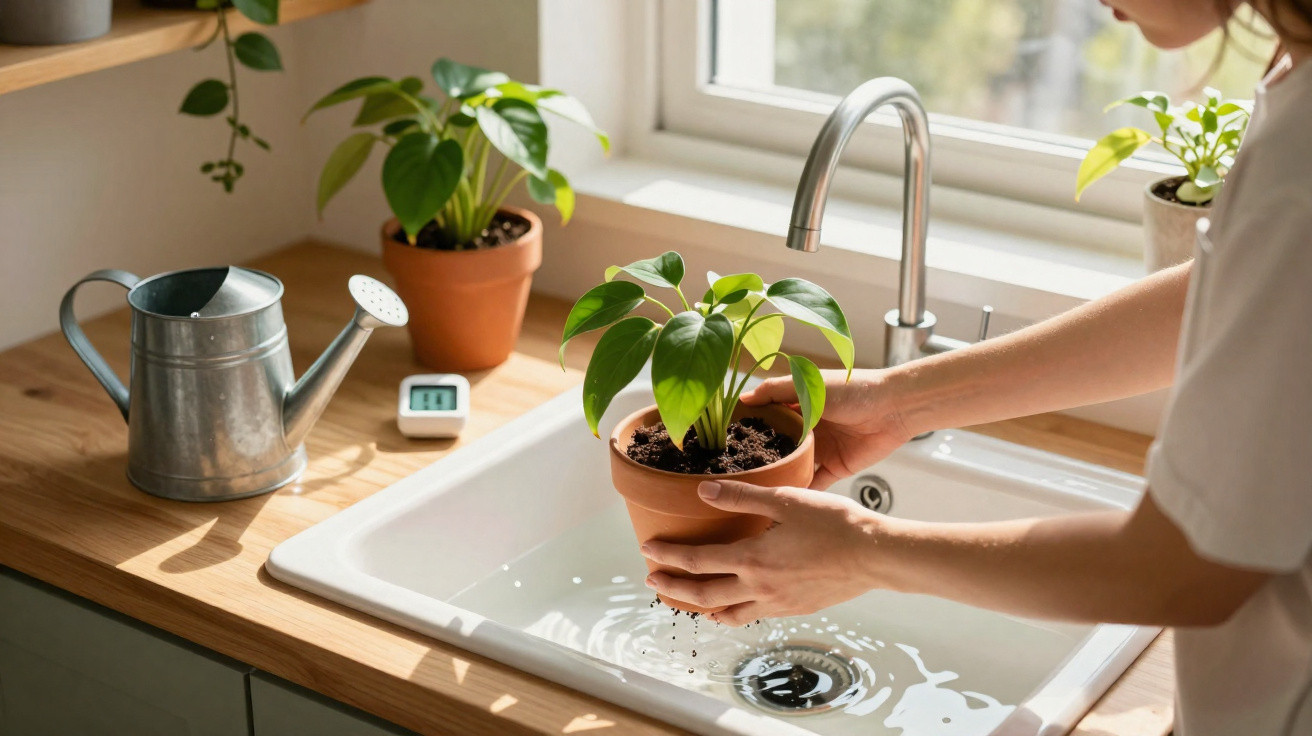
Start by watering thoroughly but less frequently, particularly for perennials, shrubs and balcony plants in containers. Moisture needs to reach the deeper root zone where recovery takes place, rather than merely dampening the surface. Next, spread a light layer of compost or leaf mould around the base. This acts as a soft cover while gradually nourishing the soil organisms carrying out the repair work.
After that, pause. Allow the plant time to breathe and reorganise.
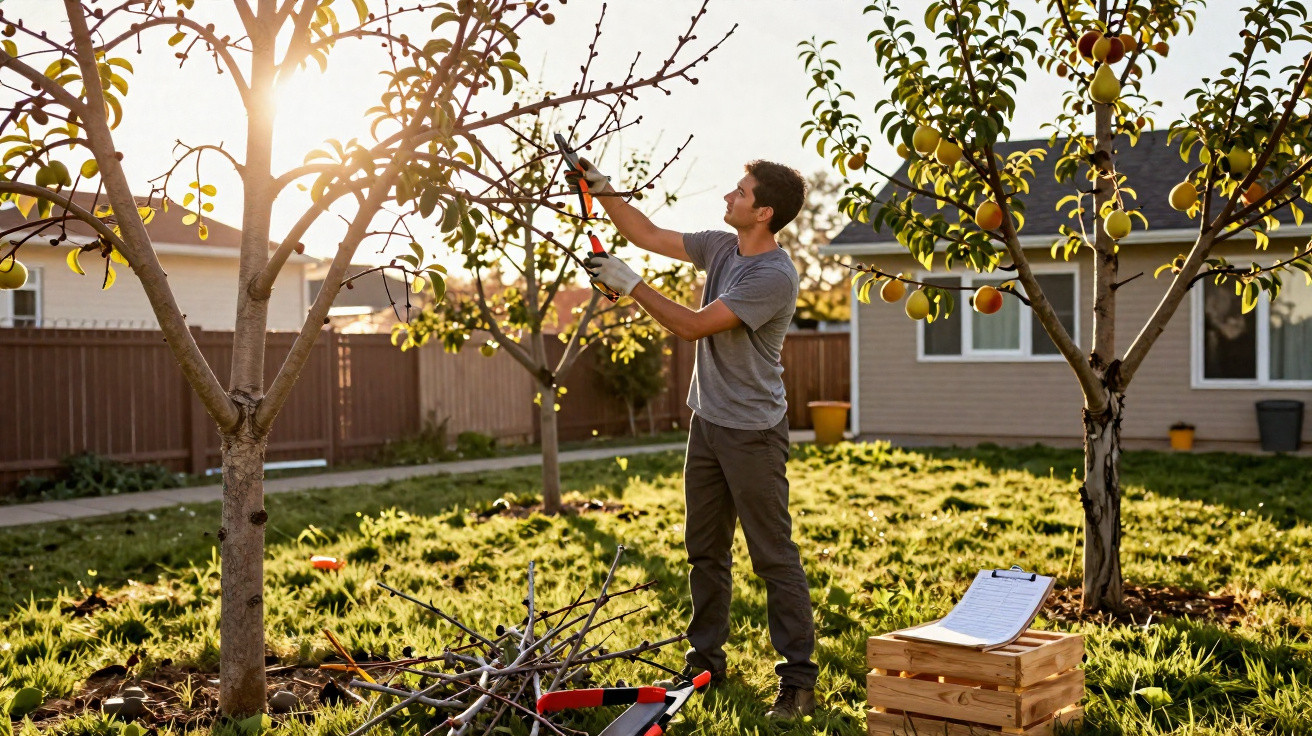
This is also when it pays to resist the urge to make everything tidy. Many of us reach for the secateurs as soon as flowers fade, cutting stems down hard and removing every brown leaf. It feels efficient, neat and like “good gardening.” However, fading leaves and stems are still active: they continue photosynthesising and sending sugars down into the root system.
Pruning too severely and too soon takes away the plant’s final energy payment of the year. A better approach is to remove only parts that are plainly dead, diseased or broken at first. Keep healthy foliage in place until it yellows naturally or frost arrives. If possible, leave seed heads for a while, providing food for birds as the plant quietly balances its accounts.
Let’s be honest: hardly anyone manages this every day. Even so, a modest change in timing can alter next year’s outcome.
We’ve all been there, that moment when you stand over a wilted plant in spring, blaming the winter, when in truth it was the forgotten weeks after last summer that sealed its fate.
- Continue watering after the display
A single thorough watering each week for 2–3 weeks after flowering helps roots repair themselves and build energy reserves. - Nourish the soil rather than the leaves
A light layer of compost or well-rotted manure supports the microbes that restore fine roots. - Postpone severe cutting back
Initially remove only material that is clearly dead, and reserve major pruning for the plant’s genuine dormant period. - Shield the root zone
Mulch lightly with leaves or straw to soften temperature fluctuations while recovery is under way. - Watch rather than hurry
Spend five minutes simply observing: fresh root growth, slight strengthening of stems and shifts in colour. These signs indicate when the plant is ready to rest.
Rethinking the rhythm of the growing year
Once you begin to recognise this recovery stage, it subtly changes the gardening calendar in your mind. The “season” no longer seems like a rapid climb towards peak flowering followed by an abrupt finish. Instead, it becomes a gentler sequence: build-up, explosion, recovery and rest. You realise that your role is not only to encourage plants to perform, but also to guide them back from that effort.
You may water a little less during high summer and slightly more through the first cool weeks afterwards. You may move major pruning sessions away from the months chosen through habit and towards times when the plant has truly completed its recovery phase. You may even come to accept some untidiness - brown petals, ragged seed heads and a few yellowing leaves - as evidence that the system is quietly completing its work.
The plant you’ll live with next year is already forming in the one you’re tempted to ignore today.
| Key point | Detail | Value for the reader |
|---|---|---|
| Post-flowering recovery shapes the following season | Energy storage, root repair and bud formation take place after flowering and harvesting | Explains why plants can “suddenly” decline or flourish from one year to the next |
| Gentle care is better than late-season neglect | Deep watering, light compost and delayed pruning support this unseen stage | Provides practical actions that improve flowers and yields without additional products |
| Change the mental calendar | Viewing the year as growth–peak–recovery–rest reshapes everyday habits | Supports more resilient gardens and reduces frustrating plant losses |
FAQ:
Question 1 How long does the plant recovery phase usually last?
For most perennials and shrubs, allow approximately 2–4 weeks after flowering or the final harvest. Bulbs may need 4–6 weeks of green foliage, while annuals compress their recovery and decline into a shorter period at the end of the season.Question 2 Should I fertilise during this recovery period?
Use very little, or avoid synthetic fertilisers altogether. Choose mild, slow-release nourishment such as compost or diluted organic feeds. The aim is to aid root repair, not to produce a surge of soft new growth immediately before rest.Question 3 Is this phase relevant for indoor houseplants too?
Yes, particularly after heavy flowering or a major burst of growth during bright months. Once that peak has passed, reduce repotting and severe pruning, keep watering consistent and give the plant 2–3 weeks of calm conditions.Question 4 What’s the biggest mistake people make at this stage?
Cutting back far too much, far too early. Removing most green growth at once deprives the plant of its final opportunity to replenish energy reserves, often resulting in weak regrowth or even winter die-back.Question 5 How can I tell if my plant used its recovery phase well?
Assess the early growth of the next season. Strong, evenly spaced shoots, healthy bud development and fewer dead stems generally show that the plant entered winter with good reserves following a calm, supported recovery period.



Comments
No comments yet. Be the first to comment!
Leave a Comment