
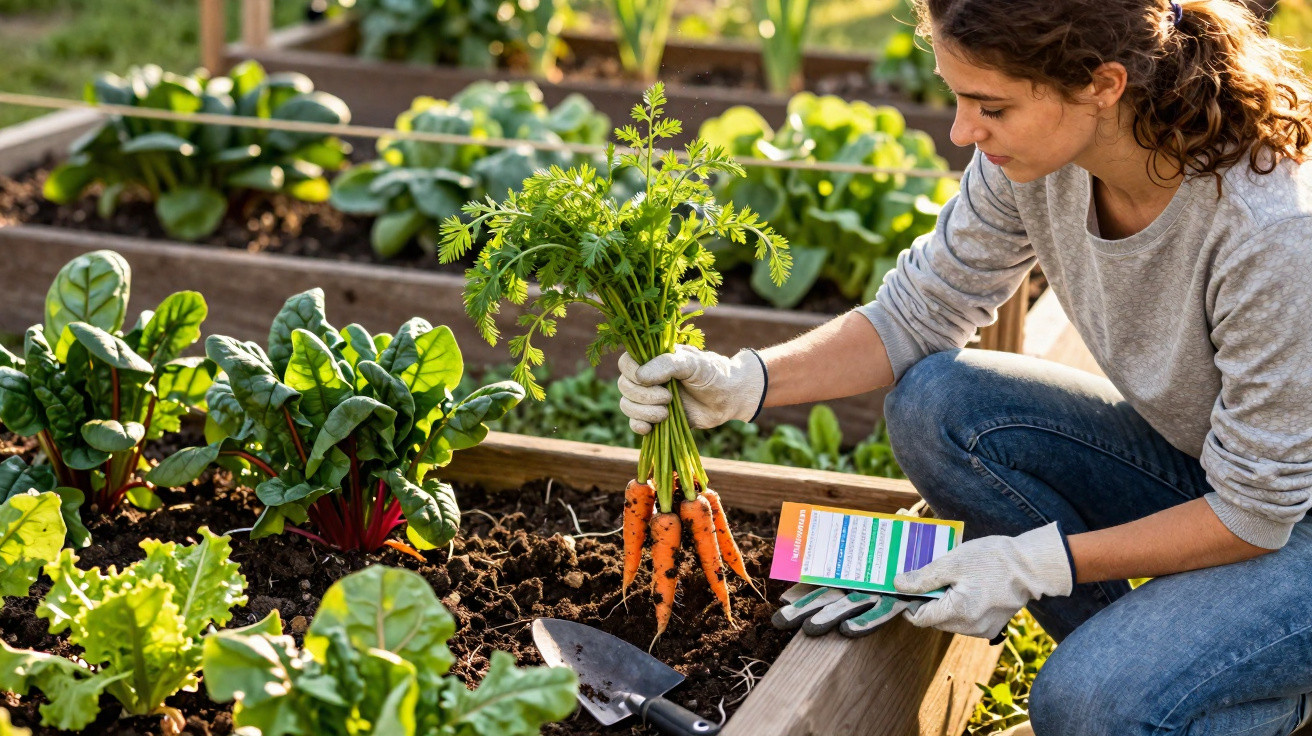
Before planting begins in spring, plenty of gardeners have the same unspoken concern.
Could the soil beneath your beans hold a history that is invisible to you? From lead to PFAS, plots in towns and suburbs can carry a concealed legacy. The reassuring part is that sensible crop selection and a few straightforward routines can reduce the risk without taking away the pleasure of growing your own food.
Where contamination begins
In most gardens, contamination is not caused by the current gardener. It is usually inherited from past use. Possible sources include old lead-containing paint, traffic emissions from before 1999, coal ash spread as fill, creosote sleepers near railway lines, arsenical treatments used in former orchards, and mine waste deposited on floodplains. Newer materials can introduce further concerns: green-waste compost from uncertain sources, imported topsoil and certain sewage-based fertilisers may contain PFAS or metals.
Soil rarely looks “dirty” when it’s contaminated. You need location clues, a simple risk map, and, when in doubt, a test.
Toxins that remain in UK garden soil
Pollutants do not all act in the same way. Understanding which stay bound to the soil and which can enter crops makes it easier to choose safer vegetables and growing methods.
- Lead (Pb): binds to soil particles, particularly within the upper few centimetres. It commonly remains on root surfaces and leaf exteriors, while direct movement into fruit is limited.
- Cadmium (Cd): travels through plants more readily than lead. Leafy vegetables can absorb it easily, especially where soil is acidic and low in organic matter.
- Arsenic (As): occurs in old orchard ground and some coal ash. Absorption differs between plants, but roots and leafy vegetables tend to show the greatest uptake.
- PAHs (soot-like compounds): are deposited by traffic and burning. They adhere to leaf surfaces more readily than they move into plant tissue.
- PFAS (“forever chemicals”): can be taken up by certain greens; the pattern depends on the individual compound and the water conditions in the soil.
Vegetables with the greatest uptake
Plant structure makes a difference. Leaves and roots are exposed to splashing soil and dust, whereas fruiting crops hold their edible parts above the ground and transfer fewer metals into them.
| Crop category | Higher-risk contaminants | Typical behaviour | Practical tip |
|---|---|---|---|
| Leafy greens (spinach, lettuce, chard, kale) | Cadmium, PFAS; lead/PAHs on surfaces | Strong uptake potential; their large surface area catches dust | Use raised beds filled with clean soil; wash leaves thoroughly |
| Root veg (carrots, beetroot, radish, turnips) | Lead on skins, arsenic, cadmium in outer layers | Contamination gathers in the peel and fine root hairs | Peel generously; scrub under running water; mulch to limit splash |
| Alliums (onions, leeks, garlic) | Lower overall metals uptake | Bulbs build up less than greens and roots | Peel away the outer layers; plant away from old walls |
| Fruiting veg (tomatoes, peas, beans, peppers, aubergines, cucumbers) | Generally lower uptake of metals and PAHs | Edible portions develop off the ground; internal transfer is limited | A strong first option for questionable plots |
| Brassicas (cabbage, broccoli, mustard greens) | Cadmium; leafy types at risk | Certain species draw up metals strongly, so they are used in clean-up projects | Use clean beds for crops grown for leaves; discard outer leaves |
Leafy greens and roots carry the highest plant-uptake risk. Fruiting crops usually sit at the safer end.
How soil chemistry affects risk
Soil pH is a key factor. In acidic ground, below roughly 6.5, metals become more available and plants can absorb more of them. Organic matter helps hold metals in place by binding soil particles. Phosphate may bind lead, while biochar and compost provide additional surfaces for binding. Mulch and watering practices that keep dust down also reduce soil splash, preventing particles from settling on leaves and vegetable skins.
Quick changes to make this weekend
- Spread 2–5 cm of compost from a reliable source each season to increase organic matter.
- Where your intended crops permit it, lime acidic soil towards neutral.
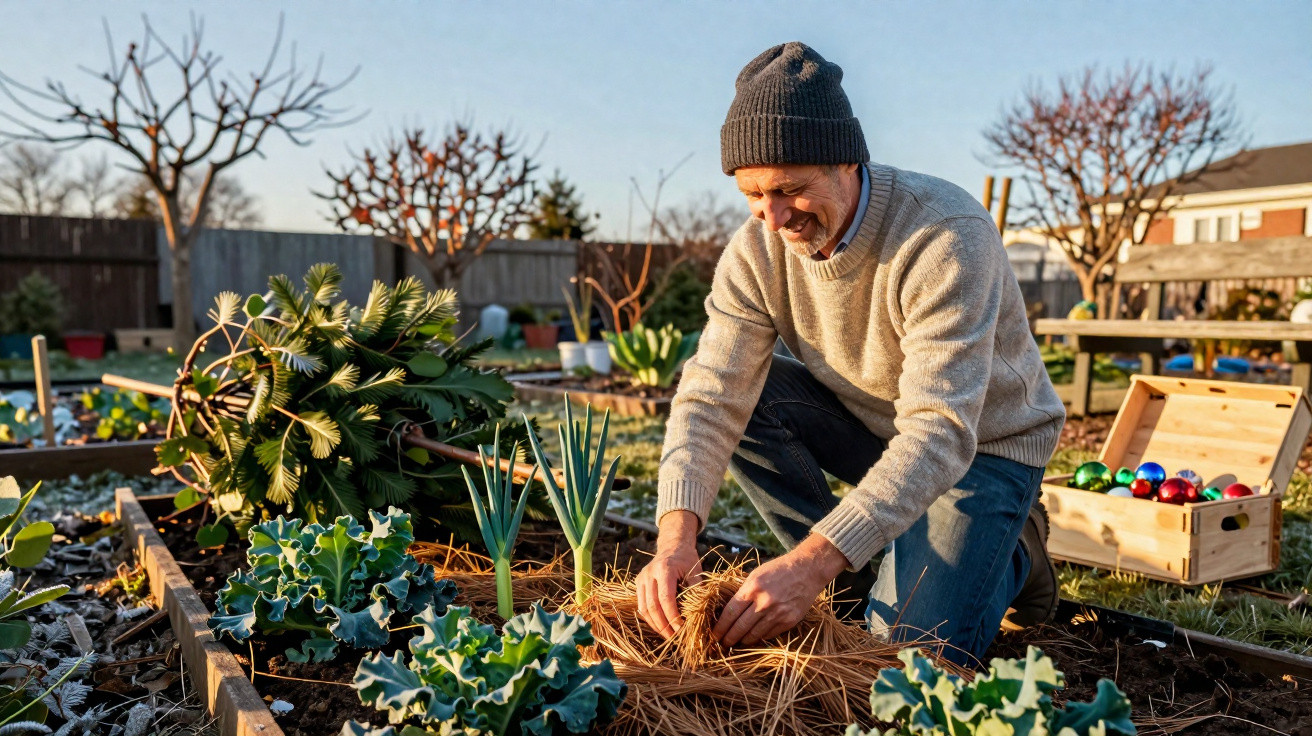
- Maintain a 5–8 cm mulch layer beneath vegetables to reduce rain splash.
- Water at soil level rather than from above, so dust is not washed onto foliage.
A straightforward risk map for home plots
Contamination is rarely spread evenly through a garden. Spotting likely hotspots lets you alter how each area is used.
- Old house footings and drip lines: fragments of historic exterior paint can increase lead levels near walls.
- Along busy roads before 1999: lead from historic petrol can still remain in verge soil.
- Old ash piles, cinder paths or bonfire spots: these may contain arsenic and PAHs.
- Allotments close to railway lines or depots: possible sources include creosote-treated timbers and diesel soot.
- River plots affected by flooding in mining areas: metals may have settled in the topsoil.
Put high-risk crops in clean raised beds, and use lower-uptake crops in older ground. Simple zoning pays off.
What to grow when UK garden soil concerns you
There is no need to stop growing food. While you arrange testing and improve the soil, adjust the balance of crops you plant.
- Focus on fruiting veg, including tomatoes, beans, peas, courgettes, cucumbers and peppers.
- Choose herbs such as rosemary, thyme, sage and basil. Wash them thoroughly before enjoying them.
- Grow alliums including onions, spring onions and garlic, and peel them before eating.
- Raise salad leaves only in purchased topsoil or good-quality compost, either in containers or raised beds.
Sensible hygiene in the veg patch
A large share of exposure comes from soil and dust on hands or produce, rather than from metals absorbed internally by the plant.
- Wash produce under running water and peel root veg generously.
- Strip off the outside leaves of lettuces and cabbages, then wash the remainder.
- Leave footwear outdoors, and wash hands after gardening and before meals.
- Keep toddlers away from suspect soil, providing a clean sandpit instead.
Raised beds and clean beginnings
Raised beds with a membrane beneath and clean, tested topsoil can provide a direct route to safer salads. Put geotextile across the base, fill the bed with reputable compost and topsoil mixes, then mulch the surface. Do not use reclaimed railway sleepers that were treated with creosote. Check with suppliers about the materials they use, as compost quality and origin vary.
Testing: when and how to do it
Consider a soil test if your plot has several warning signs. Standard test kits can measure lead, cadmium, arsenic and pH. Some local authorities and community laboratories offer subsidised allotment testing schemes. Take samples from the upper 10–15 cm, combine soil from several locations and label it clearly. Test again after substantial soil changes, such as liming or applying large amounts of compost, to check the improvement.
Don’t wait for perfect data before taking simple steps. Mulch, wash, peel, and pick lower-uptake crops now.
A closer look at particular vegetables
Spinach and lettuce
These fast-growing crops have fine leaves and can absorb cadmium readily when soil is acidic and lacks organic matter. They also trap road dust. Grow them in containers or clean beds, and rinse them thoroughly with running water.
Carrots and beetroot
Metals frequently collect in the skin and fine root hairs. Peeling deeply and scrubbing consistently can make a meaningful difference. Mulch also reduces splash marks after rainfall.
Tomatoes and beans
Tomatoes and beans produce fruit away from the soil, and fewer metals are transferred to their edible portions. Growing them on canes and removing leaves near the soil surface reduces contact further.
Other factors gardeners often overlook
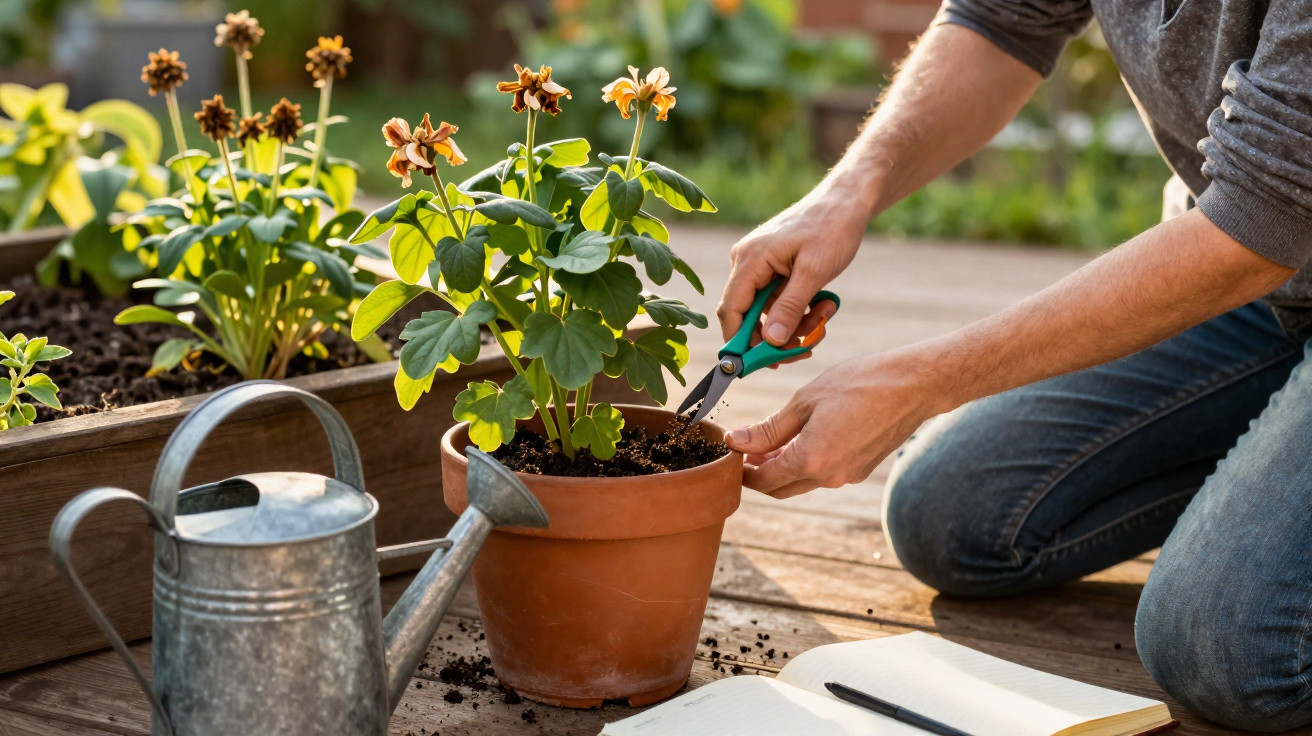
Manure and compost may either help or create complications. Organic matter-rich materials can bind metals, but inputs associated with sewage residues can add PFAS. Request supplier information and maintain a basic record of what you add to the garden. This small notebook can be valuable if you later test the soil and need to identify possible sources.
Some crops, particularly mustards, are very effective at drawing metals from soil and are used in remediation projects. That does not mean they are suitable to eat. When growing them deliberately for this purpose, treat the harvested plants as green waste rather than food, and do not return them to the compost heap.
Small calculations for better choices
Consider exposure as a straightforward total: the concentration in soil, how easily a crop takes it up, its contact with soil or dust, and the frequency with which you eat it. Altering any one of these factors lowers the overall amount. Replacing half of your leafy salads with tomatoes and beans, adding 5 cm of compost and peeling roots can reduce that total by a wide margin.
When sharing produce, note the bed it came from. Reserve salads from clean containers for lunches, and give away fruiting crops grown in older soil. The space is used in exactly the same way, yet the risk is reduced without any fuss.
Comments
No comments yet. Be the first to comment!
Leave a Comment