
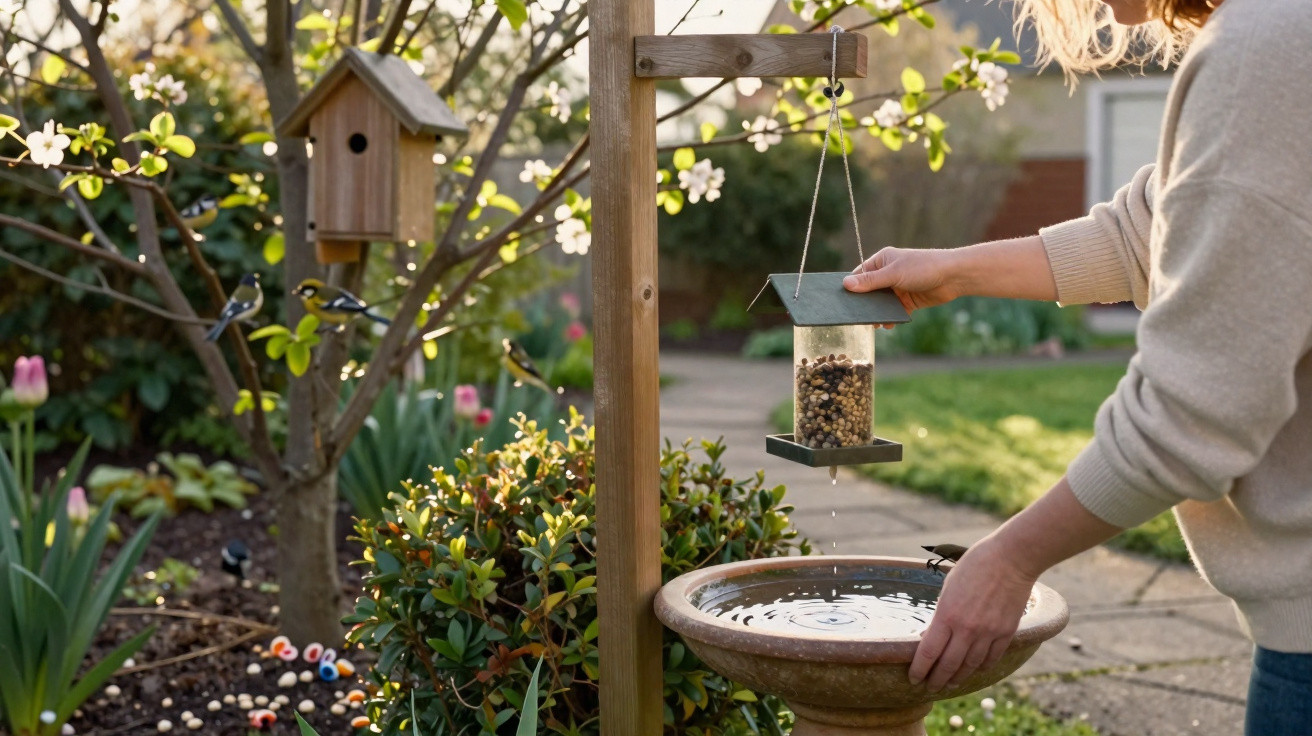
The feeders that helped blue tits and robins survive freezing weather can become a problem only weeks later. Recognising when to alter your approach is what separates genuine help for wildlife from accidental harm.
Why well-intentioned bird feeding can cause problems as weather warms
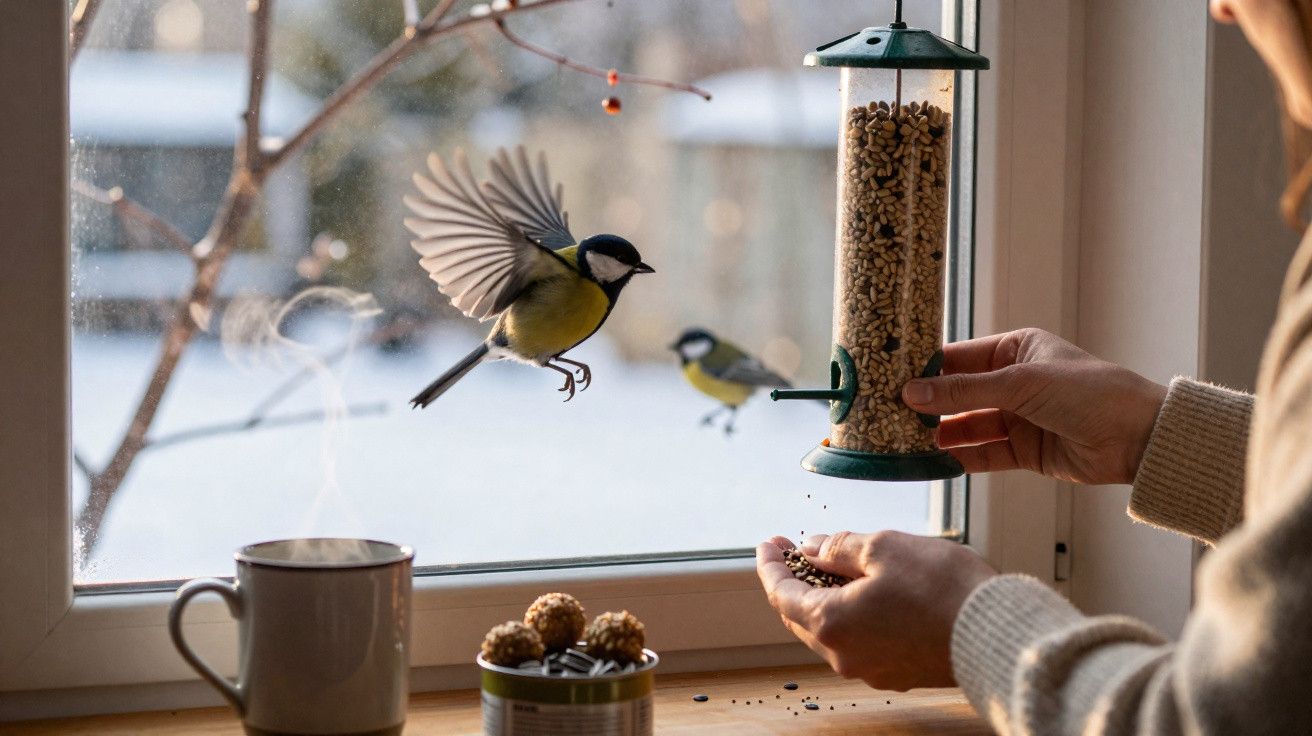
For many households, putting out sunflower seeds and fat balls is a familiar winter routine. From the kitchen window, it can seem the simplest way to “help nature”. In periods of severe frost and snow, it is exactly the right instinct: small birds use enormous amounts of energy merely to keep warm.
After the harshest cold has ended, however, that same generosity can begin to create difficulties. Birds soon adjust to readily available food. If a feeder is continually replenished, some may no longer travel as widely in search of natural prey. Instead, they learn that one place in the garden provides all they require.
When feeders stay topped up too long, they can create dependence and distort birds’ natural behaviour.
That convenience comes at a price. Birds that no longer search for insects and larvae carry out less of their normal pest control in surrounding trees, lawns and vegetable beds. By later spring, gardeners may find they have more caterpillars and aphids, rather than fewer.
There is a health concern too. As the temperature increases and larger numbers of birds congregate at a single feeding point, bacteria, fungi and parasites can spread more readily. Soiled perches, wet seed and droppings beneath feeders can turn an appealing site into a focus for disease.
The 5°C tipping point for bird feeding
When, then, should feeding start to be reduced? Ornithologists do not judge this by guesswork or by the first daffodil; they look at the temperature.
The important sign is when daytime temperatures remain consistently above around 5°C (41°F) for several consecutive days. At this stage, life in the soil becomes active again. Small beetles, spiders and larvae begin moving, while early flying insects emerge in sheltered places and sunlit breaks in hedgerows.
Once the mercury regularly stays above 5°C, natural food starts to return and feeders should begin to wind down.
People may still feel cold during this late-winter or very early-spring period. Birds operate to a different schedule, though. A shift of only a few degrees can reopen their natural food supply. When feeders remain packed with energy-rich seed, some birds continue using the easy buffet instead of returning to hunting.
Why you should not stop feeding abruptly
Even once the thermometer suggests it is time, removing feeders overnight creates another issue. Local birds have incorporated your garden into their regular daily journey. They expend energy flying there in anticipation of food, and a sudden closure can affect them badly, particularly if another brief cold spell arrives.
A more gradual change helps them while encouraging a return to wild food sources.
How to reduce bird food without leaving birds hungry
Rather than stopping immediately, experts advise a gradual “weaning” approach. It is like slowly closing a restaurant, rather than shutting the door on regular customers without warning.
- Cut the quantity of seed or fat by roughly a quarter every three to four days.
- Top up feeders less frequently, allowing them to remain empty for a day between refills.
- Withdraw high-fat foods first, including fat balls and suet blocks.
- Wash feeders thoroughly before every refill to reduce the risk of disease.
When birds find a feeder that is partly empty, or empty from time to time, the message is clear: this one place can no longer meet all their needs. Their instincts return them to bark, hedgerows and leaf litter to look for insects and larvae.
This gentle rationing “re-trains” birds to forage, just as the breeding season approaches.
By the time nesting begins in April, birds encouraged to hunt will be fitter and more adaptable. They will know where to locate caterpillars, grubs and spiders across a broader area, rather than relying on one familiar feeder pole on the lawn.
From winter fat to spring protein: why chicks require another diet
There is a further biological reason to reduce feeding as spring approaches: the food requirements of young birds. The fatty foods that help adult birds through cold nights are unsuitable for developing chicks.
Fat balls, peanuts and seeds contain plenty of calories, but not much of the animal protein needed for muscles, bones and feathers. For very small beaks, they may also be too hard or too large.
Chicks need soft, protein-rich prey such as caterpillars and small insects, not a crushed-up version of the winter seed mix.
Adult birds naturally take opportunities as they arise. If feeders are still overflowing near a nest, some parents may choose the easiest option and give chicks whatever is readily available. This can result in nutritional deficiencies, weak development and, in some cases, choking on large or tough pieces.
Reducing artificial food from as early as late winter encourages adults into “insect-hunting mode” before the first eggs are laid. They enter the breeding season already focused on finding suitable prey and aware of where it can be found.
Stopping bird food does not mean stopping support
Once you start reducing food, attention can move to other forms of help that are better suited to the season. As birds begin to pair up, water and shelter are as important as calories.
Water, nesting places and natural cover
Clean water is limited in many gardens, particularly in urban areas. A basic bird bath or shallow dish, regularly cleaned and refilled, can become a well-used gathering place.
| Support | Why it helps in late winter / spring |
|---|---|
| Bird bath or shallow tray | Provides drinking and bathing water, crucial for plumage care before breeding. |
| Nest boxes | Gives safe cavities for species like tits and sparrows in areas short of old trees. |
| Dense hedges or shrubs | Offers natural shelter from predators and rough weather. |
| Berry and insect-friendly plants | Creates long-term food sources without daily human input. |
Clearing old nest boxes in February, removing the previous year’s material and inspecting their fixings can make them more appealing to birds looking for a site early in the season. New boxes are also more likely to be used when positioned in quiet, sheltered locations away from prevailing winds.
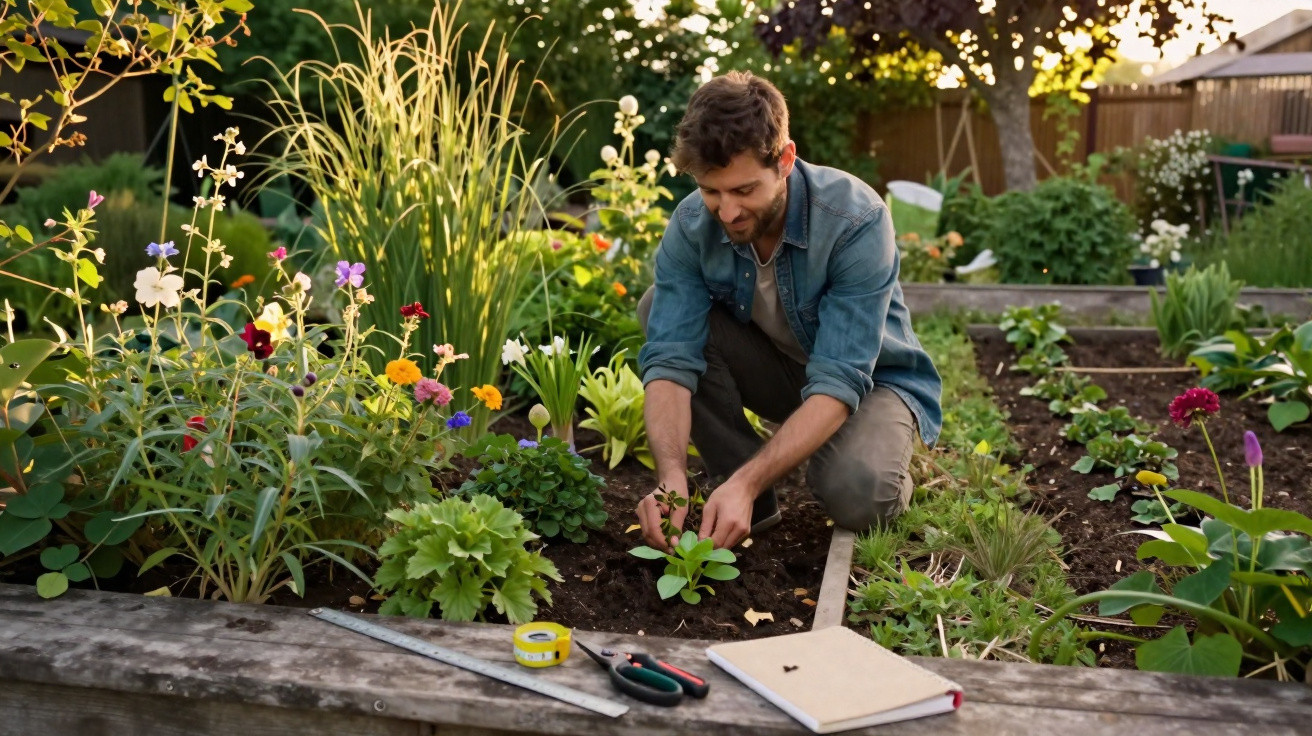
Planting, or simply leaving, slightly untidy areas is useful as well. Less manicured patches of ivy, brambles and mixed hedging provide places to hide and nest. Early insect-attracting plants, including willow, blackthorn and hellebore, support birds indirectly by increasing the amount of prey available.
Common concerns about stopping bird feeding
Many people are reluctant to turn off the food supply because they worry that “their” birds will disappear or starve. After months of seeing daily visitors at the window, this is an understandable response.
In practice, birds do not belong to a single garden. They travel through a network of territories and continually weigh effort against reward. As feeders are reduced or removed, most birds simply change their routes. They return to natural food that may already be present only a few metres away, concealed in leaf litter or dense shrubs.
Brief cold spells can still occur in late winter, so some people prefer to retain a small emergency supply of food. A careful top-up may be appropriate on truly severe days with frost or snow on the ground. What matters is avoiding a return to continuous, heavy feeding once the conditions improve.
Practical approaches for gardens of different sizes
Not every household has a large lawn or established trees, but even the smallest space can move from being a feeding station to providing spring support.
- Small balcony or patio: Take down fat balls by March, maintain a shallow water dish and fit one compact nest box to a sheltered wall.
- Typical suburban garden: Slowly reduce several seed feeders to one, then remove that too; clean and install two or three boxes; leave one strip of grass uncut to support insects.
- Larger plot or rural garden: End feeding sooner where nearby countryside contains plentiful hedgerows; establish mixed native hedging; keep a small wildlife pond topped up for drinking water.
Over time, this adjustment changes the role of your outdoor space. Rather than serving as a winter canteen that birds leave behind in spring, it becomes a year-round habitat for foraging, breeding and roosting.
Extra context: disease, climate changes and what support means
Feeders are linked to several bird disease outbreaks, including finch trichomonosis and salmonella. Overcrowded perches and spoiled food enable pathogens to spread swiftly between birds, including across different species. A shorter feeding season reduces these risks just as birds begin directing energy towards reproduction.
Climate change introduces another factor. Milder winters are increasingly common, altering insect activity and potentially making long periods of feeding less useful than they once were. Local observations - including soil activity, temperature and insect sightings - offer a better guide than relying solely on the calendar.
Supporting garden birds ultimately means following their natural cycles rather than replacing them. Ending bird feeding around the 5°C threshold and then providing water, shelter and plants helps birds remain wild, capable and resilient, while the garden becomes a quiet part of a wider, healthier ecosystem.
Comments
No comments yet. Be the first to comment!
Leave a Comment