
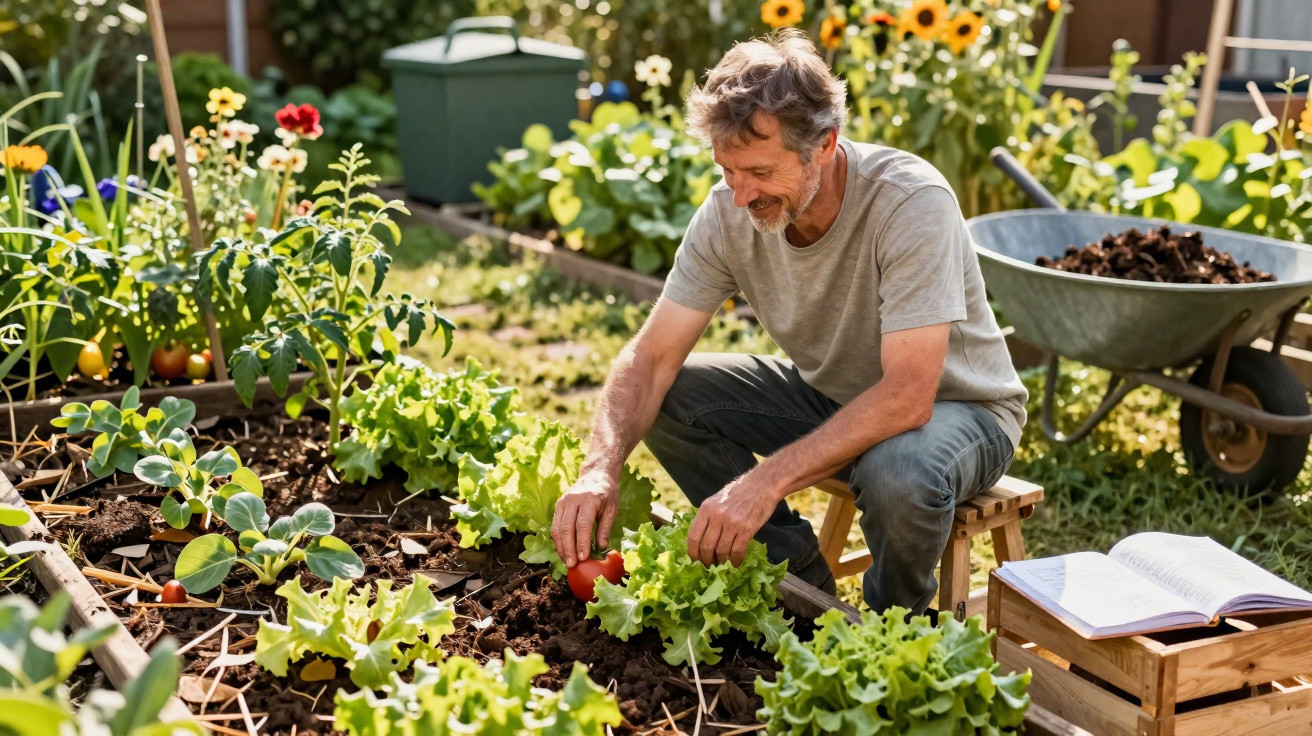
By late afternoon, with the sun hanging low, your neighbour is at the fence again. His tomatoes shine like red lanterns, beans wind upwards in relaxed spirals, and herbs tumble out of every corner.
You look towards your own beds: uneven lettuce, coriander gone to seed, and a forlorn tomato cage carrying more rust than tomatoes. Slightly sceptical, you ask how many hours he spends gardening. He simply shrugs. “Honestly? Not that much.”
Every street seems to have one garden that appears to look after itself. No fuss, no marathon weeding sessions, no panicked watering as evening falls.
It can seem as though the soil is doing the gardening for them. In many respects, that is precisely what is happening.
The subtle secret behind “lazy” productive gardens
In a genuinely flourishing, low-effort garden, something slightly surprising becomes apparent. There are weeds, though never thick carpets of them. Fallen leaves lie on the ground without making the place look untidy. The beds may seem a little wild, but they are also strangely peaceful.
Its gardener is not out there daily, armed with a hoe and a spreadsheet. More often, they are drinking coffee, removing two or three weeds by hand, and heading back indoors. The garden has been arranged to operate almost automatically, with the person acting as a light-touch supervisor rather than a full-time labourer.
Consider Claire, a nurse with irregular shifts. Five years ago, she created a vegetable patch behind her small house, determined that it would not become a second job.
Rather than digging every bed bare each spring, she laid cardboard and straw, planted through the layers, and kept roots in the soil after harvesting. It looked untidy in the first year. By the second, neighbours were asking why her kale had survived the heatwave while theirs had turned crisp.
She uses less water than they do. She hardly ever tills. Still, her beds produce season after season.
The principle is straightforward, almost dull: soil that remains covered, nourished and largely undisturbed ends up doing much of the demanding work. Fungi form networks around roots, earthworms draw organic material deeper into the ground, and microscopic organisms turn mulch into nutrients released gradually over time.
Rather than battling nature, the whole approach depends on it. This is why certain gardens seem to carry on effortlessly while others resemble a treadmill.
The more you work against the natural processes under your feet, the more work you create for yourself.
Methods that make a garden feel self-running
A permanent covering over the soil is the first understated superpower of a low-effort garden. That can mean mulch, living plants, or a combination of the two.
Bare soil is rather like uncovered skin in a snowstorm: it dries, cracks, scorches and erodes. Add a layer of straw, leaves, wood chips or even low-growing clover, and the ground stays cooler, damper and better protected.
Mulch works as a gradual food store for plants. It supports life in the soil, which in turn supports the roots. You will spend less time watering and weeding, while plants experience fewer shocks from heat and heavy rain.
A second practice distinguishes exhausted gardens from those that quietly continue producing: crop rotation and diversity. This does not require a PhD-level rotation scheme, only a simple principle such as “don’t plant tomatoes in the same place two years in a row.”
Plants draw on different nutrients, attract different insects and support different microbes. Changing them around between seasons disrupts pest cycles and lowers disease risk, particularly with familiar problem crops such as tomatoes, brassicas and potatoes.
We have all had that moment when we plant the same crop in the same bed because it succeeded once and we do not want to give it much thought. Then, by the third year, everything suddenly becomes ill at once. The supposedly “lucky” gardeners are generally just rotating crops without making a fuss about it.
The third foundation is what experienced gardeners call “feeding the soil, not the plant.” This involves returning compost, well-rotted manure, chopped leaves and kitchen scraps to the ground little and often, rather than relying on one large annual dose of fertiliser.
To be honest, nobody manages this every single day. Yet even a modest, consistent composting habit transforms a garden over several seasons.
“Once I stopped chasing miracle fertilizers and just built compost heaps, the garden kind of… relaxed,” an older gardener told me. “I realized the soil wanted to work, I just had to give it something to chew on.”
- Spread a 2–5 cm layer of compost or well-rotted manure once or twice each year.
- Cover it with mulch to stop it drying out and forming a crust.
- Where possible, leave roots in the ground after harvesting.
- Grow at least one “soil helper” crop: clover, vetch, beans or peas.
- Maintain a small compost heap that is always active, even if it is simply in one corner.
Why productive gardens keep giving - and yours can too
When you step back and consider these durable, nearly effortless gardens, they tend to share the same understated mindset. The gardener has stopped attempting to control every square centimetre and has begun working in partnership with the space.
There is greater trust. More patience. Fewer dramatic clear-outs, and more small, routine actions that build up over time.
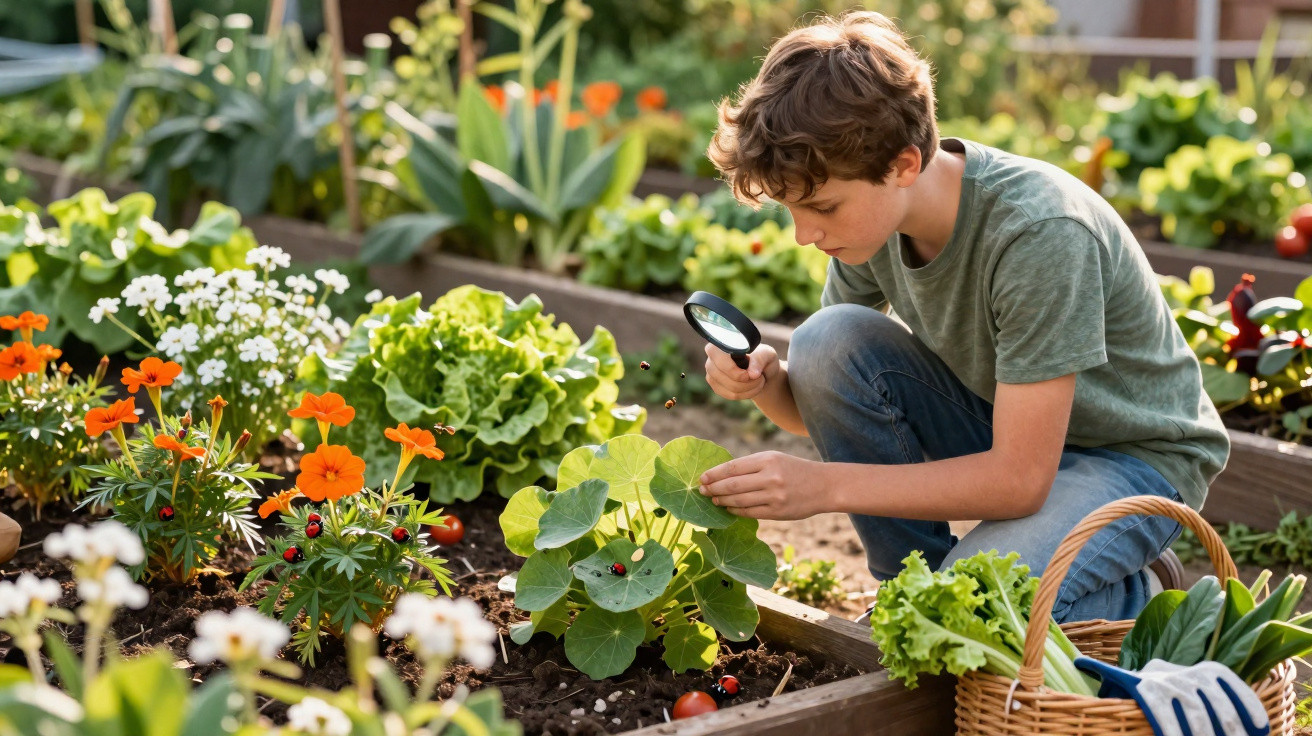
Self-seeding calendula returns to the same corner each spring, perennial herbs reduce watering needs simply by… being there, and one or two raised beds are set aside for experiments rather than pressured to deliver a perfect harvest. This balance of order and freedom keeps the garden productive year after year.
You do not need to use every method from the first day. Perfect beds, complicated rotations and costly compost bins are not necessary.
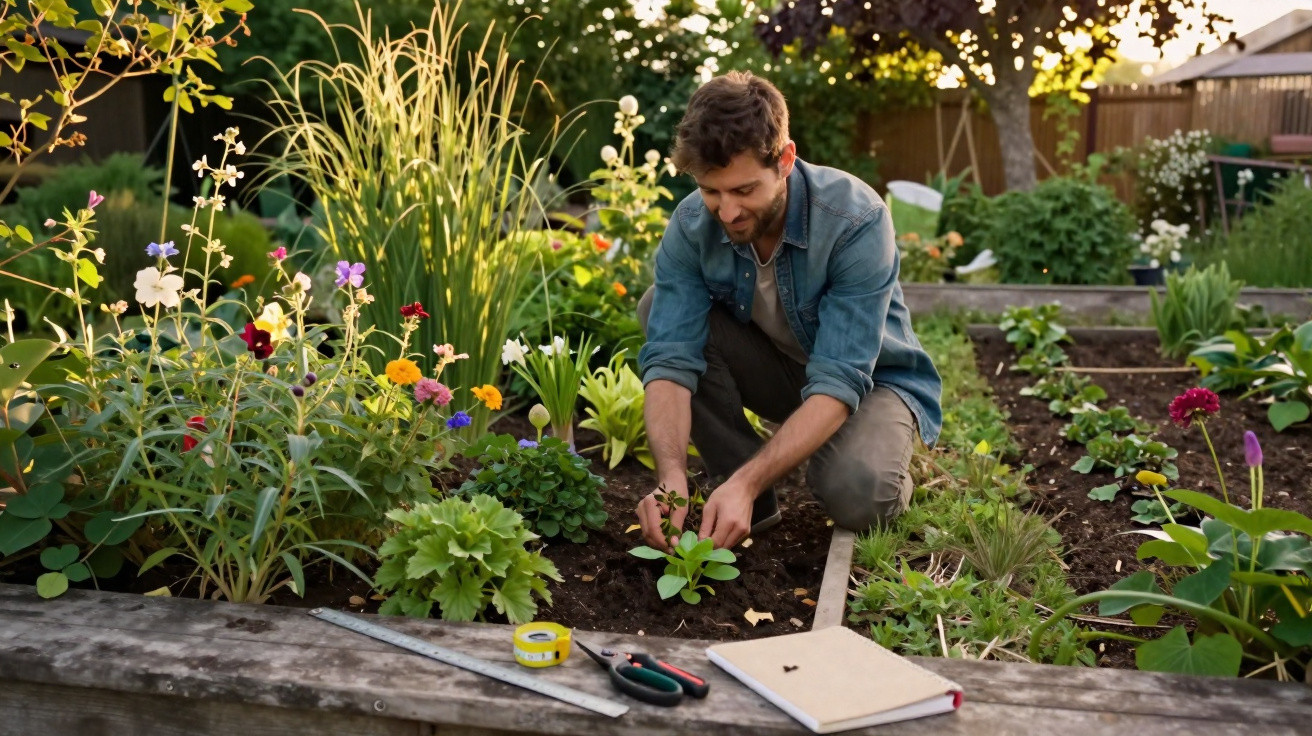
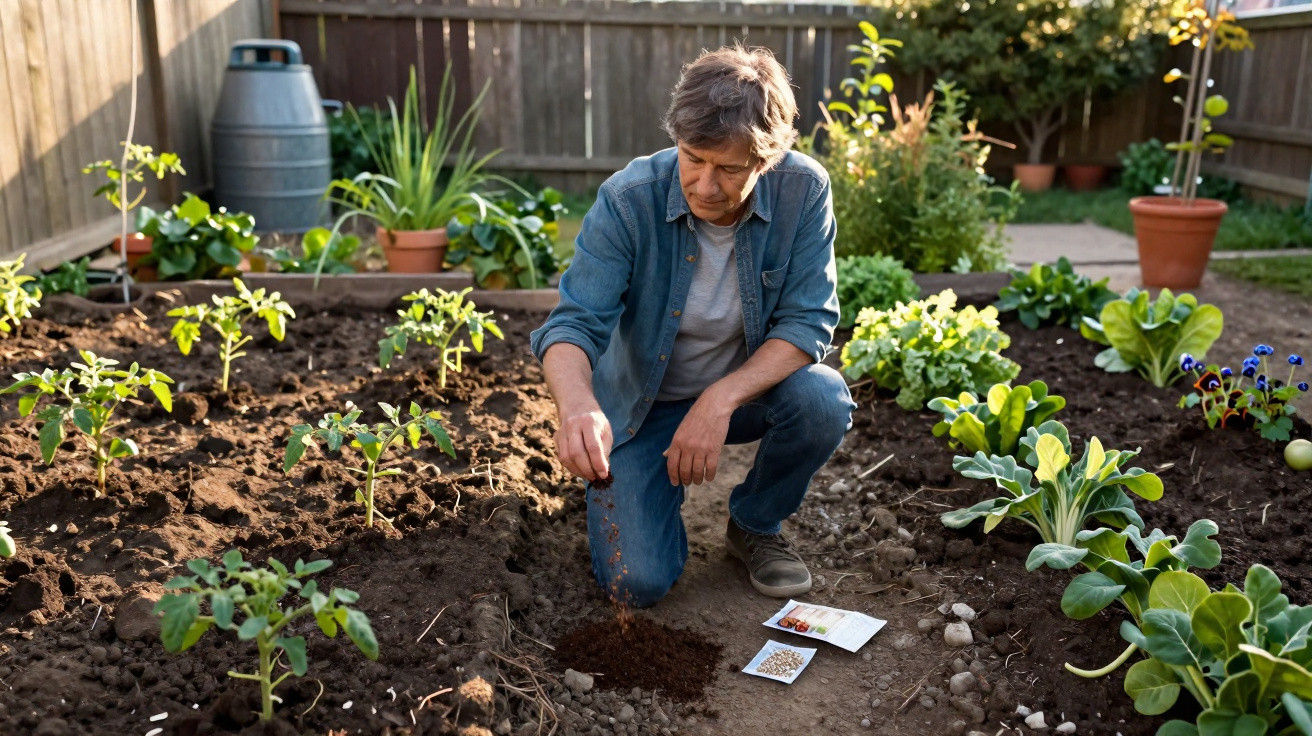
Begin with one square metre of soil that you pledge not to overwork. Cover it, nourish it and diversify it. Observe how it responds over an entire year rather than only one season.
That modest trial area can reveal more about your climate, soil and patience than a dozen gardening books. Once you see how much work healthy soil can do when it is treated with respect, returning to the old approach of fighting everything becomes difficult.
Some people will always take pleasure in the hard work: the sharp spade, turned beds and immaculate rows. Others are beginning to admit quietly that they are tired.
Gardens that remain productive with little effort are often maintained by people who have chosen rest over performance and observation over control. They still make errors. Crops still fail. Snails still arrive.
However, the system they have created forgives more than it punishes. That is the real luxury: not a garden with no problems, but one that continues to recover, season after season, even when you are busy, distracted or simply do not feel like tending it.
| Key point | Detail | Value for the reader |
|---|---|---|
| Keep soil covered | Use mulch, cover crops or dense planting to prevent bare ground | Less watering, fewer weeds, more resilient plants |
| Feed the soil steadily | Add small, regular amounts of compost and organic matter | Long-term fertility without constant fertilisers |
| Work with natural cycles | Rotate crops, welcome self-seeders and include perennials | The garden becomes more “automatic” and productive over the years |
FAQ:
- How long does it take for a garden to become “low effort”? Usually 2–3 seasons of mulching, composting and gentle care. The first year is largely about setting things up, the second becomes easier, and the third often feels noticeably more stable.
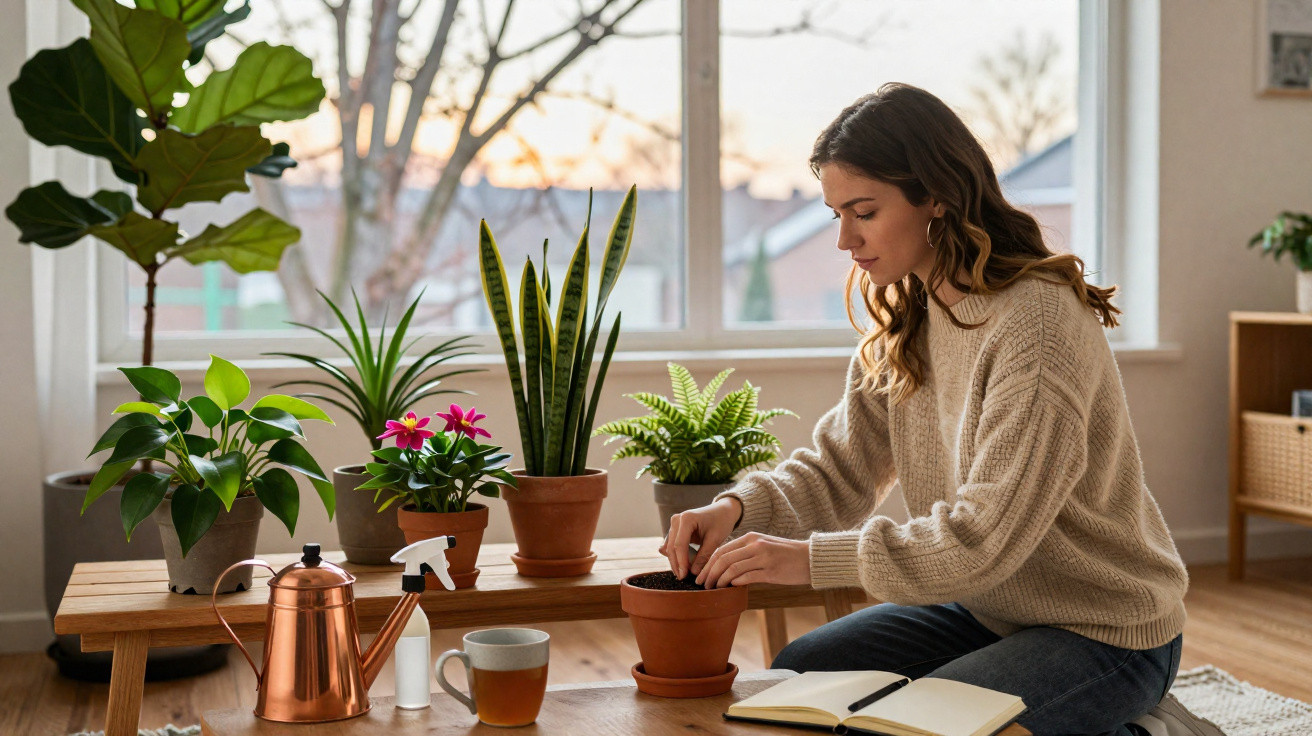
- Can this work in a very small urban garden or balcony? Yes. Use containers filled with good-quality soil, add compost twice a year, and cover the surface with straw or living herbs to stop it drying out.
- Do I have to stop digging completely? No. You can still dig when planting trees or reshaping beds. The aim is to avoid deep, frequent tilling that repeatedly disrupts soil life.
- What’s the simplest change to start with? Mulch every piece of bare soil you can see. Straw, shredded leaves, grass clippings (dried first), and even cardboard beneath paths can all help immediately.
- Is chemical fertiliser bad for a low-effort garden? Using it occasionally will not ruin everything, but depending on it alone bypasses the work of creating living soil. Organic matter is what keeps a garden productive with less effort in the long term.
Comments
No comments yet. Be the first to comment!
Leave a Comment