
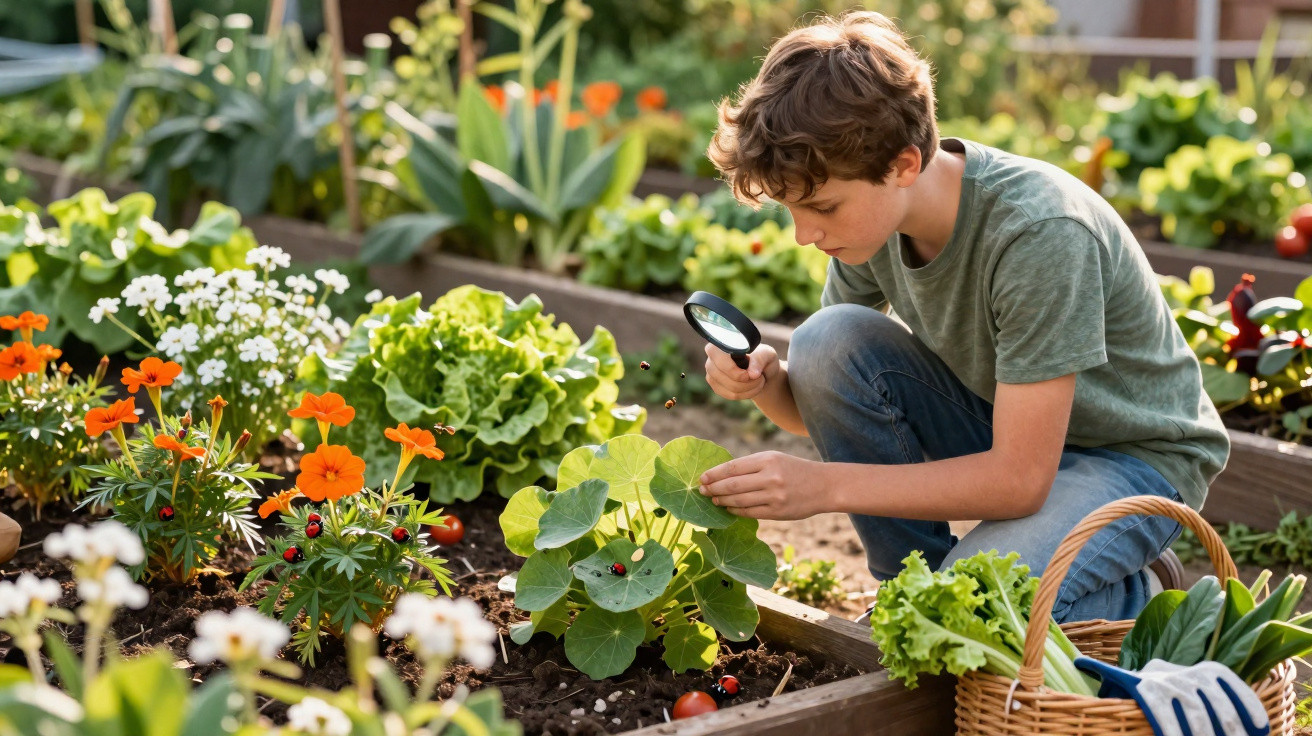
On a warm Saturday morning - the sort that fills the air with hissing hosepipes while neighbours pass tomato seedlings over the fence - I saw two gardeners come close to quarrelling about… flowers. Not roses or dahlias, but an untidy clump of fennel alive with hoverflies and minute wasps. One described it as a “pollinator paradise.” The other grumbled, “You’re inviting pests into the whole street.”
Surrounded by raised carrot beds and orderly lines of lettuce, the disagreement seemed surprisingly fierce. Does every plant that helps insects deserve room in a vegetable plot? Or are certain plants really troublemakers posing as champions of biodiversity?
The discussion fell silent when a ladybird settled on a fennel frond between them. Neither gardener said a word for several seconds.
At times, the garden raises the questions that matter most.
When “good for nature” looks bad in your veggie beds
The first time you surround tomatoes with marigolds, it is easy to feel virtuous. They are cheerful, traditional, and described as “companion plants” in virtually every gardening guide. But then you spot the other side of the arrangement: aphids are fond of them as well.
The plants turn into a feast, and before long your trusted pest-control flowers are covered in sap-sucking insects. From across the plot, the bed still appears bright and orange. Look closer, however, and it becomes a slow-motion drama of hunters and prey.
That is when uncertainty sets in. Are the marigolds drawing pests away from your vegetables, or have they created an insect party you never meant to host?
Consider nasturtiums. They are the classic sacrificial crop. Gardeners often sow dozens of them in the hope that cabbage white butterflies - and their ravenous caterpillars - will choose them instead of kale and broccoli.
In a favourable year, the tactic succeeds. Nasturtium leaves are stripped, brassicas remain immaculate, and you feel like a shrewd garden planner. In less favourable years, caterpillars finish the nasturtiums before moving calmly on to the cabbages, as though you had simply provided starters.
One French grower told me that she removed every nasturtium in July after a “caterpillar invasion” swept along her plot like green wildfire.
There is an uncomfortable but simple conflict at work. We want wildlife, and we want flawless vegetables, but those ambitions do not always go together.
Marigolds, nasturtiums, sweet alyssum and fennel attract a broad range of insects because they provide accessible nectar, shelter and tender foliage. Among their visitors are valued helpers: ladybirds, hoverflies, lacewings and parasitic wasps. Yet they also attract the insects we curse when we find holes in bean leaves.
The real question is not whether these plants are “good” or “bad”. It is whether we can accept a busy, imperfect balance in a place we secretly want to keep neat and under control.
Four controversial insect magnets: friends, foes… or both?
Let us go along the row and identify the suspects. First are nasturtiums: trailing, climbing plants with blooms like vivid saucers, and strong attractions for aphids and cabbage white butterflies. Growers tend either to love them or vow never to grow them again.
Then comes fennel, with airy foliage, an aniseed fragrance and flower umbels alive with tiny wasps, hoverflies and bees. Some gardeners believe it interferes with neighbouring crops and self-seeds with excessive enthusiasm. Others see it as an essential insect hub positioned at the plot’s edge.
Marigolds and sweet alyssum make up the remaining pair. Both are popular in flower strips on market gardens because they draw hoverflies that feed on aphids. Many home gardeners, though, see only the opening scene - more insects rather than fewer - and panic before nature has had the chance to restore balance.
Imagine a compact urban allotment. At one end, a beginner has made an immaculate, near-minimalist vegetable bed: exposed soil between rows, no flowers, every plant supported and labelled. There is scarcely a bee to be seen.
Two plots away, a more experienced gardener has embraced complete disorder. Nasturtiums tumble over the paths. Marigolds create a blazing border around peppers. Alyssum covers the ground, while four tall fennel plants rise like feathery streetlights, buzzing with insect life. Bare soil is almost impossible to see.
By late summer, a sudden surge of aphids takes half the bean crop from the tidy plot. In the wilder plot, leaves have certainly been eaten, but predators are everywhere. Ladybird larvae work their way up the stems. Spiders stretch webs between the fennel stalks. There is damage, but it never quite becomes a disaster.
What separates gardeners is timing and tolerance. During the first weeks, when pests show up on nasturtiums or marigolds, the situation can look like failure. You put the plants there for protection, yet all you can see is a problem.
Many beneficial insects arrive later, however, once the food signal is sufficiently strong. Hoverflies lay eggs when aphid colonies are firmly established. Parasitic wasps go after plump caterpillars rather than newly hatched ones. Remove the “problem” plants as soon as life appears, and you eliminate the second half of the process.
This is where some growers quietly admit they’d rather spray than wait. Others maintain that a vegetable plot should form part of a wider ecosystem, even when this involves a few nibbled leaves and an occasional cabbage that is beyond saving.
How to use insect-attracting plants without losing your harvest
There is a route between insect-filled disorder and sterile control. It begins with the positioning of these four controversial plants. Rather than placing nasturtiums within a brassica bed, grow them a short distance away as a bright decoy strip.
Marigolds and sweet alyssum usually perform best around bed edges or at row ends, where they can still attract predators without overwhelming crops. Treat them as gentle, living boundaries rather than focal points.
Fennel often suits the back of a plot or a position beside a fence, where its height and forceful nature will not dominate its neighbours. You still benefit from clouds of helpful insects while lowering the chance that it will bully more delicate plants.
Your response time is the second part of the puzzle. When you notice an aphid colony on nasturtiums, your immediate instinct may be to pull up the entire plant. You will feel an urge to “tidy up”.
Pause for a few days before doing so. Inspect the plant carefully. Can you see ladybird larvae - small predators shaped like tiny alligators - moving through the aphids? Are hoverflies visiting the blooms? If so, allow the small drama to continue for a little longer. Natural pest control is beginning to gather pace.
We have all known that moment of fearing the entire plot is about to slide into catastrophe. You do not have to possess saintly patience. You simply need to avoid the first rush of panic.
Some growers talk about a “threshold of damage” rather than zero tolerance. One organic farmer told me, “If I accept a 10% loss, I get 90% of the harvest with far less stress, and the garden grows its own defenders.”
Nasturtiums as trap crops
Grow them along the sunny outside edge of brassica beds. If foliage becomes badly infested, cut back and compost only the worst affected vines, retaining some to act as decoys.Fennel as an insect tower
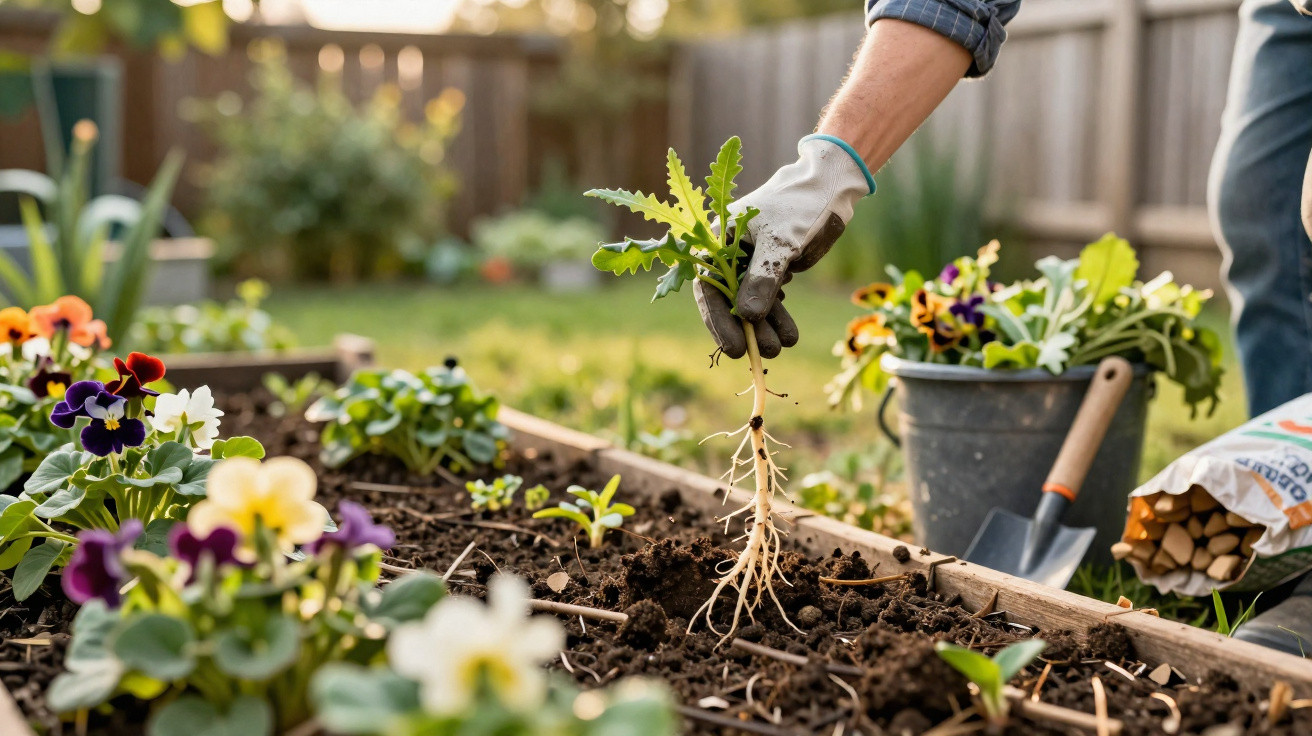
Plant bronze or green fennel at the rear of beds or close to compost heaps. Allow some plants to flower for hoverflies and tiny wasps, but remove unwanted seedlings in spring before they spread.Marigolds and alyssum in rotation
Sow marigolds among tomatoes and peppers, and sweet alyssum close to salads and carrots. Make staggered sowings every few weeks to ensure predators always have fresh flowers throughout the season.Small-scale observation walks
Once or twice weekly, walk around the garden without tools, using only your eyes. Notice which creatures are eating which. Let us be honest: nobody truly does this every day, but those few minutes can transform how you respond to “pests”.Accepting some imperfection
Choose in advance which crops need to remain almost perfect and which can tolerate some damage. This straightforward rule prevents you from pulling out every insect-attracting plant after the first leaf develops a hole.
What really belongs in a vegetable plot?
This is the underlying question in many gardening disagreements. Is a vegetable plot merely a food-producing machine built around efficient rows and high yields, or is it also a shared habitat for wild lives we rarely notice? Four unassuming plants - nasturtium, fennel, marigold and sweet alyssum - make the issue especially clear because they refuse to behave tidily on demand.
They attract insects without discrimination, self-seed and produce unexpected results. On some days, they seem to be allies; on others, saboteurs. Without this sort of abundant disorder, though, gardens can become fragile spaces, always a single outbreak away from collapse.
Perhaps the central dilemma is not whether these plants “belong”, but how much uncertainty we can tolerate. How much buzzing, fluttering and nibbling we are prepared to welcome into the same beds that produce our food. There is no universal answer - only a range of decisions that reveal more about us than they do about the plants.
| Key point | Detail | Value for the reader |
|---|---|---|
| Use insect-attracting plants as decoys and borders | Put nasturtiums, marigolds, alyssum and fennel at bed edges or in separate strips rather than in the centre of crop beds | Limits crop damage while continuing to attract beneficial insects |
| Wait for predators before intervening | Watch aphid and caterpillar colonies for several days to check whether ladybirds, hoverflies or wasps arrive | Reduces the need for sprays and encourages natural pest control |
| Accept a realistic “damage threshold” | Decide which crops must remain clean and which can support some pests and beneficial insects | Less stress, more resilient biodiversity, better long-term harvests |
FAQ:
Should I remove nasturtiums if they’re covered in aphids?
Not straight away. First look for ladybird larvae and other predators. If the plant is failing or pests are obviously spreading, cut away the most heavily infested sections and retain some vines as a trap away from your main crops.Does fennel really harm nearby vegetables?
Fennel can compete vigorously and does not always coexist well with other plants at close range. Plant it at the edge of a plot or in a separate area to gain its insect benefits without shading more sensitive crops.Are marigolds overrated as pest-control plants?
They are not a magical barrier. Marigolds bring in pests as well as predators. Their true value lies in supporting hoverflies and other allies over time, particularly alongside diverse flowers and healthy soil.Will sweet alyssum self-seed everywhere?
It can self-seed gently, but it is generally less aggressive than fennel or nasturtium. For greater control, remove unwanted seedlings early or deadhead fading blooms to restrict spread while preserving some flowers.Can I have a productive vegetable plot without these insect-attracting plants?
Yes, particularly in a small plot or a tightly controlled system. However, including a few of these species often makes pest pressure easier to handle over the long term, while bringing more life - and joy - to the garden.
Comments
No comments yet. Be the first to comment!
Leave a Comment