
When my phone last flashed a reminder to water the plants, I looked at it and pressed “delete” rather than “done”.
Outside, the soil in my tomato bed was still dark and cool. Indoors, a peace lily sagged despite sitting in a drenched pot. My calendar simply read “Water all plants – 6 pm”, as though every plant in the garden followed the same workday timetable.
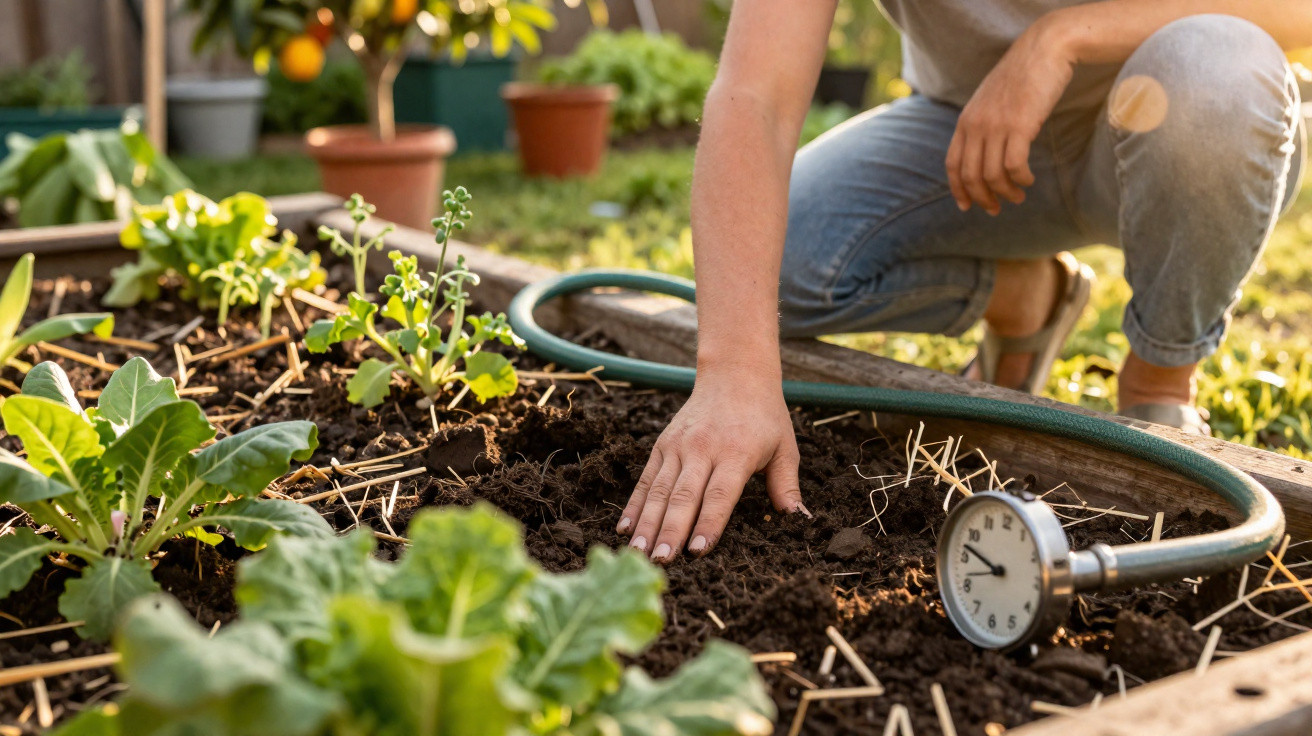
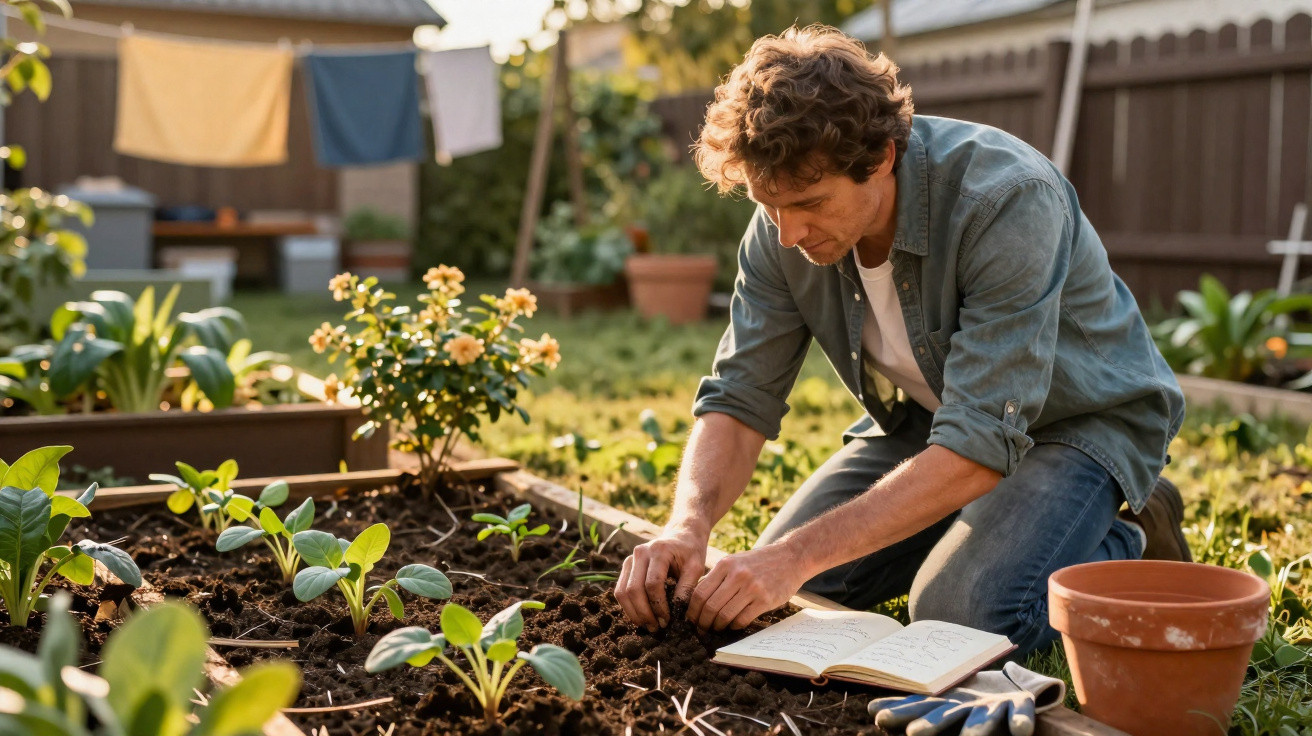
That evening, I left the hose hanging up and went for a walk instead. I pressed a finger into the soil, raised a few leaves and noticed that some pots were strangely heavy while others felt as light as a bread crust.
The sprinklers did not come on. Something changed. And the plants… didn’t die.
I quit following the watering timer and began checking the soil
During the first week without a rigid timetable, I felt almost defiant. While my neighbours’ sprinklers came on at 7 a.m. with clockwork precision, I stood barefoot on the patio, testing the soil with my finger. A few pots were completely dry, whereas others remained cool and moist after the previous rainfall. The calendar could not account for any of this.
Before long, I started spotting patterns. Rosemary on the sunlit railing dried quickly. The monstera in the corner stayed wet for several days. The lawn, which I had always drenched “just in case”, still sprang back beneath my feet when I missed a watering cycle.
It felt as though I was getting to know my plants for the first time, without an app acting as an intermediary.
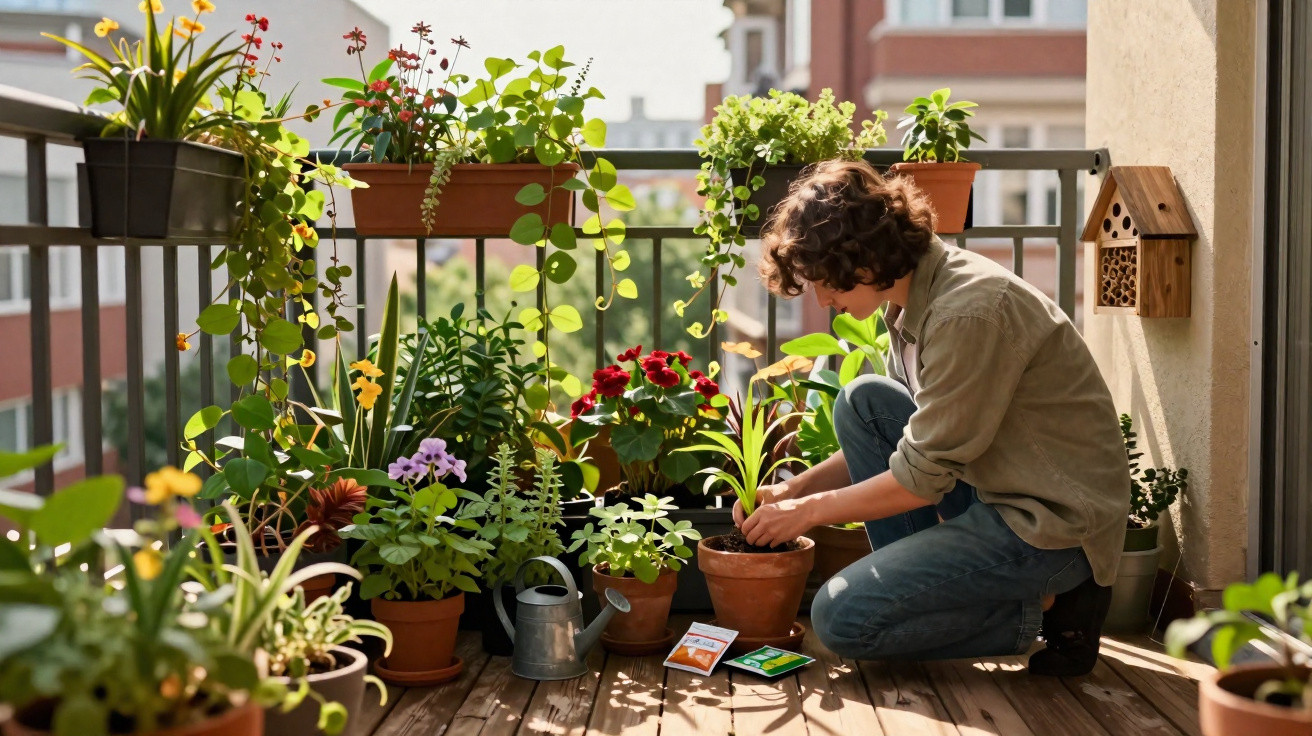
One little terracotta pot made the point especially clearly. It contained a basil plant with yellowing, unhappy-looking leaves, despite my faithful obedience to every watering alert. When I tilted the pot, water ran from its drainage hole. Its roots had a faintly sour smell.
So I did what had seemed unthinkable: I withheld water for a week. The soil surface cracked slightly, but deeper down it remained damp. On the fifth day, fresh leaves emerged. They were smaller, but a richer green, as the roots finally had access to air.
Elsewhere in the garden, a hydrangea that I used to soak every evening began standing more upright when I waited to water until its leaves only just started to droop. That small pause made all the difference.
What I observed reflected something horticulturalists often say: plants do not live according to our clocks; they respond to moisture, light and their roots. A set routine takes no account of overcast days, surprise showers or heatwaves. A plant has no idea that it is “Wednesday at 6 pm”; it only registers whether its roots are struggling for air or seeking water.
Once watering stopped being a checkbox task, I realised just how much I had been overdoing it. Soil that never gets a chance to dry, even slightly, slowly strangles roots.
The unexpected outcome was that watering less frequently, but with more care, did not slow growth. In many cases, it improved it.
Helping plants adapt to deeper, less frequent watering
The change itself was straightforward: rather than offering light drinks on a fixed day, I gave plants a thorough watering only when they plainly needed one.
For outdoor beds, this involved waiting until the upper few centimetres had dried, then soaking the ground deeply enough for water to reach lower roots. With pots, I watered until a small amount trickled through the drainage holes, then waited until the container became light again.
The first fortnight was mildly unsettling. Some plants developed a slight droop between waterings, particularly under afternoon sun. I gradually learnt the difference between temporary midday “heat droop” and real thirst that continued into the evening.
Over time, the roots began growing downwards rather than lingering close to the surface.
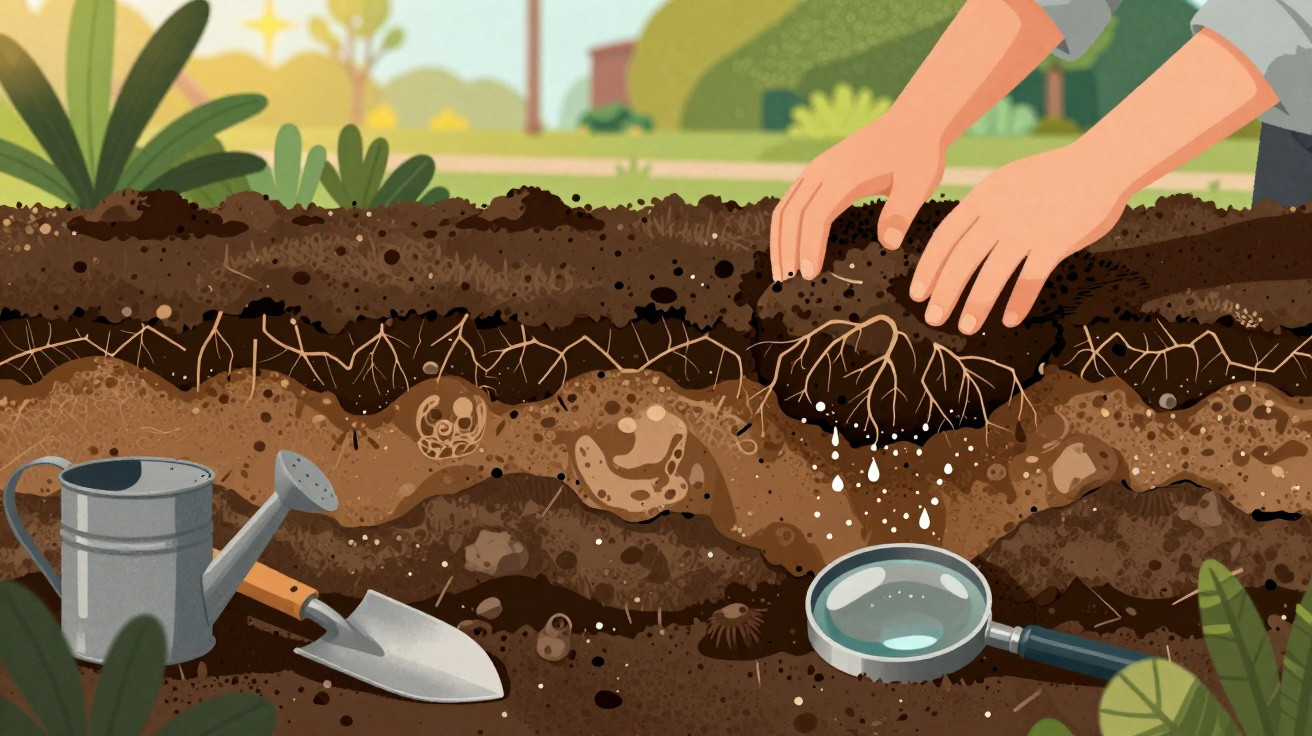
The most obvious difference appeared in a raised bed that I had previously watered every two days without fail. After digging a small trench along its edge, I found soaked soil at the top but unexpectedly dry, crumbly soil only 10 cm below. Regular shallow watering had taught the roots to remain near the surface, where growing conditions were at their toughest.
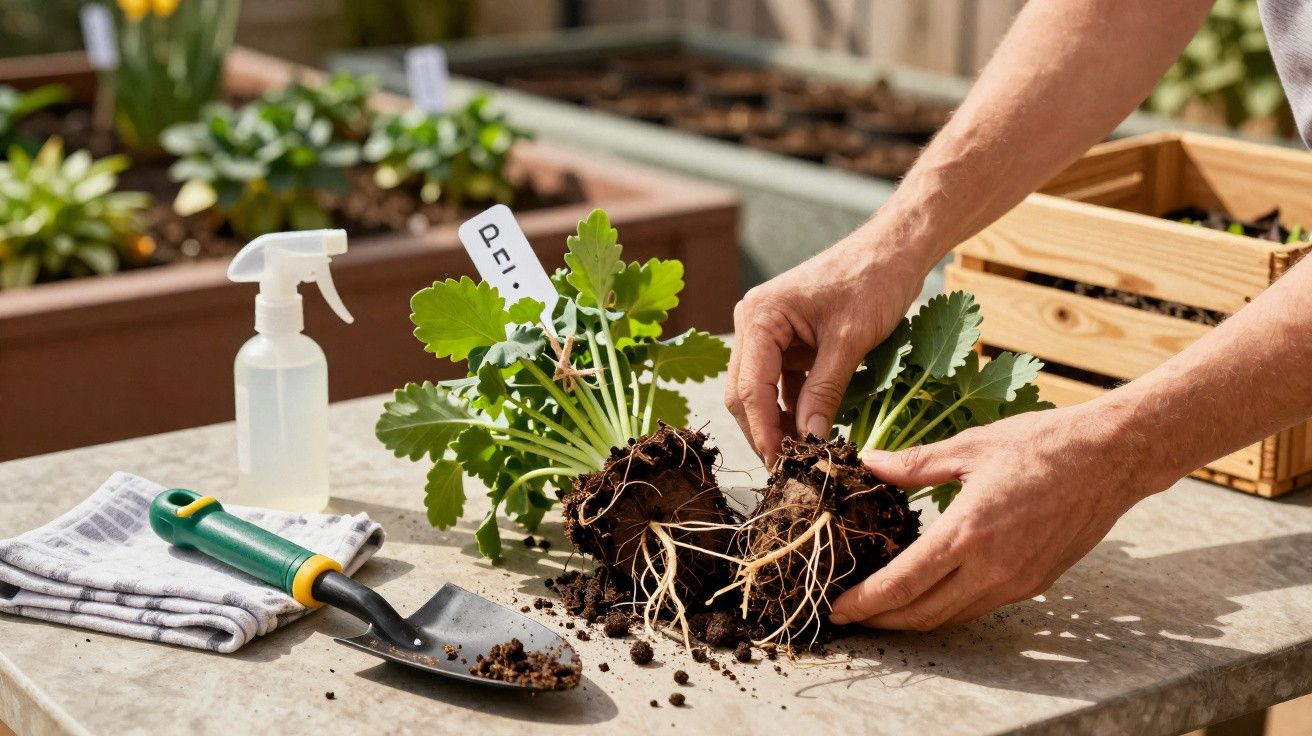
I therefore changed my approach. I waited until the bed looked a little dry and dull on the surface, then watered it slowly and deeply. I did not water again until the soil several centimetres below was only just dry. Three weeks later, another test dig revealed a different result: delicate white roots were reaching farther down, following the water to its new depth.
The yield did not decline. Tomatoes were less likely to split, while lettuce remained crisp for longer, even when temperatures rose sharply.
The reasoning is simple: frequent, shallow watering teaches plants to rely on continuous comfort. Deep, less frequent watering encourages adaptation. Roots travel further, fungal problems lessen, and soil structure benefits as it moves between damp and slightly dry conditions. It is rather like strength training for plants.
In truth, no one manages this daily with flawless consistency. Fixed routines sound organised, but everyday life is not so predictable. Heatwaves occur, holidays intervene and work finishes late. The garden does not check your calendar alerts.
When I allowed plants to experience mild stress, they became more robust rather than more delicate. That narrow space between “comfortable” and “barely thirsty” became a form of training.
A straightforward way to let plants set the watering rhythm
My current method is almost embarrassingly basic. I walk around, touch things and compare what I find. There are no spreadsheets or alarms, only a handful of signs I have learnt to trust.
First, I test the soil using a finger or small trowel. If the top 2–3 cm are dry but the soil beneath remains cool and faintly moist, I leave it alone. When dryness extends further down, I water thoroughly. For pots, I lift them too: a dry one feels remarkably light.
Next, I inspect leaves in the morning or evening. A gentle, soft droop that recovers after nightfall is often normal. Ongoing limpness, curled margins or greyish, lacklustre foliage generally indicates that watering is needed.
That is all there is to it: touch, lift, look.
The most difficult aspect is emotional rather than practical. At first, missing a scheduled watering can feel neglectful, especially after years of hearing advice about “never letting them dry out”. We have all had that panicked moment when a plant looks slightly unhappy and we reach automatically for the watering can.
Often, the true danger is the reverse. Continually wet conditions suffocate roots, promote fungus gnats and cause yellow leaves that many of us mistake for “thirst”. I had to train myself out of that reaction.
While you experiment, some plants may look unhappy for several days. A few leaves might develop crisp edges or fall sooner than expected. That does not necessarily signal failure; it may simply be part of the transition. The important thing is to alter one factor at a time and observe the result, rather than adding more water at the first hint of strain.
Sometimes the bravest thing you can do for your plants is to put the watering can down and just watch them for a week.
- Use your hands before your hose
Feel the soil, lift the pot and judge its weight. It bases the decision on what is actually happening, rather than habit. - Water deeply, then wait
Saturate the root zone, then allow the soil to breathe instead of continually topping it up. - Aim for flexible routines
Keep usual watering days in mind, but let weather, light and plant signals take priority over the calendar. - Group plants by thirst
Place moisture-loving plants together and keep drought-tolerant plants in another area, so hardy plants are not overwatered. - Track with quick notes, not strict rules
A brief note such as “fern droopy on hot days, OK by morning” can teach you more than any app notification.
When you stop imposing a timetable, the garden reveals its real character
After abandoning the strict timetable, plant care unexpectedly felt less like another job and more like a conversation. I began seeing details I had overlooked for years: the way rainwater refreshed a weary bed in a manner tap water never quite managed; the surprising resilience of the scruffy self-sown tomato in the corner; and the quiet tolerance of the snake plant, which endured both my old overwatering habits and my newer experiments.
The garden also grew more forgiving. When I went away for a week during midsummer, I did not come back to a catastrophe. Because roots had grown deeper and the soil had been allowed to become slightly drier beforehand, most plants simply managed through the absence. A few leaves were lost, but nearly everything recovered.
There is a quiet comfort in recognising that plants do not require such close control. They are living systems, not house guests waiting for room service at six o’clock sharp. When you stop watering to a fixed timetable and begin trusting their signals, you cultivate not only hardier plants but also a calmer confidence in your own observations.
Some people enjoy precise reminders and automated sprinklers; others, like me, eventually prefer bare feet on the soil and the gradual discovery of every plant’s individual rhythm. If you have ever felt guilty about missing a watering day, perhaps the experiment is not to do more, but to step back slightly and discover what your plants can manage alone.
| Key point | Detail | Value for the reader |
|---|---|---|
| Listening to soil, not schedules | Test moisture with your fingers, pot weight and leaf position before watering | Helps prevent overwatering and unnecessary effort |
| Deep, less frequent watering | Soak roots completely, then permit some drying | Promotes stronger, deeper root systems and resilience |
| Letting plants adapt | Accept mild stress and minor changes as part of the adjustment | Creates a tougher garden that handles heat and busy weeks more effectively |
FAQ:
- Question 1 Will my plants die if I suddenly stop following a fixed watering schedule?
- Question 2 How can I tell normal drooping apart from serious underwatering?
- Question 3 Is this approach suitable for houseplants as well as outdoor plants?
- Question 4 What should I do about automatic irrigation systems and smart timers?
- Question 5 How long do plants need to adjust to a new watering rhythm?
Comments
No comments yet. Be the first to comment!
Leave a Comment