
The day I abandoned the idea of a “perfect” garden, I was in my pyjamas with a hose in my hand, shouting at a clump of crabgrass. The sun had climbed too high, my coffee was going cold on the steps, and the neighbour’s roses looked like a magazine spread taunting me from the other side of the fence. For two summers, I had treated the garden as a combat zone: weeds against chemicals, slugs against pellets, me against everything. Yet the dandelions still prevailed. The soil remained compacted. The plants looked miserable.
Eventually, I saw that I was spending more time battling my garden than enjoying time in it.
That was when something subtly changed.
When you stop forcing your garden into obedience
The first thing I became aware of after I “gave up” was the quiet. The running mental list disappeared: weed that border, deadhead those roses, feed the lawn. One morning, I went outside and, rather than searching for faults, simply…looked. A bee lazily tumbled across the middle of a dandelion. In the early light, a supposedly “messy” area of clover shone white and soft.
For the first time, my garden was no longer a list of jobs. It was somewhere to be.
A few weeks before that realisation, I had what could only be called a crisis in the fertiliser aisle. Standing between three different bags of “weed and feed”, all promising a greener, more even, tightly kept lawn, I suddenly wondered: what was I really trying to achieve? My weekends had become a competition with growth. I would mow, edge, spray, trim and rake. By Wednesday, nature had reversed half of it.
One neighbour proudly talked about hiring a company to “keep everything under control.” Another quietly allowed her garden to become wilder. Her garden hummed with insects and small birds. Mine appeared tidier on Instagram. Hers felt alive in real life.
The more closely I paid attention, the clearer it was. My supposed control was draining, costly and oddly lifeless. The weeds were not mounting some moral uprising. The soil was not “bad.” The plants were not being ungrateful. They were simply doing what living things do: occupying space, reaching for light and covering exposed ground.
The battle was entirely in my mind.
After that sank in, the notion of “winning” against my own garden began to seem a little absurd. I did not have to be in charge. I could work alongside it.
Working with what naturally wants to grow
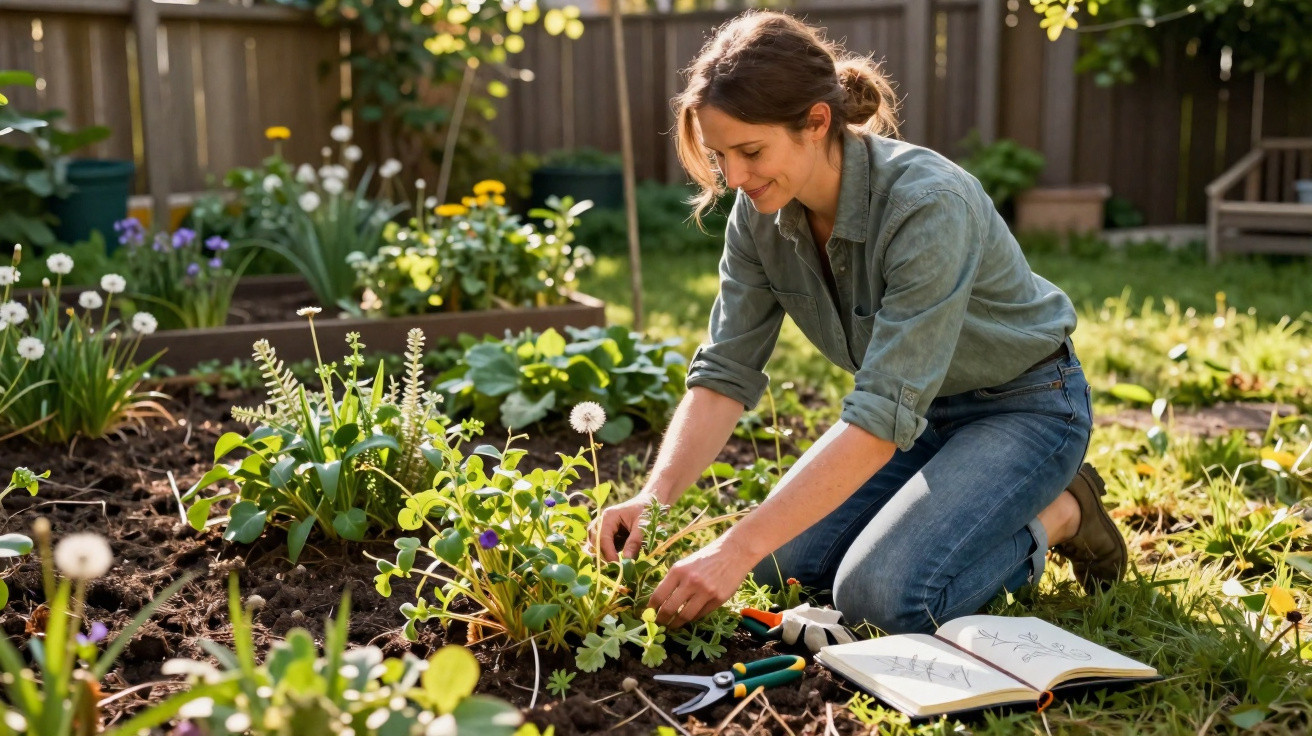
The first useful adjustment I made was almost embarrassingly straightforward. Instead of carrying a spray bottle, I walked around with a notebook. I noted down what appeared to thrive without any help from me: the scruffy oregano that had crept out of its pot, the self-sown calendulas, and the mysterious “weed” with tiny purple flowers that bees loved.
Then I did something that felt almost defiant: I chose to call those my “chosen plants.” I deliberately began watering them. I made room for them. I let the garden show me where it wanted to grow thick and full.
I also quit digging up every dandelion as though it had personally offended me. I left a strip of lawn by the back fence entirely untouched. Within a month, clover had spread through it, dotted with plantain and low violets. It felt softer underfoot than the rest of the grass. Even on hot days, the soil beneath stayed cooler and a little moist.
One afternoon, a friend’s child lay in that patch watching the clouds. “This part feels nicer,” she said, like a tiny garden critic with sticky fingers. She was right, I realised. The untamed section was the one that made you want to linger.
Let’s be truthful: nobody actually manages this every day.
The change did not happen instantly, and it was not especially romantic. I still needed to pull plants out. I still swore at bindweed. Instead of asking, “How do I get rid of all of this?”, though, I began to ask, “What here is actually helping?” Weedy groundcover shielded bare soil from scorching. Fallen leaves became mulch rather than “mess.” The garden ceased to be a battlefield and became a gradual conversation.
That’s when tending it stopped feeling like punishment and started feeling like care.
Small, unglamorous changes that transform a garden
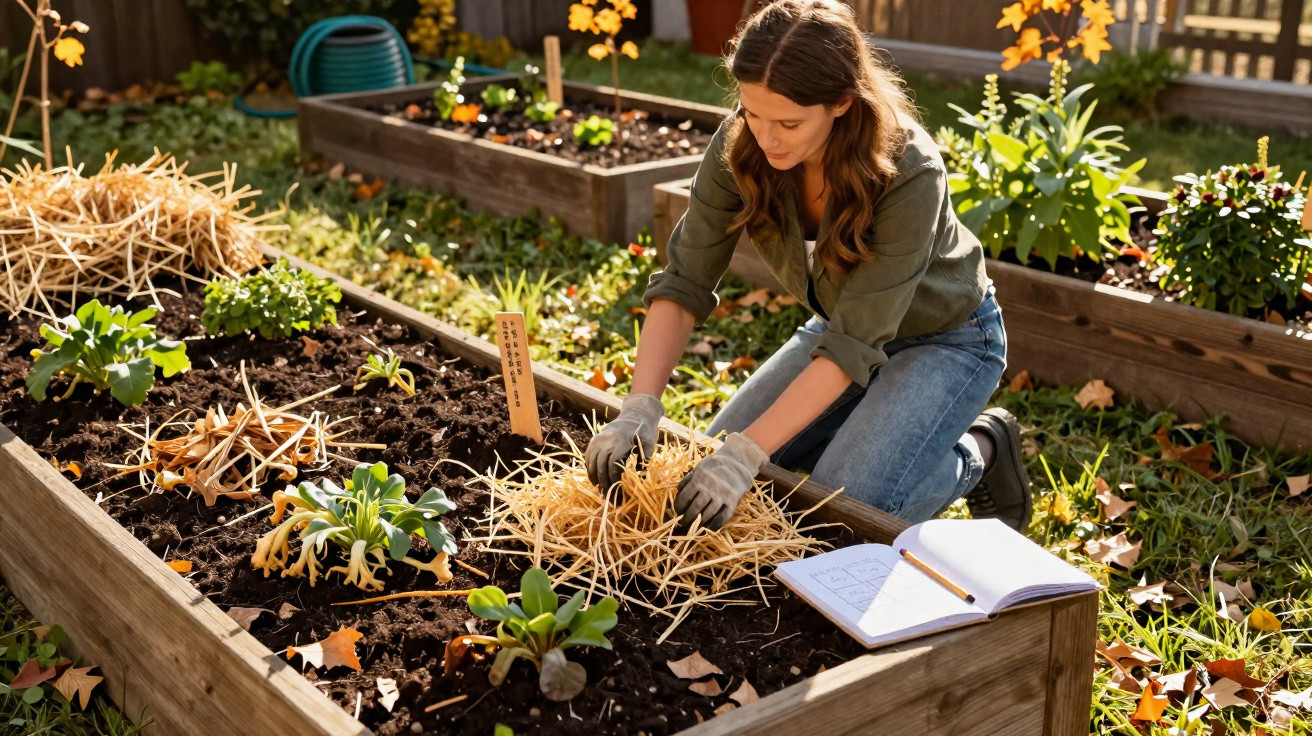
If one action changed how I related to the garden, it was this: I started covering the soil wherever possible. Mulch, leaves, cardboard and even shredded newspaper beneath paths all worked. Bare soil invites every passing seed to try its luck. Once I understood that, I stopped resenting weeds and started looking after the ground.
Whenever I removed something, I considered what would replace it. A plant. A stone. A deep layer of wood chips. I came to see that empty space was what had kept me locked in the struggle.
I also allowed myself to set a lower standard. The lawn did not need to resemble a golf course. The borders did not have to be ready for Instagram. I selected three “priority” areas and let the remainder be more relaxed: the front path people use to arrive, the small patio corner where I have coffee, and the vegetable bed.
Everything else became “semi-wild.” It was not neglected, only…less controlled. I watered more thoroughly but less frequently, planted in clusters rather than as isolated soldiers, and stopped attempting to grow plants that plainly disliked my climate. There was comfort in that honesty.
“I used to think gardening was about control,” an older neighbor told me over the fence. “Now I think it’s about paying attention and not taking it personally when things die.”
Create “wild zones” deliberately
Pick corners where clover, violets or self-sown flowers can remain. This reduces the space you feel compelled to keep tidying all the time.Plant more, weed less
Occupy gaps with robust, spreading plants you enjoy: thyme between paving slabs, low grasses and hardy perennials. The more ground that is covered, the fewer “uninvited guests” can establish themselves.Follow simple, repeatable routines
Spend 20 minutes on one evening each week. Do one larger seasonal tidy-up in spring and autumn. That is enough. A garden that works with your actual life will endure longer than a fantasy maintained only in occasional bursts.
When the garden is no longer a performance
What surprised me most was how my mood changed with the garden’s different pace. Once I stopped pursuing perfection, I began seeing details I had been too occupied to notice. The way 7 p.m. light turns even bedraggled plants into silhouettes. The tiny frogs sheltering beneath overgrown mint. The quiet, layered scent of soil after a storm.
I started asking people over even when the garden looked “messy.” No one was bothered by the weeds. They noticed the shade, the chair and the cup of tea. We stayed seated for longer. The garden performed its true purpose: making room for life to happen.
| Key point | Detail | Value for the reader |
|---|---|---|
| Work with what thrives | Watch self-sown plants and naturally vigorous species, then give them preference | Less wasted effort, more resilient, low-maintenance spaces |
| Cover the soil | Use mulch, groundcover plants or leaf litter rather than leaving exposed patches | Fewer weeds, better moisture, healthier soil life |
| Redefine “success” | Focus on a few important areas and accept semi-wild spaces elsewhere | Less stress, more time to enjoy the garden rather than battle it |
FAQ:
Question 1 How can I tell which plants to keep when I stop “fighting” my garden?
Begin by noticing which plants return independently and remain healthy with minimal care. If they are not invasive where you live and you find them attractive or useful to pollinators, they may be worth keeping.Question 2 Will my garden become a jungle if I ease off?
Not if you create straightforward boundaries. Maintain clear edges around paths, doors and windows. Within those edges, you can be more relaxed. A small amount of structure makes a considerable difference.Question 3 What if neighbours expect a “tidy” lawn?
Keep a neat strip at the front: mown paths, clipped edges and perhaps one well-maintained border. Beyond that visual frame, you can allow more wildness without attracting disapproval.Question 4 Can this approach work in a small urban garden or on a balcony?
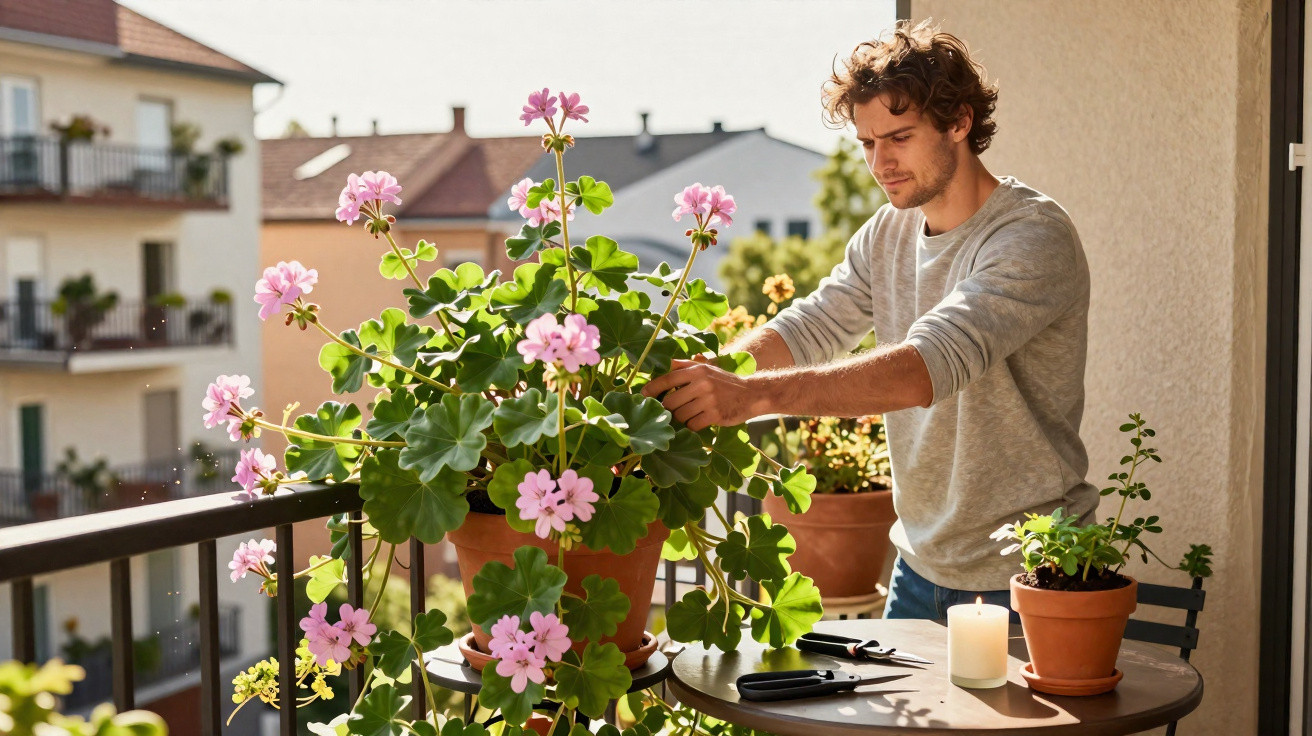
Yes. On a balcony, this simply means selecting hardy plants suited to your light, placing them densely together, and accepting a few self-sown visitors rather than constantly repotting and replacing plants.Question 5 What is one change I can make this weekend?
Choose one area and apply a generous mulch around the plants you want to keep. Then select one small wild zone that you will simply watch for a season instead of compulsively weeding.

Comments
No comments yet. Be the first to comment!
Leave a Comment