
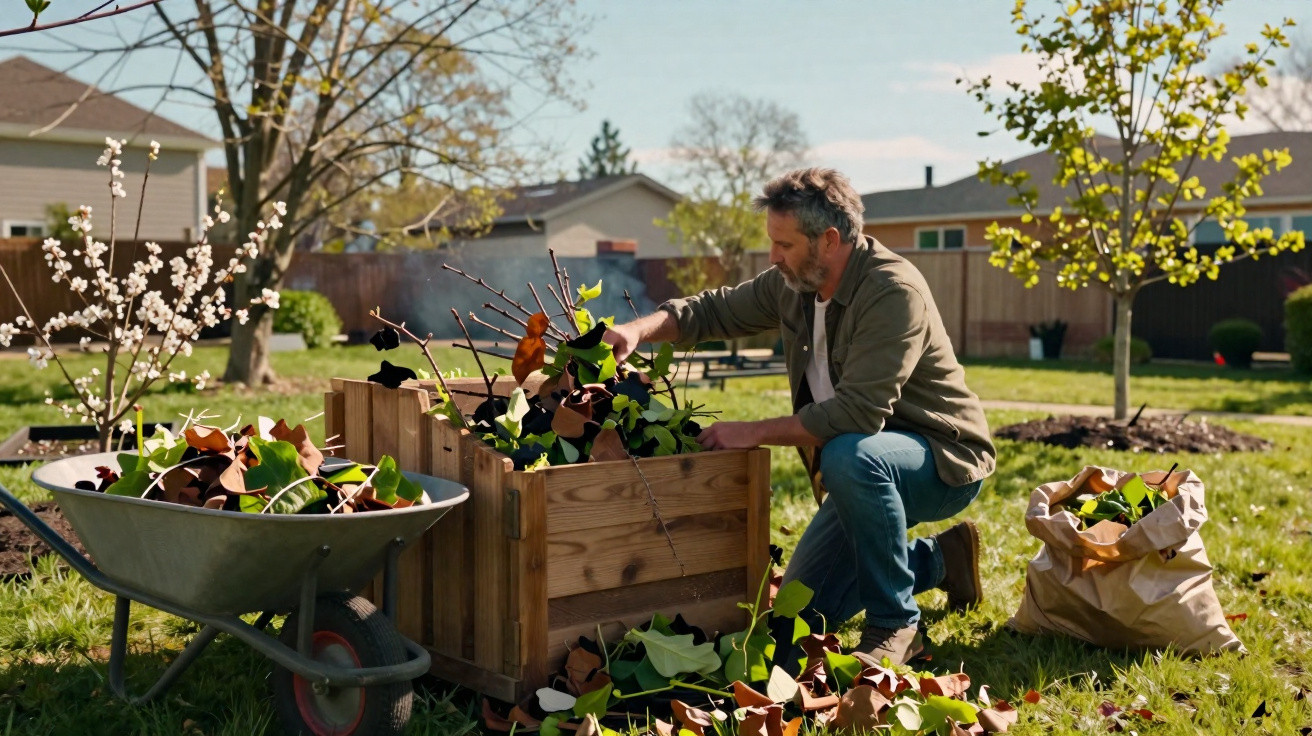
For decades, lighting a spring garden fire was simply seen as part of the season. In many places, that tradition is now disappearing: burning leaves, branches and other green waste is being phased out. In lots of towns and villages, March is the final cut-off before tougher rules come into force. These requirements are not just red tape - they are rooted in clear environmental and public health concerns.
Burning garden waste: effectively banned nationwide
Since the 2015 reform of Germany’s Circular Economy Act (KrWG), the principle has been straightforward: garden waste should not be burned, but recovered and reused. Under the law, leaves, cuttings and shrubs are classed as valuable organic raw materials that should be returned to the material cycle.
On that basis, burning garden waste is, in principle, prohibited in Germany. However, the federal states, districts and local councils can permit exceptions. Those exceptions are exactly what causes confusion, because they vary widely - by time period, by location and by what materials are covered.
"In many municipalities, permission for garden fires ends no later than 31 March - sometimes a few days later, but then it’s over."
A common arrangement allows private garden owners to burn residues from their own gardens on a small number of specified days in spring, usually under strict conditions on times, safety distances and permitted materials. In many areas, that window closes at the end of March.
Why garden fires are being restricted more and more
The direction of travel is unmistakable: away from burning, towards recovery and reuse. Authorities and environmental departments regularly point to several reasons.
Air quality and health
What may sound like cosy campfire ambience often turns, in reality, into a thick blanket of smoke. Damp leaves and partly rotted garden leftovers burn poorly, smoulder heavily and release large amounts of fine particulate matter and other pollutants.
- A strain on people with asthma or respiratory conditions
- Fine particulates can aggravate cardiovascular problems
- Smoke often drifts into neighbouring homes and triggers disputes
- With an unfavourable wind, nuisance spreads quickly across an entire residential area
Densely populated neighbourhoods are particularly sensitive when several gardens light fires at the same time. Complaints to local authority enforcement teams and the police have long been a routine feature of spring in many places.
Wasting resources instead of supporting the circular economy
Leaves, lawn clippings and hedge trimmings are ideal for composting. What looks like an “waste problem” can become a nutrient-rich soil improver that holds water and supports soil life. If everything is burned, that resource is literally turned into smoke.
This is exactly where the Circular Economy Act comes in: the aim is to recover organic waste as completely as possible through material recycling. Burning runs counter to that approach because it removes nutrients that could otherwise return to the soil.
Regional differences: from transition period to total ban
How strict the rules are depends heavily on where you live. Here is an overview of typical scenarios:
| Region / federal state | Situation |
|---|---|
| Many municipalities nationwide | Generally prohibited, with limited exceptions until 31 March or 15 April |
| Saxony-Anhalt (numerous places) | Burning still partly allowed until 31 March; fines possible afterwards |
| Mecklenburg–Western Pomerania | Political direction: a complete ban from 1 January 2029 has been announced |
| Urban conurbations | Often already permanent bans due to air quality and neighbour protection |
In Mecklenburg–Western Pomerania, Environment Minister Till Backhaus has already made the intended direction clear: from 2029, burning garden waste is to be fully prohibited. The stated reasons are alignment with federal waste law and protecting the climate and air quality.
"The direction is clear: what still runs as an exception today will disappear completely in many places within a few years."
What garden owners should check right now
Anyone still planning a garden fire should not rely on habit - they need to look up the rules currently in force. In some areas, the fine details change from one locality to the next.
Questions to answer before lighting anything
- Does my local council allow any exception at all for private garden fires?
- Up to what date is burning still permitted?
- What times, wind conditions and safety distances apply?
- Am I allowed to burn everything, or only tree and shrub cuttings?
- Do I have to notify the council’s enforcement team or the fire service?
The information is usually set out in local waste byelaws or in district-level burning regulations. Many councils also publish guidance notes or explain the rules on their websites. Anyone who ignores them risks fines and, in extreme cases, an emergency fire service call-out.
Are high penalties really possible?
The level of potential fines depends on the local byelaws. In many districts, the standard penalties can run into three or four figures if someone repeatedly breaches the rules or behaves particularly recklessly.
Possible consequences of an unauthorised garden fire include:
- A warning notice or fine from the council enforcement team
- Recovery of fire service costs if the fire spreads
- Civil disputes with neighbours over smoke damage
- Problems with liability insurance if the fire was not permitted
So anyone trying to “burn it all quickly” before a ban takes effect is gambling not only with neighbours’ health, but also with their own finances.
Legal alternatives: what to do with all that green waste
Instead of reaching for a box of matches, garden owners have several straightforward and lawful options.
Your own compost heap
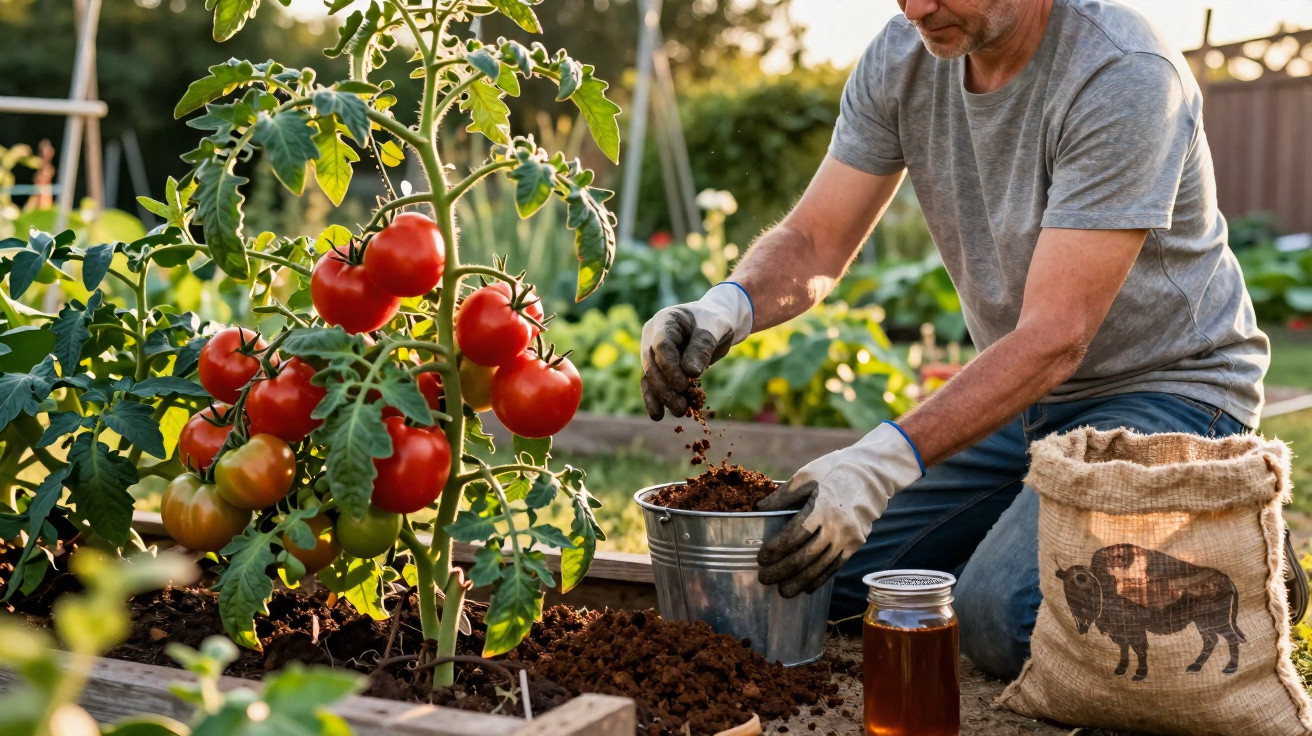
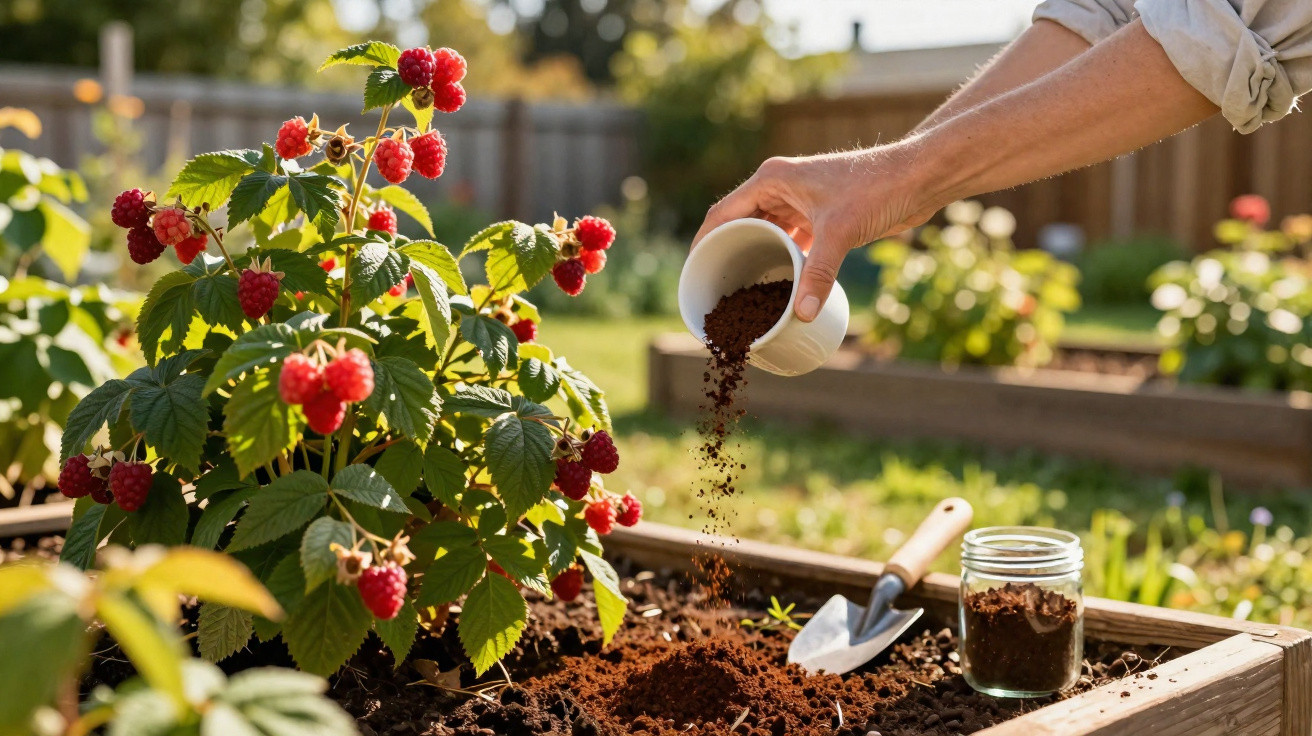
For many gardens, a compost area is the best solution. It reduces disposal costs and produces free fertiliser. The key is to layer it sensibly: chop up coarse material such as branches, mix it with leaves and grass clippings, and add a little soil or finished compost in between.
Benefits of compost:
- Soil becomes looser and retains more water
- Plants receive natural nutrients
- Less need for bought-in fertilisers
- Fewer transport journeys for disposal
Brown bin and household recycling centre
If you do not have space for composting, use the brown bin for organic waste or the council’s green-waste drop-off points. Many towns and villages run their own composting sites or work with waste contractors.
Typical services include:
- Brown bin collections for kitchen and garden waste
- Green-waste collection sites with set opening hours
- Mobile collections in spring and autumn
- Largely free acceptance of hedge cuttings and leaves
Some operators later sell the compost produced there back to private customers - closing the loop from garden waste to soil improver.
What counts as garden waste - and what doesn’t?
If you want to comply with the rules, it helps to know the difference between acceptable green cuttings and a prohibited mixed load on a fire.
Typical garden waste:
- Leaves, lawn clippings, withered perennials
- Branches, twigs, hedge trimmings
- Roots and stumps without soil
Items that are forbidden in a garden fire include, for example:
- Painted, varnished or treated wood
- Wood containing nails, screws or fittings
- Plastics, sheeting and plant pots
- Household rubbish and bulky waste
Once such materials are burned, the situation is treated far more seriously because it is no longer “garden waste” but illegal waste incineration - with correspondingly harsh consequences.
Practical tips for a spring start in the garden
If you switch approach now, you can treat the new reality as a chance to manage your garden in a more climate-friendly way over the long term. A few practical ideas:
- Leave some leaves under hedges and on beds - it protects the soil and provides habitat for insects.
- Stack shrub cuttings into a deadwood pile - ideal for hedgehogs, beetles and wild bees.
- Spread lawn clippings thinly as mulch between vegetable plants - it reduces watering.
- If there is heavy pest infestation, dispose of affected plant parts separately so diseases do not spread.
Many councils now promote these nature-friendly methods with information leaflets or even small support schemes, for example subsidies for composters or shredders.
Why changing habits pays off in the long run
Anyone who avoids burning today can benefit in several ways in future: cleaner air in built-up residential areas, more fertile soil at home, and fewer conflicts with neighbours. Particularly in dry summers, it becomes obvious how valuable living, humus-rich soil is - it holds water and supports plants even during heatwaves.
Moving from “burning off” to deliberate, sensible use of garden waste also fits a broader trend: throwaway attitudes are losing acceptance, and closed-loop material cycles are gaining attention. What was once seen as an annoying heap of leaves turns out to be a free raw material - if you handle it correctly.
So if you are using the next warm spring spell for garden jobs, do not just think about tidying up. Plan at the same time where all that material will go - legally, sensibly and without trouble from the council’s enforcement team.

Comments
No comments yet. Be the first to comment!
Leave a Comment