
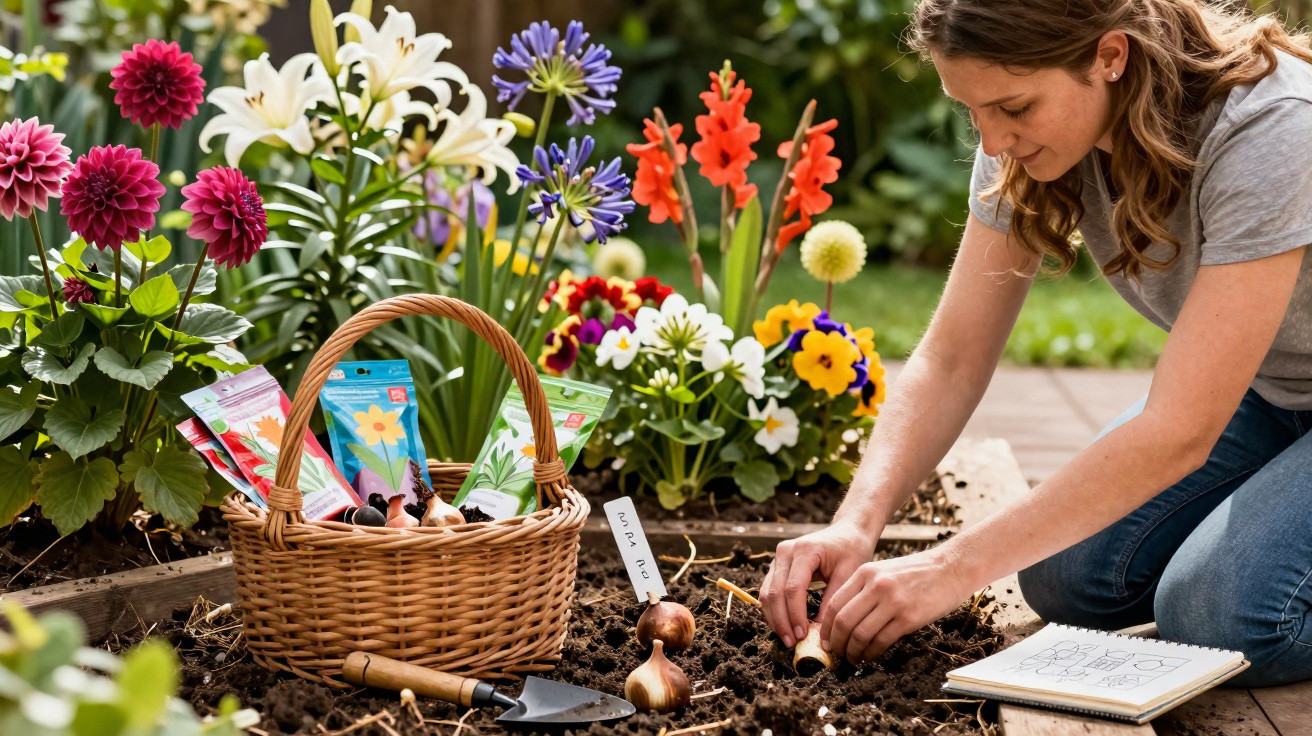
Get your hands dirty briefly in April – and your garden will burst into colour all summer long.
With no bare patches at all.
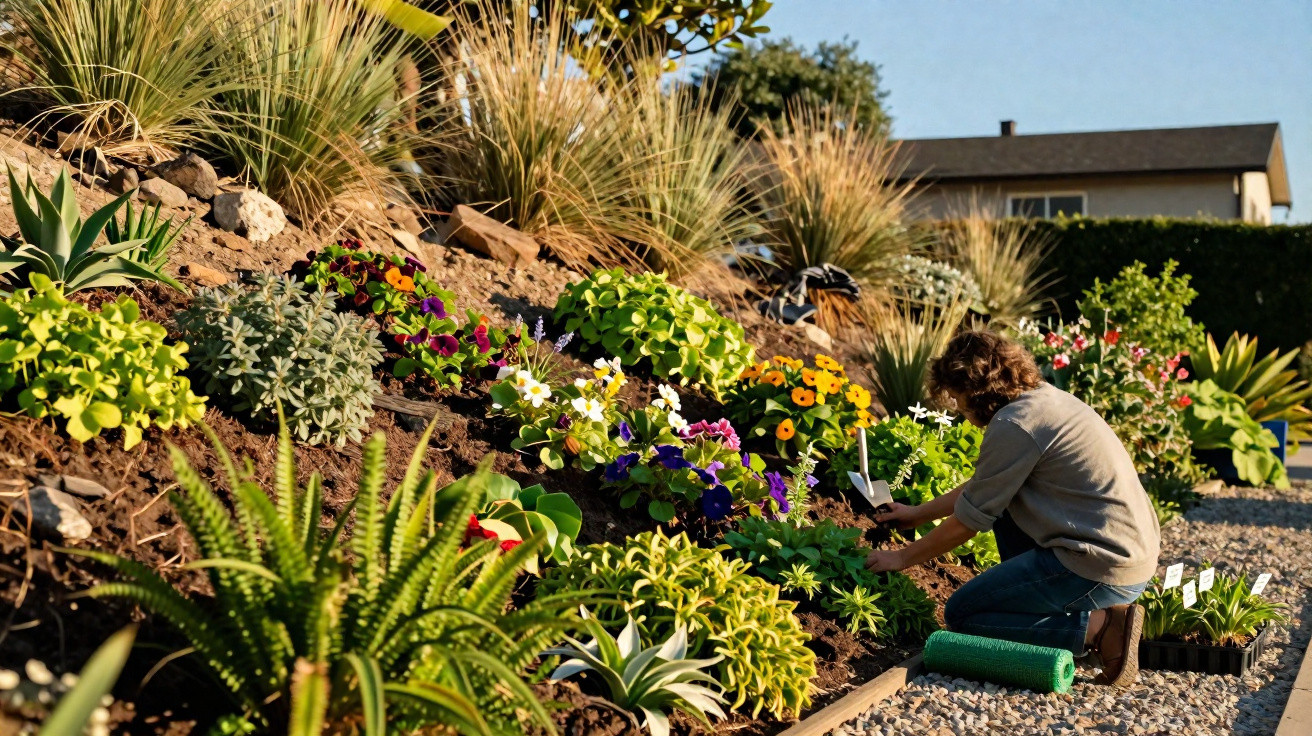
Every year, many amateur gardeners are frustrated by gaps in their flower borders: one area has already finished flowering while another has yet to come into bloom. Choosing the right summer-flowering bulbs and tubers in April is a targeted way to avoid this issue. The border can then remain full, colourful and continuously in flower from June well into autumn.
Why April is the insider tip for summer-flowering bulbs
In April, the soil and weather conditions usually work together perfectly. The ground still holds plenty of moisture from winter, but is no longer continually drying out. At the same time, temperatures rise enough for tubers and bulbs to begin growing quickly.
“The combination of residual soil moisture and steadily warming temperatures creates a strong root system – the most important foundation for a long summer flowering season.”
Planting now gives plants a head start: they establish robust roots early and cope far better with dry spells in high summer. This also reduces the need for watering, which is a real benefit in many areas subject to water restrictions.
Although the main planting period for summer bulbs runs from March to May, April is considered the ideal middle ground: frost is rarely still present in the soil, the earth is noticeably warming up, and plants can comfortably flower from around June to October.
April is particularly reliable in cooler locations where late frosts are possible, such as upland areas and higher elevations. In milder parts of the country or warmer wine-growing climates, planting can begin at the very start of the month. This makes it easy to adapt the planting date to your own region.
The 7 best tubers and bulbs for a gap-free summer border
The following selection provides a wide range of heights, flower shapes and colours. Planted together, they create a relay of blooms from June far into autumn.
Dahlias: an explosion of colour until autumn
Dahlias are planted as tubers and grow rapidly once they shoot. They generally flower from midsummer until October, offering almost everything: small pom-pom flowers, enormous dinner-plate blooms, cactus forms, simple flowers for insects, and colours ranging from pastels to neon shades.
They prefer rich, loose soil and a sunny position. Tall varieties need staking, otherwise the next summer thunderstorm can simply flatten them. Regularly removing faded flower heads rewards you with fresh buds time and again.
Lilies: elegant, scented stars for the middle or back of the border
Lilies add height, structure and, depending on the variety, an intense fragrance to the border. Their flowering period is usually from June to August. Their upright stems make them well suited to the middle or rear of a planting scheme.
They need deep, loose and fairly humus-rich soil, and perform best when their base is lightly shaded while the flowering part receives sunshine. Planted in small groups, they make a much stronger impact than stems scattered individually throughout the border.
Tuberous begonias: colour for shady corners
Tuberous begonias are ideal for semi-shaded or shaded borders, underplanting and large containers. They normally flower from July into autumn, filling even darker corners with vivid red, orange, pink, yellow or white blooms.
They favour a fertile, loose growing medium that never dries out completely but is not waterlogged either. In borders, they pair perfectly with plants such as hostas or ferns, which have similar requirements for shade and moisture.
Gladioli: striking flower spikes for summer
Gladioli are the classic cut flowers from Grandma’s garden – and they are currently enjoying a revival. Their tall, slender flower spikes provide bold summer accents, especially when planted in rows or generous groups.
Planting a fresh row of gladioli every ten days extends the flowering period over many weeks. In exposed, windy sites, the tall stems absolutely need canes or other supports, as they break easily otherwise.
Canna: tropical character in the home garden
Canna, also known as canna lily, creates an almost tropical atmosphere with its large, often variegated leaves and brilliant flowers. It thrives in full sun and warmth, in fertile, well-drained soil.
Its distinctive flowers appear from around June to August, but its lush foliage remains impressive even when it is not in bloom. Combining it with warm shades such as orange, red and yellow creates a genuine holiday feeling in the border.
Crocosmia: delicate sprays of fire
Crocosmia, often also called montbretia, produces delicate, arching flower stems in shades of orange, red or yellow. It is less imposing than canna or dahlias, but introduces plenty of movement into a planting scheme.
It loves sunny, free-draining positions and works well at the front or centre of the border. Its flowers are considered a magnet for bees and other insects.
Agapanthus: architectural flower globes
Agapanthus, commonly known as African lily, draws every eye with its rounded flower heads in blue or white on long stems. From June to August, it gives borders and containers a clear, almost architectural form.
It likes warmth, sunshine and soil that is on the lean side rather than overly rich. In mild areas it can overwinter in the ground, but growing it in a container is the safer option elsewhere. The plant can then be moved to a frost-free garage or cellar.
How to plant summer-flowering bulbs correctly
“The rule of thumb: plant at a depth of around two and a half to three times the height of the bulb or tuber, space them according to the variety’s instructions, and always use well-drained soil.”
- Loosen the soil and improve heavy ground with sand or compost.
- Dig planting holes deep enough to provide a planting depth of 2.5–3 times the height of the bulb or tuber.
- Place the pointed end upwards, loosely refill with soil and firm it gently.
- Water generously so that the soil settles around the plant.
- Apply a layer of bark mulch or a similar material to retain moisture.
- If needed, give tall varieties such as gladioli, dahlias and canna a supporting cane straight away.
- If late frosts are forecast, protect young shoots with horticultural fleece or an upturned bucket.
Plan borders cleverly: where each plant works best
A carefully planned layout stops tall plants from overwhelming smaller neighbours. At the same time, deliberately graduated heights make the border more interesting.
| Border area | Suitable plants | Effect |
|---|---|---|
| Back | Lilies, agapanthus, tall dahlias, canna | Height, structure, bold blocks of colour |
| Middle | Medium-height dahlias, gladioli, crocosmia | Colourful bands of flowers, movement |
| Front | Tuberous begonias, low dahlias, crocosmia | Dense flower cushions, a closed border edge |
Adding perennials such as coneflowers, coreopsis or gaura between the tubers increases density in the border and fills small gaps without crowding the summer-flowering bulbs. Low ground-cover plants such as alyssum, omphalodes or lamium are suitable for the very front areas.
Combining colours and textures with impact
Visually, a border depends above all on contrast. The fine flower spikes of gladioli work beautifully with the rounded heads of dahlias. The warm tones of canna and crocosmia add energy, while white or blue agapanthus flowers provide restful areas.
In shaded spots, combinations of tuberous begonias, hostas and heuchera create an almost painterly effect: large leaves, vivid blooms and foliage colours ranging from green to deep purple. In full sun, canna and crocosmia combine superbly with delicate grasses such as fountain grass, making the overall effect feel lighter and more natural.
Common planting mistakes – and how to avoid them
What many people underestimate is that waterlogging is the most frequent reason bulbs and tubers rot. If water remains in the border for a long time after rain, the soil urgently needs improving. Sand, horticultural grit and compost can solve the problem.
Planting too shallowly is equally troublesome. If dahlia tubers or lily bulbs are pushed only just below the surface, they dry out more easily or may be hit by frost. The guideline of two and a half to three times their height is genuinely worthwhile here.
For watering, it is enough to irrigate thoroughly after planting and then water less often but more deeply later on. Constant dampness encourages fungal diseases and rotting tubers. Good mulch reduces evaporation and keeps the soil fresh for longer.
Practical advice on care, storage and winter protection
Many of the plants listed are not fully hardy. Dahlias, gladioli and canna should be lifted after the first light frost. Their tubers and rhizomes can then be stored in boxes with a little dry soil, sand or sawdust in a cool, frost-free place.
Container-grown agapanthus can remain in its pot, but needs a bright, frost-free room where the temperature stays slightly above zero. Crocosmia usually survives in the ground in mild areas beneath a thick layer of mulch, while in harsher regions it is also worth giving it light winter protection.
Once these routines become familiar, you can enjoy an almost self-running summer garden for years: plant in April, enjoy it through summer and do a little tidying in autumn. With the right mix of dahlias, lilies, tuberous begonias, gladioli, canna, crocosmia and agapanthus, borders look full, flower-rich and remarkably professional – entirely without horticultural training.
Comments
No comments yet. Be the first to comment!
Leave a Comment