
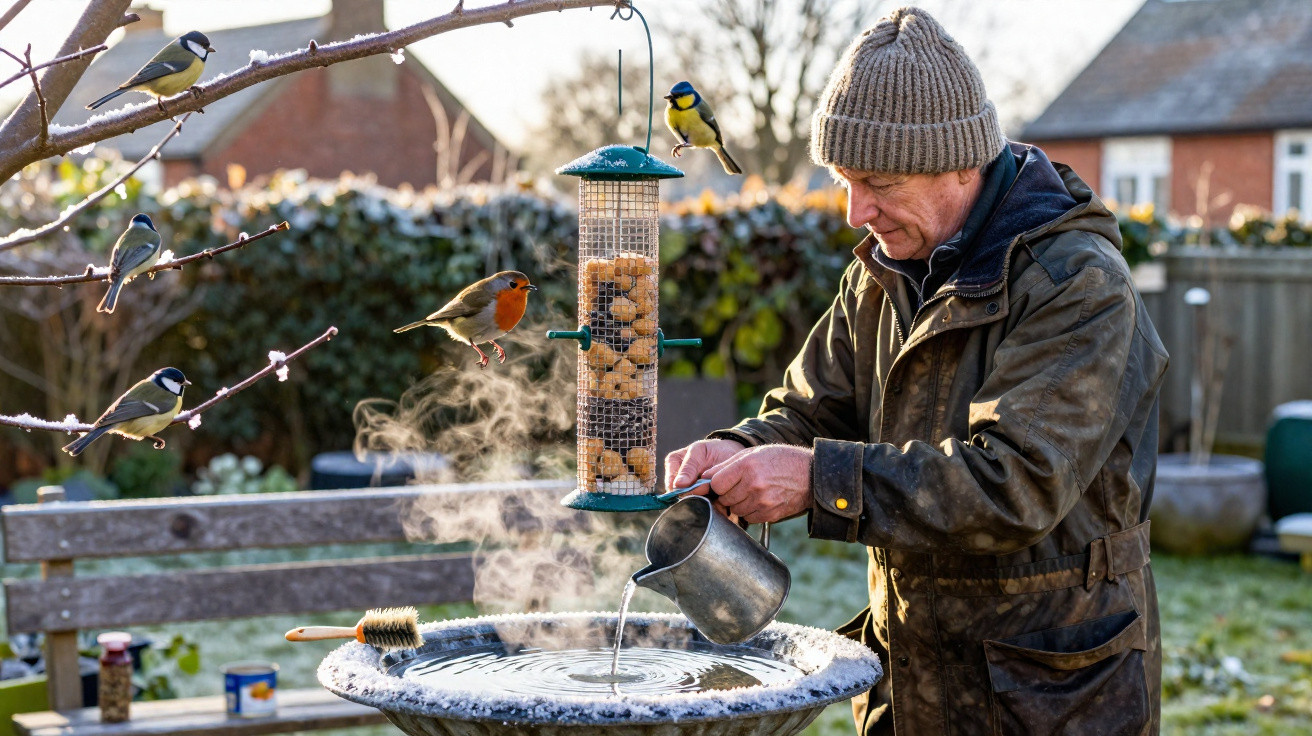
Across the Channel, many householders alter what they put in their bird feeders to give birds better support during cold spells.
Birds visiting a garden are not simply looking for seeds. In the depths of winter, their main need is for energy they can access quickly. British wildlife enthusiasts have long recognised this distinction, and it affects how often birds use feeders while potentially benefiting species living near homes in France too.
Bird feeders designed as energy reserves
The familiar image of an English garden busy with tits, finches and robins is not solely down to the climate or the abundance of substantial hedges. It also reflects a widespread practice: providing food that matches birds’ actual seasonal requirements.
In February, nights are still long and can be freezing. A small songbird uses up a significant proportion of its reserves simply to maintain its body temperature. A blue tit, weighing only around ten grams, needs to feed regularly if it is to get through the following night in good condition.
The change is not about filling the feeder more generously, but about offering food that is more concentrated and more carefully selected.
Low-cost seed mixes often include wheat, cracked maize or large seeds. While these ingredients are not necessarily harmful, much of them is often left on the ground. Smaller birds may sort through them, reject them, or struggle to eat them easily.
Shelled sunflower: an especially useful choice
The approach favoured by many gardeners in England is straightforward: choose seeds that are nutrient-rich, effortless to eat and unlikely to create waste. Sunflower hearts, meaning seeds with their husks already removed, meet these requirements particularly well.
They bring several benefits. Birds do not have to expend energy breaking open a husk, so they can eat the nutritious part of the seed more quickly. The area beneath the feeder also stays cleaner because discarded husks do not build up.
- Sunflower hearts are well suited to tits, greenfinches, finches and nuthatches.
- Tiny nyjer seeds are more likely to attract goldfinches.
- Mixes containing fruit and small dried insects can appeal to robins.
- Fat cakes without nets provide lipids during cold spells.
This food is not, by itself, a complete diet. Birds will still search for insects, larvae, berries and wild seeds. A feeder serves as supplementary food, which is especially valuable when the ground is frozen or waterlogged.
Why fats matter so much in winter
Fats act as energy stores. In wild birds, they are used in particular to generate heat and compensate for long periods without food. Food high in fat can therefore make a genuine difference during a cold snap.
Products should still be selected carefully. Very cheap fat balls can contain large amounts of flour or other ingredients of limited value. It is preferable to check the label and choose a simple recipe based on vegetable fat or suet, seeds and, where appropriate, dried insects.
Plastic nets around fat balls should be avoided: feet and beaks can become trapped in them. A metal holder is far safer.
Matching the food to garden visitors
A generously stocked feeder can quickly become the domain of pigeons, crows or starlings. These species fully belong in the natural environment, but they may monopolise a food source intended for smaller birds. The solution is to vary both the locations and the types of feeder used.
A tube feeder fitted with small perches restricts access for larger birds. Conversely, a shallow dish on the ground, sheltered by a shrub, can be useful for robins and blackbirds. These birds often prefer to peck close to the ground rather than hang from a feeder.
| Common visitors | Suitable food | Recommended location |
|---|---|---|
| Tits | Shelled sunflower, fat, unsalted peanuts | Hanging feeder |
| Robins | Mealworms, fruit, soft mix | Low, sheltered tray |
| Goldfinches | Nyjer seeds | Feeder with small openings |
| Blackbirds | Pieces of apple, rehydrated raisins | Open ground, out of cats’ reach |
Hygiene: the detail that protects the whole small flock
A dirty feeder can become a place where disease spreads. Damp conditions encourage mould, while droppings quickly collect on feeding trays. The most vigilant British gardeners therefore clean their equipment regularly, particularly when it is visited by large numbers of birds.
Washing it weekly in hot water and allowing it to dry thoroughly reduces the risk. Wet seeds, fermented food and scraps that have fallen to the ground should also be removed. If a bird appears severely underweight, lethargic or has unusual plumage, it is best to stop feeding for a few days and disinfect the equipment carefully.
Water, even in cold weather
Water is often overlooked, despite being useful throughout the year. Birds need it for drinking and for maintaining their feathers. A shallow container, cleaned regularly and placed in an open spot, is enough. During frosts, the water should be replaced rather than treated with salt, sugar or alcohol, all of which may harm birds.
Feeding is even more effective when it forms part of a wildlife-friendly garden. A native hedge, a few plants left to set seed, an area of fallen leaves and berry-bearing shrubs provide shelter as well as natural food. The feeder does not replace this habitat; it complements it.
As spring approaches, very fatty foods should also be reduced gradually if temperatures rise for a sustained period. Birds then turn towards natural resources, while parents seek more protein to feed their young. Keeping a clean water source, allowing some vegetation to grow and avoiding pesticides are simple measures that extend the benefits of this winter care.




Comments
No comments yet. Be the first to comment!
Leave a Comment