
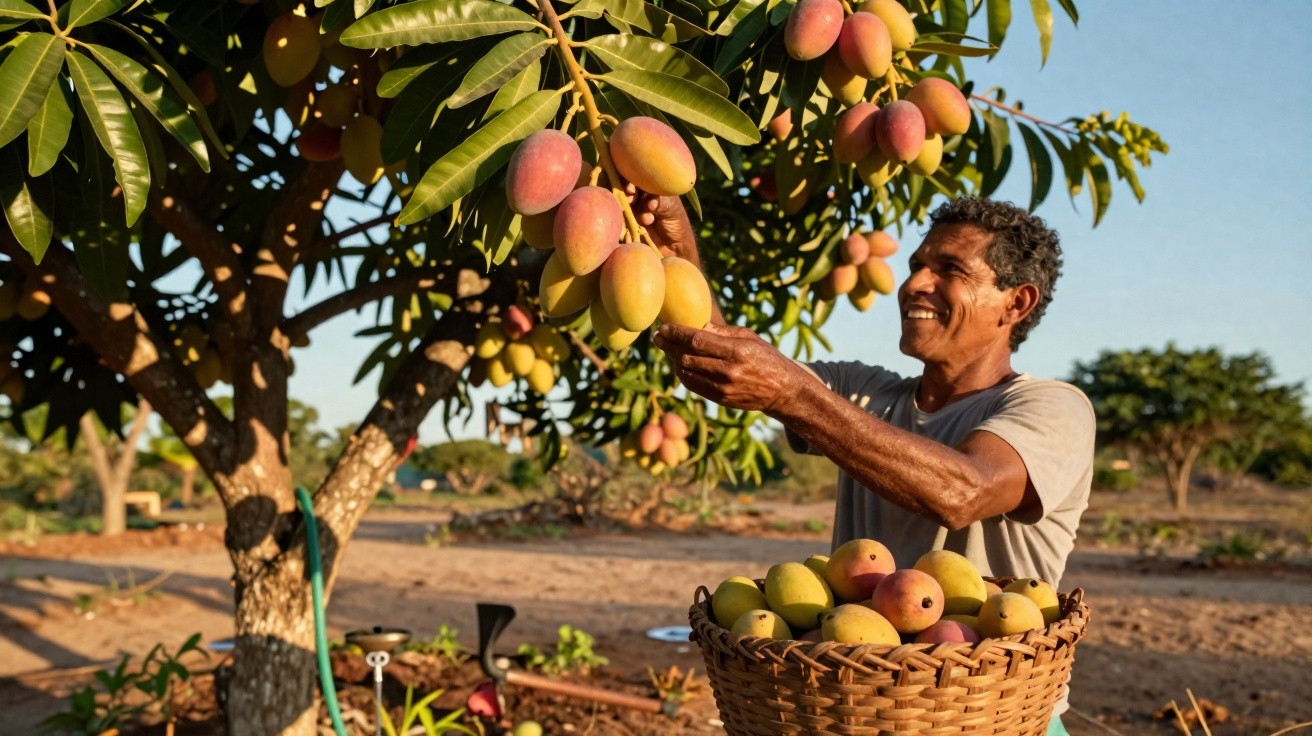
The mangabeira is a Brazilian tree recognised for its ability to grow in settings where other fruit trees may struggle. Its fruit, the mangaba, stands out for its distinctive aroma and flavour, yet there is one aspect of cultivation that often surprises people considering planting it: although hardy, this tree has particular needs that must be met if it is to grow well and bear fruit.
Why is the mangabeira considered a hardy tree?
The mangabeira (Hancornia speciosa) is a species native to Brazil, occurring naturally across several parts of the country. It is chiefly linked with open vegetation areas, including coastal sandplain habitats, cerrado savannahs and other environments with well-drained soils.
Its appearance may be misleading to those familiar with more demanding fruit trees. Usually small to medium in size, it has a branched trunk and green leaves, and once established it can withstand periods of reduced water availability. However, this hardiness does not mean that every growing condition is suitable.
What makes the mangabeira fruit so distinctive?
The mangaba is a relatively small fruit, usually round or oval, and may be green or yellowish as it ripens. Its flesh is soft and fragrant, and it is used to make juices, sweets, ice creams and other recipes.
One interesting feature is the latex produced by the tree. When parts of the mangabeira are damaged, they may release a milky substance. The fruit may also contain latex while it is still unripe, which is why the stage of ripeness matters for eating and using mangaba.
Where does the mangabeira grow best?
Despite its resilience, the mangabeira generally develops best when its natural requirements are taken into account. Plenty of sunshine and free-draining soil are important, as excess water around the roots can hinder the plant's development.
For this reason, selecting a sunny position and avoiding places where water collects matters more than simply providing large amounts of water. The species' hardiness is connected to its adaptation to the environment, and recreating some of these conditions can support its growth.
Why can growing a mangabeira be surprising?
One point requiring attention is that the plant may grow without producing the expected fruit straight away. As with other fruit trees, its age, environmental conditions, light availability and the characteristics of the individual plant all affect fruiting.
In addition, the mangabeira should not be regarded as a tree that requires continual care to stay healthy. Rather than excessive intervention, cultivation should prioritise good light exposure, drainage and sufficient space for the roots, while respecting the species' natural pace.




Comments
No comments yet. Be the first to comment!
Leave a Comment