
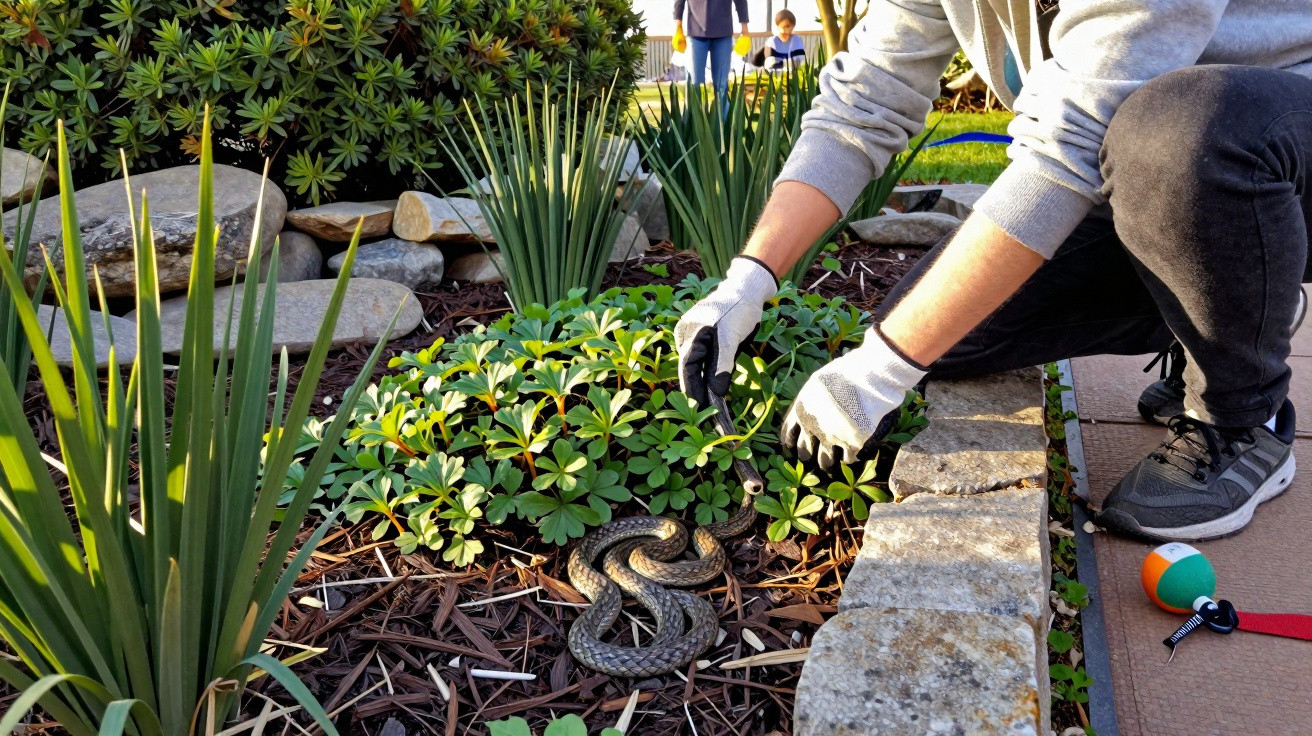
From around mid-March, adders and other snakes begin to leave their winter hideaways and may move closer to our homes. Certain ornamental plants and garden layouts can make a property especially appealing as shelter. If you know the typical “snake magnets”, you can reduce the risk in a targeted way-without having to dig up the entire garden.
When snakes in the garden become active
Many amateur gardeners only expect snakes in late spring, but these animals become active noticeably earlier. What matters is not the calendar date, but the temperature of the ground.
- from roughly 12 to 15 °C during the day: snakes come out of brumation
- in many lowland areas: this level is often reached around mid-March
- on south-facing slopes and in towns and cities: activity is often earlier
Once they have woken up, they mainly look for one thing: warmth, but with cover. They want to bask without being spotted by birds of prey or hedgehogs. That is exactly where certain plants come in, because they offer this mix of shelter and heat like a ready-made hide.
“Where the ground stores warmth and dense greenery provides cover, the likelihood of snakes increases significantly.”
Why certain plants seem to attract adders
Snakes are cold-blooded. They rely on their surroundings to regulate body temperature, so they favour places that heat up well while still feeling safe. It is usually less about the plant species and more about the structure the planting creates.
Three things can turn a plant into a snake magnet:
- a dense base that is hard to see into
- warmth stored at ground level or between stones
- small gaps where the animal can lie flat and stay hidden
Several popular choices in ornamental gardens provide exactly this combination. Three groups of plants, in particular, are commonly found in gardens-and are readily used by snakes.
Autumn ornamental grasses with dense clumps: a haven for reptiles
Large clump-forming grasses with lush tufts of leaves-such as the widely planted pampas grass-are often used as statement plants in front gardens and borders. At ground level, however, these impressive perennials can create perfect conditions for adders.
The structure is typically as follows:
- very dense leaves that form an almost impenetrable cushion
- dry plant matter inside the clump that retains warmth
- small cavities right at soil level that are barely visible from outside
These clumps can grow to several metres tall. From the outside, all you see is a mass of leaves; inside, a sheltered zone develops with noticeably higher temperatures than the surrounding area. An adder can lie there undisturbed, and may also wait in ambush for prey.
“Large, closed clumps of grass in the front garden look decorative to people-for adders, they are like a furnished studio flat.”
Ground-cover carpets: discreet tunnels for snakes
The second plant group consists of extremely dense ground cover. Many of these plants are considered low-maintenance because they suppress weeds and cover bare soil. That is precisely what makes them appealing to snakes.
Typical examples include:
- creeping juniper varieties
- cushion-forming Cotoneaster species
- low-growing, carpet-like perennials and trailing climbers
They form a green layer beneath which air barely moves. When the sun warms the area, the soil heats up; the warmth rises and becomes trapped under the canopy of leaves. From above, you see nothing-underneath, a genuine passageway can form. For adders, this creates a protected route alongside walls, paths, or patios.
When stone and greenery meet
These areas become even more attractive when the planting is combined with stonework: a dry-stone wall, a rock garden, or a paved patio. Stones absorb heat during the day and release it slowly afterwards. In joints and beneath overhanging shoots, a microclimate develops that is clearly warmer than the surrounding garden.
A common setup in residential areas is a south-facing patio with a stone edging in front and trailing plants spilling over it. The surface warms up during the day and stays warmer into the evening-an ideal spot for an adder that wants to retreat without being noticed.
Dense hedges and shrubs: ideal cover close to the house
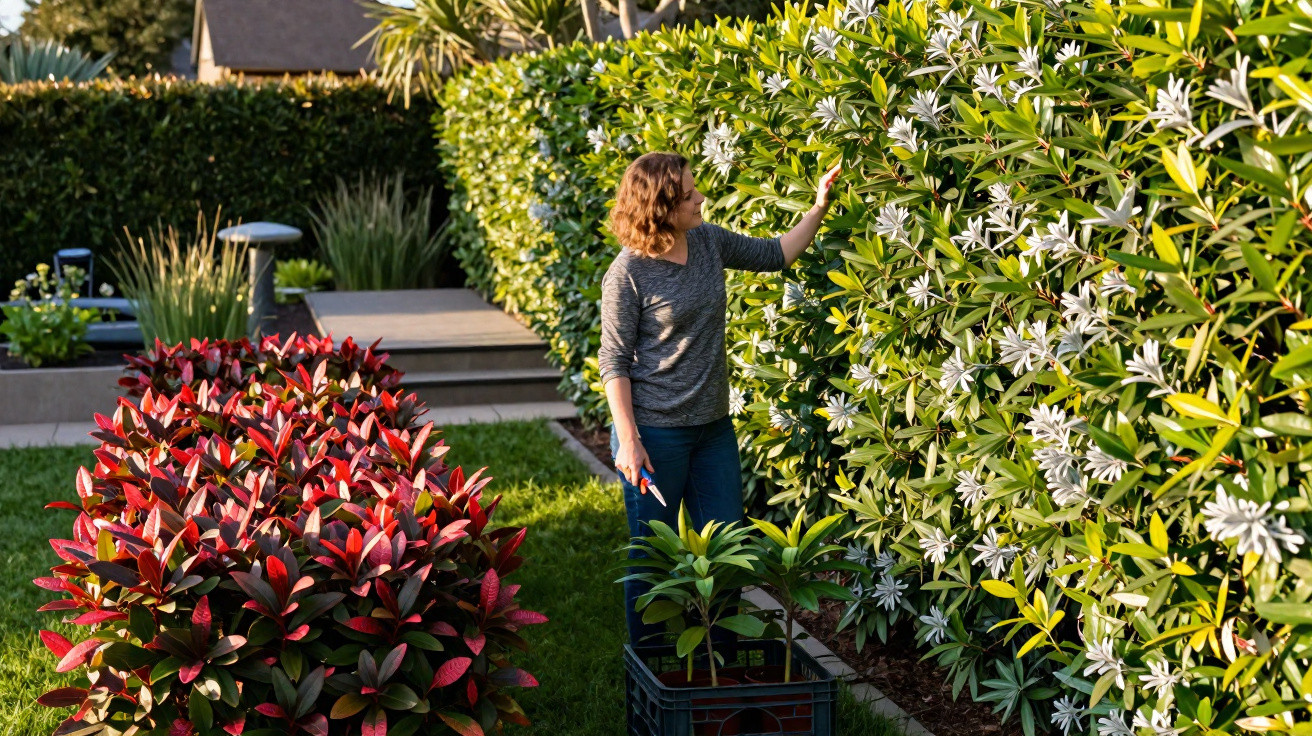
Low, heavily branched shrubs and thick hedging are also frequently used-less for basking, more as cover or a corridor.
The risk increases when several factors come together:
- a hedge or shrub with dense foliage starting close to the ground
- a thick layer of leaves or bark mulch underneath
- a nearby wall, steps, or a stone patio
In these spots, dry, warm voids can form, allowing snakes to move back and forth between house and garden. Because mice and other small animals also live there, adders may find a food source at the same time.
“Where food, warmth and cover come together, snakes rarely stay away for long.”
What to change in the garden before mid-March
If you want to lower the risk in your own garden, it is best to start with a few targeted adjustments before spring. The aim is not to drive every snake out of the wider area, but to make the zones directly around the house less inviting.
Clear space at the base of plants
One straightforward step that is highly effective is to improve visibility and airflow at ground level.
- under shrubs and ground cover, create a gap of 15 to 20 cm between the soil and the leaf mass
- remove old, dead plant material from inside large grass clumps
- gently lift or trim back trailing growth along walls or steps
When light and air reach the soil, adders tend to feel less secure. Open ground discourages them because it makes them easier for predators to spot.
Tidy up stone areas and walls
Small changes also help around stonework:
- clear leaves and old plant debris out of the joints in rock gardens and dry-stone walls
- stabilise loose stones and close up larger gaps and cavities
- around heavily used areas such as the patio or front door, avoid allowing too many “green curtains” to hang over edges
This removes typical “snake tunnels”. The animals are then more likely to choose quieter corners towards the back of the plot.
Rethink mulch: mineral is better than organic
Bark mulch, wood chippings, or thick layers of leaves insulate the ground and provide cover for many creatures. Right next to the house, however, they can attract unwanted visitors.
Specialists often recommend lighter-coloured, mineral ground coverings around patios, paths and entrances, for example:
- light gravel
- grit
- pale decorative stones
These materials hold less heat, are less useful as hiding places, and are easy to check. Organic mulches are better suited to the edge of the property, where the occasional snake is less of an issue.
Protection status and what to do if you encounter one
Adders and other native venomous snakes are strictly protected in many European countries. They must not be hunted, killed, or captured. The recommended approach is always the same: create distance rather than trying to tackle the animal.
If you unexpectedly come across a snake in the garden, a few basic rules help:
- stop immediately and stay calm
- step back slowly by two or three steps
- leave the animal a clear escape route; do not surround it
- do not try to chase it away with tools, a broom, or your hands
If the snake remains for a longer time near the front door, garage, or a play area, contact local nature conservation groups, reptile specialists, or the fire service. In many areas there are trained contacts who can assess the situation and, if necessary, take action.
How to protect children and pets
A few everyday habits can greatly reduce the risk, even if snakes are present nearby:
- tell children not to reach into dense shrubs or under wood piles
- in summer, wear sturdy shoes rather than sandals near rock gardens and hedges
- use robust gardening gloves when working in beds
- keep dogs on a lead in areas where snakes may be present
Many bites happen because animals are startled or feel cornered. Avoid going barefoot between stones and do not grab blindly into leaf piles-both steps significantly lower the risk.
Why snakes are still useful
As unsettling as the idea of adders near the house can be, these animals play an important role in the ecosystem. They help control populations of mice, young rats and other small animals, which can otherwise spread disease and damage buildings.
By keeping enough distance from living areas, you can achieve both: a safer garden and a healthy balance of wildlife. For instance, a dedicated refuge can be created at the edge of the property-made from branches, stones and leaves, positioned as far as possible from the patio and play area. This provides habitat not only for snakes, but also for lizards, hedgehogs and many insects.
Ultimately, it is less about panicking at every rustle in the grass and more about smart garden planning. If you understand which plants and structures adders favour, a few cuts and small layout changes can help people, pets and reptiles keep out of one another’s way.

Comments
No comments yet. Be the first to comment!
Leave a Comment