
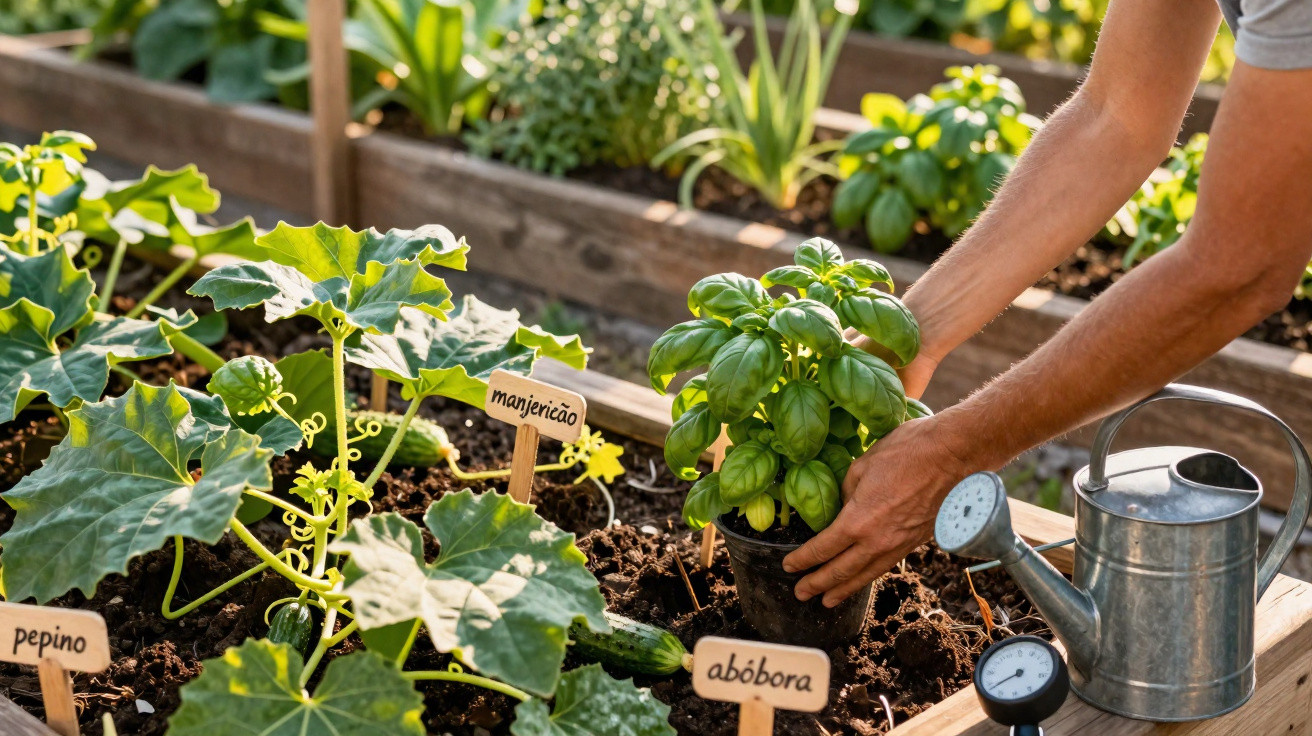
Basil is often seen as an easy-going kitchen herb and a classic partner for tomatoes. But not every plant makes a good neighbour for this delicate flavour-bomb. Some species rob it of light, water or nutrients, while others can even influence its taste. If you know these five troublemakers, you can avoid disappointing harvests and limp, weak stems.
Why basil doesn’t get on with every plant
Mixed planting sounds like a win-win: different plants share a bed, make better use of nutrients, keep pests at bay and attract more insects. With basil, that can work too - but only if you pair it with the right companions.
"Basil grows best when it gets enough light, moisture and nourishment, and when no rampant or heavy-feeding neighbours are positioned right beside it."
This herb originally comes from warm regions. It thrives with:
- a humus-rich, well-supplied soil
- consistently moist earth, but without waterlogging
- a warm, sheltered spot that is sunny to semi-shaded
- enough space so air can circulate around the leaves
Plants that sprawl aggressively, demand huge amounts of water, or release substances into the soil can quickly clash with these needs. There are five groups in particular you should keep at a distance.
1. Squash family as ground cover - basil left in the shade
Whether in a back garden or a small self-sufficiency plot, pumpkins and melons are popular because they produce big crops and cover the soil nicely. For basil, that’s bad news.
Why pumpkin and melon push basil out
The long runners and large leaves of edible pumpkins, ornamental gourds and melons spread like a blanket over the ground. Small basil plants can all but disappear underneath:
- too little light: the broad leaves cast shade, so basil becomes leggy or struggles
- competition for nutrients: both need plenty of nutrients - and the stronger squash almost always wins
- lack of space: runners creep over young basil plants, which can simply get crushed
If you really want both in the same bed, leave at least a clear row between them and place the basil on the sunny edge of the bed. It does not belong directly between the runners.
2. Cucumbers - thirsty plants with an effect on flavour
At first glance, cucumbers seem harmless: they climb upwards, look delicate, and - like basil - belong in summer cooking. In a bed, though, they are still poor neighbours.
A fight over water and issues with taste
Cucumbers are among the thirstiest vegetable plants you can grow. To keep them happy in midsummer, you end up watering frequently. That creates two problems:
- water theft: basil likes evenly moist soil and doesn’t cope well with drying out. If it sits right next to cucumbers, the cucumbers’ strong roots can pull the soil dry quickly. Basil then droops and looks limp.
- flavour issues: grown too close, the basil’s aroma can be affected.
Comments
No comments yet. Be the first to comment!
Leave a Comment