
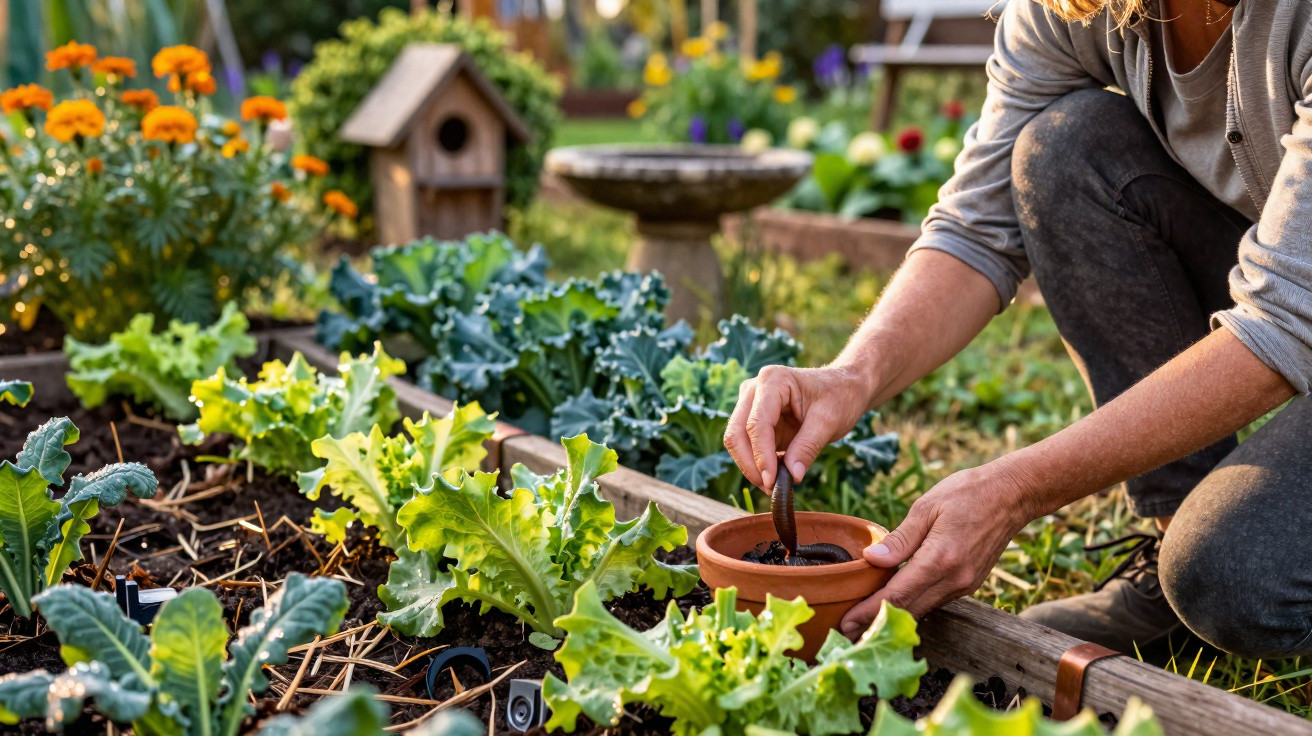
Salads devoured, nerves frayed: anyone with a garden knows these slimy nocturnal avengers all too well.
You head into the greenhouse early in the morning and the beds look as though a storm has torn through them: leaves full of holes, silvery slime trails and nibbled young plants. Many amateur gardeners then face the same dilemma: leave things alone and trust nature to take its course, or take firm action to save the harvest? The sensible approach lies somewhere in between.
Slugs are more than just pests
However unpleasant the damage may seem, slugs have an established role in the garden ecosystem. They consume dead plant material, fungi and weakened plants. In doing so, they speed up the decomposition of organic matter and help return nutrients to the soil.
They are also an important food source for many animals. Hedgehogs, toads, slow worms, ground beetles and numerous bird species rely on them to some extent. Particularly interesting are species such as the leopard slug (Limax maximus), which mainly eats decaying plant matter – and even hunts other slugs. Anyone who removes every slug indiscriminately is therefore also taking potential allies out of the system.
“Slugs frustrate gardeners, but they supply the soil with nutrients and provide food for many beneficial creatures.”
Do slug populations regulate themselves?
The idea is appealing: where there are lots of slugs, more predators will eventually appear, and a balance will establish itself over time. In principle, this predator-prey relationship does apply in nature.
In gardens, however, that balance is often disrupted. A single slug can lay up to around 400 eggs a year. Predators such as hedgehogs and toads produce far fewer young and take longer to build stable populations. Gardens are also often fenced, intensively maintained and divided into small plots. Many animals can scarcely find quiet, safe areas in which to settle permanently.
As a result, slugs reproduce faster than their natural enemies can catch up. In wet years, relying on self-regulation alone can quickly leave a bed stripped bare.
When to intervene – and when not to
Gardeners following a wildlife-friendly approach accept a certain amount of loss. A common rule of thumb is that damage can be tolerated if it remains at roughly ten to twenty per cent of the crop. This gives predators time to establish themselves without putting the entire yield at risk.
It becomes problematic when tender seedlings disappear completely after one or two nights, or when an entire planting of lettuce is destroyed during a damp spring. Once more than a fifth of the intended crop has been lost, many gardeners see this as the point at which intervention makes sense.
The important principle is this: the aim is not a “slug-free zone”, but a reduced population that the bed and its beneficial wildlife can still cope with.
Avoid poison: what genuinely helps against slugs
Out of frustration, many people reach for brightly coloured pellets. Products containing active ingredients such as metaldehyde or methiocarb kill slugs quickly, but can also harm pets, children and beneficial wildlife. Even iron phosphate products, which are approved for organic gardening, often eliminate slugs across a wide area and can affect animals that were never the target.
Mechanical, targeted methods are gentler on the garden ecosystem:
- Night-time collection: During damp periods, walk through the beds with a head torch and gloves shortly after nightfall or at dawn. Two rounds a week are often enough to noticeably reduce the pressure. Release the animals at least ten metres away from the vegetable garden, or place them in a closed compost bin.
- Beer traps: Bury small cups at the edge of the bed and fill them with around 100 to 150 millilitres of beer. The smell attracts slugs. However, this approach may also draw in animals from neighbouring gardens. Use it only in specific spots, such as during critical weeks.
- Plants as bait traps: Place damp cabbage leaves, pieces of squash or lettuce leaves between the crops in the evening. By morning, several slugs are often gathered beneath them and can be collected easily. One bait plant per square metre is usually sufficient.
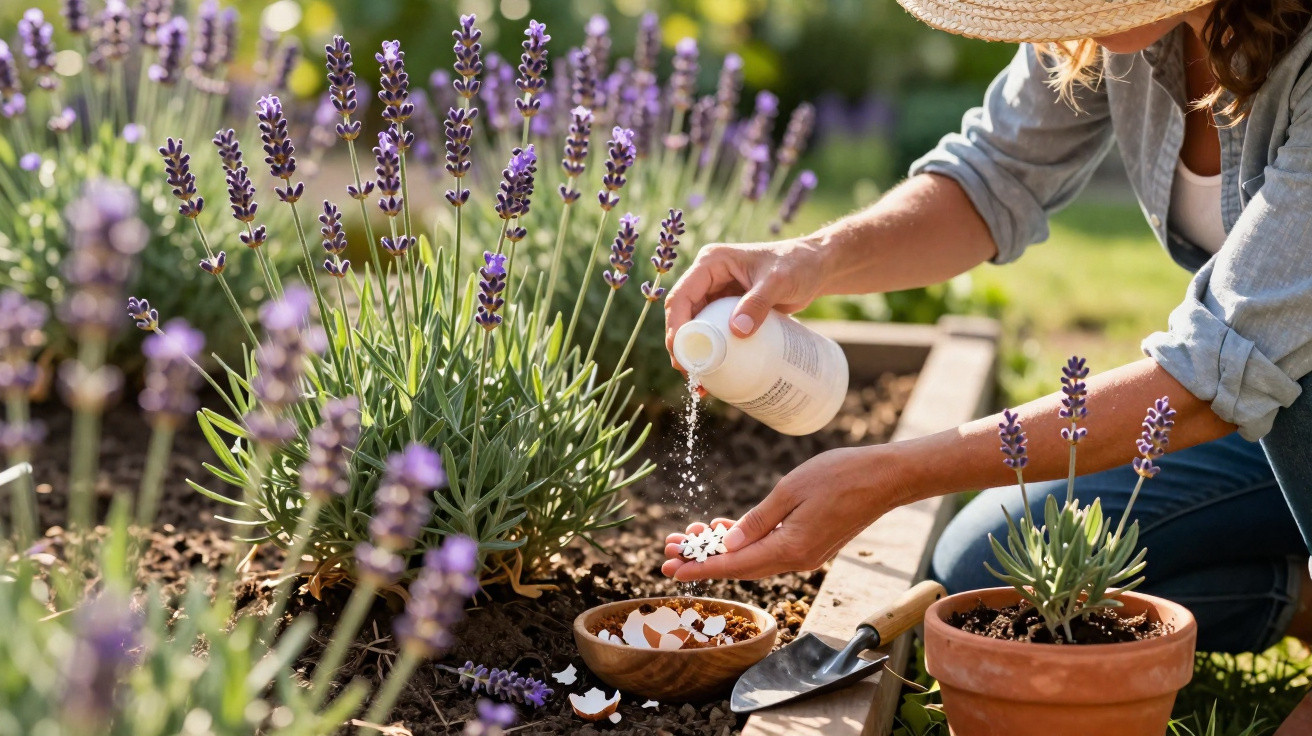
- Protective barriers: Stick copper tape around three centimetres wide around pots and raised beds. Many slugs avoid direct contact with it. Coarsely crushed eggshells or a dry layer of coffee grounds can provide extra protection for small planting areas.
- Reduce hiding places: Loose boards, overturned pots and thick mulch layers directly against stems are all things slugs love. Removing such places deliberately makes it harder for them to hide during the day. At the same time, you should still provide dedicated areas for beneficial wildlife in a more secluded part of the garden.
“The more targeted the measures, the more likely the garden is to stay alive with wildlife – while the harvest remains usable.”
How to attract natural slug predators for the long term
Anyone wanting fewer slug problems over time needs to make room for their predators. This starts with straightforward features:
- Log and twig piles: A loose pile of branches and pieces of wood, around one metre high, provides shelter for hedgehogs and many insects. Position it in a quiet corner rather than in the middle of a children’s play area.
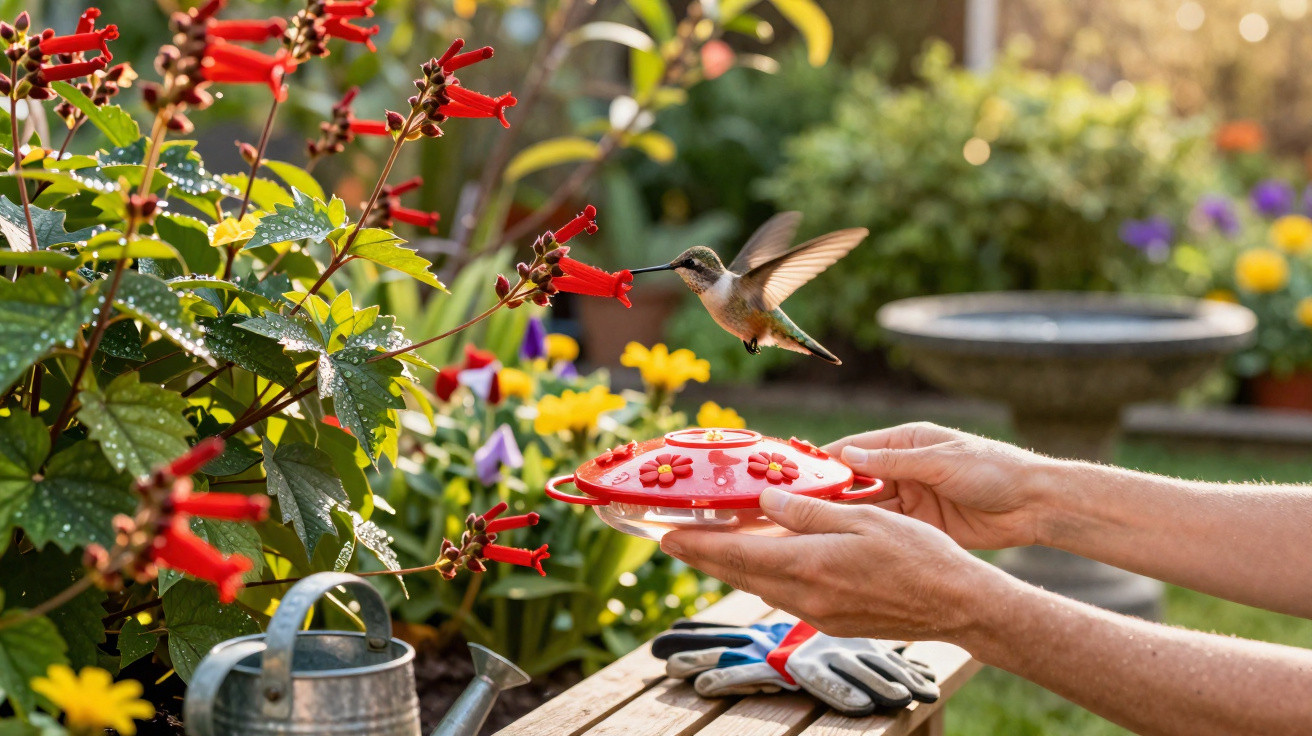
- Small water features: Even a shallow pond hollow 30 to 50 centimetres deep can be enough for toads and frogs to establish themselves. Planted margins attract insects and birds.
- Untidy corners: Keeping every corner closely mown drives away many helpful creatures. A few square metres of nettles, wildflowers and dense hedging provide food and cover.
- Water correctly: Beds watered in the evening stay damp overnight, making them ideal for slugs. Watering in the morning makes the area less appealing after dark.
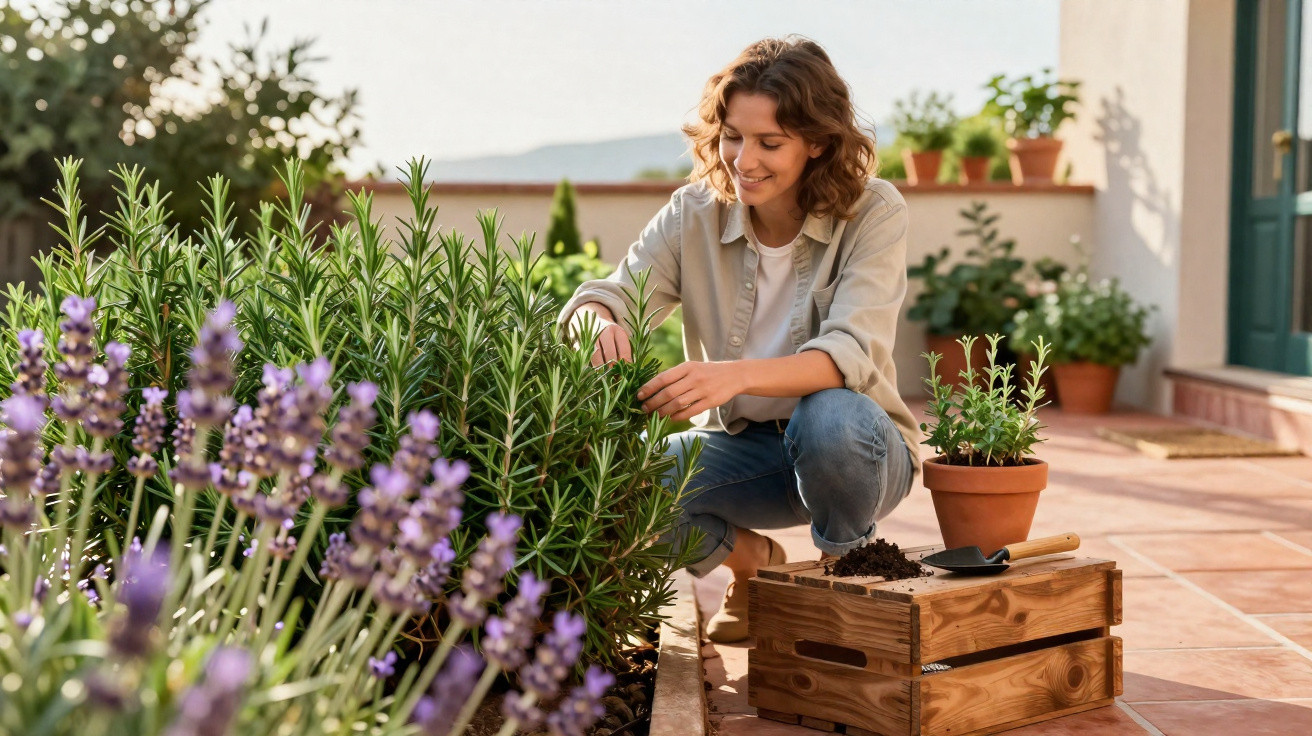
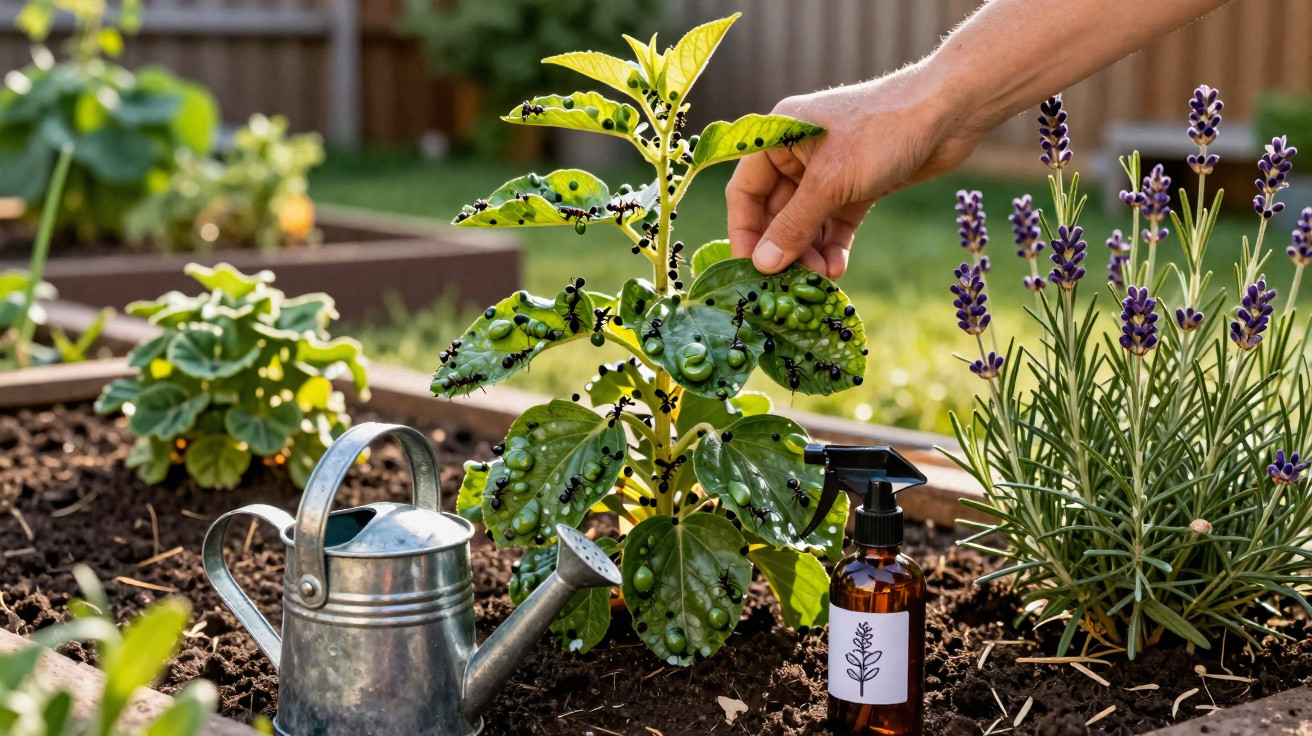
- Aromatic plants: Some slugs avoid strong scents. Rows of thyme, rosemary or sage around the edge of a bed can offer some protection for sensitive crops.
Mulch: soil protection – or luxury accommodation for slugs?
Mulch layers keep soil moist and loose, guard against erosion and save water. Yet slugs also appreciate precisely this damp, shaded environment. A little judgement is therefore needed.
Dry materials such as straw, chipped wood or pine needles are often better suited than fresh grass cuttings. The latter begin to rot quickly and become ideal slug accommodation. Leave a strip of around ten centimetres clear around vulnerable young plants so that slugs cannot shelter directly beside the stem.
Plants that slugs prefer to eat
Not every crop attracts the same level of attention. Understanding their preferences makes planning easier. Particularly vulnerable are:
- young lettuce and cabbage plants
- bean and pea seedlings
- delicate zinnias and dahlias
- French marigolds and many other annual ornamentals
Onions, garlic, many herbs, tomato plants once they reach a certain size, and numerous perennials with firm foliage tend to be more resilient. You can plant these species deliberately around the outside to surround more sensitive varieties.
Practical planting combinations in the bed
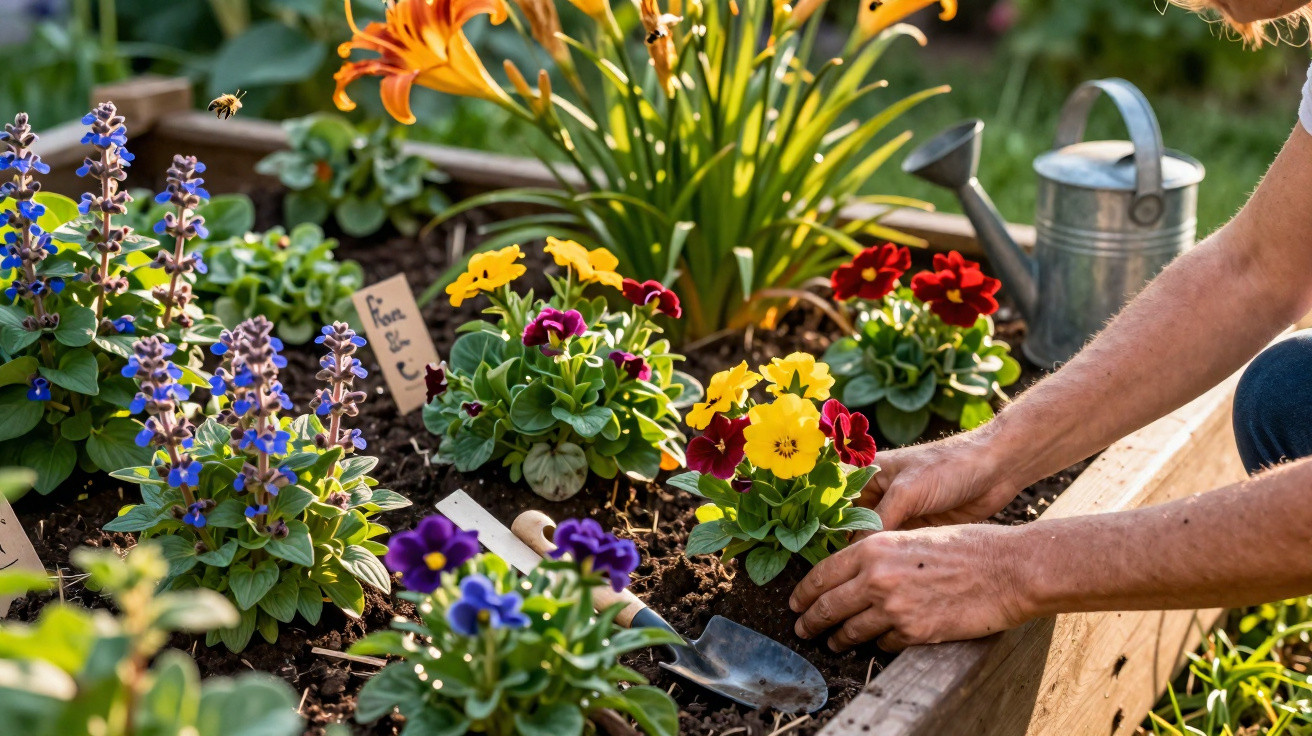
A well-planned mixture of plants reduces slug pressure. A few examples include:
- planting lettuce between rows of garlic or spring onions
- mixing cabbage plants with strongly scented herbs
- choosing species that are less appealing to slugs deliberately for bed edges
A kind of “buffer zone” also works well in many gardens: a small strip of deliberately tempting plants, such as a few French marigolds, diverts some of the slugs and makes them easier to collect.
Putting risks and side effects into perspective
Taking harsh action against slugs can quickly harm the garden’s entire web of life. Slugs killed by poison attract scavengers and pets, which may poison themselves in the process. In addition, the molluscs are then no longer available as food. The consequence is that predators such as hedgehogs stay away, leaving the garden more vulnerable to new waves of slugs in the long term.
Conversely, gardeners who do nothing at all may have to accept that certain crops fail year after year. Patience is especially limited in small spaces when favourite varieties keep disappearing. A balanced approach takes both sides into account: lively beds where something gets nibbled, but still a harvest that brings pleasure.
How patience and smart strategies pay off
Those who rely on diverse garden structures, targeted collection sessions and gentle barriers over several seasons usually notice a clear change. The first season may still be difficult, especially after a wet winter. But every additional hedgehog shelter, quiet garden corner and water-conscious watering routine shifts the balance a little further.
At the same time, many gardeners get to know their beds more closely: where do the first slugs appear, which plants remain untouched, and on which days is the pressure greatest? Over time, these observations lead to a highly individual system. Anyone prepared to sacrifice a few leaves while intervening wisely will often find that the garden gradually settles into balance – entirely without blue pellets.

Comments
No comments yet. Be the first to comment!
Leave a Comment