
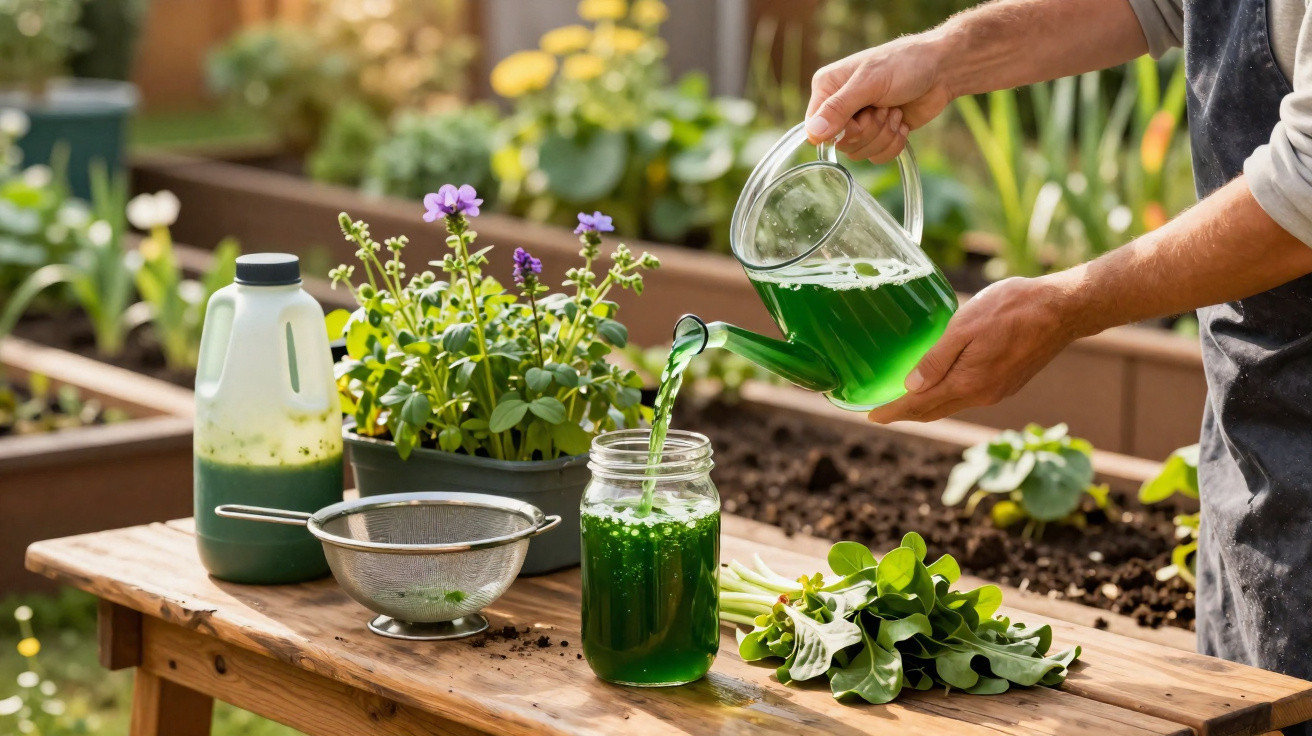
More and more home gardeners are trying a low-tech remedy: a chlorophyll-rich green leaf extract that encourages growth without relying on synthetic fertilisers.
The quiet shift away from chemical feeds
In both the US and the UK, garden centres continue to broaden their fertiliser aisles. Packaging and labels promise quicker flowers, faster rooting and visible transformations in a matter of weeks. Yet many plant owners are increasingly reluctant to tip concentrated chemical blends into pots that live in lounges, kitchens and on balconies.
Social media has amplified a parade of quirky substitutes: banana skins steeped in jars, coffee grounds scattered into every container, and vague homemade mixtures that can sometimes create more problems than they solve. Coffee grounds, especially, are frequently overapplied; in thick layers they can compact compost, push acidity upwards and even slow root development.
Against that background noise, one option is notable for being straightforward: feeding plants with a chlorophyll-rich leaf extract as a mild liquid supplement. There are no unusual ingredients, no extended fermentation and no pungent odour-just green leaves, water and a blender.
Unprocessed green leaves, turned into a light liquid feed, can support plant health while keeping soil life active and balanced.
What chlorophyll actually does for your plants
Chlorophyll is the green pigment that enables photosynthesis. Within leaf tissue it captures light and helps convert it into chemical energy. Without chlorophyll, plants struggle to sustain vigorous growth, repair damage or produce fresh foliage.
When gardeners apply a leaf-based extract, they are not literally adding “photosynthesis” to the compost. What they are providing is a blend of helpful substances, including magnesium (central to the chlorophyll molecule), trace minerals and organic compounds that support beneficial soil microbes.
Four key effects that gardeners report
Seen as an ongoing supplement-rather than a miracle fix-a chlorophyll-rich extract is commonly associated with four practical outcomes:
- Stronger-looking growth: foliage may become a little fuller, and new leaves often emerge with healthier colour rather than a faded green.
- Better use of available light: in dim or indirect conditions, some plants keep leaves for longer and shed fewer older ones as their metabolism runs more efficiently.
- More consistent magnesium supply: the extract offers a mild source of this essential nutrient, important for making chlorophyll and supporting enzyme activity.
- Improved resilience under stress: by backing soil biology and plant processes, many plants cope with brief dry periods, small cold snaps or light disease pressure with less obvious harm.
Research into living soils repeatedly highlights a key idea: what occurs in the top few inches of a pot strongly influences the whole plant. Fungi, bacteria and tiny invertebrates decompose organic matter and convert locked-up nutrients into forms roots can take in. When this network is thriving, plants depend less on quick-acting synthetic salts and more on a gradual, steady nutrient supply.
Healthy plants do not just absorb nutrients; they cooperate with the underground microbiome. A mild leaf extract helps that partnership instead of replacing it.
How to make a chlorophyll-based liquid feed at home
This approach depends on using fresh, untreated leaves. You do not need anything specialised-just standard kitchen equipment and a sensible, hygienic routine.
Step-by-step method
| Step | What to do | Why it matters |
|---|---|---|
| 1. Select leaves | Choose fresh, dark-green leaves from plants that have not been sprayed, and avoid anything yellowing or diseased. | Deeper green tends to indicate higher chlorophyll levels and healthier source material. |
| 2. Blend with water | Add a handful of chopped leaves to a blender with about 1 litre of clean water, then blend until very smooth. | Thorough blending helps release pigments, minerals and water-soluble organic compounds. |
| 3. Strain and gently heat | Pour through a fine sieve or clean cloth, then warm the liquid in a bain-marie for 5–10 minutes without letting it boil. | Straining reduces the chance of debris clogging the compost; gentle heat helps stabilise the mixture and draw out more compounds. |
| 4. Apply to moist soil | Every two weeks, water around the base of plants when the compost is already slightly damp. | Damp compost distributes the solution more evenly and helps minimise root shock. |
For most indoor gardeners, a pale green final liquid performs better than a thick, very dark blend. A lighter extract also reduces the risk of residue building up, particularly in smaller pots.
Which plants respond best, and how often to use it
This homemade feed works for many types of plants, including:
- Houseplants such as pothos, philodendrons, spider plants and dracaenas.
- Herbs grown on kitchen windowsills, including basil, mint and parsley.
- Vegetables in containers, such as tomatoes, peppers and salad leaves.
- Shrubs in pots and young trees kept on balconies or patios.
A useful schedule is: apply every two weeks during periods of active growth, reduce to once a month through the slower winter months, or pause entirely when a plant is clearly dormant. For example, orchid roots that are resting after flowering do not benefit from extra feeding of any kind, even a gentle one.
Regular, modest doses often outperform heavy, irregular feeding. Plants prefer a predictable routine to sudden nutrient surges.
Why gardeners move away from coffee grounds
Coffee grounds still get shared as a “free fertiliser” hack, but many horticultural specialists advise caution. Grounds can clump together, reducing air pockets in potting compost. They can also shift pH-sometimes quickly-and fresh grounds contain compounds that may inhibit seedling growth.
In comparison, a diluted chlorophyll-based liquid contributes organic variety without forming a heavy layer on the surface. It behaves more like a weak tea than a dense mulch, which is generally better suited to indoor containers with limited drainage.
Benefits for soil life and structure
The most noticeable improvement is not always in leaf colour-it is often beneath the surface. When compost receives small, regular doses of plant-based liquid, microbial activity commonly increases. Fungi can extend their hyphal networks, bacteria break down residues more effectively and the growing medium is more likely to keep a looser, crumbly structure rather than compacting into a tight block.
That shift affects how water behaves in the pot. A living, well-aerated medium drains excess water while still holding enough moisture between particles. This balance helps roots breathe and lowers the chance of root rot. It can also mean fewer nutrients are flushed out of the pot at each watering, because an active microbial community stores and recycles more of what is added.
Sensible precautions before you start
A few simple practices help keep this method both safe and worthwhile:
- Only use leaves from plants that have not been exposed to pesticides or roadside pollution.
- Strain thoroughly to remove fibres that could sit on the surface and develop mould.
- Avoid making the mixture too strong; if it becomes thick or smells strong, dilute it.
- Mix small amounts and use within a day or two to prevent fermentation.
- Watch how plants respond for a few weeks before using it across every pot.
This extract is intended to support-not substitute-core plant care. Light levels, the right pot size, a good-quality potting mix and consistent watering habits remain the main drivers of results. The green liquid simply nudges that system in a beneficial direction.
How this fits into broader sustainable gardening trends
The growing interest in homemade, plant-based fertilisers sits within a wider shift in gardening culture. Many urban growers want fewer plastic bottles stored under the sink and more circular routines: kitchen scraps turned into compost, rainwater collected in barrels and balcony trimmings used to feed balcony pots.
For people renting small flats or gardening with limited outdoor space, chlorophyll extract can be an accessible first step. It does not require a garden bed, a large compost bin or any special storage. A handful of prunings from a hedge or even a basil plant can provide enough material.
It also brings attention to a scientific idea that is often overlooked in casual plant advice: plants can nourish one another indirectly. Cuttings and green waste from one area can become nutrients for other containers once blended and diluted. Over time, this habit reduces waste and-especially when paired with composting-can materially reduce dependence on shop-bought fertilisers.
For readers who like to experiment, the technique naturally raises further questions. Not all leaves will produce identical extracts: evergreen shrubs, soft herb leaves and dark brassicas each carry their own mineral profiles. Keeping brief notes on which leaf mix best supports particular plants can turn a small home into a quiet, ongoing soil-and-plant health trial, with stronger foliage as the visible outcome.
Comments
No comments yet. Be the first to comment!
Leave a Comment