
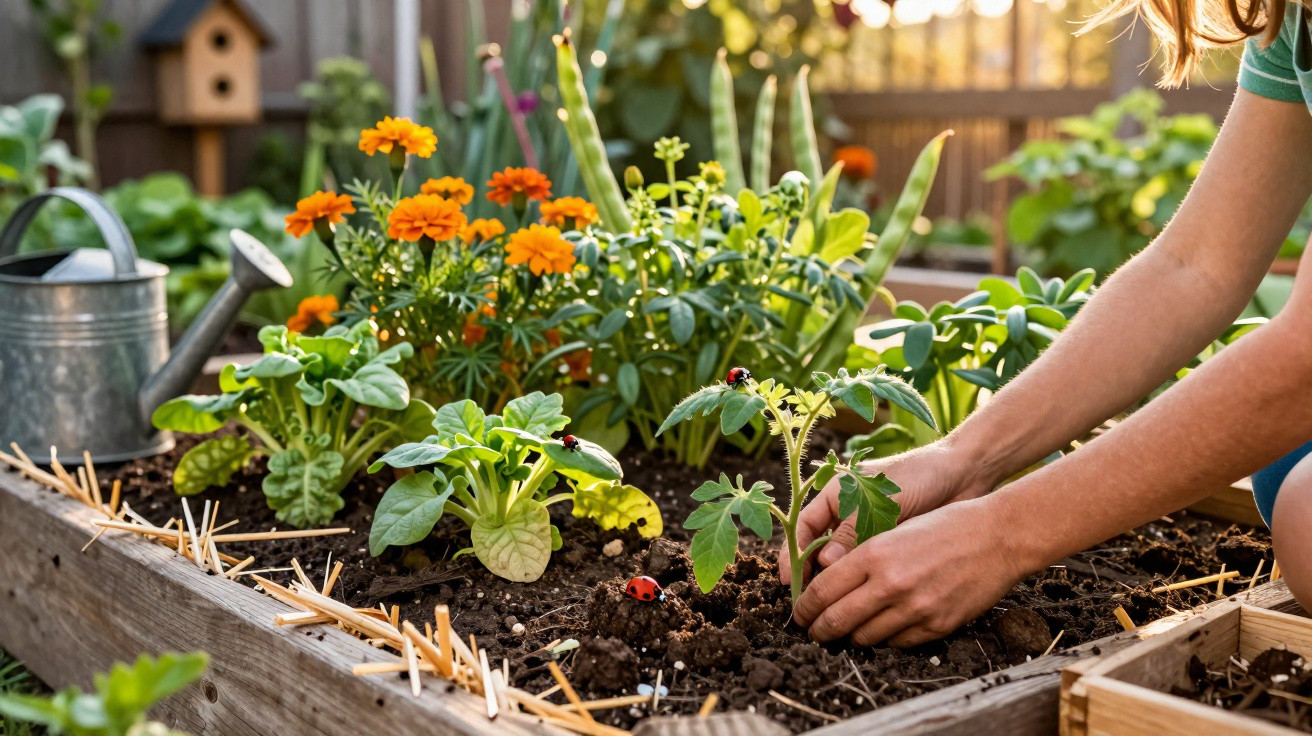
The morning smells of damp soil as the sun slowly climbs over the fence. An older couple stand between their raised beds, both in wellingtons, their hands already dark with earth. No poison, no brightly coloured bottles from the garden centre-just compost, fallen leaves, a few wooden stakes, and a surprising sense of calm. The tomatoes shine, the beans climb as if they were drawn in a children’s book, and bees buzz between the plants as though this were their favourite café. Over the fence, the neighbour shakes his head: “Without sprays? That’ll never work.” And yet it does work-perhaps even better. The only question is: how are they actually doing it?
Healthy soil: the invisible foundation of every bed
When you’re standing next to a thriving bed, you’re only seeing half the story. Above ground there are leaves, flowers and vegetables; below, there’s an entire city of microorganisms, fungi and earthworms. When that underground world is in good shape, problems like aphids, fungal attacks or stunted growth suddenly feel far less dramatic. Most of us know that frustrating moment when a potted plant slowly gives up despite the feeling that you’ve “done everything right”. Often the issue wasn’t the plant at all, but the soil it was trying to live in.
A hobby gardener from North Rhine-Westphalia once showed me two vegetable beds. Same size, same varieties, same position. In one, she dug it over every year and scattered mineral fertiliser; in the other, she simply mulched with compost and left the soil alone. After three years, the contrast was almost embarrassingly clear: in the “chemistry bed”, the brassicas were weedy and the spinach bolted quickly. In the “compost bed”, by contrast, there were dense lettuce heads, a deeper green colour and fewer slugs. She said there came a point when she stopped counting pests and started counting earthworms-that was the real turning point for her.
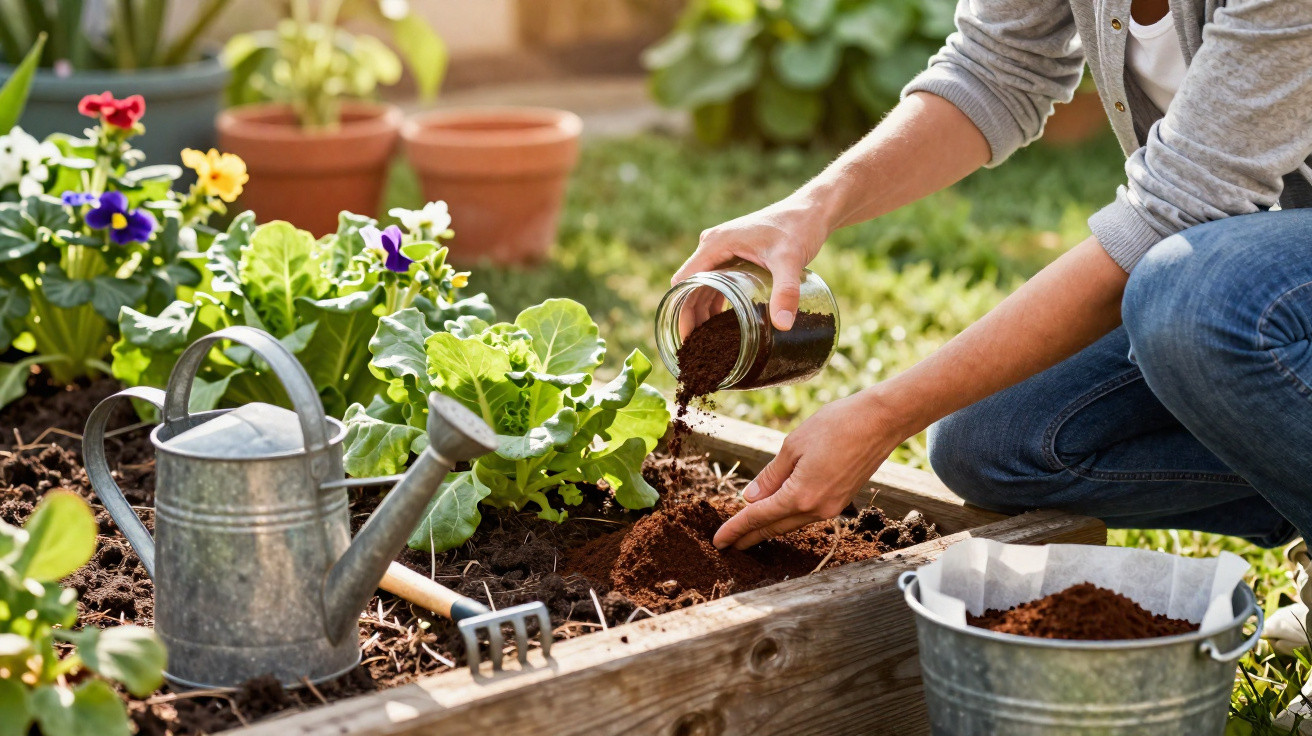
From a soil science perspective, it adds up. Living soil holds water more effectively, buffers nutrients and feeds plants more evenly. Instead of briefly pumping plants up with synthetic fertiliser, you build a long-term relationship. Organic matter-compost, leaves, lawn clippings-feeds the soil life, which then releases nutrients slowly. Plant roots cooperate with fungi, forming mycorrhizae and swapping sugars for nutrients. It might sound like biology class, but in a vegetable bed it can feel like magic. Strengthen that foundation and you’ll need to spray far less often.
Diversity rather than monoculture: how mixed beds protect themselves
The second “trick” used by chemical-free gardeners is almost unremarkable: they plant a varied mix instead of strict blocks of the same crop. The guides call it companion planting, but in real life it’s something more human-company. Plants that support each other, confuse each other, and send pests down the wrong path. A calendula next to the cabbage, basil tucked between tomato plants, and in between a whole patchwork of shapes and scents. A bed that looks more like a tiny woodland edge than a factory floor.
A garden site in Hamburg ran a small experiment along these lines. One communal bed was set out in the classic way: lettuce next to lettuce, cabbage next to cabbage, carrots in long, tidy rows. The neighbouring bed got a wilder mix: carrots with onions, lettuce threaded through French marigolds, beans climbing up sweetcorn poles, and herbs such as thyme and dill scattered throughout. By the end of summer, the figures were hard to argue with. In the mono bed, aphids, cabbage white caterpillars and fungal diseases had done noticeably more damage. In the colourful bed there were still pests-just not in overwhelming numbers. Harvests were steadier, even if the bed didn’t always look as “orderly”. The gardeners joked: “It isn’t perfect, but at least we’re not living by a spray schedule.”
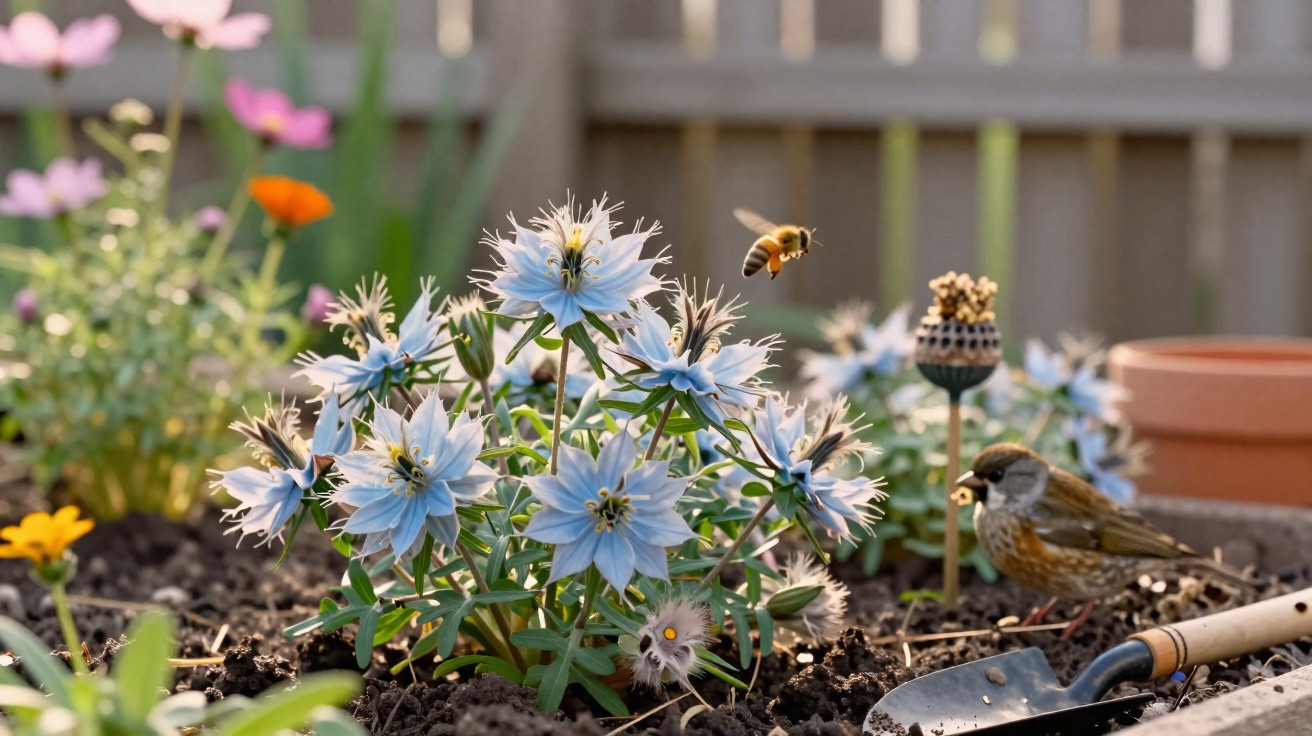
The reasoning is fairly straightforward. Pests often home in on specific scents and leaf shapes. Large areas planted with a single crop are like a glowing sign saying, “All-you-can-eat buffet.” Mixed planting breaks up that signal. Strong-smelling herbs mask scent trails, flowers distract insects, and certain plants-such as French marigolds or calendula-can even deter particular soil pests directly. A diverse bed is, essentially, a small ecosystem that trains its own defences. It can look a bit chaotic, but nature rarely cares about our love of neatness.
Gentle plant strengthening instead of the heavy chemical option
If you want to avoid chemicals, you need strategies before the damage becomes serious. The third tip can sound almost old-fashioned: strengthen plants before they fall ill. That’s where home remedies many of our grandparents used come in. Decoctions of field horsetail, fermented nettle feed, teas made from chamomile or garlic-none of them miracle cures, but all small helpers that can make plants more resilient. Many gardeners spray these extracts regularly over leaves and soil, especially during stress periods such as heat, long wet spells, or after transplanting. Once it becomes a routine, you quickly notice something: when plants aren’t constantly pushed into crisis mode, many “problems” never appear in the first place.
Of course, “stirring a bucket of nettle brew” can sound like eco-romanticism-and yes, it really does stink. Let’s be honest: nobody stands in the garden every day, thrilled to stir a fermenting mixture. Many people do it once or twice a year, and that’s often enough. A common mistake is to start a brew and then leave it for weeks until it turns, or to spray it undiluted onto delicate young plants. Another is to buy “organic” products and assume that automatically makes everything gentle. Natural products can still scorch plants or drive away beneficial insects if they’re too concentrated or used at the wrong time. Here, patience helps more than heavy-handed dosing.
A seasoned self-sufficient grower from Bavaria once summed it up for me like this:
“I treat my plants like children: it’s better to support them early and gently than to punish them late and harshly.”
In everyday practice, that mostly comes down to three things:
- Watch early rather than reacting late-if you take a quick look through the bed each day, you’ll spot stress signs before it feels “too late”.
- Use natural strengthening aids diluted and in several light applications, rather than one “sledgehammer” treatment.
- After rain and before heatwaves, offer small extras-compost tea, horsetail decoction, a thin mulch layer of lawn clippings.
That shift moves your focus away from firefighting and towards prevention-and over time it feels noticeably calmer.
Working with nature: beneficial insects, mulch and a bit of calm
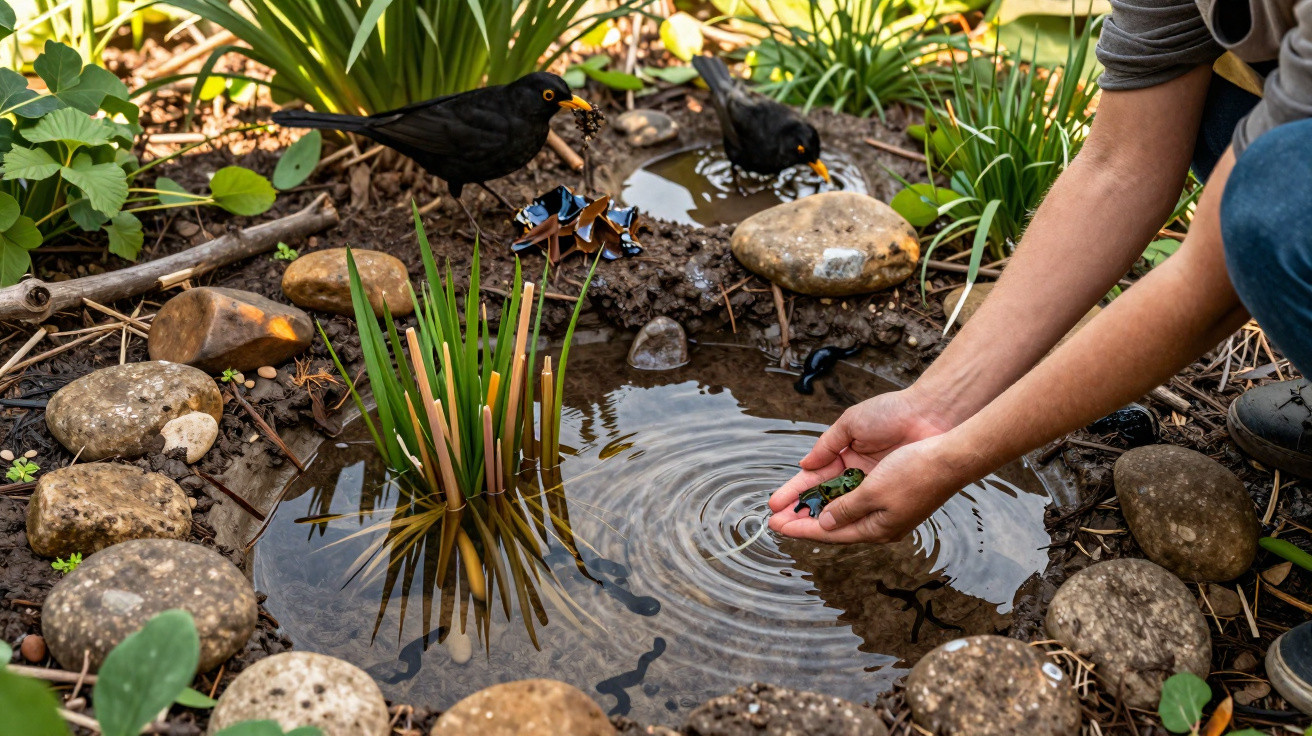
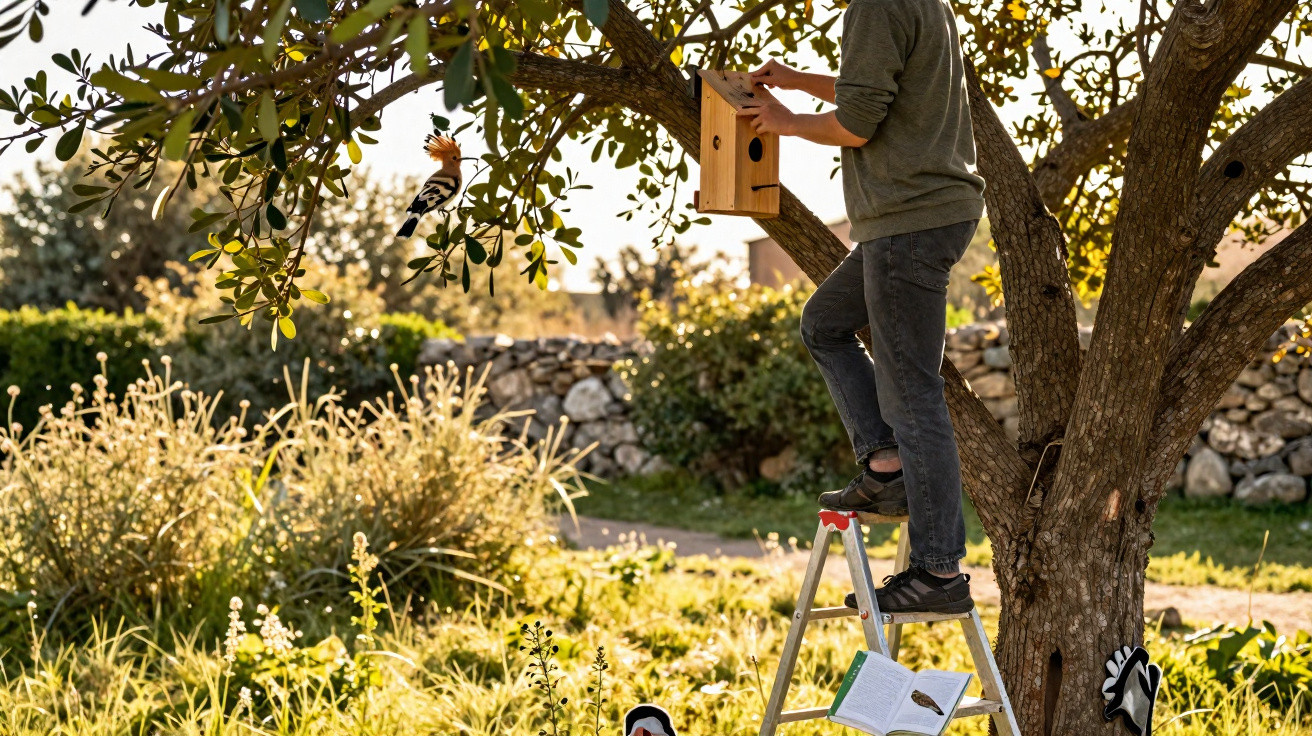
The fourth tip is more of a mindset than a method. Gardeners who manage long-term without chemicals accept that a vegetable bed won’t be sterile. They invite beneficial creatures in instead of accidentally spraying them away. An insect hotel on the house wall, a wild corner with nettles for butterfly caterpillars, a small saucer of water for thirsty bees-tiny actions that later pay off in ladybirds, parasitic wasps and hedgehogs. Once you’ve watched a group of ladybird larvae clear an aphid colony in a matter of days, you start thinking very differently about “pests”.
Mulch and restraint matter just as much. A thin layer of leaves, straw or lawn clippings protects the soil from drying out, feeds soil life and suppresses weeds. Many beginners feel the urge to hoe, rake and “manage” constantly. The truth is that too much activity can do more harm than good. A garden that’s partly left alone may look less “tidy” at first glance, but it often runs more steadily underneath. When you mulch, you water less, weed less, and at some point you start wondering why others are still using chemicals against “weeds”.
One line from a permaculture course has stuck with me: “The garden isn’t a project you control-it’s a conversation you take part in.” It may sound a bit mystical, but it’s actually very practical. You observe, you try things, you adjust. You accept losses without instantly reaching for a bottle of poison. The harvest can be uneven-more courgettes one year, fewer carrots the next. In return, you get something that can’t be measured in kilograms: the feeling of being part of a living cycle, rather than a one-person production line built on monoculture and a spray timetable.
Why chemical-free beds are more than a trend
Walk through allotment sites today and you’ll hear two very different statements. On one side: “Without sprays it’s not worth it.” On the other: “I don’t want to eat in my own salad what I wouldn’t even say out loud from the label.” Between those two lines sits a tension made up of convenience, fear of crop loss and a growing need for control. Chemical-free beds aren’t a romantic luxury for people with too much time-they’re a practical response to that tension.
If you transition gradually, your perspective starts to shift. Suddenly an earthworm isn’t just a worm, but an ally. A nettle isn’t simply a “weed”, but a resource. A few nibbled leaves aren’t a disaster, but a sign the bed is alive. Many people say this change in viewpoint makes them more relaxed-not only in the garden. They plan less for perfection and more for tolerance. And they talk to their plants, even if they’d never admit it out loud. It might seem odd, but it makes dealing with setbacks surprisingly easy.
In the end, it isn’t about every single lettuce looking flawless. It’s about being able to eat from your own bed without fear. It’s about tomatoes whose scent brings back childhood. It’s about hands that smell of soil, not spray. And it’s about that quiet, satisfied smile when you pick the first strawberry of the year, still warm from the sun. Many people who seriously try gardening without chemicals stick with it-not because everything becomes effortless, but because the garden finally feels like a real place, not a miniature plantation.
| Key point | Detail | Value for the reader |
|---|---|---|
| Living soil | Compost, mulch and minimal soil disturbance encourage microorganisms and earthworms | Fewer diseases, steadier growth, less watering and feeding work |
| Companion planting and diversity | Different plants mixed rather than planted in single-crop blocks, with herbs and flowers as “team-mates” | Lower pest pressure, more resilient harvests, beds look more alive |
| Gentle strengthening and beneficial wildlife | Plant extracts, mulch, and shelter for insects and small animals | Less need for interventions; the garden develops its own balance |
FAQ:
- How long does it take for a bed to “work” without chemicals? First effects often show after a single season if you use compost and mulch. A genuinely stable balance usually develops after two to three years.
- Can I simply use up old chemical products? Legally, a lot may be permitted, but ecologically it’s hardly worth it. It’s better to dispose of leftovers properly and switch straight to gentler methods.
- Is standard compost from a garden centre enough? For getting started, yes. Long term, your own compost made from kitchen and garden waste is more valuable. It suits your soil better and closes real local cycles.
- What should I do if a pest infestation gets completely out of hand? First remove affected plants, don’t compost infested plant parts, and rotate that crop next year. Natural options such as soft-soap solutions can help in specific spots without disrupting the whole system.
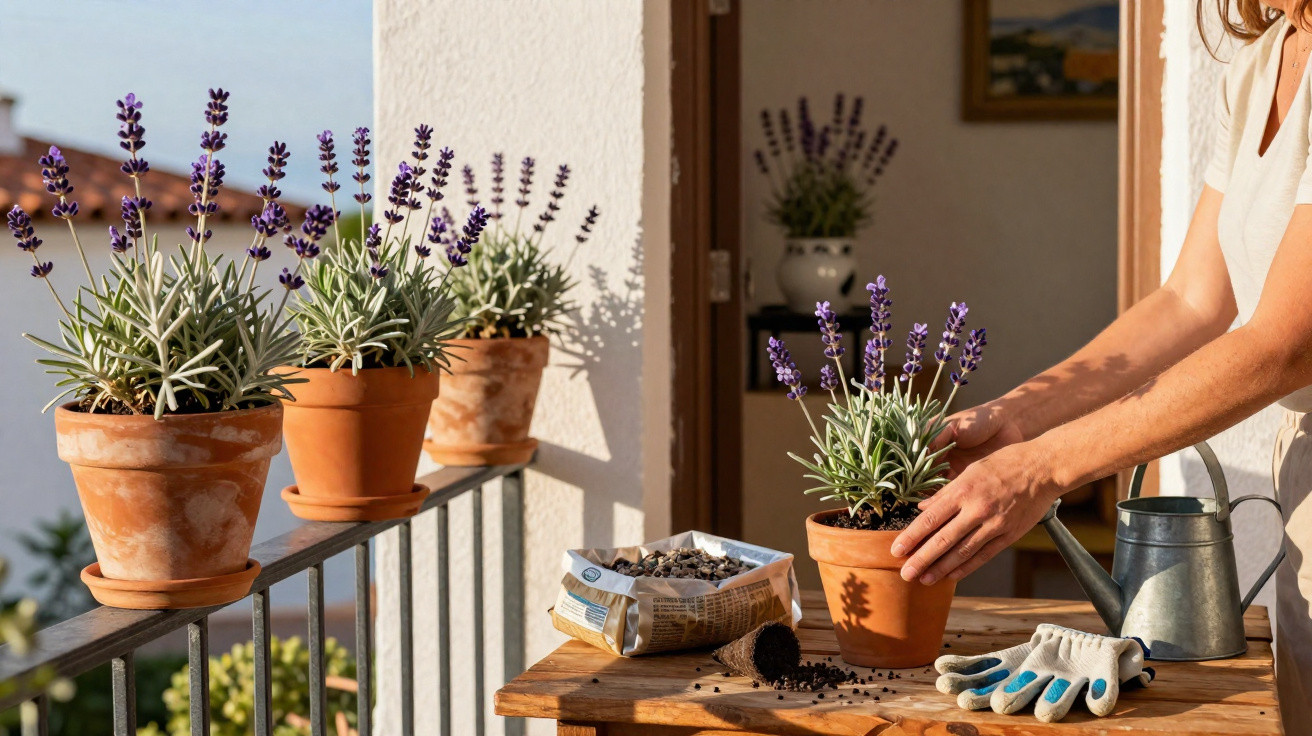
- Is chemical-free gardening on a balcony even worthwhile? Yes-especially there. You avoid residues in a limited volume of compost, improve conditions for bees and other pollinators visiting your balcony flowers, and it feels entirely different when you harvest herbs and vegetables.
Comments
No comments yet. Be the first to comment!
Leave a Comment