
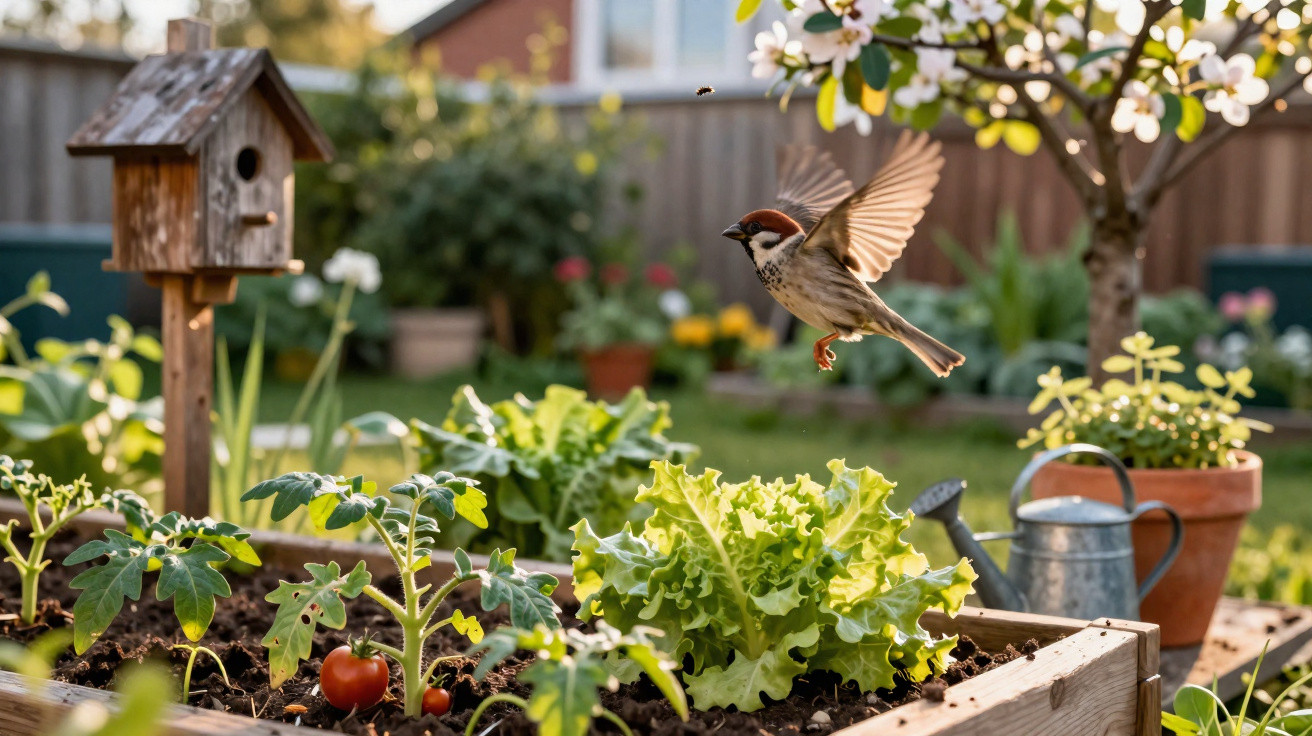
With the first sunshine, swelling buds and drifting pollen, the garden is busy again. Anyone looking closely will spot another regular visitor alongside blue tits and robins. This small, underrated bird is still considered a nuisance by some people, yet it protects harvests, roses and vegetable beds far more effectively than most realise.
An outdated misconception: why the sparrow was seen as a “pest”
The house sparrow, usually known simply as the sparrow, has lived alongside people for centuries. For a long time, particularly in agriculture, it had a poor reputation. It ate grain in fields, pecked up seeds from newly sown land and was regarded as competition for crop yields. As a result, people chased it away, put up nets and destroyed its nests.
From a modern biological perspective, this was a classic mistake. Specialists now point out that this view developed from a very narrow, purely economic standpoint. Anyone focused only on the grains lost from a seed drill row overlooks the bird’s much greater contribution in the background.
Every species has a role in the ecosystem – the sparrow is one of its quiet foundations, not a pest.
Sparrows do eat plant seeds, but that is far from all they consume. Throughout the year, they also devour huge quantities of insects and their larvae. In a balanced ecosystem, this acts like natural insurance: fewer pests, more resilient plants and healthier soil.
An ally in the garden: how the sparrow keeps pests under control
Sparrows are particularly valuable in spring, when their chicks are calling for food in the nest. They mainly gather protein-rich food for their young, including insects, larvae and spiders. Grain alone is not enough; growing chicks need protein.
This makes the sparrow an ideal helper against many common garden problems:
- Aphids: Sparrows readily take larvae when they occur in large numbers.
- Caterpillars: Young butterfly and moth caterpillars often end up in a sparrow’s beak before they can strip entire beds bare.
- Beetle larvae: Larvae found in the soil or on shrubs also provide food for the brood.
- Midges and flies: Small insects form part of the standard diet of adult birds.
Together with other bird species, such as tits and robins, sparrows create a kind of “natural pest-control service”. Each species plays its part. Where several species live permanently, insect populations are less likely to get out of control. Rather than chemical sprays, feathers, beaks and instinct do the work.
How sparrows help in everyday garden life
Many of the house sparrow’s benefits become apparent only on closer inspection. Anyone who watches carefully soon sees that it is much more than a seed thief.
Less pressure on fruit and vegetables
During the main breeding season, adult birds fly back and forth between the nest and food sources every few minutes. Every delivery of insects to the nest represents a handful of pests that can no longer attack leaves, buds or fruit. This has a direct effect on yields:
- Tomato plants suffer less from aphids.
- Fruit trees put on stronger growth because fewer leaves are eaten.
- Roses produce more buds when caterpillars are eaten early.
Those who garden naturally and avoid poisons often notice the difference first: suddenly, emergency spraying is no longer needed because nature regulates the problem itself.
More stable ecosystems in built-up areas
Sparrows are regarded as a typical species that follows human settlement. They live where people build houses, pave courtyards and create front gardens. They therefore have a key role in densely built-up areas. The fewer natural spaces remain, the more important adaptable, resilient species become.
The sparrow acts like a buffer: it softens the consequences of monocultures, concrete landscapes and perfectly manicured lawns.
Where this inconspicuous bird disappears, the system can quickly become unbalanced. Insects spread more readily, other bird species find less prey and plants come under pressure. The seemingly ordinary sparrow then proves to be a quiet support for the entire ecological network.
Why the house sparrow urgently needs support
Despite its adaptability, the house sparrow is under pressure in many regions. Building façades are being tightly insulated, old barns are disappearing, and hedges are being cleared or replaced with fences. Yet these are precisely the places where sparrows have traditionally found nesting sites and shelter.
Other contributing factors include:
- Sealed surfaces: Asphalt and paving instead of soil and grass remove insect habitat.
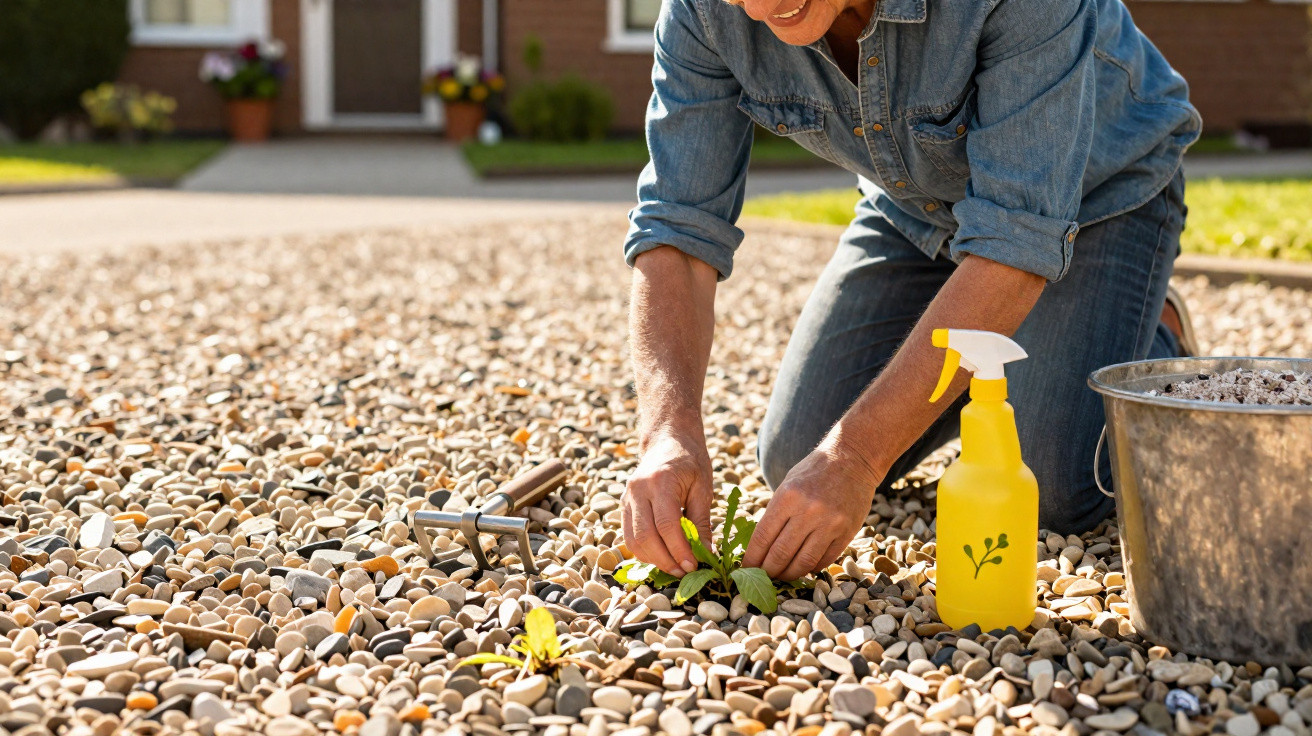
- Sterile front gardens: Gravel-covered spaces provide neither food nor protection.
- Pesticides: Sprays kill insects and therefore the main food source for chicks.
- Intensive lawn care: Closely cut lawns maintained with leaf blowers create a “green desert” with no structure.
When food and nesting places become scarce at the same time, populations decline. Individual gardens cannot reverse this trend completely, but they can significantly reduce its impact. Every small oasis with hedges, flowers and shelter acts as a filling station and nursery for sparrows.
How to make your garden sparrow-friendly
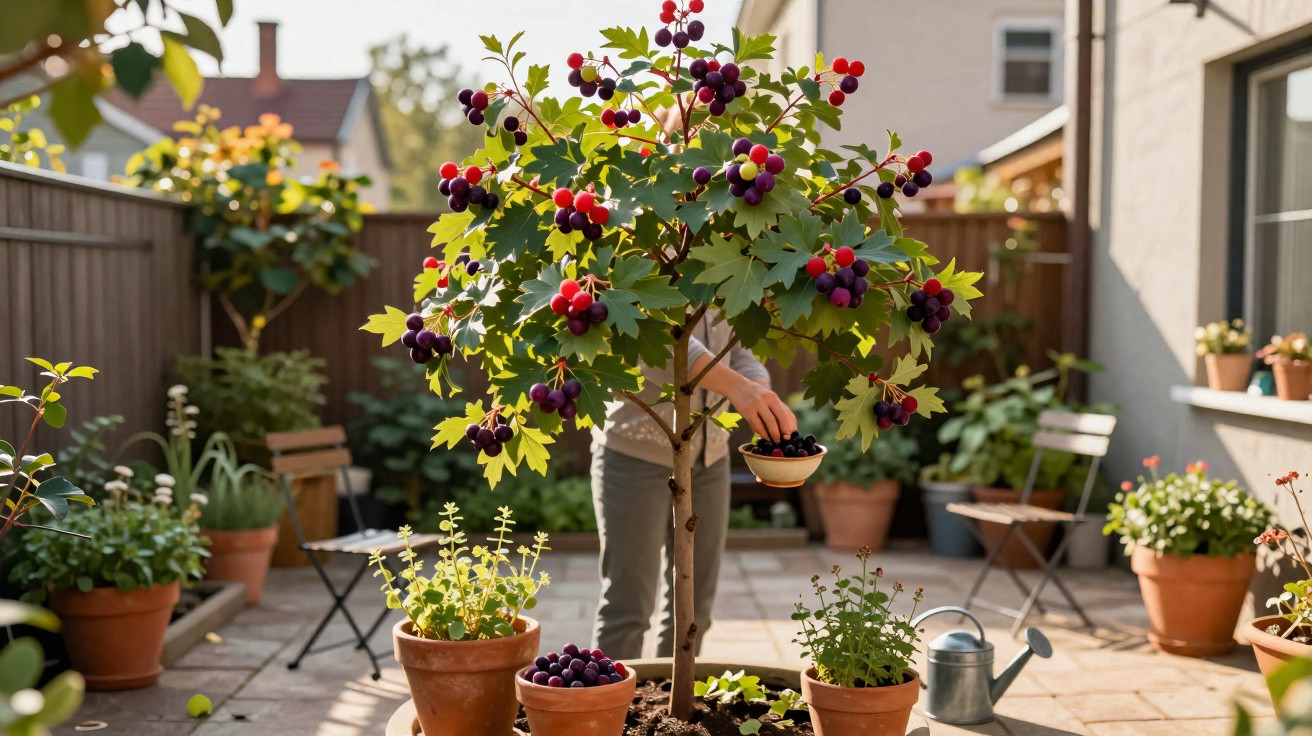
Anyone who wants the sparrow as a garden ally does not need to create an eco-farm. A few straightforward measures can make life considerably easier for it.
Structure instead of a gravel desert
Sparrows need cover and sheltered corners. Good options include:
- dense hedges made from native shrubs
- climbing plants on fences or house walls
- corners where leaves and a little dead wood can be left undisturbed
- flowering strips with wildflowers rather than decorative gravel alone
These features offer hiding places from cats and birds of prey, provide insects and seeds for food, and create a microclimate that can support other species too.
Provide nesting places and water
Modern, smooth façades leave hardly any gaps or cavities. This can be offset with a few simple additions:
- nest boxes for sparrows, ideally installed in small groups as they prefer to breed socially
- simple bird baths with shallow water, cleaned regularly
- small patches of sand where birds can take a dust bath
Providing a little grain food in winter also supports the population during the lean season. However, spring, with its abundance of insects, remains the crucial period: that is when the sparrow does the most for the garden.
Why we should rethink “useful animals” in the garden
Animals in the garden are often judged in very simple terms: useful or harmful, helper or enemy. The sparrow shows just how misleading this division can be. The few grains it takes from a bed are barely measurable. In contrast, the value of the pests it eats, the more stable plants it supports and the living ecosystems it helps sustain is immense.
Anyone who sees their garden as a small habitat will no longer regard the sparrow as an irritant, but as a partner. Cutting a hedge less severely, not spraying an aphid infestation immediately, or leaving one area of the garden slightly “untidy” all help this bird. In turn, they support an entire chain of other species, from beetles and wild bees to rare songbirds.
Sparrows also make it very clear how closely our everyday lives are linked to nature. Where this bird sings, chatters and dust-bathes, many invisible processes are still working reasonably well. When things fall silent, it is usually already too late. Making space for sparrows today is therefore an investment not only in a lively garden, but also in a stable patch of urban nature right outside the front door.
Comments
No comments yet. Be the first to comment!
Leave a Comment