
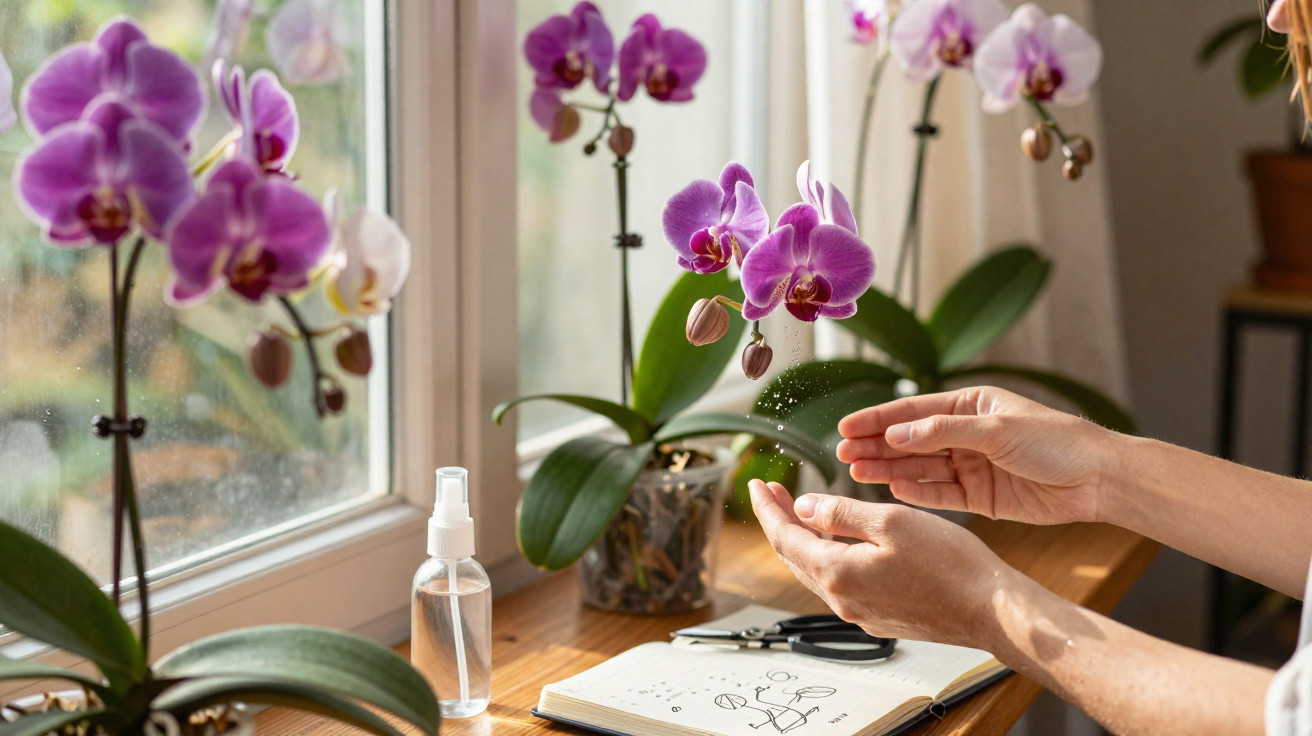
Orchids sit among the most sought-after ornamental plants for anyone who wants long-lasting blooms indoors or outdoors. With straightforward yet consistent care, an orchid can produce flower spikes packed with buds that stay open for several months-so long as you work with the species’ natural cycle, your local climate, and a care routine that matches what the plant actually needs.
An orchid that flowers for months?
Among the types most commonly grown in houses and flats, the Phalaenopsis orchid-often known as the moth orchid-stands out for how long its flowers last. When conditions are right, each flower spike can remain in bloom for up to three or four months, and it may even send out side branches that extend the display.
Alongside Phalaenopsis, lab-produced and commercially grown hybrids of Dendrobium, Cattleya and Oncidium are also well known for keeping blooms open for a long time. When choosing a plant, it is worth checking its overall condition, because that has a direct impact on how long it will flower once you get it home.
- Choose plants with some buds still closed, as this usually means a longer flowering period.
- Look for firm leaves, without dark marks or soft, mushy areas.
- Check for green or silvery roots, with no bad smell and no waterlogged sections.
- Avoid pots where the growing medium is heavily compacted or looks mouldy.
Best time to encourage an orchid to flower?
The ideal moment to prompt flowering depends on the orchid type and the climate where you live, but many respond particularly well to changes between seasons. In much of Brazil, the shift from winter into spring brings milder temperatures, brighter light, and a slight difference between day and night-conditions that often act as a natural trigger for fresh flower spikes.
Some orchids, such as Phalaenopsis, may flower more than once a year when kept in a stable-temperature environment, while others concentrate their blooms in specific months. Once the flowers drop, the plant moves into a rest phase; during this period, careful watering, balanced feeding, and close observation help it prepare for the next cycle in a healthy, predictable way.
Daily care for orchids with long-lasting blooms?
If you want an orchid to keep flowering for months, three factors matter most: suitable light, balanced watering, and good airflow. Small tweaks to these basics-combined with comfortable humidity and moderate feeding-can significantly extend how long blooms last and increase the chances of new flowering throughout the year.
- Light: aim for bright, filtered light, and avoid harsh direct sun on the leaves.
- Watering: water when the growing medium is almost dry, and do not leave the pot soggy.
- Ventilation: keep the plant in a well-aired spot to reduce fungal problems and support strong growth.
- Humidity: a tray with pebbles and water (with the pot base not sitting in the water) helps create gently humid air.
Regular feeding helps: use a balanced fertiliser during the growth phase, then switch to a mix with more phosphorus and potassium as flowering approaches, which supports firmer, more colourful blooms. Sticking to the recommended amounts and intervals is essential, because overfeeding can scorch roots, damage leaves, and reduce the plant’s ability to hold full flower spikes for long.
When to prune and how to keep the orchid healthy?
After the blooms fall, a common question is what to do with the spike. With Phalaenopsis, if the flower spike is still green and firm, you can leave it in place, as it may produce new side branches and buds. If the spike has completely dried out and turned brown, cutting it back is recommended-always using clean tools, ideally sterilised, to reduce the risk of contamination.
Pruning generally means removing only what is dead or failing: dried sections, badly damaged leaves, and rotten roots. This helps prevent disease and directs energy into new growth and future flowers. Keeping an eye on the growing medium, repotting when it starts to break down, and avoiding sudden moves-especially while it is in bloom-are simple habits that improve the plant’s longevity and help it deliver long flowering periods year after year.
Comments
No comments yet. Be the first to comment!
Leave a Comment