
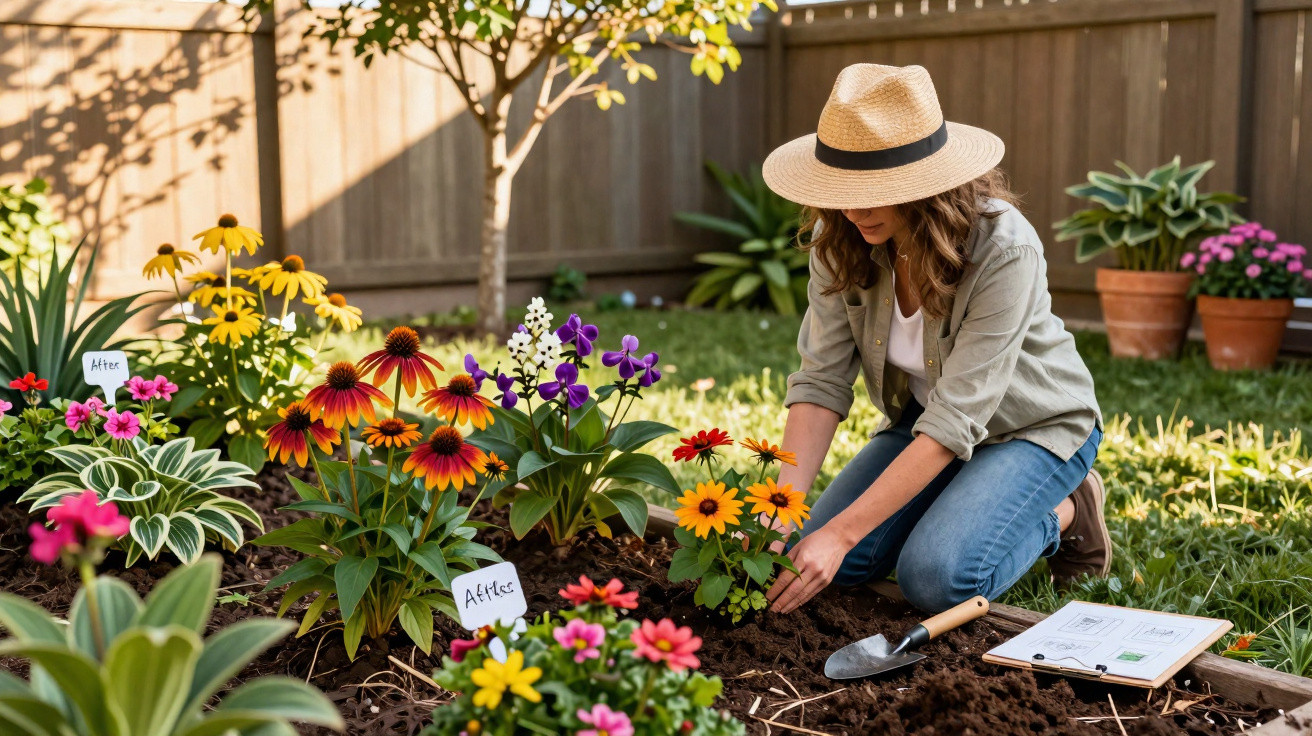
Many keen gardeners see spring as the moment for an expensive overhaul: brand-new beds, fresh features, new decorations. Yet often the smartest move is simply choosing the right perennials. These long-lived plants return reliably each year, adding structure, colour and movement to the garden-so you are not starting from scratch every spring.
Why perennials are the best option right now for lazy (and savvy) gardeners
Perennials live for several years, build strength season by season and form dense clumps. If you place them well once, you save time, money and frustration later on. Unlike many annuals, they do not need buying again every year-they come back of their own accord.
"With a few strategically placed perennials, a bare bed can become a blooming backdrop in a single summer."
Spring is also the perfect window: the soil is moist rather than baked dry, and temperatures are still moderate. Young plants can settle in and grow roots before high-summer heat arrives. That head start makes establishment much easier, and in many cases you will see flowers in the very first year.
The right time: when you can get the spade out
As soon as the ground is no longer frozen and not waterlogged, you can start planting. In cooler areas and upland regions, the usual sweet spot is April to May; in milder locations it is often March.
- Check the soil: not sticky-wet, but evenly moist
- Wait for a frost-free spell
- Avoid planting on scorching hot days
Planting in this period gives perennials an advantage. They root more deeply, cope better with dry spells and will need far fewer watering-can sessions later.
Preparing the bed: half the success is in the soil
Before you head to the garden centre, take a careful look at your garden. Not every plant wants the same conditions, and full sun, light shade and deep shade all call for different choices.
Analyse the position instead of buying blindly
Watch the area over a day or two:
- Where do you get at least six hours of sun?-ideal for sun-lovers and showy perennials.
- Where is there only morning or evening sun?-your classic part-shade zone.
- Where does it stay damp and dim for most of the day?-that is where shade specialists thrive.
Then comes the groundwork: remove weeds thoroughly, loosen the soil deeply, and enrich it generously with compost or well-rotted manure. This helps heavy soils become more open and airy, while sandy soils hold on to water and nutrients more effectively.
"Well-prepared soil turns an ‘okay’ perennial into a truly outstanding plant."
After planting, a generous mulch layer-bark chips, straw or grass clippings-makes a real difference. It keeps moisture in the soil, slows down weeds and buffers young roots against temperature swings.
15 perennials that will change your garden in record time
The selection below covers a range of sites, from blazing sun to a damp shady corner. Used together, they create variety and interest for much of the year.
Stars for part shade and shade
- Christmas rose (Helleborus): Often flowers towards the end of winter when everything else is still dormant. Prefers part shade and humus-rich soil.
- Hosta: Large leaves-often bicoloured-bring bold, graphic shape to darker spots. Needs fresh, fairly moist conditions.
- Heuchera: Offers colourful foliage all year, from lime green to deep purple. Excellent at the front of a border or in containers.
- Bergenia: Thick, glossy leaves that still look good in winter. Flowers in early spring in pink or white.
- Bleeding heart (Cœur‑de‑Marie): Delicate, dangling heart-shaped flowers in spring with a fairy-tale feel. Performs best in light shade.
- Astilbe: Airy flower plumes in white, pink or red. Likes cool, moist soil, such as at the edge of a pond.
Sun-lovers for bright, open beds
- Peony: Big, fragrant blooms, sometimes densely double. After a few years it becomes the quiet queen of sunny borders.
- Lupin: Upright flower spikes in vivid colours. Adds height and structure to any planting.
- Lavender: Silvery foliage, strong scent and a magnet for bees. Perfect for dry, full-sun positions.
- Yarrow (Achillea): Flat-topped flower heads that cope well with dry periods. A great fit for wildlife gardens and prairie-style beds.
- Crocosmia: Narrow leaves and glowing arcs of red-to-orange flowers-an instant summer eye-catcher.
- Delphinium: Tall, elegant spires in blues and violets. Needs nutrient-rich soil and often some support.
- Aster: Delivers a late-summer and autumn burst of colour when many other plants are fading.
Versatile gap-fillers with a long flowering season
- Perennial geraniums: Form dense carpets and keep flowering from spring into autumn in repeated flushes. Ideal for covering bare soil.
- Penstemon: Produces abundant summer flower spikes with bell- or tube-shaped blooms. Works well in mixed sunny borders.
How to showcase your 15 perennials to best effect
A garden looks cohesive when height, colour and flowering times work together. Taller plants generally belong towards the back (or the middle if the bed is viewed from all sides), while shorter plants sit at the front.
| Height | Examples | Placement in the bed |
|---|---|---|
| tall (over 80 cm) | Delphinium, lupin, aster | Background, or the centre of an island bed |
| medium (40–80 cm) | Peony, lavender, yarrow | Mid-border, in front of taller perennials |
| low (up to 40 cm) | Heuchera, perennial geraniums, bergenia | Foreground, along paths, edging the border |
If you also stagger flowering times, there is almost always something happening: Helleborus and bergenia begin early, peony, lupin and penstemon take over in early summer, crocosmia and lavender shine in high summer, and aster and yarrow carry the display into autumn.
Low-maintenance does not mean no maintenance: these simple jobs pay off
Perennials are considered undemanding, but they still benefit from a little attention. In the first few weeks after planting, consistent watering is crucial. The soil should never bake bone-dry, but it should not sit in standing water either.
- Form a watering ring so water reaches the roots.
- Remove spent flowers now and then to encourage fresh buds.
- In late winter, cut old, dried stems down close to the ground.
- Every few years, divide large clumps to keep them vigorous.
"With a few targeted pruning cuts, perennials stay strong and free-flowering for many years."
If you feed organically-such as a spring top-dressing of compost or horn meal-vigorous growers like delphiniums and peonies can reach their full potential.
More impact through smart combinations
When you pair perennials thoughtfully, they enhance one another. Tall, refined shapes like delphiniums look especially striking against calm foliage backdrops such as hostas or bergenias. The warm orange tones of crocosmia sit beautifully with purple lavender or deep red heuchera varieties.
In smaller gardens in particular, repetition is worth using deliberately: instead of planting just one of everything, group plants in threes, fives or sevens. That creates visual calm and makes the border feel intentionally designed rather than randomly dotted about.
Practical notes on risks and common mistakes
Although many perennials are tough, there are a few classic pitfalls. Waterlogging can quickly cause root rot-especially for lavender or yarrow. The rule is simple: choose free-draining ground and, if necessary, mix in a little sand. In deep shade, sun-lovers struggle; they grow weak, flop over and fail to perform.
Another issue is slugs. Fresh hosta shoots are a particular favourite. If you know your garden has heavy slug pressure, act early-for example with slug collars, copper tape barriers, or by encouraging natural helpers such as hedgehogs and toads.
With a well-chosen mix of these 15 perennials, a bit of soil preparation and some focused care, you can set the foundation this spring for a garden that already looks fuller, brighter and more alive this season-and becomes better year after year without constant restarting.


Comments
No comments yet. Be the first to comment!
Leave a Comment