
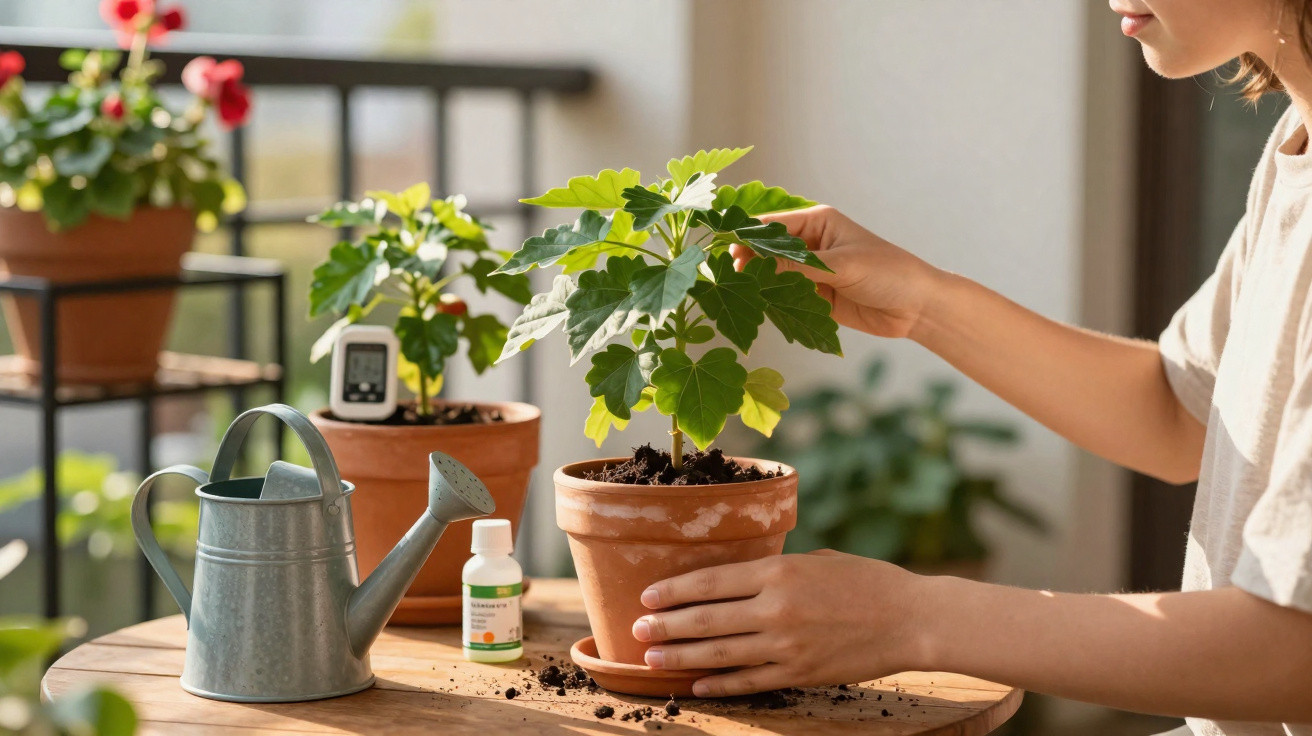
A ixora with plenty of glossy green leaves, a strong healthy look and no sign of blooms can leave both new and experienced gardeners puzzled. When an ixora does not flower, the first assumption is often that it needs more feed - but the issue is frequently the type of nutrients being applied, along with growing conditions such as light levels, watering habits and drainage.
Why can an ixora look healthy and still not flower?
One of the most common reasons an ixora fails to produce flowers is too much nitrogen in the fertiliser. Nitrogen strongly encourages leaf and stem growth, so the plant becomes lush and green - but it can push the plant’s energy away from forming flower buds.
As well as nitrogen imbalance, factors including hours of sunlight, temperature, soil drainage and available root space have a direct impact on flowering. In very shady spots or in waterlogged compost, the plant typically focuses on survival and stretching growth rather than developing blooms.
What should you check on an ixora before increasing fertiliser?
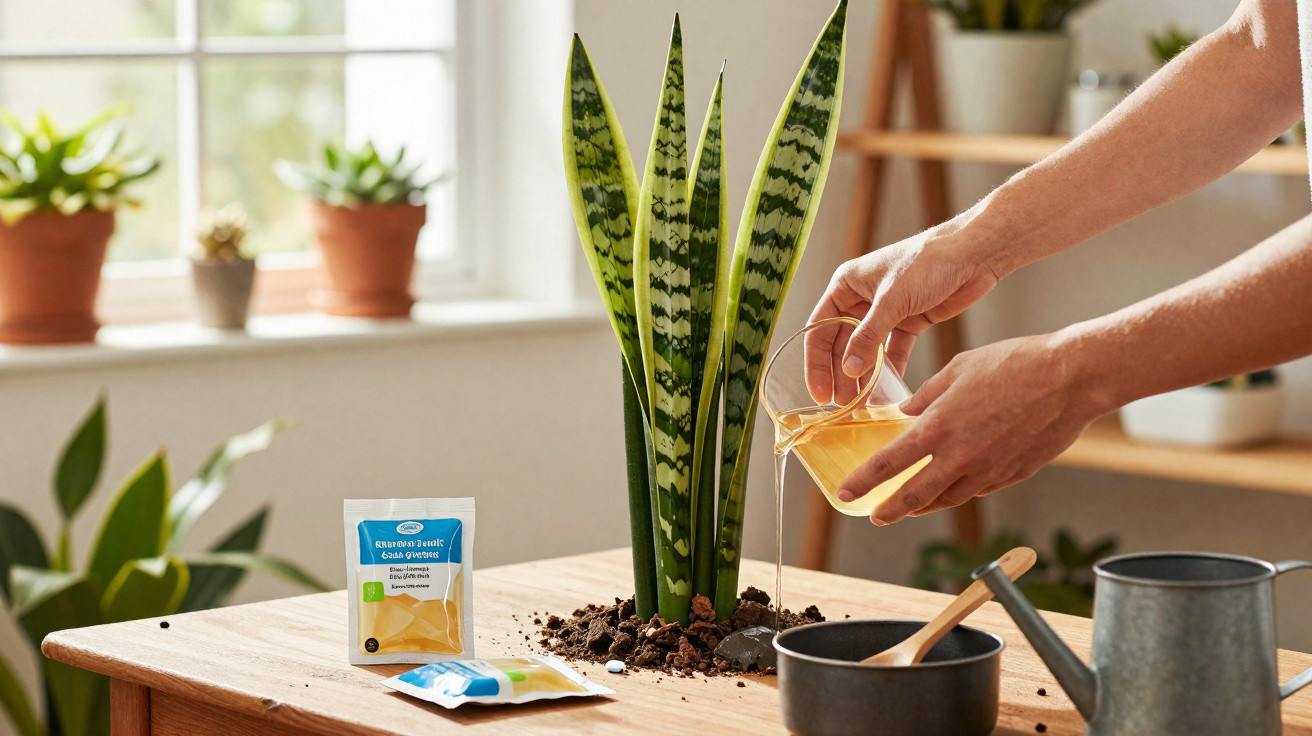
Before adding more feed, check the fertiliser formulation you have already been using. Products high in nitrogen suit vegetative growth, but to encourage flowering it is generally better to choose a feed where phosphorus and potassium are more prominent, always following the instructions on the label.
Sun exposure also matters, as ixora responds well to several hours of direct light each day. If it sits in deep shade or on a balcony with limited sunshine, flowering often drops. In many cases, simply moving the pot to a brighter position - while gradually acclimatising the leaves - can make a noticeable difference.
- Read the fertiliser label and note the nitrogen (N), phosphorus (P) and potassium (K) levels.
- Consider how many hours of direct sun the plant receives each day.
- Check whether the compost stays soggy for too long after watering.
- Look for signs the plant is only “stretching” its stems rather than setting buds.
How to encourage ixora flowering in a balanced way
To help an ixora return to flowering, it can be useful to adjust the feeding schedule, opting for a fertiliser made for flowering plants or one formulated to support bud formation. Apply it at the recommended dose and frequency, avoiding applications too close together, which can lead to a build-up of salts.
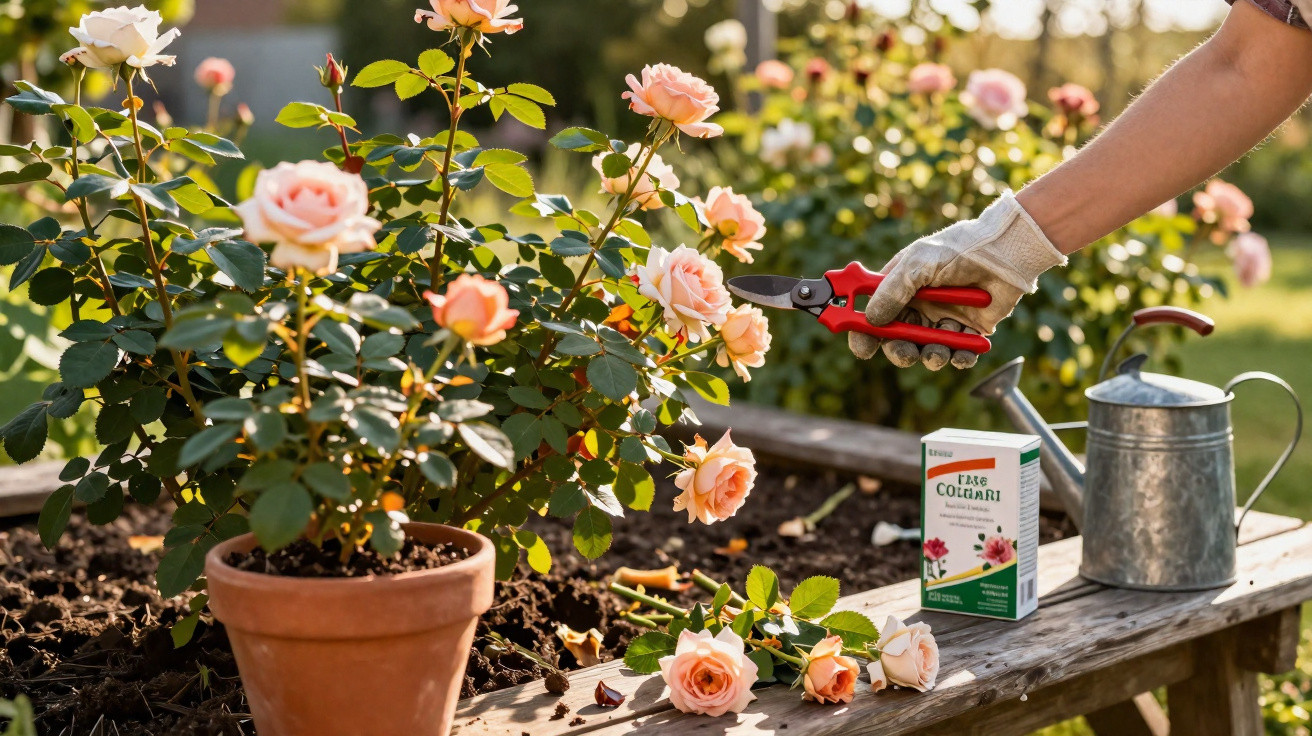
Good drainage is also key: an airy, free-draining growing medium supports healthier roots, especially in pots with a base layer of gravel, broken terracotta pieces or expanded clay pellets. Light tidy pruning - removing faded blooms and weak stems - creates room for fresh growth and can support more consistent flowering across the season.
When to adapt ixora care in pots and different climates
When grown in containers, nutrient management becomes even more important because the volume of compost is limited and its mineral reserves are used up quickly. The plant relies entirely on planned feeding, the quality of the potting mix, the container’s drainage, and the amount of direct sun it receives in covered areas or on glazed balconies.
The time of year also affects flowering: in colder periods or when light levels are lower, ixora may naturally slow its flower production. During these times, heavy feeding rarely delivers quick results and can harm the compost, so watching how the plant responds over several weeks is a practical way to fine-tune care more safely.
Comments
No comments yet. Be the first to comment!
Leave a Comment