
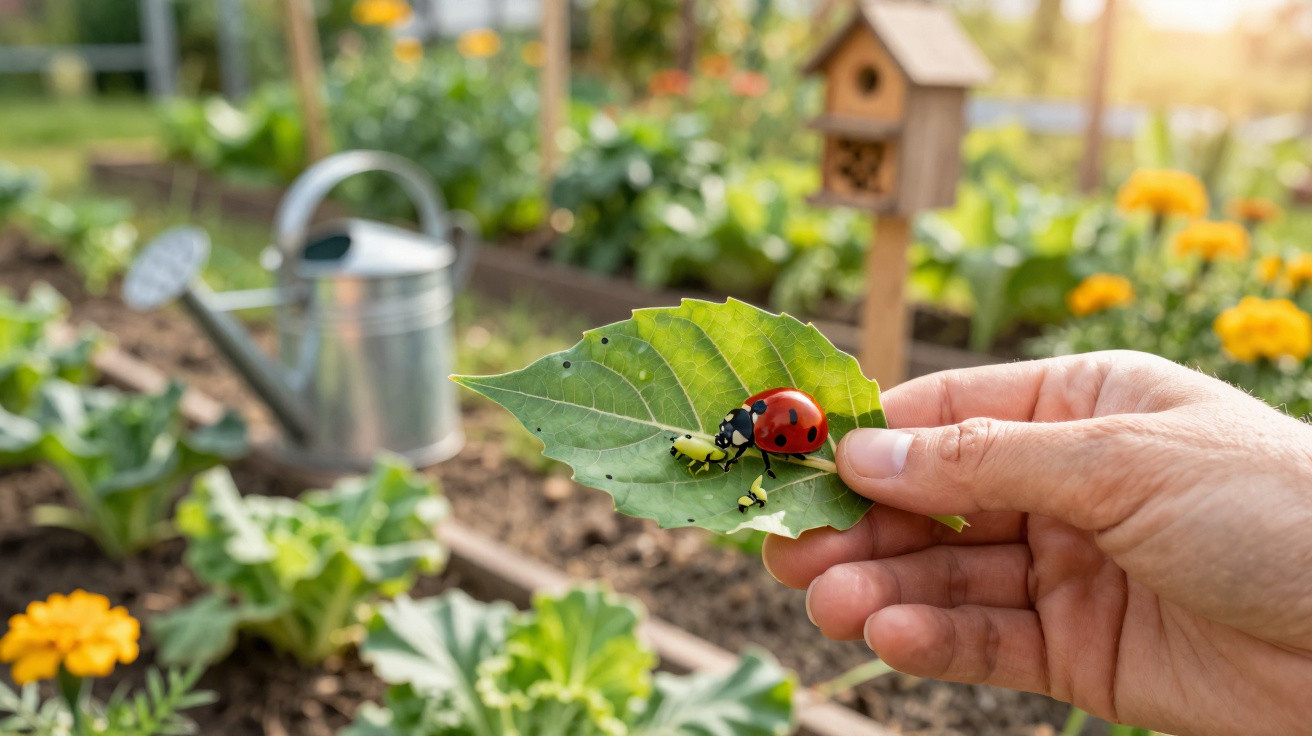
Spotting tiny insects on the leaves of potted plants or near windows often leaves plant carers wondering what is going on. Seeing a ladybird indoors is, in fact, an excellent sign for the health of your garden.
Why is the presence of ladybirds beneficial for plants?
These small beetles are keen predators of several pests that commonly attack vegetable plots and ornamental beds. When there is plenty of food available, ladybirds help keep things in balance without the need for chemical products in your cultivation.
Beyond eating harmful insects, they also suggest the local ecosystem is in good condition and offers favourable conditions for development. Looking after these visitors helps keep foliage looking its best, encourages vigorous growth and keeps a vegetable patch consistently protected.
How are ladybirds used for urban pest control?
Cities are using biological control with ladybirds to protect public green spaces without applying pesticides… Read more
What do ladybirds eat in their natural environment?
Most species in the Coccinellidae family feed mainly on small, soft-bodied organisms. Aphids are their primary food source, followed closely by destructive mealybugs found on potted plants.
A single larva can wipe out hundreds of pests before reaching adulthood in a pot or planting bed. This steady, natural feeding makes the beetle an excellent control agent for keeping biodiversity thriving.
Below is a video from the Mundo Agro channel on YouTube that explores the points discussed in this topic in more depth:
What should you do if you find ladybirds inside the house?
When they appear near windows or curtains, these small visitors are usually looking for temporary shelter from sudden temperature changes. In that situation, simply pick up the insect carefully and gently move it outside to your planting bed.
There is no reason to panic: they do not spread disease and they do not damage household furniture. Returning them outdoors allows them to continue their valuable role in the protection of leaves and in maintaining environmental balance.
Garden preservation
Essential care - simple practices to help keep these insects around:
- Avoid using harsh chemical plant protectants.
- Grow flowering varieties to attract pollinators.
- Keep small containers of clean water nearby.
How can you attract more ladybirds to your cultivation?
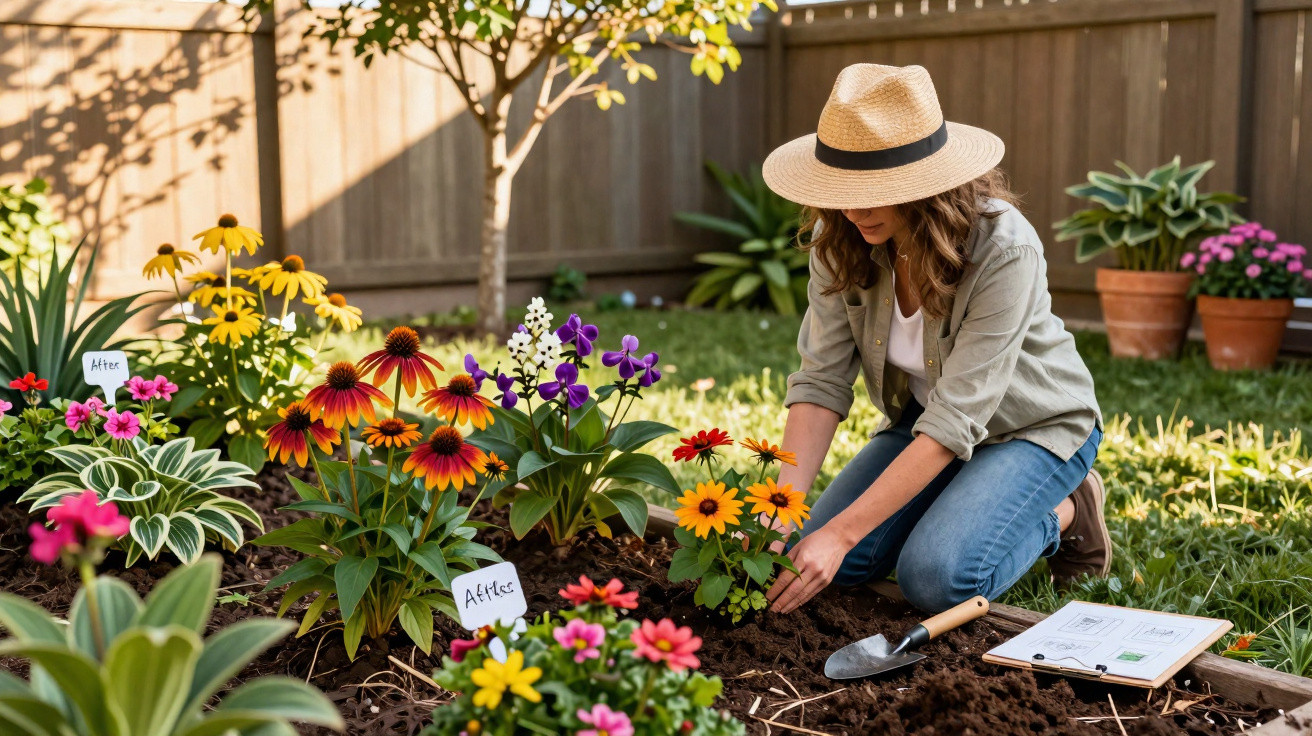
To encourage these beneficial predators to keep arriving, it helps to diversify the plant species you grow in your bed. Pollen-rich flowers provide important supplementary food for the ladybird during periods when pests are scarce.
Avoiding broad, generic insecticides protects the existing population and supports continued breeding in pots. In doing so, you create a natural system in which biological control operates in the vegetable patch in a steady and efficient way.
Here are a few recommended plants for creating an inviting environment:
- Coriander and dill in pots;
- Gerberas and daisies in the bed;
- Golden fleece in open areas.
What is the importance of biological control in the garden?
Using helpful insects is one of the best ways to reduce reliance on synthetic products in day-to-day growing. As well as safeguarding the soil, this approach supports the presence of other essential pollinators in nature.
Valuing these beetles helps plants last longer and strengthens the production of healthy fruit and flowers at home. Caring for each small ecosystem turns the space into a genuine refuge of life and sustainability.
Comments
No comments yet. Be the first to comment!
Leave a Comment