
Many amateur gardeners instinctively reach for chemical sprays from the garden centre, only to later find their plants weakened, fewer bees around and harvesting feeling less reassuring. Yet a simple powder found in almost every kitchen can keep aphids under control far more gently while still being effective.
Why aphids become a nuisance in spring
Aphids are among the most widespread pests in gardens, on balconies and on windowsills. Just a few millimetres long, they cluster tightly on fresh shoots and beneath leaves, piercing plants to feed on their sap.
Common signs include:
- Leaves curling up or becoming distorted
- Shoots failing to grow properly
- Buds struggling to open or drying out
- Leaves developing a sticky sheen known as honeydew
- Sooty mould fungi settling on the honeydew and blackening the leaves
The plants most often affected include:
- Roses
- Cucumbers and other cucurbits
- Redcurrants and gooseberries
- Fruit trees such as apple and peach
- Young vegetable plants and potted herbs
Aphids multiply at an explosive rate – a handful of insects can become an entire colony within days.
Anyone who waits until whole shoots are black with aphids will need to take much more drastic action and may face genuine crop losses.
Chemical sprays? Often the worst option for gardens
Shelves packed with insecticides promise a rapid solution, but many people only notice the downside later. These products rarely affect pests alone: they can also harm beneficial insects such as ladybirds, lacewings and wild bees, all of which are vital to a balanced ecosystem.
There are further drawbacks too:
- Residues on lettuce, herbs and fruit
- Waiting periods before the next harvest
- Risks to children and pets if used incorrectly
- Pressure on soil and groundwater
For this reason, many amateur gardeners look for ways to protect plants without poisoning the small ecosystem in their garden at the same time.
The surprising household remedy: bicarbonate of soda against aphids
A powder more commonly used in baking, cleaning products or for heartburn has an interesting use in the garden: bicarbonate of soda (sodium bicarbonate) can seriously disrupt aphids without placing any notable burden on people or the environment.
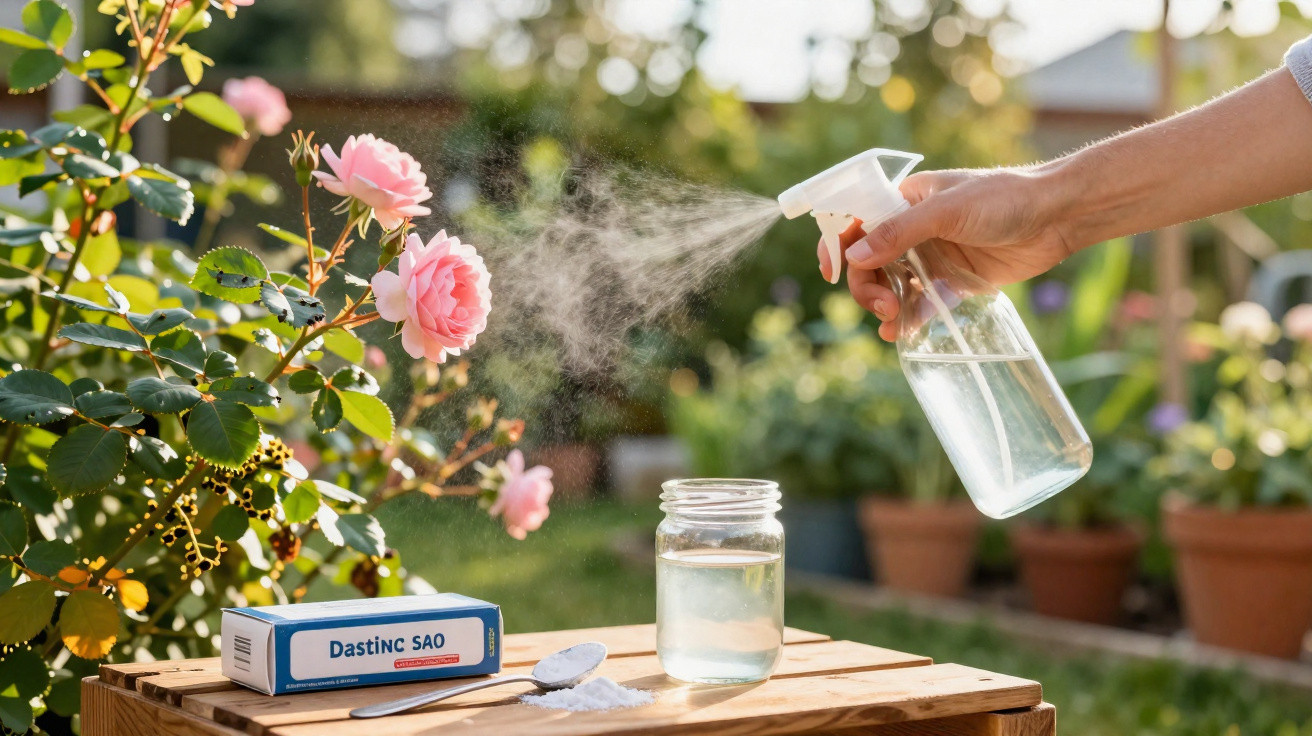
Bicarbonate of soda makes a homemade spray mixture that reduces aphids and is considered harmless to people.
The basic idea is that bicarbonate of soda alters the pH level on the plant surface and interferes with the pests’ sensitive outer layer. The aphids either dry out or move away. When used at the correct strength, most plants tolerate this treatment well.
Recipe for a bicarbonate of soda aphid spray
To make 1 litre of spray solution, you need:
- 1 litre of lukewarm water
- 1 tablespoon of bicarbonate of soda
- A few drops of mild washing-up liquid
The washing-up liquid is not included as a ‘chemical weapon’; it acts as a wetting agent by reducing the water’s surface tension. This helps the solution spread more evenly, remain on leaves for longer and coat the aphids.
How to apply the mixture correctly
- Dissolve the bicarbonate of soda completely in the lukewarm water.
- Stir in the washing-up liquid until no lumps remain visible.
- Pour the solution into a clean spray bottle.
- Spray the plant thoroughly from every angle, including both the upper and lower leaf surfaces.
- Repeat the treatment every two to three days until hardly any aphids can be seen.
Late evening or early morning is the ideal time to apply it. Leaves dry more slowly then, and the sun cannot bake the solution onto them. In strong midday sunshine, droplets on leaves can act like tiny magnifying glasses.
Which plants tolerate bicarbonate of soda well – and which do not
Many hardy crops cope with the mixture without difficulty, including:
- Cucumbers, courgettes and pumpkins
- Dwarf and climbing beans
- Various types of cabbage
- Roses in beds and containers
- Berry bushes such as redcurrants and gooseberries
Plants with particularly delicate, thin leaves can react more sensitively, for example:
- Basil and other Mediterranean herbs
- Very young vegetable seedlings
- Houseplants with soft leaves
For sensitive species, test the solution on a single leaf first and wait one to two days.
If brown marks, a translucent appearance or severe drying damage develops, use another method instead. Where colonies are heavily encrusted, it can be worthwhile cutting off and disposing of the worst-affected shoots first. This lowers the aphid population before using the spray mixture.
What happens if you use too much?
Anyone who adds far too much bicarbonate of soda on the basis that “more is better” risks damaging their plants. Excessive concentrations can scorch leaf edges, dry out surfaces and, in extreme cases, cause entire shoots to die back.
As a rough guide, one tablespoon per litre is the upper limit for most hardy plants. There is no need to use more. If a whitish coating appears after spraying, the mixture was probably too strong or it was applied too often. In that case, use clean water in a spray bottle to rinse the residue away.
Other gentle methods for dealing with aphids
Bicarbonate of soda is not the only option that avoids synthetic pesticides. Many gardeners also rely on these straightforward methods:
- A strong jet of water: An early colony can be washed from leaves with a garden hose or shower attachment. Most aphids are fatally injured, or permanently separated from the plant.
- Soap solution: A mixture of water with genuine soft soap or traditional household soap coats the aphids and prevents them from breathing.
- Encouraging beneficial insects: Ladybirds, earwigs and parasitic wasps are natural predators. An insect-friendly garden with flowering strips and shelter helps maintain balance over the long term.
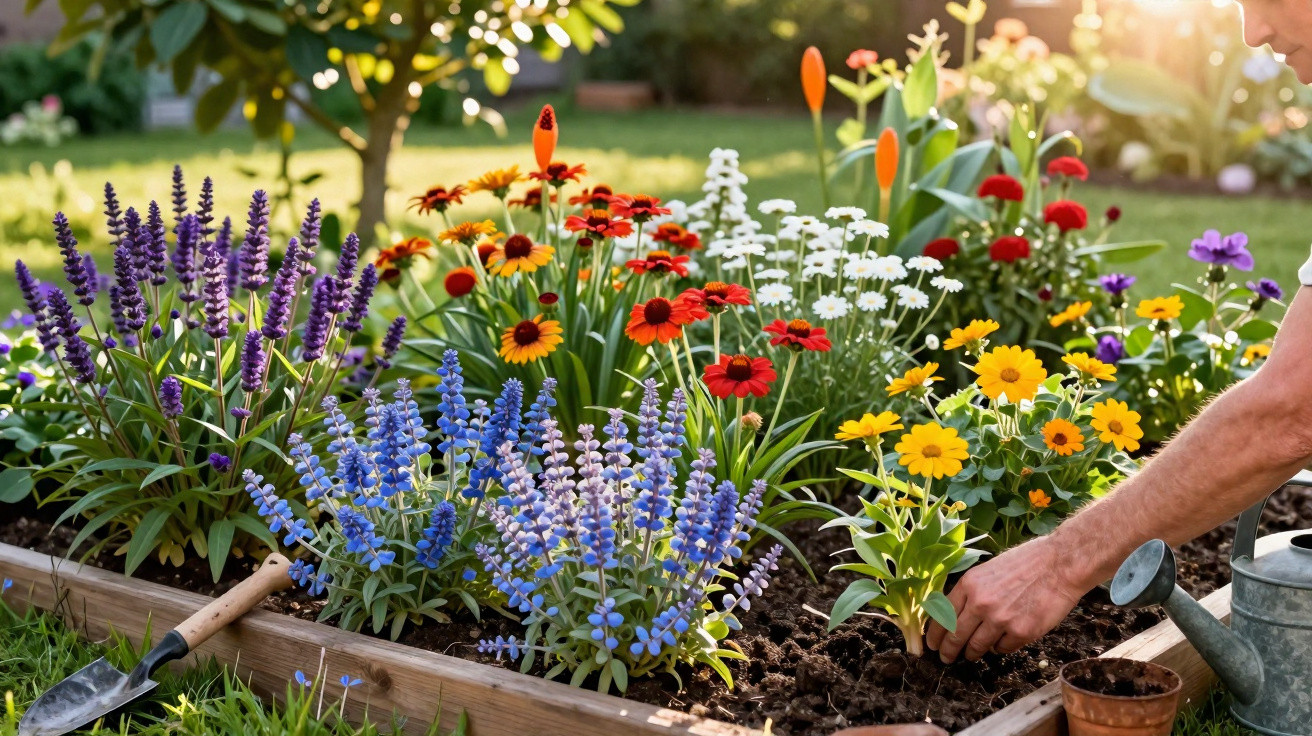
- Mixed planting: Dense mixed planting with herbs such as lavender or thyme can reduce infestations, as many pests avoid these scents.
When intervention is genuinely worthwhile
Not every aphid calls for an immediate spray-bottle response. A light infestation on older rose leaves, or a few aphids on a vigorous fruit tree, can often be dealt with by the ecosystem itself. Action is particularly worthwhile when:
- Very young or newly planted crops are affected
- Vegetables and berries intended for home consumption are heavily infested
- Shoots are already becoming noticeably misshapen
- Container plants on a balcony or patio are visibly suffering
Responding quickly in these situations reduces the pressure early and prevents entire beds from turning into aphid colonies.
Practical tips for a relaxed approach to aphids
Many new gardeners panic when they first encounter a major infestation. A realistic perspective helps: aphids appear every year, form part of the system and provide food for many beneficial insects. The aim is not complete sterility, but a manageable level of infestation.
A few routines make day-to-day gardening easier:
- When watering, briefly inspect plants from above and below.
- Record infestations early – a photo on your phone is enough – and monitor how they develop.
- Keep a spray bottle containing the bicarbonate of soda mixture in the shed or on the balcony.
- Watch new plants for several days before placing them near sensitive crops.
Taking this approach means you will need drastic treatments less often, while retaining the reassuring feeling of harvesting edible plants without a cocktail of pesticides. Bicarbonate of soda is not a miracle cure, but it is a surprisingly effective part of gentle, practical plant protection – and it is often already sitting in the kitchen cupboard.
Comments
No comments yet. Be the first to comment!
Leave a Comment