
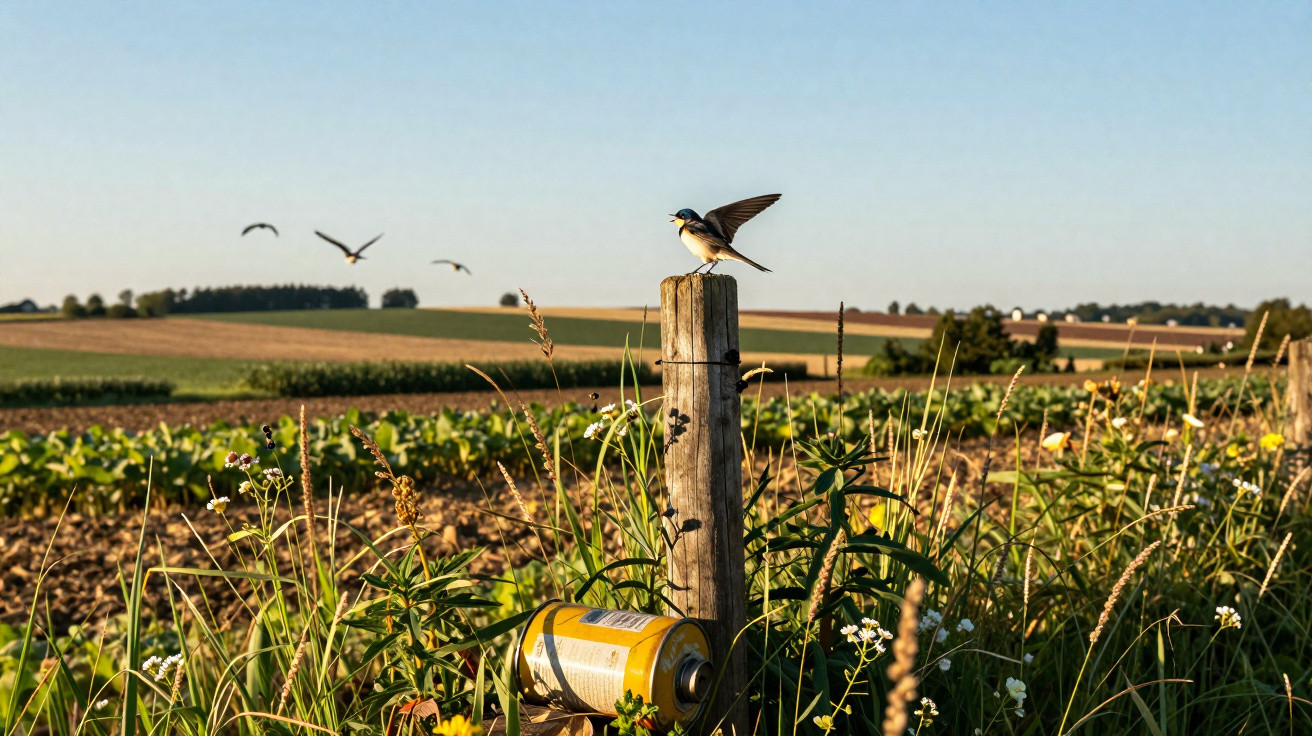
Yet the situation remains fragile.
For several years, researchers in France have observed a tentative recovery among some insect-eating bird species. The backdrop is the ban on an entire class of pesticides known as neonicotinoids. This development highlights just how profoundly modern farming affects bird populations - and how difficult it is to restore greater biodiversity.
What lies behind the birds’ quiet recovery
Since 2018, neonicotinoids have generally been prohibited on European farmland. These insecticides were primarily regarded as a nightmare for bees. Far less attention had been paid to other animals affected indirectly, including birds that feed on insects.
A French research group led by biologist Thomas Perrot has now carried out the first systematic assessment of how these bird populations have changed since the ban. Its analysis draws on records from almost 2,000 sites, gathered over many years through a nationwide bird-monitoring programme.
The study shows that insect-eating birds declined far more sharply where the neonicotinoid imidacloprid was used heavily - and that, following the ban, their numbers are now rising slightly.
The shift is far from dramatic, but it can be measured: the gap between heavily contaminated areas and those with lower exposure is narrowing. This suggests that tighter plant-protection rules can make a difference, although the effects emerge more slowly than hoped.
Imidacloprid: a pesticide with a long legacy
The active substance at the centre of the study is imidacloprid. Until 2018, it was the most widely used neonicotinoid in France. Over decades, the chemical found its way into soils, surface waters, earthworms and insects - and eventually into birds’ food supply.
For insect-eating species, this amounts to a double blow:
- Less prey is available because insect populations collapse.
- Birds can be poisoned directly when they consume contaminated prey or seeds.
The bird-population analysis reveals how substantial this effect was. Before the ban, insect-eating birds declined by an average of just over twelve per cent in heavily contaminated areas. After the ban, the decline eased, but still stood at around nine per cent. This makes one point clear: even after the tap has been turned off, the chemical legacy continues to affect ecosystems for years.
Why some birds suffer more than others
The researchers separate birds into several categories:
- Insect-eaters: including swallows, warblers and wrens.
- Seed-eaters: such as finches and sparrows.
- Generalists: species with mixed diets, including blackbirds and magpies.
Only insect-eating birds show a clear, strikingly linear pattern: more imidacloprid means fewer birds. Seed-eaters and generalists appear considerably more resilient. In some cases, their populations even rise slightly in regions with moderate pesticide exposure, pointing to complex interactions with other influences, such as the availability of grain or reduced competition.
A cautious upturn after the ban
Four years after the EU ban, the researchers identified the first encouraging signs. In regions with particularly high imidacloprid contamination, insect-eating bird populations are recovering slightly. The difference compared with less contaminated sites is becoming smaller.
Bird populations are not shooting upwards, but the prolonged low point appears to have been broken - the first upward bend in a long downward curve.
One reason why the recovery remains modest is that imidacloprid breaks down very slowly. In soil, the substance can remain active for several years. There are also lingering effects from special authorisations - for instance in sugar-beet cultivation, where France temporarily permitted exemptions again after the ban.
At the same time, other pressures continue without restraint:
- Habitats are fragmented by roads, settlements and large arable fields.
- Temperatures are rising and extreme weather events are becoming more frequent.
- Intensive farming relies on monocultures and leaves little room for hedgerows or fallow land.
The researchers therefore caution against excessive expectations. Anyone who assumes that a single ban can put everything right underestimates how slowly ecosystems respond.
How landscapes and farming shape the outcome
The data reveal clear regional patterns. Insect-eating birds benefit most where the landscape has not been stripped of all its features, particularly in central, north-western and eastern France. In the south, where seed-eating birds are more common and farming is often organised differently, the effect is less pronounced.
The form of the agricultural landscape is especially important:
- Intensive agricultural deserts with vast fields, few hedgerows and little grassland: high pesticide concentrations, limited shelter and few insects.
- Extensive or organic farming with field copses, flower strips and permanent grassland: more food, lower exposure and better prospects for birds.
Where fields stretch like carpets to the horizon, it is not only insects that disappear - the voices of many songbirds vanish with them.
The study therefore reinforces a key finding from landscape ecology: chemical exposure and habitat structure work together. A ban reduces the toxic burden, but without hedgerows, fallow plots and species-rich field margins, birds still lack what they need to survive.
TAT, a new indicator for overall toxicity
A particularly relevant tool in the pesticide debate is a new measure used by the researchers: “Total Applied Toxicity”, or TAT. It brings together the toxic effects of all active substances used on different groups of organisms.
| What does TAT measure? | What it means in practice |
|---|---|
| The total toxicity of all pesticides applied per area | Indicates whether overall exposure remains too high despite bans on individual substances |
| Effects on different groups, including insects, birds and mammals | Makes trade-offs visible, such as protecting pollinators while controlling pests |
| Combined effects of multiple substances | Helps to identify hazardous “toxic cocktails” |
Such an indicator allows exposure to be assessed more realistically than by simply examining individual active substances. For policymakers, it could become a guide for identifying genuinely risky approaches - for example, where prohibited chemicals are replaced with alternatives that cause similar overall harm.
What Europe can learn from France’s example
The French findings come as the EU advances its “Green Deal” and its “Farm to Fork” strategy. One central objective is to cut the use of chemical plant-protection products substantially by 2030.
The study offers several lessons:
- A ban can have an effect, but only gradually - patience and a long-term approach are essential.
- Reducing toxic chemicals alone achieves little without high-quality habitats.
- Exemptions and loopholes weaken every regulation.
- Independent long-term monitoring is indispensable for measuring impacts.
For agriculture, this means a genuine change of system. Simply replacing one active substance with another is not enough. The required approaches protect insects while maintaining yields: more crop rotation, mechanical weed control, resilient varieties and beneficial organisms instead of permanent chemical use.
What the trend means for Germany and Central Europe
France is not an isolated case. Ornithologists in Germany and other Central European countries have also recorded declining farmland bird populations for years. The mechanisms are very similar: fewer insects, fewer habitats and more toxins in the system.
Several lessons from the French study can be applied directly:
- Longer monitoring programmes are worthwhile because they reveal trends.
- Targeted support for hedgerows, flower-rich areas and extensively managed grassland is a crucial lever.
- Pesticide policy should focus more strongly on overall toxicity and combined effects, rather than only on limit values for individual products.
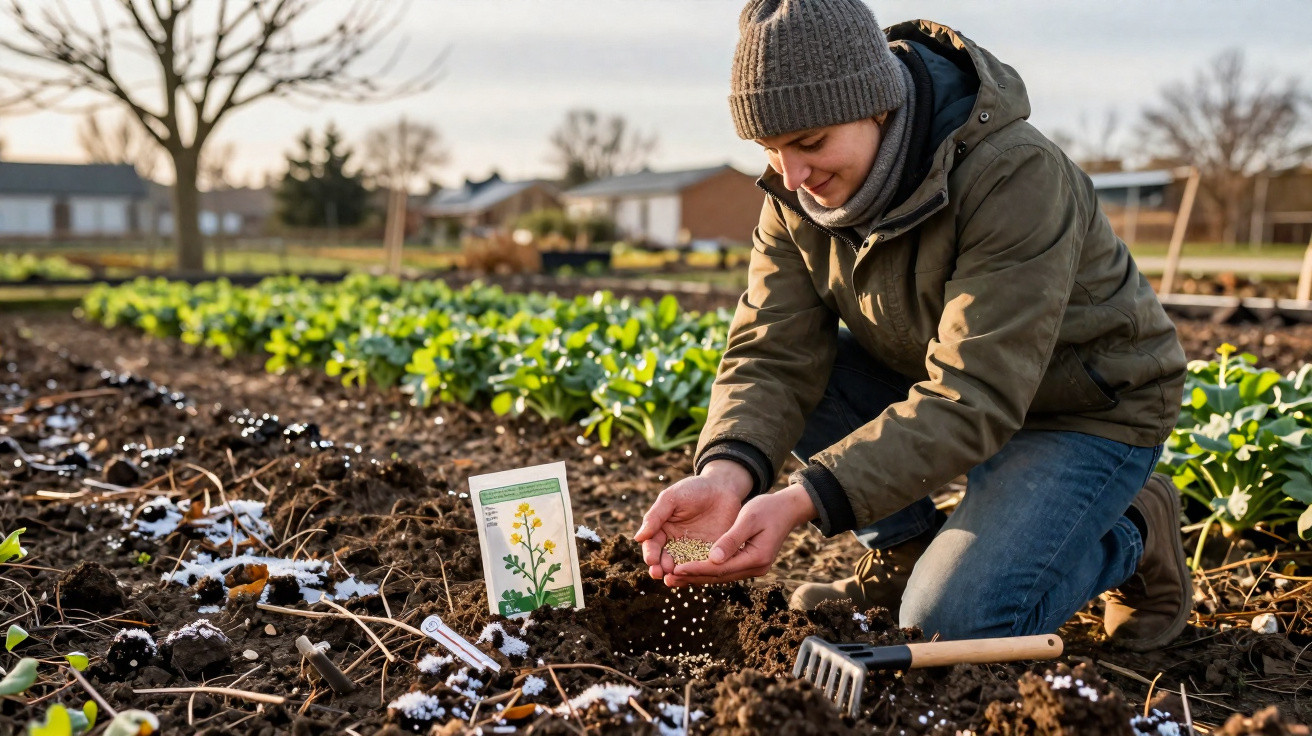
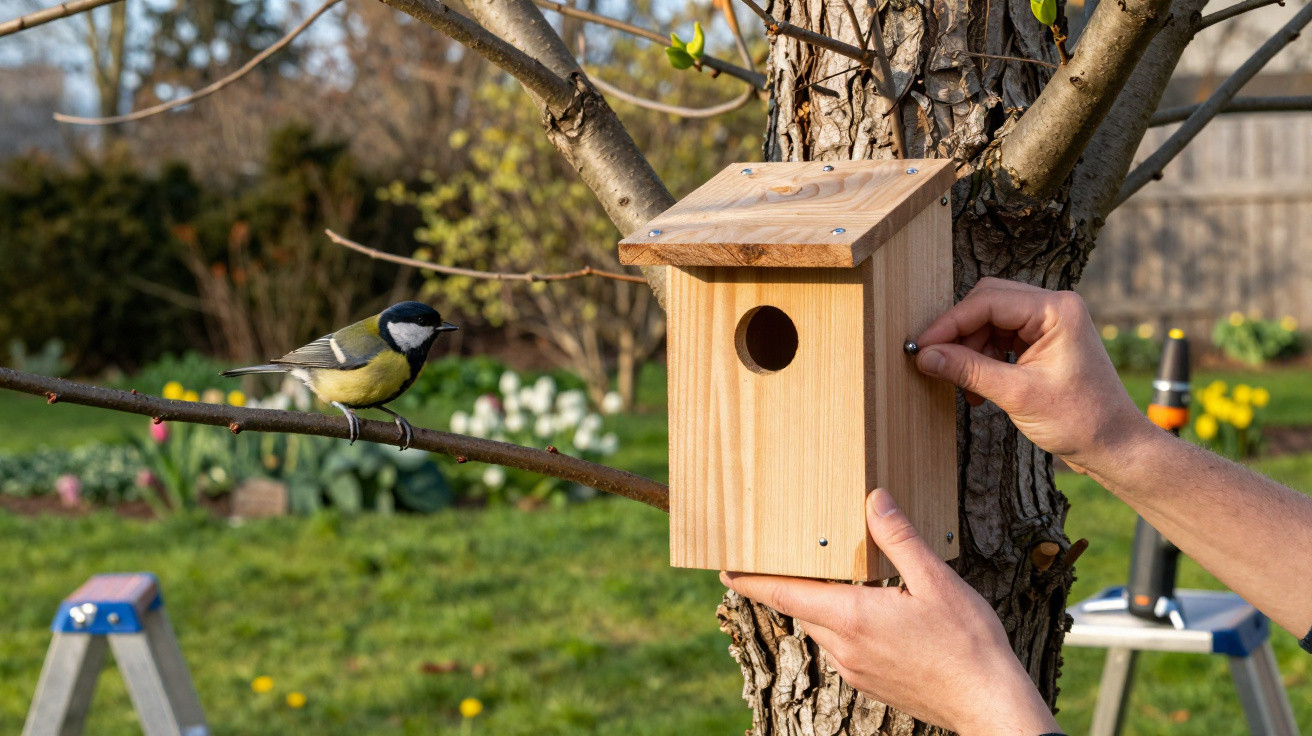
For amateur gardeners, local authorities and land managers, the practical implications are clear: the less pesticide used and the more structure a site contains, the better it is for insects - and the more likely swallows, robins and other birds are to return. Even small steps, such as leaving an untidy corner of a garden, planting native shrubs or avoiding insecticides, can make a local difference.
Much is at stake in the long term. Birds are not merely appealing wildlife; they indicate the condition of our landscapes. When their populations slowly rise, it signals that ecosystems are regaining some stability. The French data show how arduous that path is - and that every additional year with fewer toxins and more habitat remains a building block in that recovery.




Comments
No comments yet. Be the first to comment!
Leave a Comment