
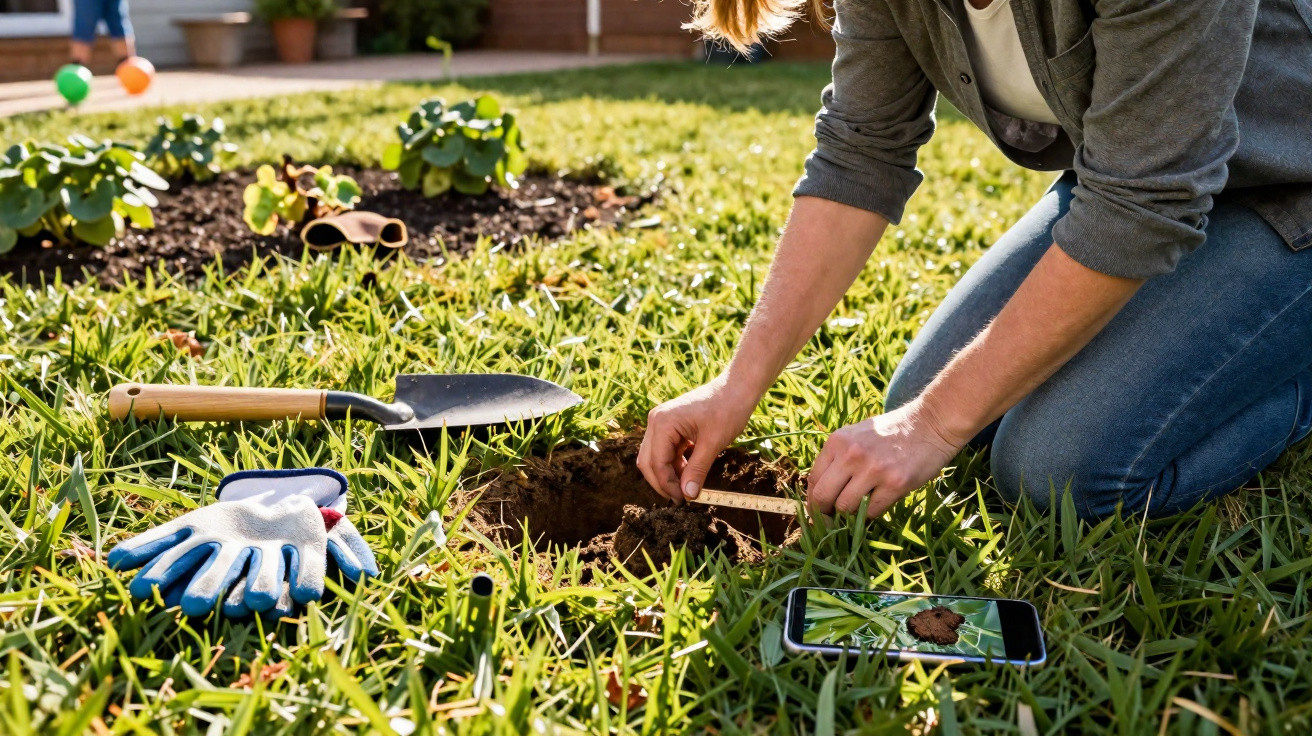
Gaps in your turf are seldom accidental. Their shape, dimensions, timing and surrounding evidence can identify the likely animal-and the potential danger it poses to pets, plants and patios.
What holes in the lawn can reveal
In most cases, animals make holes either to find food or create shelter. Grubs beneath turf attract skunks and raccoons. Squirrels and chipmunks favour loose mulch, while damp edges beside sheds can appeal to rats. In warmer climates, armadillos forage overnight. Across open lawns, moles tunnel in search of earthworms and beetle larvae.
Think in clues, not guesses: hole diameter, rim shape, spoil piles, nearby tracks, time of day, and location build a reliable ID.
Check the location as well as the hole
Where a hole appears can substantially narrow the list of suspects. Smooth, exposed lawns marked by raised runs and cone-shaped mounds indicate moles. Bigger burrows along fence lines or beneath decking may belong to groundhogs or foxes. Small openings around log piles, compost heaps and sheds commonly suggest rats. Scraped ground below bird feeders or fruit trees may point to squirrels, chipmunks or wild turkeys.
Assess the shape and rim
Neat round plugs accompanied by a small amount of loose earth can suggest skunks. Mole vents are identified by volcano-like mounds with a plug at the centre. Broad openings with fan-shaped spoil heaps are associated with badgers in the UK and groundhogs in North America. Small, tidy openings roughly two fingers wide, with no visible soil pile, are frequently made by voles.
Timing provides a clue
Nocturnal activity often indicates a skunk, raccoon, armadillo, rat or fox. Damage appearing in daylight is more likely to involve squirrels, chipmunks, rabbits, groundhogs or turkeys. Holes emerging after rainfall may result from worms coming closer to the surface, drawing in both moles and skunks.
Field guide to holes in the lawn
| Suspect | Hole size and shape | Active time | Nearby clues |
|---|---|---|---|
| Mole | Small vents, volcano mounds and raised surface runs | Mostly nighttime | Soft ridges and no food scraps on the surface |
| Vole | 2–4 cm, with no soil pile | Day and night | Grass clipped into runways and gnawed stems |
| Skunk | Neat 3–5 cm cones | Night | A faint musky smell and turf dotted with plugs |
| Raccoon | Shallow prised patches, often with turf rolled back | Night | Footprints, raided bins or disturbed bird feeders |
| Armadillo | Shallow 5–8 cm pits | Night | Numerous holes and a rise in activity after rain |
| Groundhog/woodchuck | 20–30 cm burrow with spoil | Day | Chewed plants and several entrances near structures |
| Rat | Smooth 5–8 cm entrance | Night | Grease marks, droppings and gnawing around sheds |
| Squirrel/chipmunk | Shallow scrapes or 3–5 cm holes | Day | Nutshells, husks and hidden seeds |
| Wild turkey | Disturbed leaf litter and shallow bowls | Day | Feathers and broad scratch marks |
Snakes, foxes, and coyotes often occupy abandoned burrows. The hole you see may not belong to the current resident.
Why it is sensible to stay alert
Health and safety concerns
Burrows may destabilise patios, steps and retaining walls. Soil disturbed around gas pipes or irrigation systems can lead to leaks. Skunks and raccoons can carry illnesses that put pets at risk. Rodent holes may be used by wasps, increasing the chance of stings while mowing. Large underground voids also present a trip hazard for children and older people.
Harm to plants and turf
Voles can strip bark from shrubs and young trees. Mole tunnels raise roots and cause turf to dry out. Groundhogs feed in vegetable plots. While hunting grubs, armadillos and skunks can uncover plant crowns. Recurrent digging also leaves bare areas where weeds can establish.
Never reach into a burrow or flood it with chemicals. You risk bites, toxic runoff, and damage to pipes and roots.
Smart ways to identify the culprit
- Use a ruler to measure the diameter, then record the shape, rim and any spoil.
- At dusk, sprinkle a ring of flour around the opening to reveal tracks by morning.
- Run a motion-activated camera for two nights to establish both the timing and species.
- Before treating for grubs, lift a flap of turf to look for mole tunnels.
- Before digging deeply close to utilities, contact the relevant service locators.
How to deal with holes without worsening the problem
Remove the food source
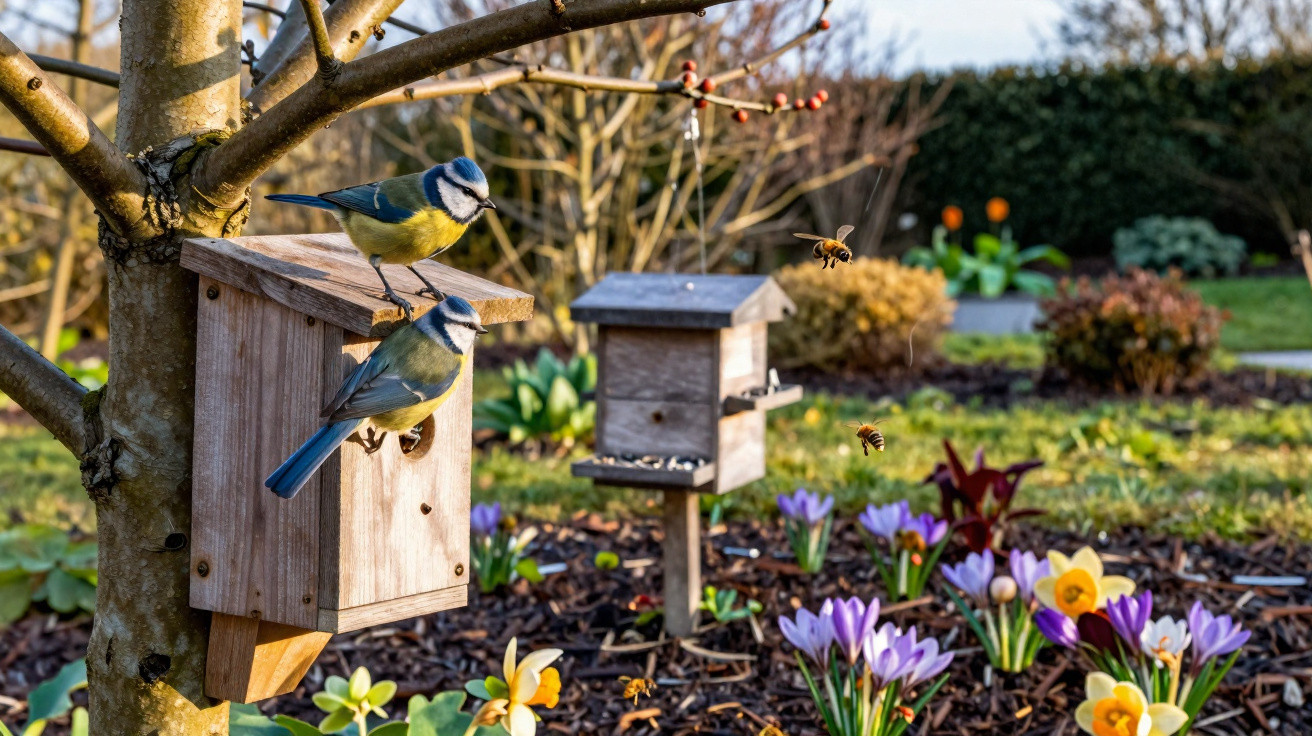
Reducing available food reduces digging. Only treat lawn grubs when monitoring confirms live larvae are present. Pick up fallen fruit, take pet food indoors and keep bin lids secure. Add catch trays beneath feeders, then clear up spilled seed.
Restrict access and safeguard roots
In planting beds and vegetable plots, lay hardware cloth with 6–13 mm mesh beneath newly added soil. Install it 20–30 cm below ground and extend a 10–15 cm outward-facing skirt. Line raised beds, and secure fresh turf joins with pins so raccoons cannot peel them back.
Act at the right time
Avoid working during breeding periods, as young animals may be trapped underground. Fox and groundhog dens often contain young in spring. Once the young have dispersed, one-way doors fitted to secondary entrances can encourage animals to leave. Check local regulations before attempting exclusion or trapping.
Plan deterrents carefully
Motion-activated lights and sprinklers can deter raccoons and foxes. Castor-oil soil drenches may encourage moles to move from sandy ground. Ultrasonic stakes seldom dislodge established burrows. Rain quickly reduces the effect of scent repellents, so they require rotation.
When professional help is needed
Seek professional assistance when holes multiply, structures start moving or disease hazards are apparent. Licensed wildlife specialists can identify the animal, close access points, fit one-way doors and manage protected species safely. UK badgers and their setts are subject to strict legal protection. Across North America, state regulations restrict relocation and trapping.
Warning signs that may not involve wildlife
Precisely round hollows beside old tree stumps can indicate decaying roots and underground voids. New depressions close to downpipes may be caused by washout from drainage failure. A hole buzzing at midday is likely to contain yellow jackets. Cracking concrete above a hollow area warrants a structural inspection.
Extra tips gardeners value
Quick size guide
An opening two fingers wide and lacking a soil pile often indicates a vole. A palm-width entrance with a fan of excavated soil is more likely to be a groundhog or badger. Repeated golf-ball-sized cones across turf suggest a skunk. A volcano-shaped mound identifies a mole vent.
A straightforward weekend test
At dusk, rake a small patch until it is level. Push three index cards into the soil and bait them separately: one with peanut butter, one with mealworms and one left plain. Inspect them by torchlight before dawn. Peanut butter attracts rodents and raccoons, while mealworms appeal to skunks and armadillos. If the unbaited card has been disturbed near a raised ridge, moles remain the likely cause.
Helpful plant choices
Thick groundcover makes scratching less convenient. Mixed fescue varieties develop deeper roots and are less readily lifted by mole runs. Native shrubs provide habitat for predators such as owls and foxes, helping to reduce vole and rat numbers over time. Keep compost-bin lids secured to make the area less appealing to rodents.
Map every hole on a sketch of your garden. Patterns across weeks beat any single snapshot for getting the right fix first time.
For a more detailed approach, keep a seasonal record. Alongside each incident, note rainfall, temperature and the moon phase. Skunk and armadillo activity increases after warm rain, while mole runs shift as earthworm depth changes following cold spells. These notes can help you time treatments and one-way doors.
In homes with pets, carry out a perimeter inspection after dark each week. Follow the fence line, check beneath decking and test gaps beneath gates with a tennis ball. If the ball can pass through, a young fox or raccoon may be able to as well. Minor adjustments-such as an extra gravel strip, a brushwood pile for hedgehogs or a baffle on the bird feeder-can turn a nightly raid into an occasional visit.




Comments
No comments yet. Be the first to comment!
Leave a Comment