
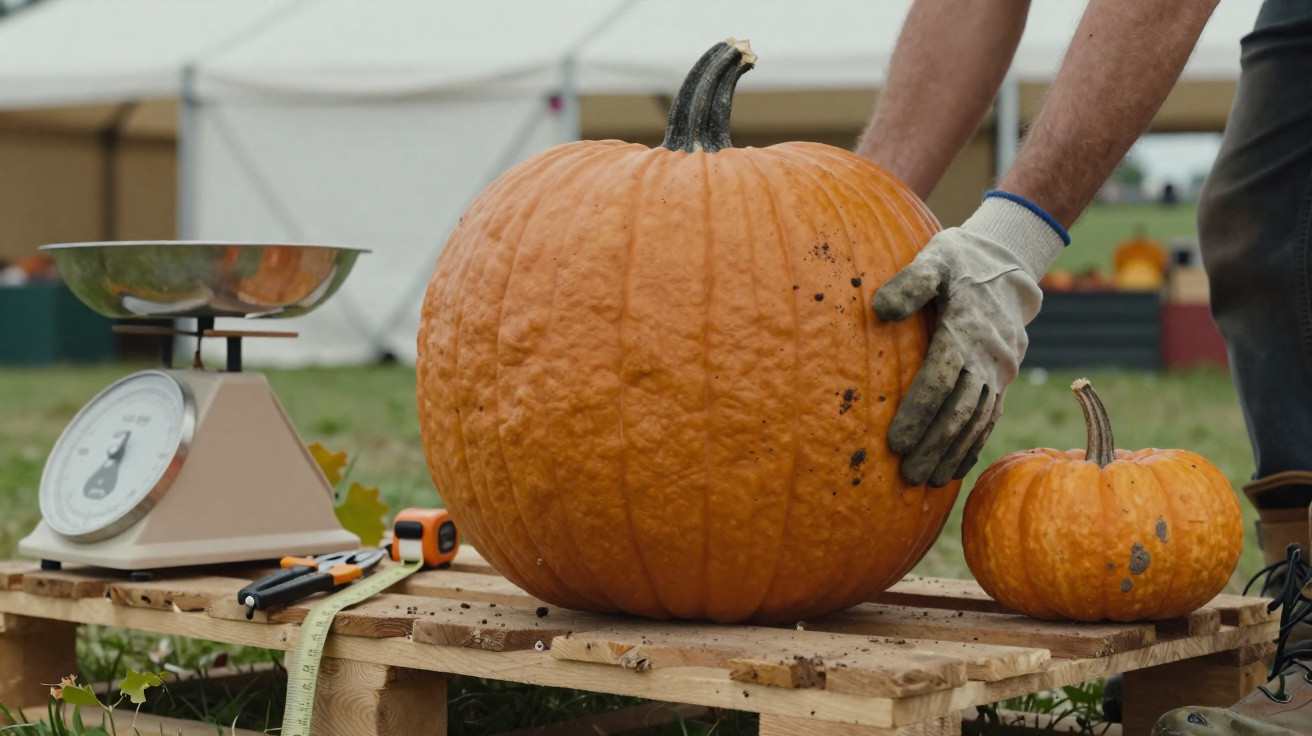
Growing a truly large pumpkin is not about finding a miracle feed or watering it every day. The reliable trick is much less dramatic: start with the right seed, give one plant plenty of room, and prevent the swings in water, temperature and damage that slow it down.
The headline’s reported prize and measurements are best treated as an illustration rather than a growing guide: show rules, categories and records vary between events. For a UK gardener hoping for an impressive Halloween pumpkin, a village-show entry or simply a better crop, the useful lessons are the same.
Big pumpkins are usually the result of a season of steady care, not one last-minute intervention.
Decide what you are trying to grow
A heavy pumpkin, a long gourd and an attractive show pumpkin are not necessarily the same thing. Before buying seed, check the class schedule for the event you have in mind.
Local horticultural societies, allotment groups and agricultural shows often publish schedules months in advance. Look for details on:
- permitted varieties or species;
- whether the class is judged by weight, circumference, length or appearance;
- entry dates and staging times;
- whether fruit must be grown by the exhibitor;
- the organiser’s rules for weighing and measuring.
A fruit bred to grow long may not be suitable for a heavyweight class. Likewise, an edible pumpkin selected for flavour may be excellent in the kitchen but unlikely to produce exhibition weight.
For a large, heavy fruit, choose seed from a reputable UK supplier that is described as suitable for giant or exhibition growing. Follow its spacing and maturity guidance: those instructions matter more than a generic online tip.
Prepare the site before sowing
Pumpkins need warmth, sunlight and a generous root run. Pick the sunniest sheltered part of the garden or allotment, ideally with at least six hours of direct summer sun.
Work well-rotted compost or manure into the soil in autumn, or several weeks before planting. This improves both moisture retention and drainage. Fresh manure placed close to young plants can damage roots, so allow it to break down first.
Heavy clay can benefit from a low mound or raised planting area, which warms more quickly in spring and prevents waterlogging. Sandy soil needs plenty of organic matter to stop it drying out too fast during a hot spell.
1. Use a realistic UK timetable
Exact dates vary with local weather, but this is a sensible starting point for much of the UK:
- March to April: choose seed, prepare the bed and gather protection such as fleece or cloches.
- Late April to May: sow under cover in individual pots, if frost remains likely outdoors.
- Late May to June: harden plants off and plant outside once frost risk has passed and the soil has warmed.
- June to August: guide vines, water consistently and monitor developing fruit.
- September to October: protect ripe fruit from cold, wet conditions and prepare for any show.
In northern or exposed gardens, plants may need a later start. A cold, wet spring is a reason to wait, not to rush planting.
Feed for steady growth, not giant leaves
A large pumpkin plant needs fertile ground, but overfeeding can create a mass of soft leaves and stems without improving the fruit. Start with good soil, then use a balanced fertiliser only as directed on the packet.
Once fruit has formed, avoid repeatedly adding high-nitrogen feed in the hope of forcing growth. Keep the plant healthy, watch the leaves for signs of stress and maintain even moisture instead.
If your soil is poor or you regularly struggle with disappointing crops, a soil test can be useful. Garden centres and laboratories can advise on the sample required and help identify obvious nutrient or pH problems.
The aim is consistent growth through the season, not the fastest possible growth for a fortnight.
Do not assume every yellow leaf means the plant needs fertiliser. Older leaves naturally fade, while yellowing can also be caused by cold nights, drought, waterlogged roots or disease.
Give the plant enough space and water
Pumpkins quickly become sprawling plants. Allow the spacing recommended on the seed packet; 2 to 3 metres between plants may suit some large varieties, while true giant types can need considerably more room.
Crowded growth reduces airflow and makes it harder to spot problems. It can also encourage mildew during humid weather, which is common in many British summers.
Water the soil at the base of the plant rather than soaking foliage. A deep watering when the soil needs it is generally better than frequent shallow sprinkling, but adjust for your soil, rainfall and temperature. Check a few centimetres below the surface: if it is dry there, the plant may need water.
Mulch around, but not directly against, the stem with compost, leaf mould or clean straw. This reduces evaporation and stops soil splashing onto leaves.
2. Select and protect the best fruit
Bees normally pollinate pumpkin flowers. If pollinator activity seems low, you can hand-pollinate in the morning by transferring pollen from a freshly opened male flower to a female flower. The female flower has a small swelling behind it, which becomes the fruit.
If maximum size is your goal, many growers keep one or a small number of promising fruits on each plant. Choose one that is well positioned and has:
- a healthy vine and plenty of undamaged leaves;
- no cuts, soft patches or signs of rot;
- room to expand away from paths, fences and other fruit;
- a stem that is not being pulled or twisted.
Place a clean board, tile or thick layer of straw beneath the developing pumpkin to keep it off cold, wet ground. Check regularly as it enlarges. Do not try to turn or reposition a heavy fruit: the stem and vine can split without warning.
If you are growing a long fruit
Long-fruit classes may involve a different type of cucurbit from the round pumpkins sold for carving. Read the schedule and seed description carefully before deciding on a vertical growing method.
A frame can help keep long fruit clean and straight, but it must be strong enough for the eventual weight. A light pea netting frame is not designed to support a large fruit.
Use a wide, breathable sling to support developing fruit, securing the sling to the frame rather than tying it tightly around the vine. Inspect the structure after high winds and heavy rain, particularly on exposed allotments.
Take care when building supports. Wear gloves when cutting wire or timber, keep tools away from children, and do not use a frame that is unstable or leaning.
Common mistakes that limit pumpkin size
The errors that matter most are usually simple ones repeated over a season:
- Planting out into cold soil: growth can stall and plants become vulnerable to damage.
- Choosing unsuitable seed: a compact culinary variety is unlikely to become a giant.
- Giving plants too little room: vines compete for light, water and airflow.
- Watering erratically: drought followed by a drenching can stress fruit and may contribute to splitting.
- Overfeeding: excessive nitrogen often produces impressive foliage rather than better fruit.
- Leaving fruit on bare ground: wet soil increases the risk of rot and slug damage.
- Lifting by the stem: even a sound-looking stem can snap.
- Ignoring the show schedule: a fruit can fail to qualify through late entry or the wrong measurement method.
Slugs and snails are especially troublesome around young plants. Hand-picking, barriers and tidying hiding places can help. If using any pest-control product, follow the label exactly and choose options that reduce risks to pets, wildlife and beneficial insects.
Harvest and move a large pumpkin safely
Harvest before a hard frost. A mature fruit should have a firm skin and good colour for its variety; the stem often becomes tougher and begins to dry. Cut it with clean secateurs or a sharp knife, leaving a generous length of stem.
Never lift a large pumpkin by its stem. Use a sack truck, a sturdy board, lifting straps or several people, depending on its size. Keep fingers clear when lowering it and wear suitable gloves and sturdy footwear.
Store harvested fruit somewhere dry, sheltered and frost-free. Avoid washing it aggressively or scraping the skin, as damaged areas can rot more quickly.
If you are entering a show, arrive in good time and let the official steward conduct the final weighing or measuring. Take your own notes and photographs, but expect the organiser’s procedure to decide the result.
Build on this season’s results
A spectacular pumpkin is not guaranteed, even with excellent care: weather, pests and variety all play a part. Still, a better crop is within reach when you concentrate on the basics: suitable seed, rich but balanced soil, enough room, regular watering and gentle handling.
Keep a simple record of sowing dates, weather, feeding, pests and fruit development. Next season, those notes will be more useful than copying a dramatic trick from someone else’s garden. Start with one healthy plant, learn how it behaves in your own plot, and let each season improve the next.

Comments
No comments yet. Be the first to comment!
Leave a Comment