
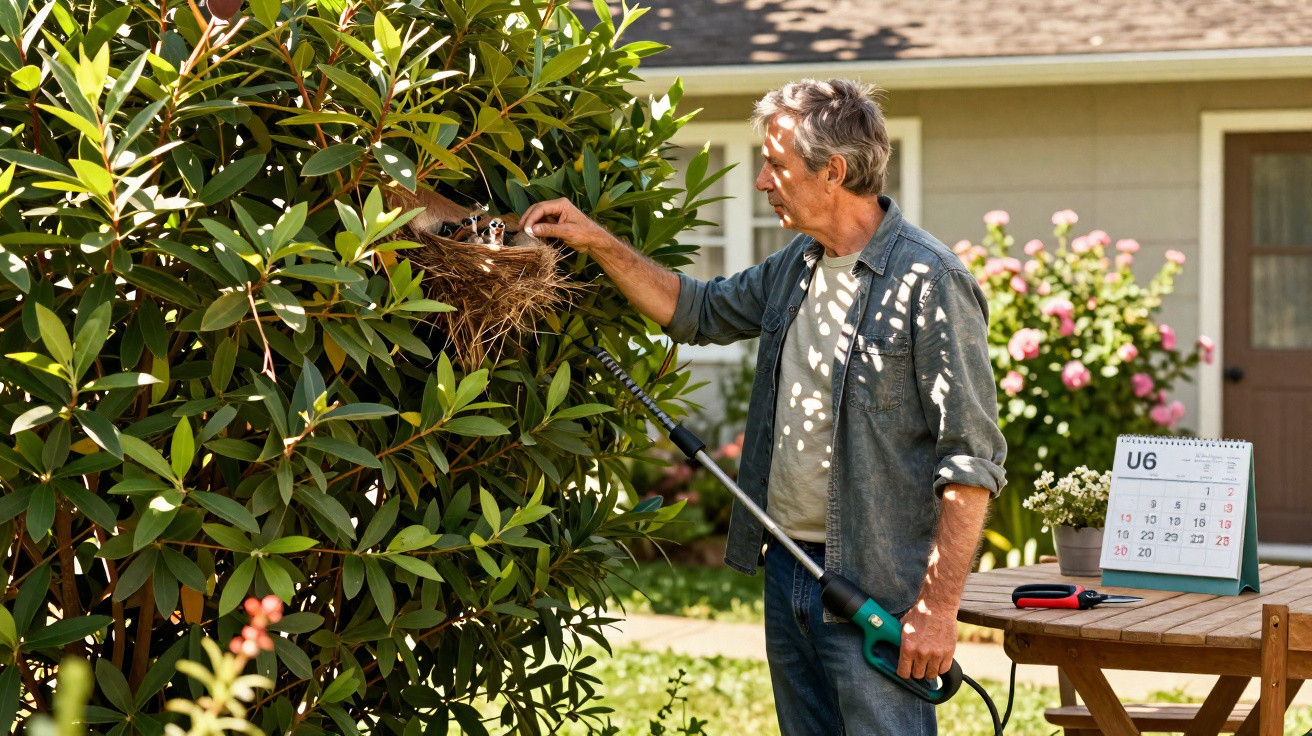
In many gardens, spring brings an itch to tidy up: clear away the wild growth and make the hedge look neat and orderly again. But this is exactly when countless bird species enter the most sensitive period of the year. France has responded with a clear rule that can hit farmers with severe penalties. And for hobby gardeners across the German-speaking region, the message is similar: cutting hedges without consideration harms wildlife - and can, in some places, breach local regulations.
Why hedge cutting becomes a no-go area right now
From March to July, hedges, shrubs and trees are anything but quiet. Blackbirds, robins, finches and many others build nests, lay eggs and raise their young. Unfortunately, that peak nesting period overlaps with the start of the gardening season - a risky clash.
"Anyone cutting hedges in spring often destroys nests and, without noticing, kills young birds."
In France, this issue has been written into a clear rule: for farmers, hedge maintenance is legally prohibited from 1 April to 31 July. The backdrop is the EU’s Common Agricultural Policy, which is designed to protect biodiversity as well as agricultural yields. Breaches can lead to large fines and may even result in imprisonment.
For private gardens in France, there is no single nationwide closed season for hedge cutting. However, environmental organisations have been pushing for years for a complete pause from mid-March. Some regions already set their own rules by local order - and anyone who starts trimming without reading the small print can quickly run into trouble.
What does that mean for garden owners in the German-speaking region?
Nature conservation law in Germany, Austria and Switzerland also protects birds during the breeding season. In many federal states, cantons, municipalities and local authorities, there are restricted cutting windows or outright bans on drastic work to hedges, trees and scrub.
- Heavy pruning or cutting a hedge right back (hard renovation pruning) is often only permitted in autumn and winter.
- During the breeding season, only gentle maintenance cuts may be allowed - and only if nests are not affected.
- Anyone who knowingly destroys occupied nests may face fines.
If you want to be cautious, check the rules set by your own local authority and follow a simple rule of thumb: from March until the end of July, keep the hedge trimmers in the shed wherever possible.
The best times for cutting hedges
Gardening with consideration for birds and the climate does not mean accepting an overgrown hedge. It simply comes down to timing.
Cutting a hedge at the end of winter
A first suitable window is late winter, before plants fully break into growth. The shrubs’ dormant period is ending, and a stronger cut can encourage fresh growth. At the same time, the risk of disturbing nests is still relatively low - provided an unusually early breeder has not already moved in.
Maintenance trimming at the end of summer
A second sensible point is after the main breeding period, towards the end of summer. Many shrubs have finished flowering, and some are already carrying berries. A light shaping and maintenance trim keeps the hedge tidy without disrupting the next season.
"Two moderate cutting dates are ideal: once at the end of winter, and once after the breeding season at the end of summer."
With flowering shrubs in particular, timing determines how good next year’s display will be: anyone pruning lilac or forsythia at the wrong moment sacrifices the next bloom. As a rough guide, cut flowering shrubs back immediately after flowering - not months later.
Why hedges are so vital for birds
A densely grown hedge does several jobs at once: it provides privacy, shelters against wind - and, above all, creates habitat.
The breeding season as a stress period for nature
Between March and July, many species are effectively racing the clock. Birds collect twigs, moss and stems, line their nests, lay eggs and must raise chicks within just a few weeks. Any disturbance can upset the whole process.
| Period | What happens in the hedge |
|---|---|
| March–April | Nest building, pairing, first clutches |
| April–June | Incubation, feeding, first young birds leave the nests |
| June–July | Second broods, shelter for fledglings |
A hard cut at this time does not just ruin individual nests. It strips birds of cover from cats, martens and birds of prey, reduces the food available, and destabilises the garden’s entire small ecosystem.
Simple measures with a big impact
Garden owners can make a real difference without major work. For example:
- Before any cut, gently check through the hedge by hand and look for nests.
- Leave sections with obvious nests completely untouched - even if the hedge looks a bit patchy afterwards.
- Deliberately keep at least one part of the garden “wild”, with dense shrubs and leaf piles.
- Offer feeding stations in winter, then remove them in spring so birds return to finding food independently.
"The more structure and ‘messiness’ a garden has, the more valuable it becomes as a refuge for animals."
Which shrubs particularly support bird diversity
Not every hedge offers the same benefits for wildlife. Solid walls of thuja or cherry laurel may look tidy, but they provide little food and few suitable nesting spots. Native species generally perform far better.
Shrubs with flowers, fruit and protective cover
Especially bird-friendly are mixes of dense, thorny and fruit-bearing woody plants. Typical examples include:
- Rowan (mountain ash): flowers for insects, bright berries as bird food.
- Black elder: popular with birds and people, and provides dense shelter.
- Viburnum species: decorative blooms and good hiding places within the branches.
- Hawthorn: thick, thorny growth - ideal as a protective hedge.
- Holly and firethorn: evergreen screening with fruit and safer nesting sites.
Anyone replacing an old, monotonous hedge step by step with these species can significantly increase biodiversity in the garden. At the same time, you create a varied, living screen that adds colour throughout the year.
Law, risk and responsibility - what hobby gardeners should consider
Most garden owners act with no bad intentions, but they underestimate the consequences of cutting too early or too hard. The legal position depends on nature conservation rules and local by-laws, which can specify details such as cutting bans, protection of nesting sites and fine levels.
If you want clarity, it is best to ask your local authority or environmental office about current time limits and any exceptions. A quick phone call or a look at local regulations can prevent unnecessary hassle - and spare nesting birds serious harm.
It can also help to look at your own garden differently: a hedge that is slightly untidy and not trimmed to the millimetre is not a flaw, but a sign of consideration. Many neighbours increasingly see it the same way - being nature-friendly is more and more positively viewed.
If you have the time and interest, you can enhance your plot further: a small pile of dead wood, a few native wild perennials, an insect hotel, a wildlife-friendly pond - all of these connect with the hedge to form a stable mini-ecosystem. The more diverse these structures are, the better the garden copes with heatwaves, pests and extreme weather. And all of it without reaching for harsh chemicals.


Comments
No comments yet. Be the first to comment!
Leave a Comment