
Anyone who has picked raspberries straight from the cane on a warm summer day rarely wants to go back. Yet plenty of home gardeners are left wondering why their raspberry bush produces only a handful of disappointing berries. When a plant crops heavily, it is usually not down to luck at all, but to sensible handling of soil, nutrients and moisture - and that is exactly where the so‑called cup method comes in.
What the mysterious “cup method” is really about
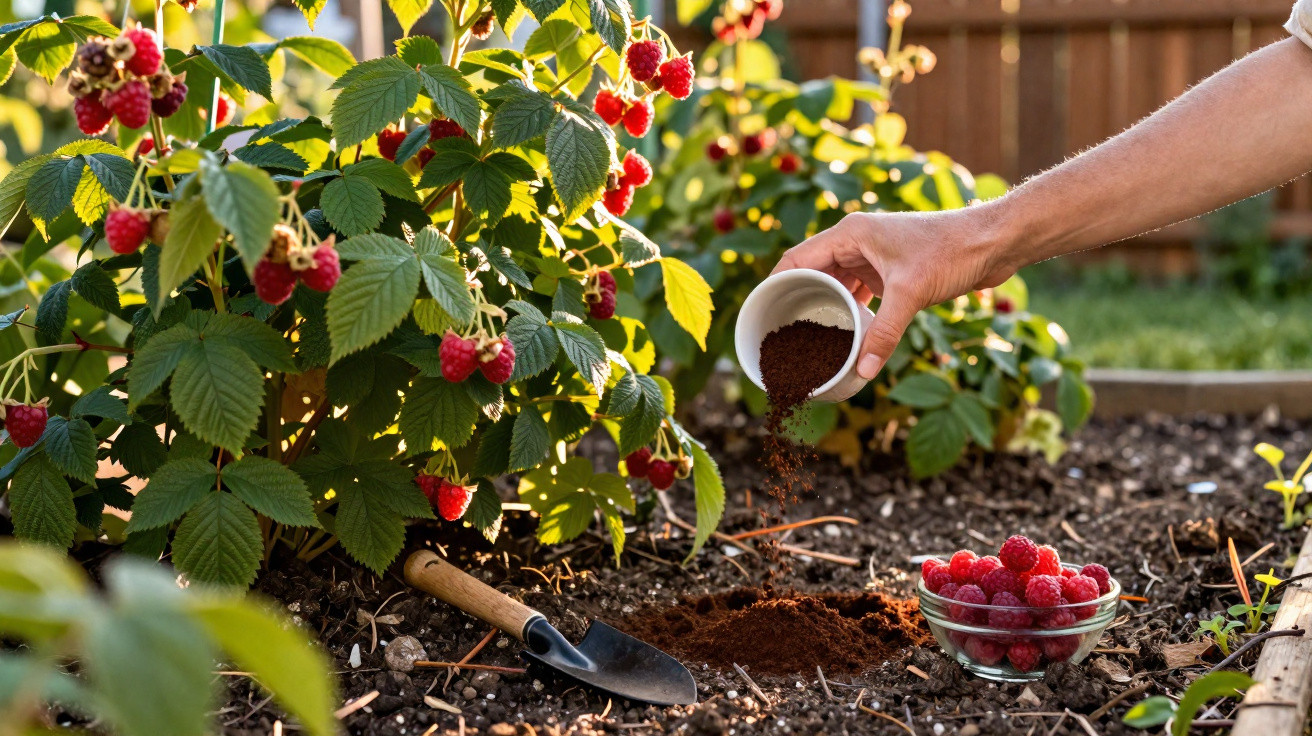
The name sounds like an online craze, but the approach comes from straightforward, practical gardening. The basic idea is to use a cup to create a small, clearly defined area around the raspberry bush, and to place a specific “turbo fertiliser” there - something that many people would otherwise throw away.
“The cup method concentrates nutrients right at the roots and uses coffee grounds as a natural fertiliser and soil improver.”
Rather than buying pricey specialist products, it uses a leftover many households generate every day: dried coffee grounds. Paired with an ordinary cup, you form a kind of mini fertiliser ring that can give the plant a strong growth push in spring.
Why raspberries reward good care so generously
Raspberries are among the most popular berry canes for the garden. They grow relatively quickly, but they are also sensitive to the wrong position and to soil that is short on nutrients.
For a vigorous plant with lots of fruiting canes, your raspberry bush needs:
- slightly acidic soil with a good proportion of humus
- loose, well-aerated earth with no waterlogging
- regular watering, but not excessive irrigation
- enough nutrients, especially in spring
This is where coffee grounds can really help. They do not only feed the plant; they also improve soil structure right where the roots are.
How to do the cup method step by step
1. Prepare the coffee grounds properly
Fresh, damp coffee grounds can go mouldy quickly. That is bad for both the soil and the plant, so they must be dried first.
- After brewing, spread the coffee grounds out on a plate or baking tray.
- Leave them to air-dry for one to two days, stirring now and then.
- Only use them once they are genuinely crumbly and no longer moist.
“Dried coffee grounds provide nitrogen, potassium and trace elements - a free nutrient cocktail for raspberries.”
2. Use a cup to form the “fertiliser ring”
This is the point where the cup comes into play. It acts as a simple template so the nutrients end up exactly where they are most effective: in the active root zone.
- Take an ordinary drinking cup or mug.
- Place it upside down on the soil about 10–15 centimetres away from the base of the raspberry bush.
- Mark a shallow ring in the soil around the cup (for example with a small hand cultivator or your hand).
- Remove the cup again - you will be left with a clearly defined ring.
- Sprinkle a thin layer of dried coffee grounds into this ring.
- Lightly mix it into the soil or cover it with a little mulch.
This keeps the coffee grounds precisely where the fine roots can take them up well, without “burning” the stem by putting nutrients right against it. You also avoid accidental overfeeding, because the cup size naturally limits the amount used.
3. The right time of year
The cup method works best in spring, when the plants are waking up from winter dormancy.
| Period | Action |
|---|---|
| Spring (March–April) | Make the cup ring and work in the coffee grounds |
| Spring to early summer | If needed, apply a second small amount |
| Autumn | Use only sparingly; focus more on adding compost |
Important: do not scatter coffee grounds every day. A moderate amount in spring is usually enough to give the bush a noticeable boost.
Why coffee grounds work so well for raspberries
Coffee grounds are more than just dark powder. They contain nutrients that suit fruiting shrubs and canes particularly well.
- Nitrogen supports strong, dense foliage and vigorous growth.
- Potassium improves resilience and helps with fruit development.
- Trace elements assist many metabolic processes within the plant.
There is also an effect on the soil itself: it becomes looser, holds moisture better and is less likely to form a hard crust. That is especially helpful for raspberries, which have relatively shallow roots.
“With coffee grounds, the soil around the bush becomes a moist, nutrient-rich ‘belt’ where new roots form particularly intensely.”
Many gardeners report that, after one or two seasons using this method, their bushes produce more new canes and noticeably more fruit.
Additional effects: pest deterrence and improved moisture
In the garden, coffee grounds can do more than feed plants - they can also make conditions less appealing for unwanted visitors. Their smell and texture are unattractive to some types of slugs and certain insects.
If you prefer not to work the coffee grounds directly into the soil, you can blend them with mulch. A thin layer around the bush:
- reduces evaporation so the soil dries out more slowly
- partly suppresses weed growth
- keeps the surface loose and crumbly
In drier spells, that can be a real advantage: the raspberry plant gets enough water without constant watering.
Common mistakes with the cup method and how to avoid them
Using too much coffee grounds at once
A frequent mistake is tipping bucketfuls of coffee grounds right by the bush. This can lead to an imbalanced nutrient profile. The cup is designed to limit the quantity on purpose.
Using damp coffee grounds without drying
Moist leftovers can quickly develop mould. This can cause issues, especially in heavier soils. Dry the grounds slowly and only apply them once they are clearly crumbly.
Putting the ring too close to the base
If the ring sits too near the base, the nutrients concentrate in a very small area and the surface can seal over. The small offset created by the cup’s radius gives a buffer and encourages lateral root growth.
What else contributes to a plentiful raspberry harvest
The cup method is more effective when the other basics are right. Alongside nutrients, a healthy raspberry bush also needs air and light.
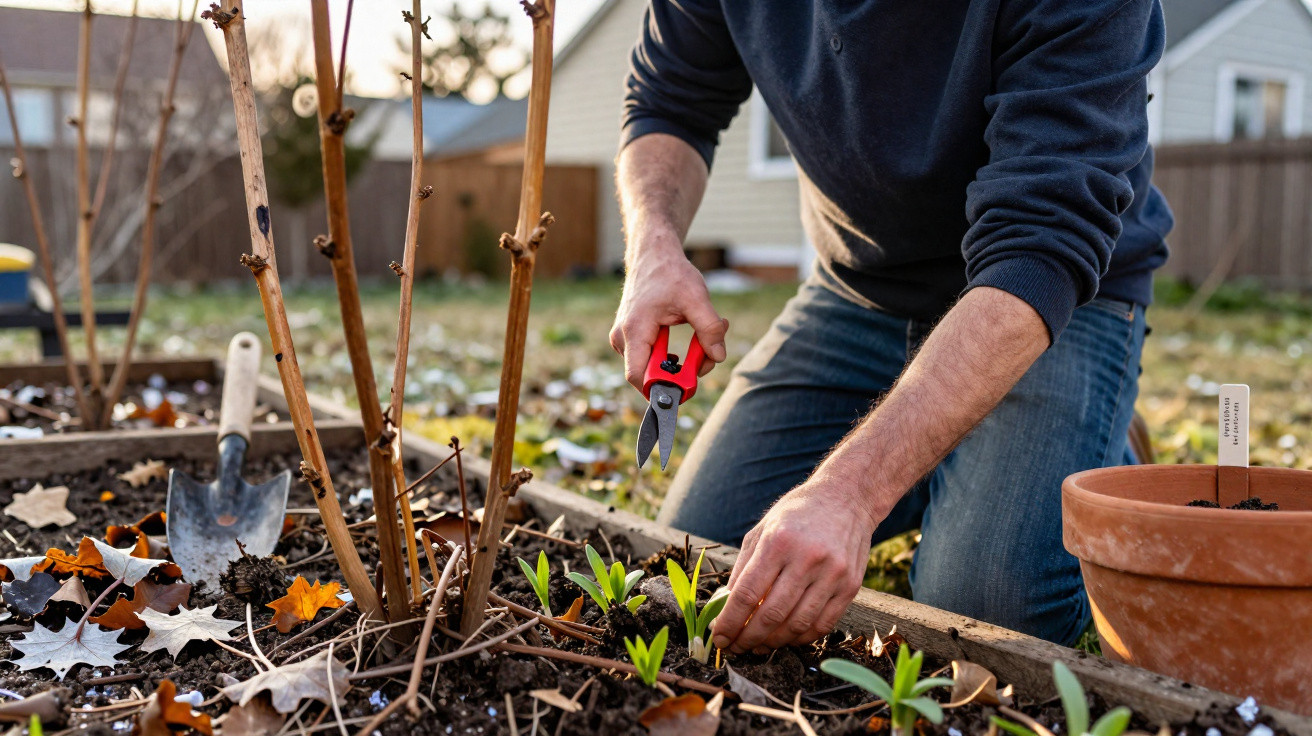
- Regularly cut out old, dead canes so the plant can focus its energy on young growth.
- If growth is very dense, thin out some canes so sun and air reach all parts.
- In autumn, add a little well-rotted compost to raise the humus level over the long term.
If you put this foundation in place, it becomes clear that the coffee-grounds trick is not magic - it is simply the final piece in a coherent care routine.
Other ways to use coffee grounds in the garden
Many home gardeners do not reserve coffee grounds only for raspberries. In small quantities, they can also suit other berry bushes such as blueberries or blackcurrants, as long as the soil is not already very acidic.
Another useful option is to add some of the coffee grounds straight to the compost heap. There, they encourage microbial activity, combine with other kitchen and garden waste, and later return to the bed as balanced compost. That creates a small nutrient cycle - with a measurable effect on yield and plant sturdiness.
So if you enjoy a morning cup of coffee, it is worth thinking twice before throwing the leftovers away. With the cup method, one simple action in spring can give your raspberry bush exactly the nutrient boost it needs for a much more abundant crop.



Comments
No comments yet. Be the first to comment!
Leave a Comment