
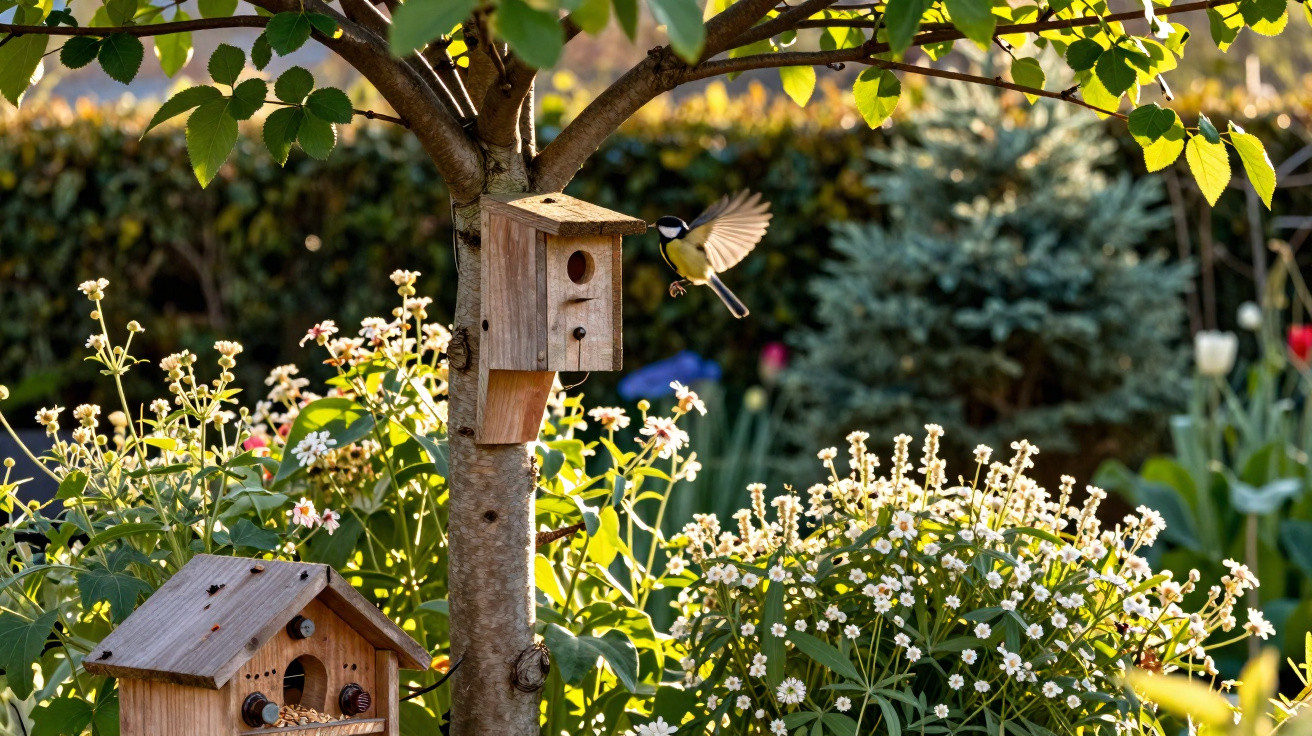
A little effort right now can turn an ordinary garden into a genuine paradise for tits. An expert from a major bird conservation organisation explains what tits actually need, the mistakes many hobby gardeners make, and which simple step can attract birds almost effortlessly - without pricey decorative nest boxes from a DIY store.
Why tits look for new homes in spring
As soon as the days begin to lengthen, tits switch into family mode. They start hunting for safe nesting sites, plenty of food and protection from cats, magpies or martens. In heavily built-up neighbourhoods, those conditions are often hard to find - but gardens can bridge the gap if they’re designed with birds in mind.
The bird expert sums it up clearly: tits don’t just need a nice-looking nest box, but a complete “package” of shelter, food and safe flight routes.
"If you want to attract tits, you need to think about nesting sites, food sources, cover and short escape routes - all together."
A nest box helps, but it’s far from everything
Every spring, many garden owners buy a new nest box, hang it in a tree and then wonder why nothing moves in. The reason is straightforward: a box on its own is rarely enough.
What an attractive nest box for tits looks like
Bird conservation guidance gives clear recommendations you can use as a checklist:
- Entrance hole size: about 32–34 mm for great tits, and 26–28 mm for blue tits.
- Material: untreated wood or woodcrete; the inside should be slightly rough so birds can grip.
- Height: ideally 2 to 3 metres above the ground, out of reach of cats.
- Direction: if possible, face it east or south-east, away from the worst weather.
- Peace and quiet: avoid placing it directly above a patio or barbecue area.
Also important: don’t hang the box where it will bake in strong midday sun, and don’t let it wobble or swing in a draught. A stable position with light shade - on a tree or fixed to a wall - is often ideal.
Natural nesting sites are even better for tits
The expert stresses that natural cavities are still the first choice. Older trees with holes, cracks in masonry, gaps under eaves - these are prime addresses for cavity nesters such as great tits, blue tits, house sparrows, swifts, barn swallows or black redstarts.
"If you keep gaps, small cavities and old trees in the garden, you create the most valuable nesting sites - with no need for the DIY store."
That’s why homeowners and gardeners shouldn’t seal every small opening straight away or fell every old trunk as a matter of routine, as long as there’s no immediate danger. Often, it’s enough to secure holes only outside the breeding season - or to provide suitable alternative nest boxes.
Without insects, nothing works: tits need living gardens
Tits raise their young mainly on insects, spiders and larvae. A sterile garden of gravel, tightly mown lawn and exotic ornamentals offers almost none of that.
Which plants really attract insects - and therefore tits
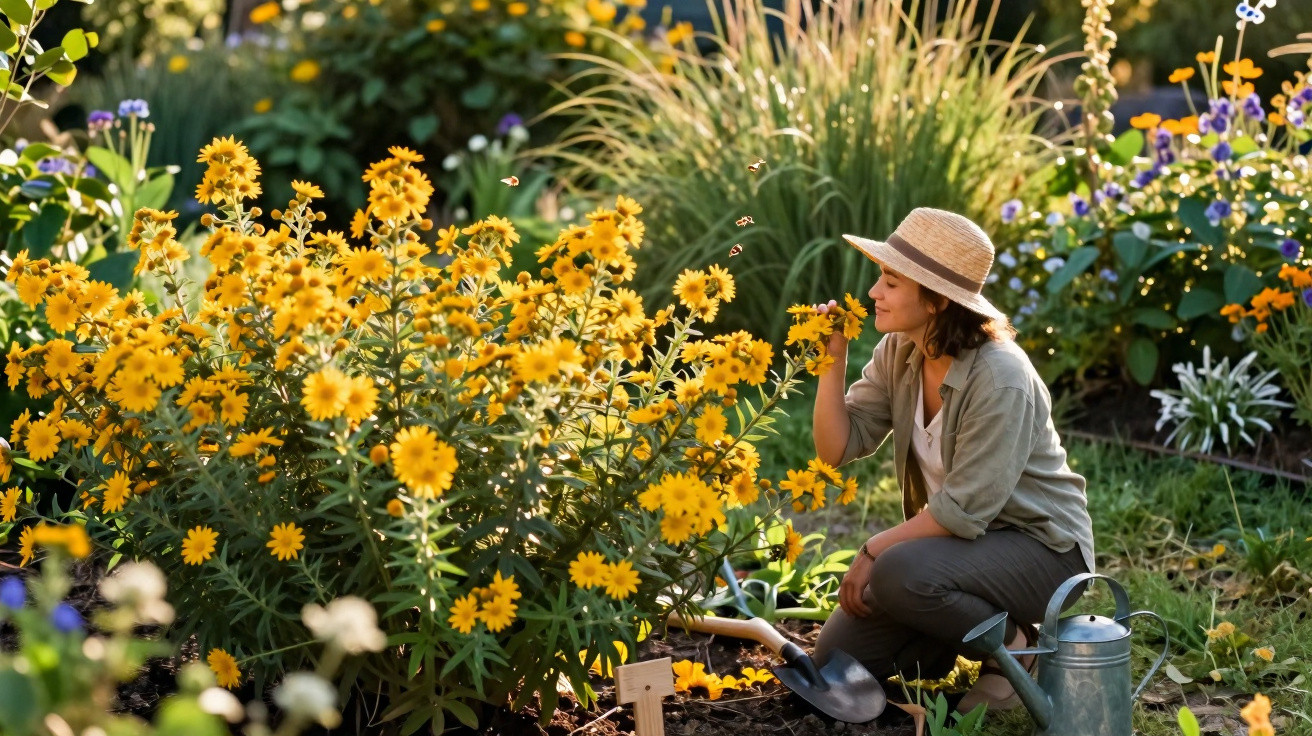
The conservation association specifically recommends native plants, because local insects and birds are adapted to them. Key points include:
- Not sterile: many heavily bred ornamentals produce little nectar or viable seed.
- Native species: shrubs and perennials that occur naturally in Central Europe.
- Long flowering period: ideally from early spring right through to autumn.
Typical examples of insect-friendly, native plants:
| Plant | Benefit |
|---|---|
| Blackthorn, hawthorn | Early blossom for insects, later berries as bird food |
| Dog rose | Flowers for pollinators, rose hips in autumn |
| Elder | Blossom, fruit and dense branches as cover |
| Privet, dogwood | Thick hedge, berries and good visual screening |
| Wild herbs (stinging nettle, wild carrot) | Habitat for caterpillars and small creatures, vital for young birds |
"Without caterpillars and beetles there are no strong tit chicks. Pesticide-free, flowering gardens are like a laid table."
Dense, mixed hedges are worth their weight in gold for tits
A pure lawn with a single apple tree may look neat to people, but for tits it’s risky. They rely on structure, cover and short hops from one hiding place to the next.
The expert clearly recommends dense, mixed hedges rather than sterile clipped hedges or bare garage walls. These structures provide:
- safe landing spots at different heights
- hiding places from cats and birds of prey
- places to roost and sometimes to nest
- a long food supply through flowers, insects and berries
Berry-bearing shrubs are especially valuable: they don’t just supply energy, but also moisture when there are no open water sources. In hot weather, birds often sit in the shade of these bushes and pick off a few fruits as they go.
Evergreen refuges: protection in every kind of weather
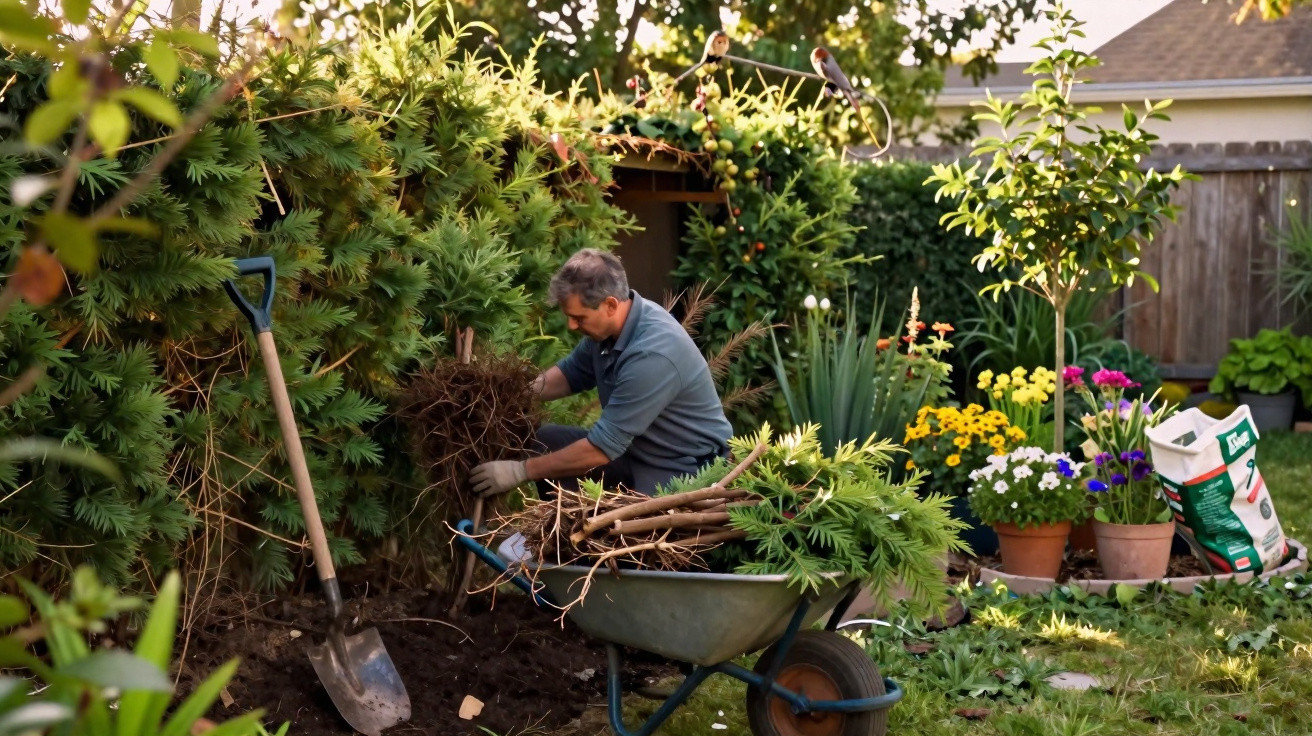
Alongside deciduous hedges, it helps to include a portion of “winter green” in the garden. Evergreens and dense-leaved shrubs such as yew (harmless for birds but poisonous to people), holly or some native conifers offer tits shelter during gales, heavy rain and cold snaps.
"Dense, evergreen bushes work like a natural umbrella against weather and predators - in summer as well as in winter."
These plants should not be cleared right down to bare soil. Leaf litter, small piles of twigs and a bit of “mess” underneath create extra habitat for insects and other small creatures that tits depend on.
What’s best avoided in a tit-friendly garden
Many well-intended actions actually put tits off. A quick look at common pitfalls helps:
- Removing all leaf litter: leaves are full of insects and larvae - perfect food for tits.
- Gravel gardens: little life, extremely hot in summer, and no food.
- Constant heavy cutting: hard pruning hedges several times a year destroys nesting sites.
- Poisons and weedkillers: they wipe out insects and contaminate the food chain.
- Shiny decorations near nests: reflective surfaces can confuse and scare birds away.
Feeding stations also need thought: in spring and summer the priority is clearly insects. A few seeds can be a nice extra, but for raising chicks the crucial resource is living invertebrates from the garden itself.
How an ordinary garden becomes a tit paradise, step by step
No one has to overhaul their garden in a single weekend. Small adjustments can make a big difference - especially when they’re planned for the long term. Simple steps include:
- Leave at least one corner to grow wild: longer grass, wild perennials, and leaf litter left in place.
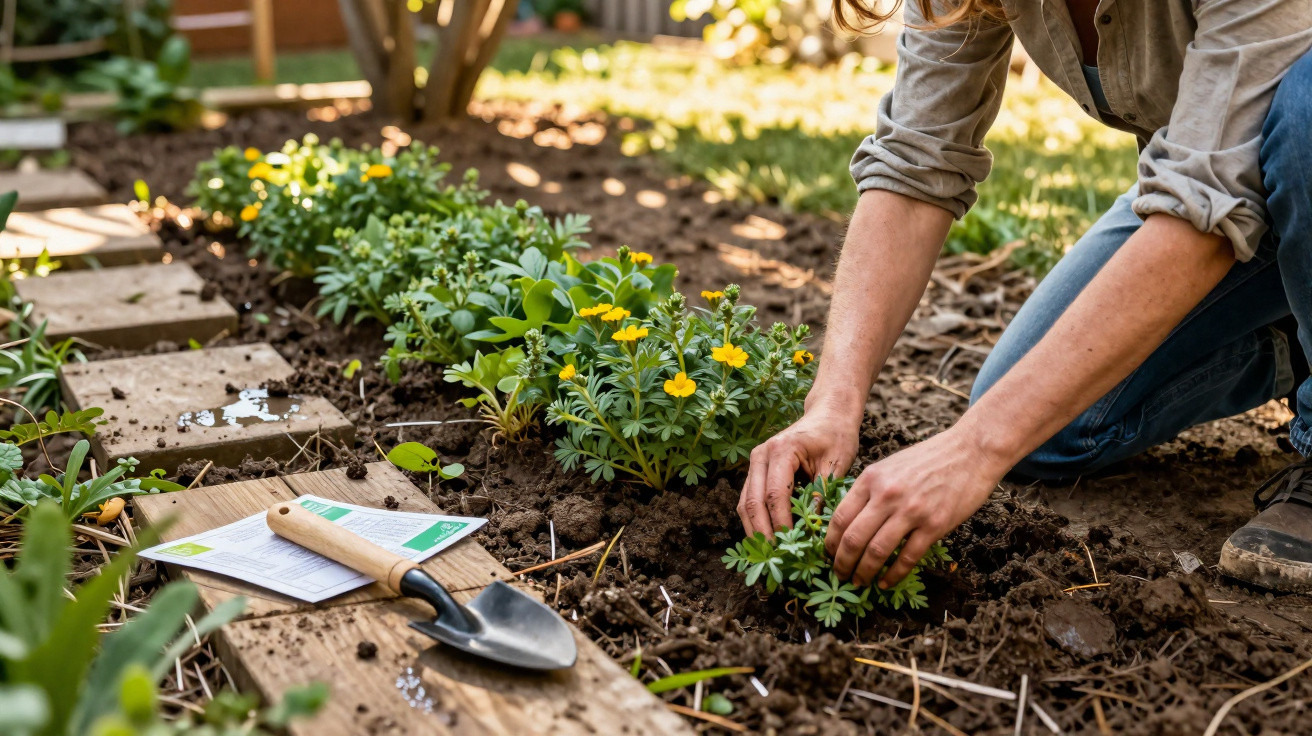
- Plant a mixed hedge of native shrubs instead of sterile screening panels.
- Put up one or two suitable nest boxes in good, quiet spots.
- Avoid chemical treatments and rely more on hand weeding or mulching.
- Set out a shallow dish of water with a few stones - for drinking and bathing.
If you’re unsure, local conservation groups can help. Many offer garden advice, along with lists of recommended plants and plans for building nesting aids.
Why locally adapted plants matter so much
The advice to use “local plants” can sound like a minor detail, but it has a major impact. Many tit species readily recognise as food the seeds, fruits and insects that have been present in their area for generations. Exotic ornamental shrubs may look attractive, but for native birds and insects they’re often close to useless.
Native flowering plants draw in exactly the invertebrates that tits need for their chicks: aphids, small caterpillars, spiders and beetle larvae. The more varied the menu, the more stable the small garden ecosystem becomes. That means tit families are less likely to struggle during cool spells or very dry periods.
More variety in the garden means more life at the feeding spot
The real strength of this “tit strategy” is what it does for the whole garden. When you encourage structure, cavities and natural planting, you’re helping not only tits but also robins, blackbirds, sparrows, butterflies, wild bees and hedgehogs.
Over time, an ordinary terraced-house garden can turn into a lively habitat. The reward: birdsong outside the window in the morning, fascinating views at the nest box, and the sense that you’re genuinely helping birdlife - rather than just hanging up decorative gimmicks.

Comments
No comments yet. Be the first to comment!
Leave a Comment