

They are starting to crumble - and with them, a garden ideal from another era.
Many owners are left staring in disbelief at brown holes in otherwise deep-green screens. Drought, pests and changing rules are all taking their toll on thuja. The signs are stacking up: the age of the identical, evergreen hedge is ending faster than most expect.
Thuja hedges: an 80s relic turns into a problem
Thuja, often sold as “arborvitae” in garden centres, shot up quickly and blocked prying eyes. That convenience is exactly why it became a default choice. Now the picture is shifting. As a shallow-rooted plant, it struggles to find moisture in parched ground. Its fine roots also compact the topsoil, which then dries out even more rapidly. Gardeners report powder-dry conditions beneath old rows, even after thorough watering.
“Studien aus Frankreich beziffern den Mehrverbrauch: Thuja-Hecken benötigen bis zu 60 Prozent mehr Wasser als artenreiche Hecken aus heimischen Gehölzen.”
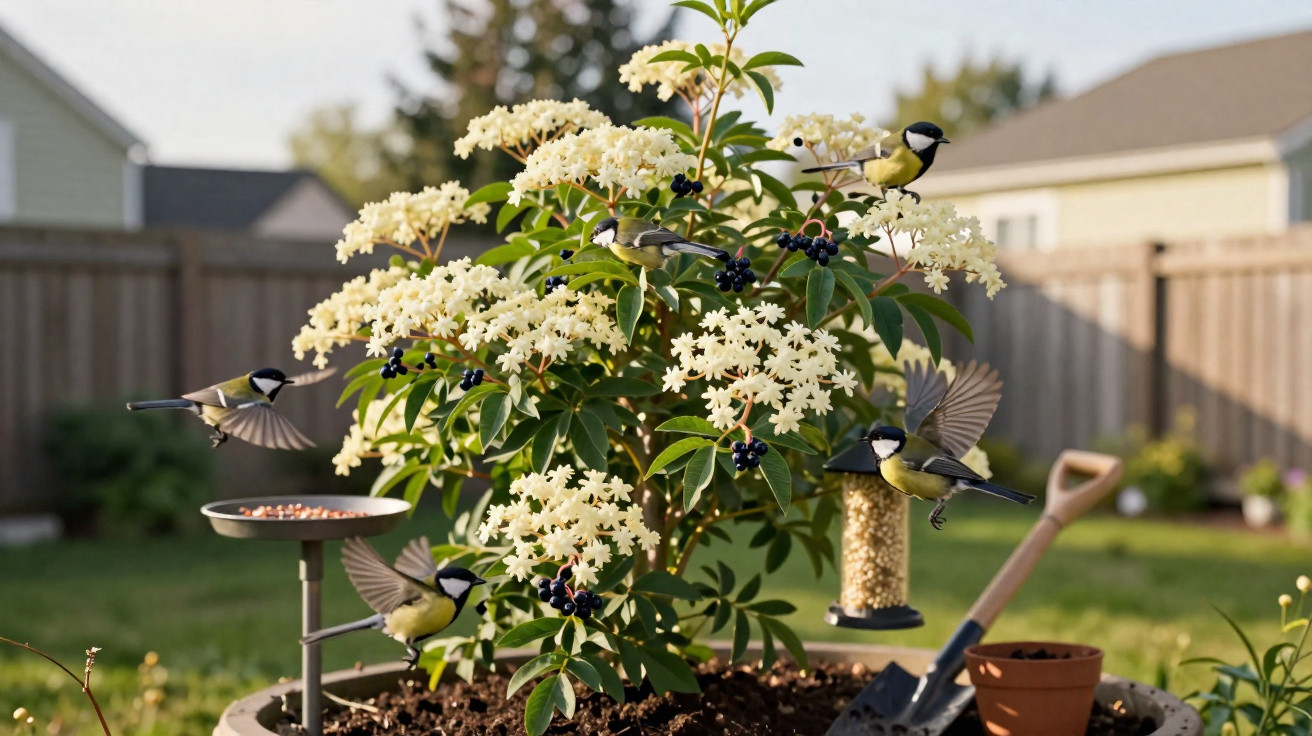
Its uniform structure offers insects and birds little to feed on. Nesting spots are scarce, and flowers are too. That sends the hedge down the rankings in any ecological check. In France, some councils restrict thuja in local development plans. A few even support removal and replanting with mixed hedges. In Germany, municipalities are increasingly assessing the issue through the lenses of water use and biodiversity. Requirements differ widely, so it pays to check your local by-laws.
Rules are changing: why councils support removal
A dense, thirsty privacy screen pushes up watering demand in hot summers. That strains infrastructure and drives up costs. Funding schemes therefore favour living, mixed hedges: less intensive cutting, more habitat, and lower water needs. Homeowners gain more resilient gardens that cope better with extreme weather.
Stress, pest, chain reaction: when you should act
Drought stress often sets up the second hit: the thuja jewel beetle. It detects weakened plants via scent signals. The larvae tunnel beneath the bark, chew through transport tissue and choke off sap flow. The shrub then dries out from the inside. What you see are brown, brittle patches that spread from the interior towards the outer foliage.
- Brown areas within the green outer layer that continue to expand
- Shoots with brown scales that no longer put on new growth
- Fine tunnels under the bark and oval exit holes
- No fresh shoots on old wood, even after pruning
“Fachbehörden stufen stark befallene Thujen als verloren ein. Ein wirksames Mittel gegen Larven im Holz fehlt. Befallene Hecken stecken Nachbarpflanzen an.”
Leaving diseased rows in place can unintentionally create a breeding hotspot for the next beetle generation. The danger can extend to other conifers, including some cypresses. Acting early helps protect the whole street.
Removing it properly: timing, methods, disposal
Between mid March and the end of July, birds are nesting. During this period, avoid grubbing out hedges or carrying out heavy cuts. Schedule major work for late summer or autumn instead. That reduces conflict and protects wildlife.
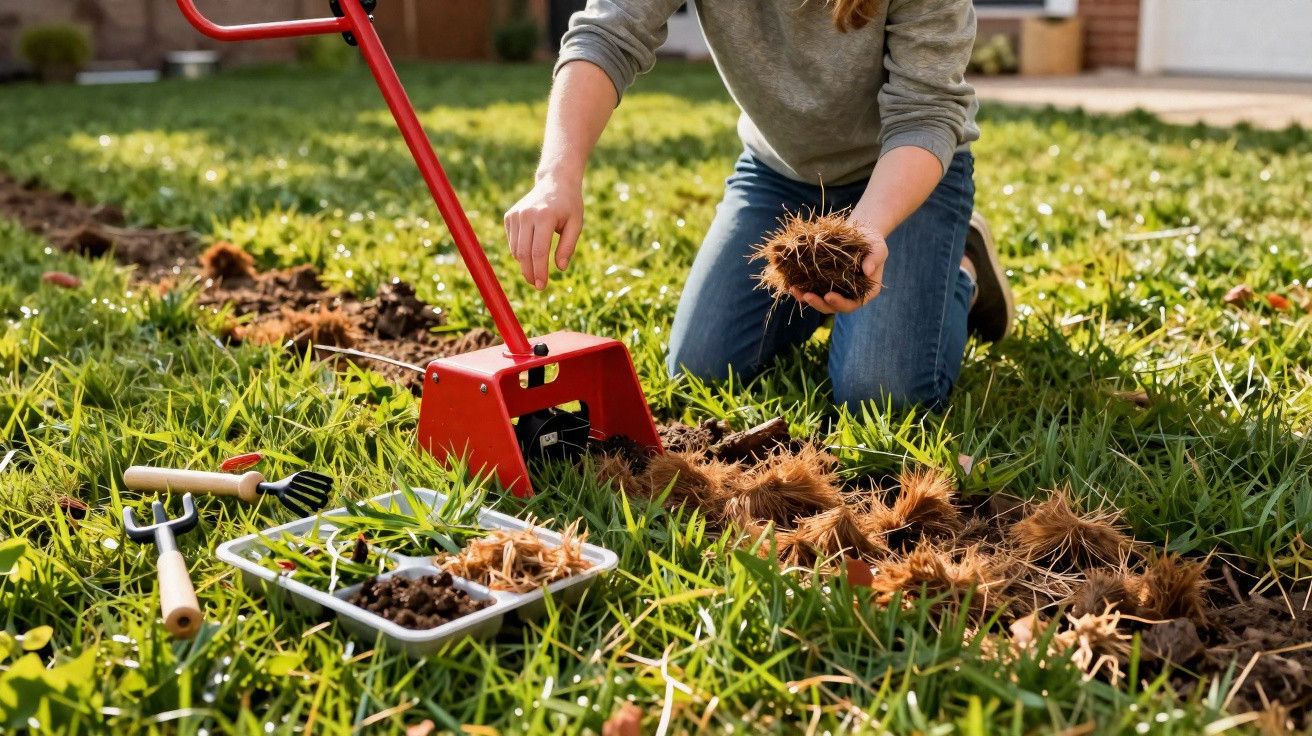
Work in a structured way. If the soil is not already moist, lightly water the day before. Start by cutting the hedge back hard. Then use a spade or root spade. Lever out the root ball together with the main roots. For long runs, a stump grinder can save considerable time.
- Put on protective gear: gloves, safety glasses, sturdy footwear
- Work section by section, fully freeing the root plate each time
- Loosen the soil 25–35 cm deep, removing thick root remnants
- Add compost: 20–30 litres per linear metre
Do not feed infested wood into a garden shredder. Take the material to a site that hot-composts or incinerates it. That is the most reliable way to break the pest cycle.
Costs vary greatly by region. For removing old hedges, contractors often charge 20–60 euro per linear metre, depending on height, access and root mass. Hiring a grinder typically costs around 100–150 euro per day. Doing the work yourself lowers the bill, but it is physically demanding and time-consuming.
Replanting: a species mix instead of a green wall
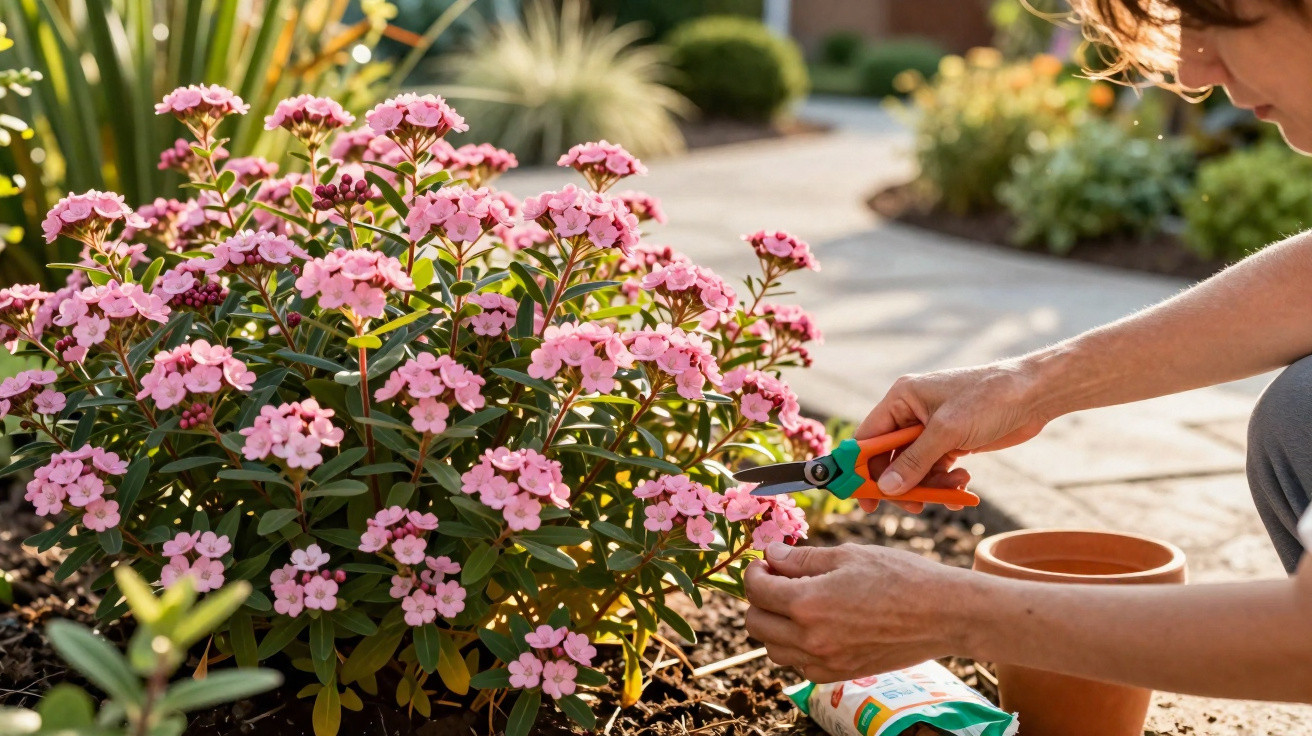
Once the hedge is out, the soil can finally recover. Give it two to four weeks. Keep the strip free of weeds. Then plant in mixed groups. That way, no single pest can wipe out the entire line. Staggered flowering times also feed insects from spring through to autumn.
“Gemischte Hecken binden mehr Feuchtigkeit im Wurzelraum. Messreihen zeigen bis zu 30 Prozent höhere Bodenfeuchte im Vergleich zu Thuja-Monokulturen während Hitzephasen.”
Suitable options, depending on region and soil:
- Hornbeam (Carpinus betulus): tolerant of pruning, stable, native
- Privet (Ligustrum vulgare/ovalifolium): semi-evergreen, bee-friendly
- Common or red dogwood (Cornus sanguinea/sericea): colourful winter stems
- Field maple (Acer campestre): drought-tolerant, robust
- Hazel (Corylus avellana): early flowering, nuts for wildlife
- Hawthorn (Crataegus monogyna): dense hedge, bird food
- Laurustinus (Viburnum tinus): evergreen in milder areas
- Photinia x fraseri: red new growth, wind-tough in sheltered sites
- Miscanthus and other grasses: fast screening, with added rustle
| Feature | Thuja hedge | Mixed hedge |
|---|---|---|
| Water demand in summer | high | low to medium |
| Root system | shallow, strongly competitive | layered, loosens the soil |
| Biodiversity | poor | rich in food and nesting sites |
| Risk of total failure | high with pest infestation | low thanks to species diversity |
| Care | frequent cutting, little flowering | 2–3 cuts/year, flowers and berries |
Planting tips for long-lasting privacy screening
Plant in a staggered pattern across two rows. Keep 80–120 centimetres between plants, depending on the species. Combine 5–7 species across 10 metres. Apply a 5–7 centimetre mulch layer of woodchip. Water regularly in the first year, then only during extended dry spells. Drip hoses save water and deliver it precisely into the root zone.
Law, neighbours, planning: what to clarify in advance
Boundary distances are governed by the neighbour law of each federal state. For hedges up to 2 metres tall, a 50 centimetre setback from the boundary is often required, with more needed above that. Check the local rule. Before removal, protect yourself if nests are present. A quick look through the hedge and a call to the local nature conservation office can prevent trouble.
Plan quantities realistically. For a 10-metre hedge in two rows with 1 metre spacing, you will need about 20 shrubs/trees. With a starter mix of shrubs, small trees and 2–3 ornamental grasses per section, gaps close quickly. During the transition, mobile elements such as willow screens or climbing frames with annuals can help.
Definition and practical example
“Tree of life” is the common retail name for thuja species. In horticulture, Thuja occidentalis is the dominant type. Above ground it stays dense, but it rarely reshoots from old wood. That is why gaps remain visible after browning.
One practical route: remove old thuja in September, work in compost and woodchip, then plant in autumn with hornbeam, privet, dogwood and two Miscanthus blocks. In the first year, water via a drip hose twice per week for 30 minutes. From year two, cut back to dry spells only. Screening is in place by season three, while flowers attract pollinators as early as the first spring.

Comments
No comments yet. Be the first to comment!
Leave a Comment