
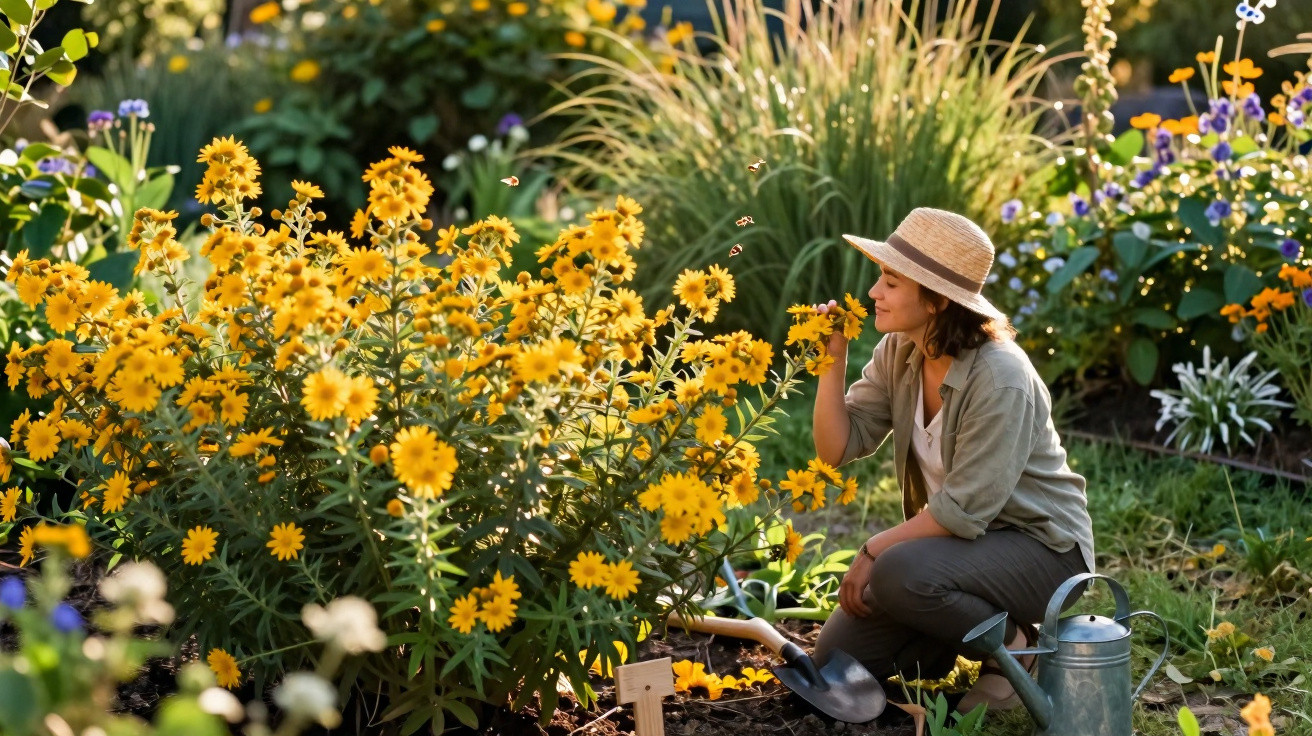
Many amateur gardeners automatically reach for geraniums, petunias and the like every spring. Yet there’s a perennial that looks like a fresh summer refresh for the garden for almost the whole year - and it needs surprisingly little attention. Its name is Bidens aurea. In Germany it’s still something of an insider tip, but in naturalistic gardens it could soon become a regular feature.
A long-lasting blaze of yellow: what makes Bidens aurea so special
Bidens aurea originally comes from Mexico and belongs to the daisy family of perennials. In a border it stands out immediately: countless small blooms, usually with five petals, in bright canary yellow, often finished with a faint white touch at the tips. The plants form airy, slightly arching clumps that look as though they’ve grown upwards by chance - which is exactly why they appear so natural.
From July through to November, Bidens aurea delivers an almost uninterrupted display of flowers - noticeably longer than many classic summer plants.
While other perennials lose momentum in late summer, this one is only just getting into its stride. If you like stretching the warm season for as long as possible, this perennial is a perfect choice. The bed stays lively and colourful right up to the first frost, without the need to keep buying replacements.
A honey-like fragrance and an ideal match for naturalistic borders
Another advantage is the scent. The golden-yellow flowers give off a sweet, honeyed note that’s most noticeable on warm days. It’s not overpowering - more like a gentle haze hovering above the planting.
Visually, Bidens aurea fits beautifully into:
- loosely planted, “wild” perennial borders
- cottage and country gardens
- natural-looking front gardens without strict edging
- larger pots on a terrace or balcony
Planted among ornamental grasses, asters or coneflowers, it creates a scene that feels closer to a summer meadow than a tightly designed border. This deliberately informal, slightly untidy look is very much on trend - and Bidens aurea plays a leading role in it.
Minimal effort, maximum impact: how undemanding this perennial is
A key reason the plant is so highly praised is how straightforward it is. Provide a sunny spot and reasonably free-draining soil, and you’ve already met the most important requirements.
At a glance: position, soil and winter hardiness
| Feature | Recommendation |
|---|---|
| Position | Full sun for abundant flowering |
| Soil | Light, well drained; can be on the lean side |
| Height | Up to about 1 metre |
| Flowering period | July to November |
| Winter hardiness | Down to about –8 °C with good winter protection |
In milder areas, Bidens aurea can get through winter in the ground if the base of the plant is covered with a thick layer of leaves or straw. In harsher locations, it’s worth growing it in a pot and overwintering it somewhere frost-free.
Care: pruning at the right time makes all the difference
If you prefer a tidier look, there’s a simple way to keep the plant more compact. Around June, cut the shoots back to roughly 20 centimetres. This encourages stronger branching, keeps it bushier and reduces flopping - and it doesn’t reduce flowering; it actually makes the display look denser.
As for watering, a moderate approach is enough. Bidens aurea generally copes better with short dry spells than with constant wetness. It really dislikes waterlogging - in heavy clay soils, mixing in sand or grit helps prevent the roots from “sitting in water”.
A magnet for bees and butterflies
The masses of flowers aren’t just attractive - they also provide plenty of nectar. Especially in late summer, when many other plants have finished, Bidens aurea becomes an important food source.
For bees, bumblebees, hoverflies and butterflies, the yellow perennial is like a buffet table that stays open well into autumn.
If you want more life in the garden, this plant delivers. Before long you can watch the visitors arrive: bumblebees practically disappearing into the blooms, small wild bees moving purposefully from flower to flower, and the occasional butterfly settling for longer.
This perennial is particularly effective when planted in groups. Three to five plants in one spot create a striking block of colour and send a much stronger signal to insects than a single specimen.
The best companion plants for a vibrant summer border
Bidens aurea shows its strengths most clearly when combined with other perennials. Good partners include, for example:
- grasses such as fountain grass or feather reed grass, adding structure and movement
- asters in blues and purples, which strongly contrast with the yellow
- rudbeckias and coneflowers for a cohesive late-summer look
- sage or catmint as a lower front layer
On the terrace, it works well in larger pots or tubs, ideally alongside trailing plants that soften the rim. If you enjoy decorating with dried flowers, you can leave the spent heads in place: they dry on the plant and can later be used in autumn arrangements.
Practical advice on planting and propagation
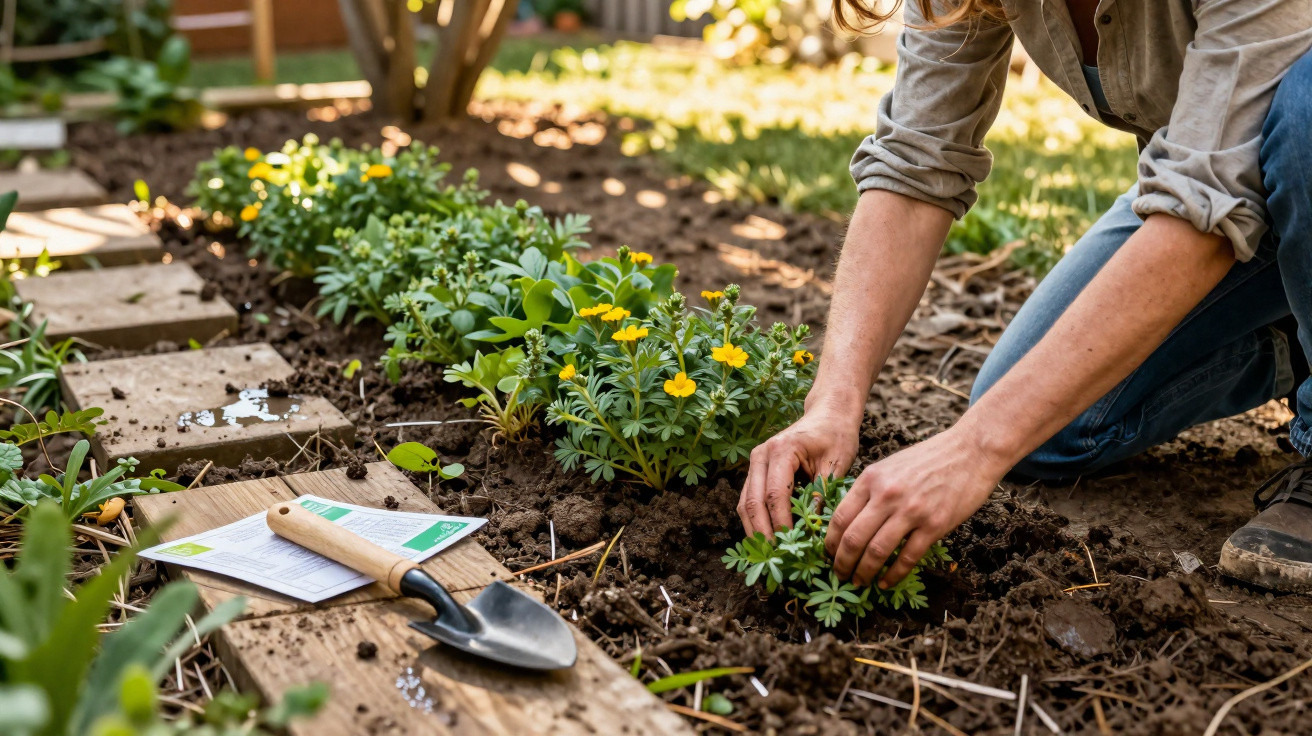
In spring, once the soil has warmed up, is the best time to plant new specimens. Set the root ball so that its surface sits level with the surrounding soil, then water thoroughly.
If you already have an established plant, you can divide it in spring. Lift the clump, split the root ball with a spade or sturdy knife, and replant the pieces. This quickly produces several new plants.
Another option is raising plants from seed in warmth. The young plants should only go outside once there’s no longer any risk of night frosts. For gardeners who like to experiment, it’s an inexpensive and engaging approach.
What gardeners should know before buying
Bidens aurea grows quickly and can become impressively lush in a good year. In very narrow borders or right beside a path it can edge the walkway attractively, but it may also spill over slightly. In that case, an occasional tidy-up with shears is worthwhile.
If you have lots of slugs, you may be pleased to hear that this perennial isn’t among their favourite meals. Even so, keep an eye on young plants during wet spells until they’re sturdy enough.
It also suits the growing trend for “dynamic” planting, where a little self-seeding is welcomed and the overall picture shifts slightly from year to year. Bidens aurea fits this idea perfectly because it grows loosely while still bringing a clear, confident colour to the mix.
For anyone who has avoided perennials because they seem complicated, this species is an ideal starting point. It forgives mistakes, flowers for an extraordinarily long time, and brings not just colour but real life into the garden - from the first warm days of summer to the last sunny hours of autumn.
Comments
No comments yet. Be the first to comment!
Leave a Comment