
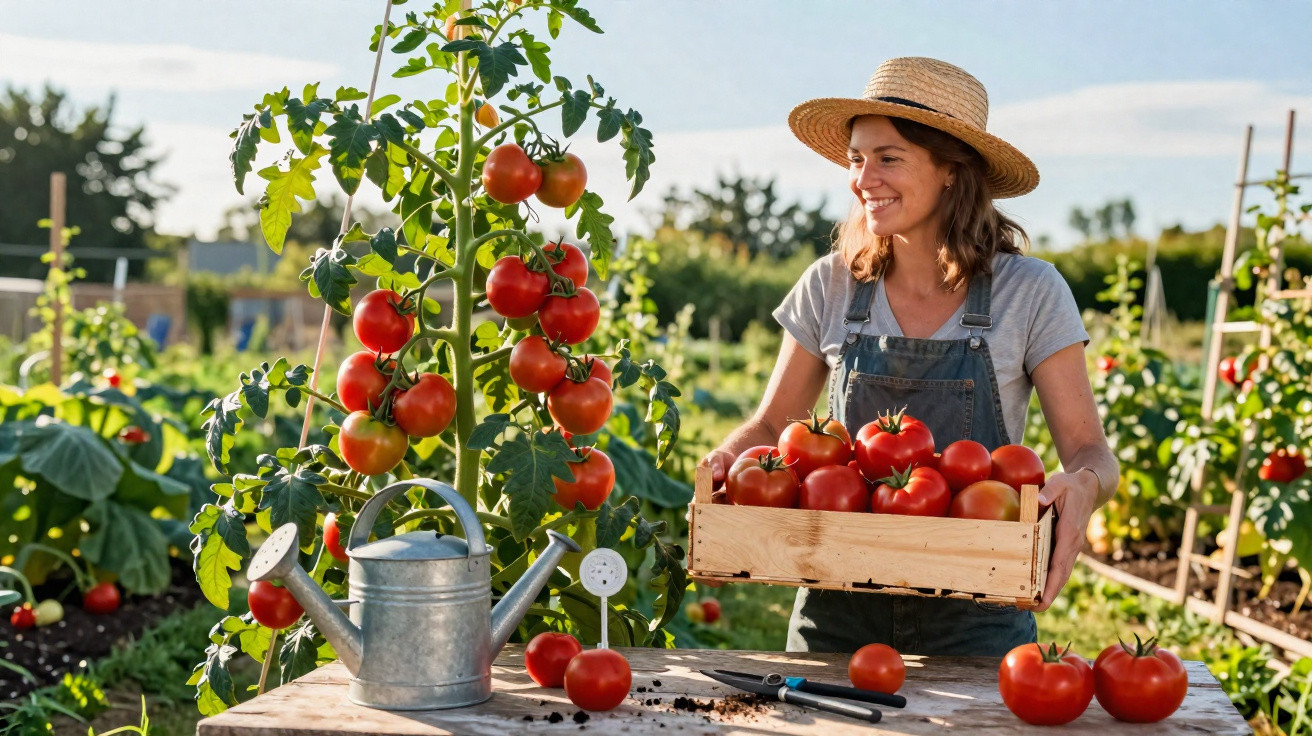
Many hobby gardeners know the pattern: in June the tomato plants look magnificent; in July the sun beats down, the hose is out almost every day - and yet the fruits stay small, split, or take their time to ripen. The key difference often isn’t fertiliser or the watering can at all, but the choice of variety. If you grow heat-tolerant, robust tomatoes, you can still pick fully ripe fruits even through dry, scorching summers. For several years now, one tried-and-tested trio has been delivering particularly steady harvests.
Why the right tomato variety matters most in a hot summer
Heatwaves, torrential rain, late spring frosts: garden weather is following the rulebook less and less. Tomatoes react sensitively to these swings. Excessive heat can halt growth, blossoms may drop, and roots suffer under drought stress. Some varieties practically give up - while others only really hit their stride when conditions get tough.
"Choosing the variety determines whether your tomatoes wilt in midsummer - or reach peak performance."
When gardeners talk about reliable yields and good flavour in full sun, three varieties come up again and again:
- Cornue des Andes - long, meaty fruits; exceptionally heat-resistant
- Green Zebra - a green-and-yellow striped surprise with strong drought tolerance
- Noire de Crimée - a dark, heavy beefsteak tomato with very generous yields
All three keep producing when other varieties already look stressed. At the same time, they cover a wide range of flavours and uses in the kitchen - from carpaccio to a hearty tart.
Cornue des Andes: the “pepper-shaped” tomato for hot summers
Cornue des Andes stands out immediately in the bed: long, slender fruits that look more like red peppers than classic round tomatoes. Originally from South America, it feels right at home in hot, dry summers.
Strong in full sun, strong on yield
The fruits typically weigh between 150 and 250 grams, with thick, firm flesh and little juice. That’s exactly what makes this variety so appealing: it ripens dependably even when other tomatoes barely set fruit in the heat.
- dense foliage helps protect the fruits from sunscald
- good tolerance of longer dry spells
- very little tendency to split
If you can offer a sunny, wind-sheltered spot, this variety becomes a reliable workhorse in the bed or greenhouse.
Practical tips for higher yields with Cornue des Andes
A little preparation pays off with this variety:
- Prepare the soil: aim for loose, humus-rich ground; improve it with compost before planting.
- Mulch generously: a thick layer of straw, dried lawn clippings, or leaves helps retain moisture.
- Water regularly, but not excessively: it’s better to water thoroughly at soil level than to add small amounts constantly.
One proven trick: thin out the lower leaves slightly so more air reaches the stem and any moisture dries faster. At the same time, keep enough foliage higher up so the fruits aren’t left hanging unprotected in strong sun.
Kitchen ideas: when a tomato is almost a vegetable
Because it’s firm and almost “dry” in texture, Cornue des Andes is ideal for dishes where ordinary tomatoes would be too watery:
- delicate carpaccio-style slices with olive oil, salt and pepper
- stuffed tomatoes with goat’s cheese and herbs
- tomato tart without a soggy base
- chilled soups like gazpacho with intense flavour
If you enjoy preserving, you’ll appreciate the concentrated aroma in sauces and sieved tomatoes.
Green Zebra: the striking striped tomato that shrugs off heat
Green Zebra is something of a colourful oddity in the bed: green-and-yellow stripes, lightly marbled skin, and a fresh, lively acidity. It adds colour to the plate - and copes surprisingly well with summer heat.
Why it holds up through a heatwave summer
These plants grow quickly, set plenty of medium-sized fruits, and are known for tolerating stress well:
- adapts well to temperature fluctuations
- forgives the occasional missed watering
- harvesting often begins as early as mid-July
In drier areas with sandy soils, this variety shows just how tough it is. If you mulch and water directly at the root zone, you can noticeably reduce fungal diseases.
How to grow it successfully with minimal losses
Green Zebra loves sun, but - like all tomatoes - still needs basic care:
- choose a spot with at least six hours of sunshine per day
- never pour water over the leaves; water only at the roots
- how to spot ripeness: the base colour stays green, the stripes turn golden yellow, and the fruit yields slightly when pressed
Many people pick Green Zebra too early because the fruits are green anyway. At that stage it tastes sharply acidic. If you wait until the yellow stripes really glow, the flavour becomes noticeably rounder and more complex.
Recipe ideas: bright acidity for summer dishes
In the kitchen, Green Zebra really shines in chilled and fresh preparations:
- colourful salads with red, yellow and green tomatoes
- tomato-and-avocado salad with coriander and lime
- tartare with prawns or fish
- a fruity pairing with peach or nectarine
Its light acidity balances richer ingredients such as avocado or cheese, making heavier summer dishes feel fresher.
Noire de Crimée: dark beefsteak tomato with abundant harvests
If you love dark, almost purple tomatoes, you’ll quickly come across Noire de Crimée. It produces large, slightly flattened fruits with a soft, sweet, highly aromatic texture. It’s a classic beefsteak tomato that remains impressively resilient despite its size.
Robust, vigorous and surprisingly easy to care for
Noire de Crimée performs well in a patio container in a city garden as well as in a traditional vegetable plot. It tolerates heat, wind, and even the odd missed watering - provided the soil was prepared properly.
"If you want big, juicy fruits that don’t wilt at the first hot day, Noire de Crimée is exactly the right choice."
The fruits not uncommonly exceed the 300-gram mark. Because of that weight, the plants need sturdy support, otherwise shoots can snap.
How to get the most from this variety
| Measure | Benefit |
|---|---|
| Tie in firmly to canes or strings | Protects heavy shoots from breaking |
| Work in organic fertiliser | Ensures a long-lasting nutrient supply |
| Water in the evening during extreme heat | Reduces evaporation and stress |
| Keep foliage airy during wet weather | Lowers fungal pressure, e.g. late blight |
This variety is sensitive to constantly wet roots. Avoid waterlogging at all costs; water deeply, then allow the soil to dry slightly again.
In the kitchen: almost a course of its own
With its dark colour, soft flesh and intense aroma, Noire de Crimée is perfect for simple dishes where the tomato takes centre stage:
- salad with red onions, basil and mild balsamic
- thick slices on toasted bread with olive oil and garlic
- a Caprese-style variation with mozzarella and plenty of basil
To impress guests, serve large tomato slices with nothing more than good salt, pepper and oil - this variety hardly needs anything else.
Getting the bed ready for record harvests next summer
Even the best variety won’t do much if the soil is exhausted or plants are crammed too closely together. A few basic rules will significantly improve your chances of a basketful of tomatoes.
Combine the three varieties wisely
Cornue des Andes, Green Zebra and Noire de Crimée have similar needs for light and water. That makes care straightforward when they share the same bed. At the same time, they complement one another:
- different growth heights improve air circulation
- staggered ripening times provide continuous picking from July to September
- varied shapes and colours bring more diversity to the table
If you have enough space, plant two of each variety. That way, any losses are easier to absorb and peak harvests are spread out.
Watering, mulching, feeding: small changes with big impact
A few simple routines make a real difference:
- a mulch layer conserves moisture, suppresses weeds and protects soil life
- watering in the morning or late evening reduces evaporation and heat stress
- feed sparingly with compost or an organic slow-release fertiliser - a little is better than too much
If you regularly check beneath the leaves, you’ll spot early signs of pests or fungal disease and can react quickly.
Spot typical summer problems early - and defuse them
Heat often brings familiar stress factors:
- aphids and whitefly tend to sit on the undersides of leaves
- white coatings on the upper leaf surface can indicate fungal issues
- sunken black patches on the underside of the fruit may be blossom end rot
Companion plants such as basil, pot marigold or tagetes can break up the bed and help reduce pests. Remove affected leaves promptly and do not put them on the compost heap.
More variety: other cultivars that make good companions
If you enjoy experimenting, you can expand this trio in a targeted way. Heritage varieties such as Rose de Berne or Pineapple tomato add even more colour and flavour nuance to the bed. Cocktail and cherry tomatoes suit balconies and patios, where space is often limited but you want plenty of small fruits.
For beginners, it can be sensible to start with two or three proven varieties and then add one or two new options each year. That way you build your own experience of flavour, resilience and yield - and gradually arrive at a personal hot-summer “hit list”.



Comments
No comments yet. Be the first to comment!
Leave a Comment