
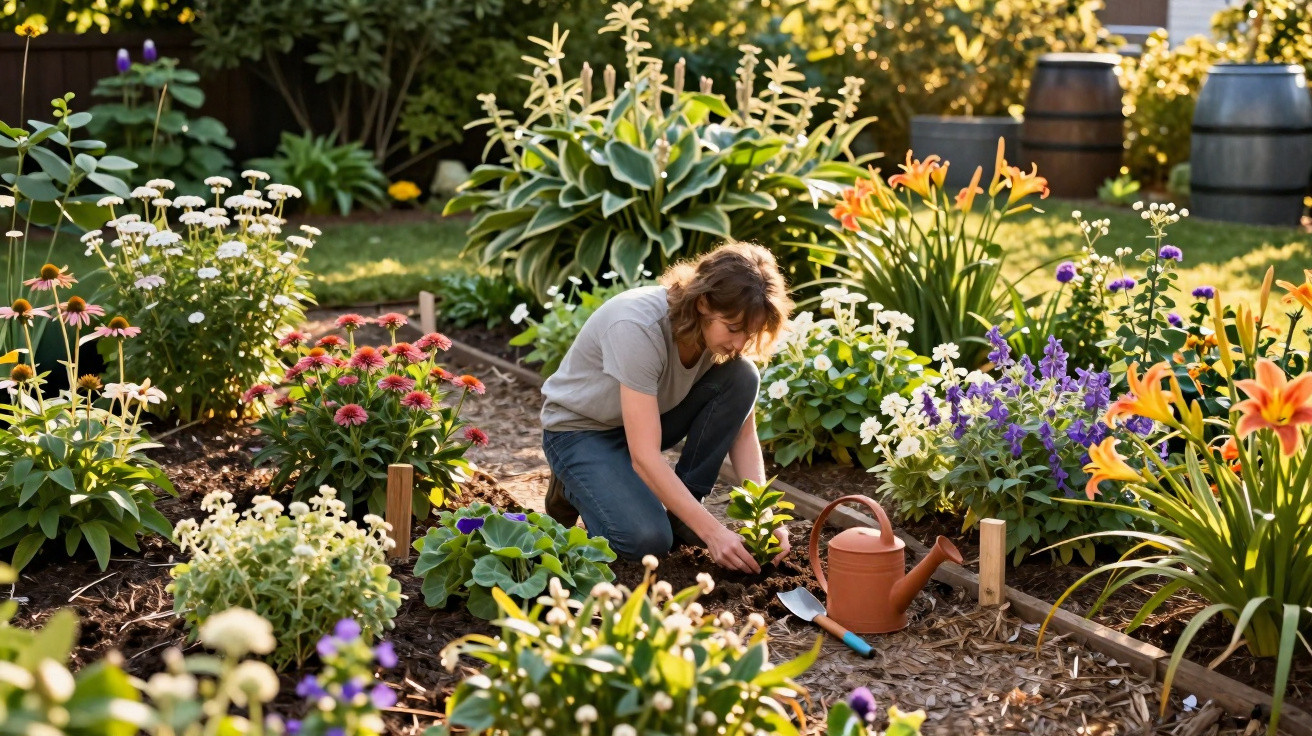
Many amateur gardeners end up giving up in frustration when summer heat, torrential downpours and an overpacked diary all hit at once. Even so, some plants are built for exactly these conditions. Choose the right perennials and you’ll have flowers returning year after year with minimal effort-and they’ll usually forgive the odd missed watering.
Why low-maintenance perennials are in such high demand right now
Extreme weather is becoming hard to ignore: long dry spells are followed by intense cloudbursts, and in some areas late frosts are an extra complication. Delicate bedding plants find that combination exhausting-and plenty of gardeners do too.
"If you rely on robust perennials, you get a long-lasting flowering bed with far less work, water and frustration."
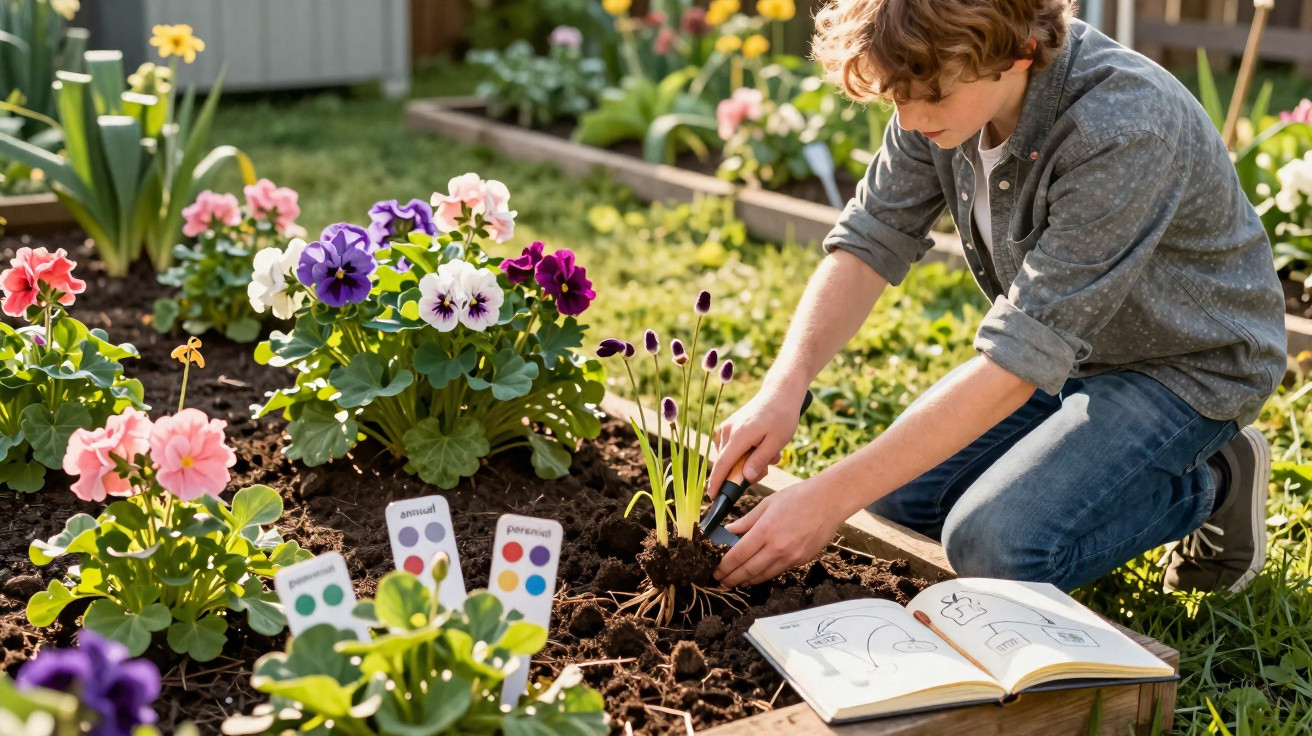
Perennials are plants that survive the winter in the ground, shoot again in spring and often stay in the same spot for many years-sometimes even decades. Unlike annual summer flowers, you don’t have to buy and plant them all over again every year. Once they’ve properly settled in, many varieties tick along almost on ‘autopilot’.
Eight particularly robust perennials for lazy gardeners
Below are eight proven options that cope surprisingly well with heat, heavy rain, poor soils and the occasional bout of watering neglect. Not every choice suits every garden, but you’ll almost certainly be able to fit in at least three or four without any fuss.
1. Yarrow – colourful clouds of flowers for dry corners
Yarrow is a classic for sunny, dry borders. It reaches around 60 to 90 centimetres, forms fine, fern-like foliage and broad, flattened flower heads in white, yellow, pink or red.
- Position: full sun to light partial shade
- Soil: on the dry side, free-draining; sandy or gravelly is ideal
- Care: cutting back after flowering encourages a second flush
This plant will tolerate weeks of rain that leave the ground almost waterlogged, and it also rides out extended dry periods. If your front garden is stony, gravelly or simply has lean soil, yarrow can still deliver a bright, flower-filled display.
2. Coneflower (Echinacea) – a magnet for bees and butterflies
Coneflower, botanically Echinacea, looks dramatic with its large daisy-like blooms, but it’s actually a real workhorse in a perennial bed. In summer, it’s often surrounded by buzzing and fluttering because insects love the nectar.
There are many varieties in white, orange, pink, red and even bicoloured forms. More important than the flower colour is choosing types that are native to your area-or at least well proven locally. Those are far better at handling heat, frost and sharp temperature swings.
"If you want an insect-friendly garden, plant several clumps of coneflower-the reward is a long flowering season and plenty of pollinators."
3. Solomon’s seal – an insider pick for shady areas
Solomon’s seal is overlooked by many gardeners for a long time, largely because it tends to live in darker corners. Yet it’s exactly this shade specialist that can bring life to gloomy spots under trees or on north-facing sides.
- Position: partial shade to full shade
- Special feature: copes with dryness in the root zone beneath trees
- Look: elegant, gently arching stems; white to violet flowers; attractive foliage
From spring well into autumn, Solomon’s seal keeps putting on steady growth, and its curved stems give it an almost architectural presence. If you struggle with bare patches under shrubs and trees, this is a perennial worth trying.
4. Catmint – scented cushions that need almost no attention
Catmint lives up to its name: many cats happily roll around in the aromatic leaves. For people, its main appeal is different-it’s remarkably easy-going.
It forms broad, slightly silvery mounds dotted with countless small violet flowers. Once established in a border, it’s genuinely close to ‘plant it and forget it’. It returns reliably each year, spreads at a manageable pace and draws bees in as if by magic.
"Catmint is the perfect ‘plant it and forget it’ perennial: low demands, plenty of scent, and a long flowering period."
5. Stonecrop – succulent beauty for hot spots
Stonecrop (Sedum) stores water in its fleshy leaves, which makes it an excellent choice for roof terraces, sunny rock gardens or dry front gardens. From late summer, it carries flat-topped flower heads in pink, red or white.
If you travel often or water only irregularly, stonecrop is a dependable option. It even copes well in pots and containers. The spent stems can look striking in winter when coated with frost, and a simple cut-back in spring is all it needs.
6. Coral bells – a foliage perennial for year-round colour
Coral bells are valued less for bold flowers and more for richly coloured leaves: shades range from deep burgundy through lime green to almost black. They’re ideal for adding structure and visual rhythm to a border.
- Great as edging along paths or beds
- Easy to combine with grasses, hostas and ferns
- Tolerates partial shade and light dryness
With a few well-placed coral bells, even a small bed can look deliberately designed-without you constantly having to tweak and rework it.
7. Tickseed – a sunny long-flowering choice for every summer
Tickseed produces yellow, orange or two-tone starry flowers all summer long. It thrives in sun, prefers fairly loose soil and is content with very little care.
If you deadhead now and then, the plant responds with an extra burst of blooms. If you don’t have time, you’ll still get a very respectable flowering season-just a slightly shorter one.
8. Daylily – a tough all-rounder for the bed edge
Daylilies will grow in almost any spot as long as the soil isn’t permanently wet. Each flower lasts only a day, but because new buds keep opening, the planting looks colourful for weeks.
They work brilliantly beside paths, in mixed borders or near the edges of ponds. Many varieties even cope with less-than-ideal urban sites and can make it through a season with very little watering.
How to combine the perennials cleverly
Garden maintenance becomes even easier when you group perennials so they complement one another. For example, a low-effort planted strip along a garden fence could look like this:
| Back row | Middle row | Front row |
|---|---|---|
| Yarrow, daylilies | Coneflower, stonecrop | Catmint, coral bells |
This gives you something flowering from early summer into autumn, with varied heights and plenty of texture. At the same time, the upkeep stays manageable: cut down old stems in late winter, pull the odd weed, and you’re done.
Practical tips for a garden that largely looks after itself
- Water less, encourage deeper roots: When planting new perennials, water them in thoroughly at first; after that, water less often but more deeply. This promotes deeper rooting and improves resilience.
- Mulch instead of daily hoeing: A thin layer of mulch made from bark chips or grass clippings helps retain moisture and suppresses weeds.
- Choose native or well-proven varieties: Plants adapted to local climate and soil typically need far less attention.
- Don’t cram the bed: Leave a little space between plants. They’ll knit together on their own, and you’ll need less dividing and cutting back.
Many of the perennials above bring extra benefits as well: they feed insects, can be used as cut flowers, or are easy to share with friends via divisions. Coneflower, yarrow and tickseed, in particular, make a surprisingly professional-looking bunch in a simple vase.
If you’re new to long-lived plants, you’ll quickly come across terms like ‘hardy’, ‘perennial’ and ‘biennial’. In brief: perennials live for several years and regrow from their rootstock. Hardy perennials survive frost outdoors in the border, while more tender types need protection or overwintering somewhere sheltered. Biennials live for only two years, whereas many summer flowers last just a single season.
With a small selection of robust perennials, you create the basis for a garden that doesn’t demand attention every day. Instead of constantly watering and replanting, you can focus on what many people really want from a garden: step outside, sit down, look, and breathe.
Comments
No comments yet. Be the first to comment!
Leave a Comment