

Many people throw away wilted cut flowers in frustration, even though their condition can often be improved surprisingly well. The key is not an expensive professional flower food from the garden centre, but something found in almost every kitchen – along with a few straightforward measures that can make the difference between a bouquet lasting two days and one lasting a week.
Why flowers in a vase wilt so quickly
The instant a flower is cut, it loses its connection to the ‘supply network’ in the soil. It can no longer draw nutrients from the ground and must survive on its remaining reserves.
Although tap water provides liquid, it contains virtually no nourishment. At the same time, an unseen process takes place in the water: bacteria and other microorganisms multiply extremely quickly, especially in warm rooms. They settle inside the stems, where they form a kind of blockage.
This obstruction means the stems can barely absorb water. The results are clearly visible:
- Stems become soft and bend or snap more easily
- Leaves turn yellowish or grey
- Flower heads droop downwards
- The water in the vase looks cloudy and smells unpleasant
The location also matters. A bouquet placed directly behind a sunny window, close to a radiator or next to very ripe fruit will age much faster. Heat and ripening gases put additional strain on the flowers.
“Anyone who simply puts cut flowers in water and then ‘forgets’ them drastically shortens their lifespan – even small adjustments can provide several extra days of freshness.”
Sugar: the kitchen staple that revives cut flowers
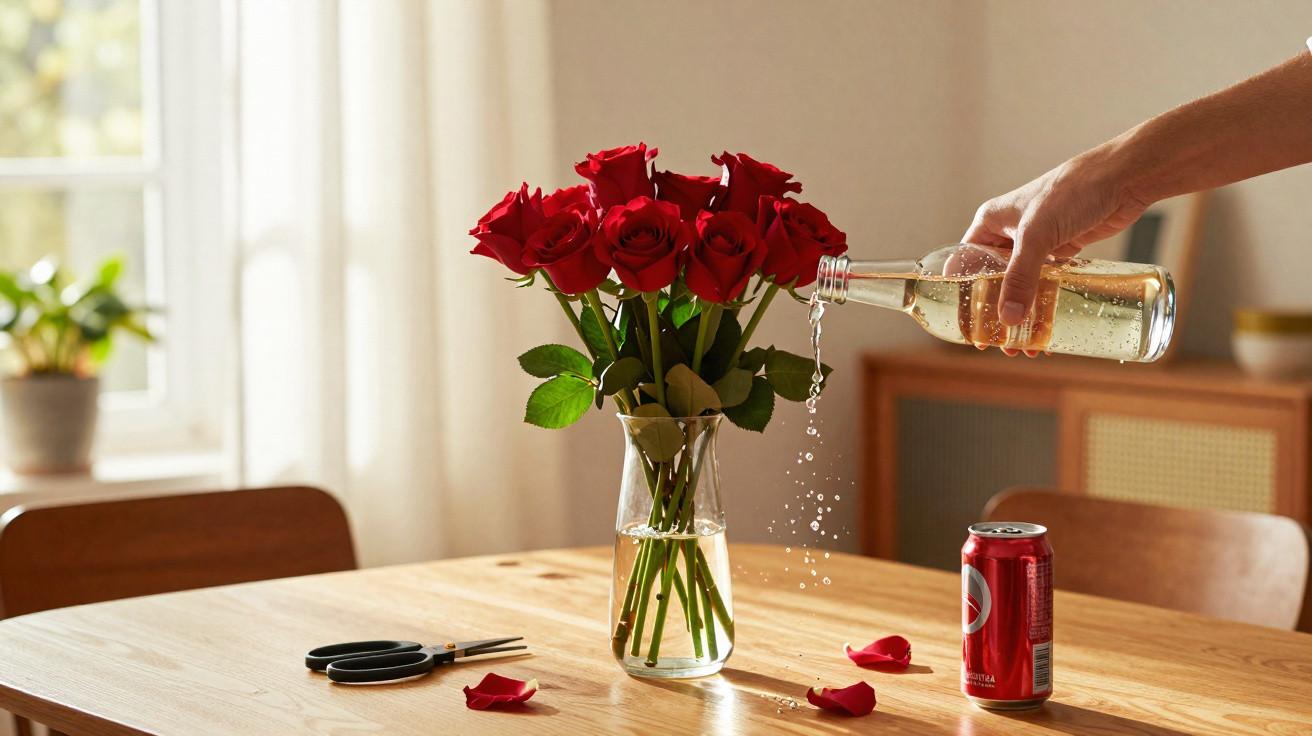
The crucial trick involves a simple food ingredient: sugar. Just as it serves as an energy source for the body, it can help the cells in flowers. In effect, sugar replaces some of what the plant previously supplied through its roots and leaves.
When sugar is added to vase water, the still-living tissues in the stem and bloom receive a quick extra source of energy. This can visibly strengthen a bouquet that is already slightly tired – provided it has been prepared correctly.
How to prepare your bouquet properly
Before introducing sugar, give the bouquet a brief ‘spa treatment’:
- Choose a clean container: Use a freshly washed, preferably wide vase in which the stems are not crowded or crushed.
- Fill it with water: Room-temperature water is sufficient; ice-cold or very hot water stresses the plants.
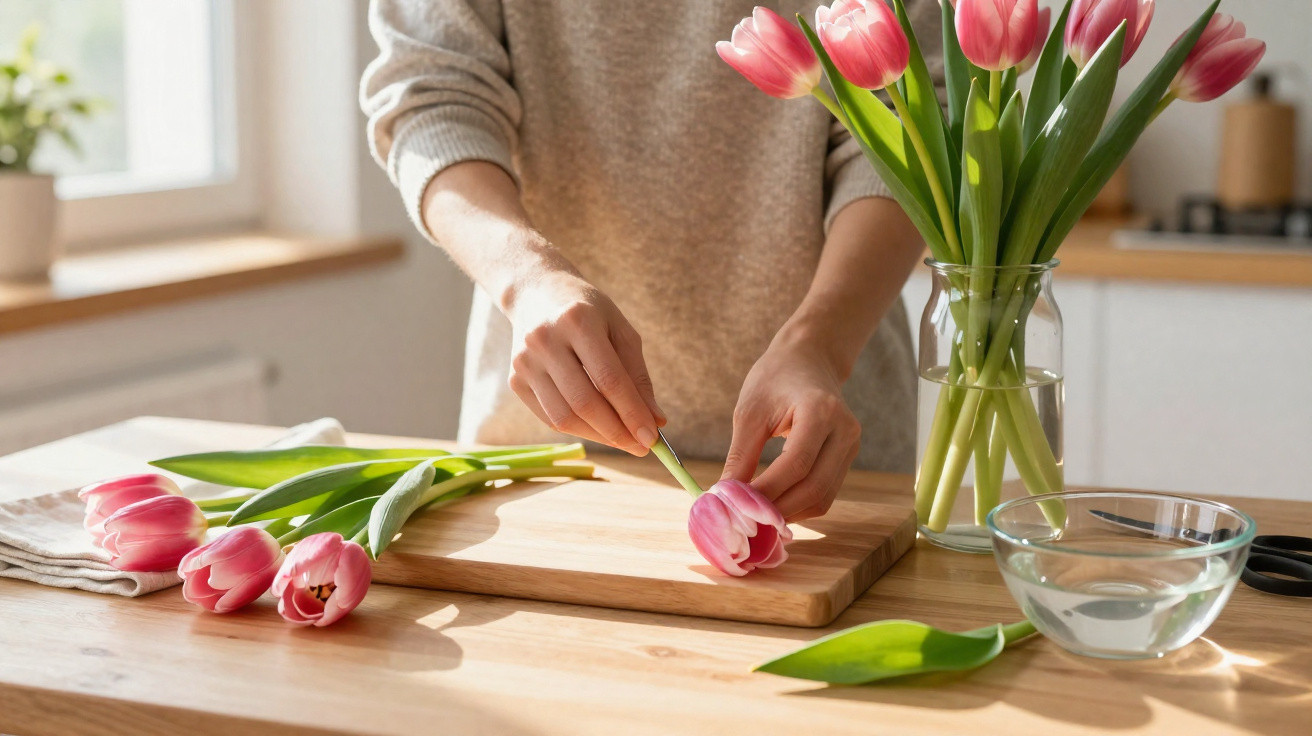
- Re-cut the stems: Trim each stem diagonally, at roughly 45 degrees, ideally under running water so that no air enters the water-conducting channels.
- Remove leaves: Strip off or cut away all leaves that would otherwise sit below the waterline.
This fresh cut is essential. The angled surface increases the area through which water can enter, while old, clogged sections are removed. This gives the blooms the best possible chance of actually using the sugar afterwards.
How much sugar your flowers really need
With sugar, a little helps but too much is harmful. Large quantities turn the water into a feast for bacteria and can actually shorten the flowers’ lifespan.
A reliable guideline for most bouquets is:
- 1 to 2 teaspoons of sugar per litre of water – no more is needed for everyday use.
Those who like to experiment can also add a small amount of acid to slow bacterial growth. Common options include:
- 1–2 teaspoons of white household vinegar per litre of water
- or a small squeeze of lemon juice
“The combination of a little sugar for energy and some acid against bacteria works like a simple, homemade flower preservative.”
Then return the bouquet to its place and allow it a few hours to respond. With half-wilted flowers, it is often possible to see some heads lift slightly again on the same day.
Cut flower care routine: keeping a bouquet attractive for days
Sugar is only one part of the process. Anyone who wants to get the most from their cut flowers needs a small but highly effective routine.
Replace the water completely and regularly
Rather than merely topping it up, replace the water in full every one to two days. It is also worth carrying out a quick check:
- Rinse the container briefly or clean it with a bottle brush
- Trim the old, slimy stem ends back slightly
- Remove rotten leaves or blooms consistently
- Add a small spoonful of sugar again, plus some acid if desired
This routine substantially reduces bacteria in the water. The bouquet will generally look better cared for until its final day and lose fewer leaves.
The best position in the living room
Location is at least as important as water care. Ideal conditions include:
- A bright corner that is not in full sun
- No direct blast of heat from a radiator
- Distance from fruit bowls containing very ripe bananas, apples or pears
Ripe fruit releases gases that act as an ageing accelerator for plants. Many people put both on the same table to save space, then wonder why their flowers do not last.
Which flowers benefit most from the sugar trick
Not every variety responds equally strongly to this kitchen aid. Types that benefit noticeably in everyday conditions include:
- Roses: often react very positively, especially when combined with regular re-cutting
- Carnations and gerberas: remain firmer and do not topple over as quickly
- Spring bouquets with tulips or daffodils: gain a little more stability when the water is kept clean
With delicate exotic flowers or particularly long-lasting varieties, start carefully with a small amount. If in doubt, begin with one teaspoon per litre and observe the response for one to two days.
What else helps with common flower problems
Alongside sugar and good water hygiene, there are further techniques that amateur florists like to use:
- Thin out foliage heavily: Fewer leaves mean less evaporation, so flower heads stay plump for longer.
- Move the bouquet somewhere cooler at night: A lightly heated hallway or a cool adjoining room can noticeably slow ageing.
- Separate flower types: Some bulb flowers release substances into the water that stress other varieties, so it is better to place them in separate containers.
Anyone who keeps flowers at home regularly can develop a simple habit: check the water quickly when arriving home, replace it if necessary, spend two minutes on care – and enjoy a bouquet for almost a week when it might otherwise have ended up in the bin after three days.
There is also an interesting psychological effect. Many people see fresh flowers as a luxury because they supposedly ‘go off so quickly’. With sugar, a reasonably clean container and an appropriate location, that argument loses force. The bouquet changes from a disposable product into a decorative companion for several days, sometimes even for longer than a week.
This principle can also be used for hand-picked wildflowers or a supermarket bouquet. Where the flowers come from matters very little – what counts is what happens after they are cut. A spoonful of sugar from the kitchen, a clean sharp cut at the sink and a little everyday attention are enough to make flowers in the living or dining room last visibly longer.
Comments
No comments yet. Be the first to comment!
Leave a Comment