
Many amateur gardeners are currently standing puzzled in front of the seed display: countless varieties, little time and a limited budget. Which flower genuinely produces plenty of blooms, needs hardly any attention and will also suit a compact city balcony? Gardening specialists repeatedly recommend one understated yet exceptionally rewarding cottage-garden plant.
Why this summer flower is so popular
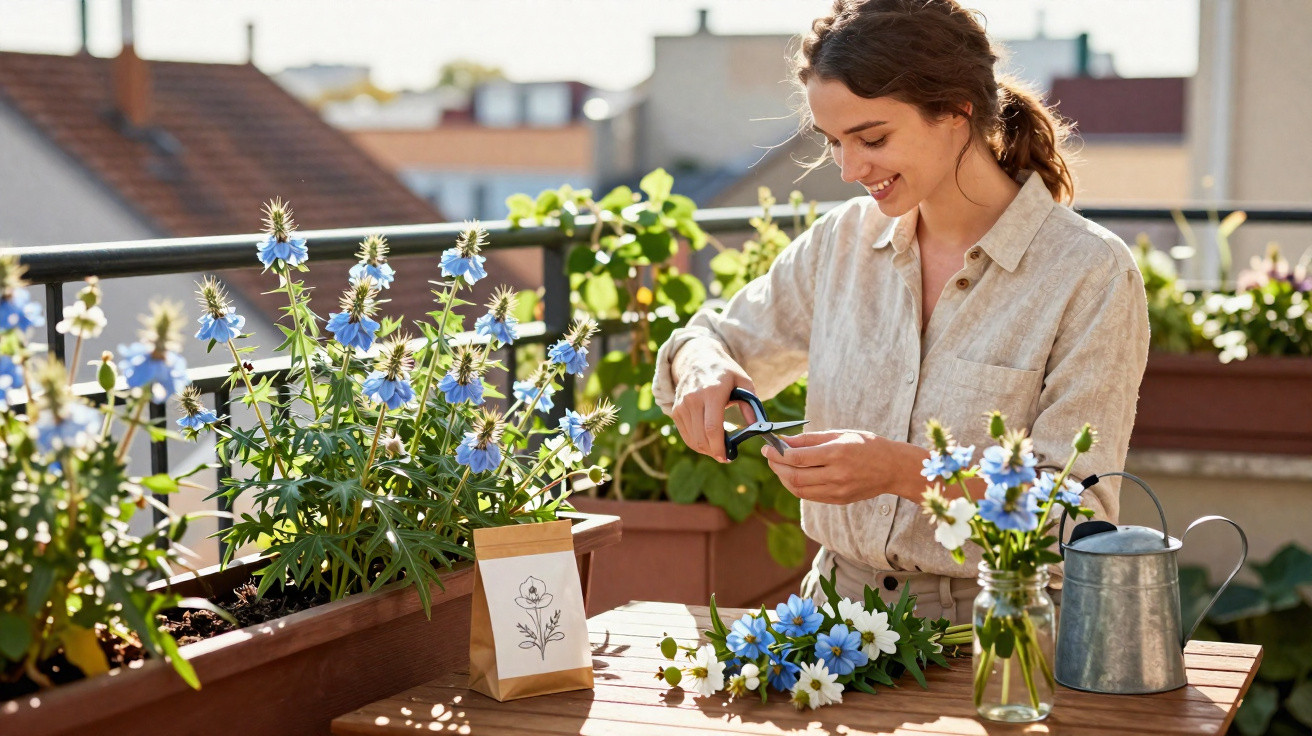
The plant in question is Nigella, more commonly known here as love-in-a-mist. Its delicate, star-shaped flowers float amid fine, almost feathery foliage. This airy appearance gives borders and pots a cottage-garden feel, without requiring an English country estate.
“Anyone who sows Nigella in spring will enjoy flowers, cut blooms and food for bees for months – with minimal care.”
Gardening experts regard the plant as hardy, easy-going and remarkably adaptable:
- It flowers from around June through to September.
- It is suitable for borders, raised beds, containers and even large balcony planters.
- It lasts well in a vase – for up to around ten days.
- It is highly appealing to bees, bumblebees and hoverflies.
- With careful handling, it can self-seed in the garden.
This combination is especially useful for working families with neither the desire nor the time for elaborate perennial-bed planning. Sow Nigella once and it will provide fresh flowers for the table over many weeks, while also bringing more life into the garden.
Nigella at a glance: delicate appearance, tough nature
Botanically, it is Nigella damascena, an annual summer flower. It is also known as love-in-a-mist and, in some places, ragged lady. The flowers come in blue, white, pink or violet, framed by its characteristically finely divided foliage.
Despite its fragile-looking form, this plant is highly resilient. It is considered tough, copes with cooler spring nights and rarely suffers from pests. Fungal diseases are uncommon provided the position is airy and plants are not crowded together.
It also offers a double benefit for the home: flowers for summer bouquets and ornamental seed pods for dried arrangements in autumn. Anyone with an eye for decoration can therefore save on the occasional purchased bunch from the florist.
How to sow Nigella now
Direct sowing in borders – ideal for garden owners
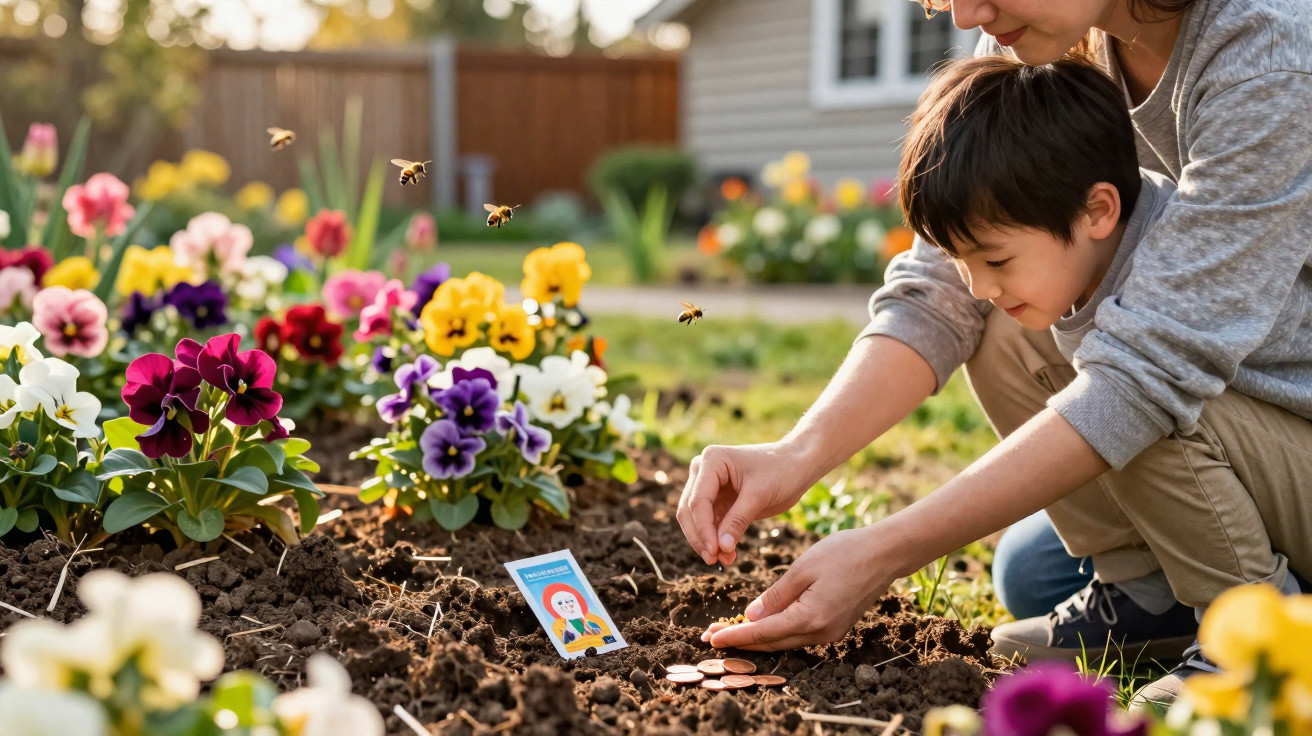
Anyone with a border, or even a narrow strip in the front garden, can scatter the seeds directly onto the soil. Depending on the region, the best period is roughly from March to May, once the ground is no longer waterlogged or frozen.
- Loosen the soil and remove weeds and stones.
- Scatter the seeds thinly – sprinkle them rather than sowing in rows.
- Cover lightly with soil or fine compost, to a maximum depth of 1 cm.
- Water them in, then keep the soil evenly moist but not wet.
Sowing another one or two batches at intervals of three to four weeks will noticeably extend the flowering period. While the first sowing is already in full bloom, the younger plants will catch up later.
Sowing in trays – for balconies, patios and small gardens
For anyone without a conventional border, sowing in shallow trays or seed pots is a good option. This approach provides greater control, particularly where children or pets are involved.
- Fill a shallow tray with loose seed compost.
- Sow the seeds fairly densely – they will be thinned later.
- Dust them with a fine layer of soil or compost.
- Water gently, using a spray bottle, for example.
Once the seedlings are a few centimetres tall and sturdy, they can be thinned out and moved to their final position. A practical advantage is that gaps in established borders, among perennials or even in vegetable beds can be filled deliberately.
The ideal position for a profusion of Nigella flowers
Nigella thrives in sunshine and freely draining soil. Get these two points right and there is very little else to adjust.
| Factor | Recommendation |
|---|---|
| Light | Full sun to, at most, partial shade |
| Soil | Loose, fairly poor and well drained |
| Spacing | Around 20–30 cm between plants |
| Containers | At least 20 cm deep, with drainage holes |
Planting too closely can lead to weak growth and fewer flowers. Leaving a little room between plants allows them to grow bushy rather than competing for light.
Everyday care: a few minutes are enough
Watering when it really matters
In a border, normal rainfall is often sufficient. During prolonged dry spells, it is better to water deeply every few days than to give a light sprinkle all the time. Soil dries out much faster in pots and window boxes, so these need checking regularly.
Remove faded blooms – get more flowers
A key step for weeks of flowering is deadheading: cut off spent flower heads before they can produce seed. The plant will then put more energy into forming fresh buds.
If you regularly cut stems for a vase, you are effectively doing this extra task at the same time. The stems go into water, the plant responds with more flowers, and the cycle really gathers pace at the height of summer.
Make smart use of self-seeding
Towards the end of the season, it is worth allowing several seed pods to ripen. They dry on the plant, eventually split open and scatter their fine seeds nearby. As a result, new love-in-a-mist plants often emerge the following spring with no effort at all.
For a more controlled approach, cut off the ripe pods, shake the seeds into a paper bag and store them somewhere dry. You can start again the next spring without buying more seed from the garden centre.
Ideal for families: flowers, bees and craft ideas
The plant has further advantages for households with children. Its unusual seed pods remind many people of tiny space capsules or miniature balloons, making them popular for craft projects, dried arrangements and nature mandalas.
At the same time, the flowers attract numerous pollinators. Those growing vegetables such as courgettes, squash or strawberries benefit from increased insect activity in the garden. Nigella is therefore not only attractive to look at; it can also support the harvest.
There is another practical benefit: the plants’ open, airy structure works well among roses, perennials or even in herb beds. It forms a light veil that disguises gaps without overwhelming neighbouring plants.
Tips for greater impact with little effort
- Mix several varieties, such as blue, white and pink, for a lively cottage-garden look.
- Plant in groups of five to seven, which looks more natural than single specimens.
- Combine with low marigolds or candytuft to create differences in height.
- Place a few plants close to the patio or balcony table so the flowers can be easily seen.
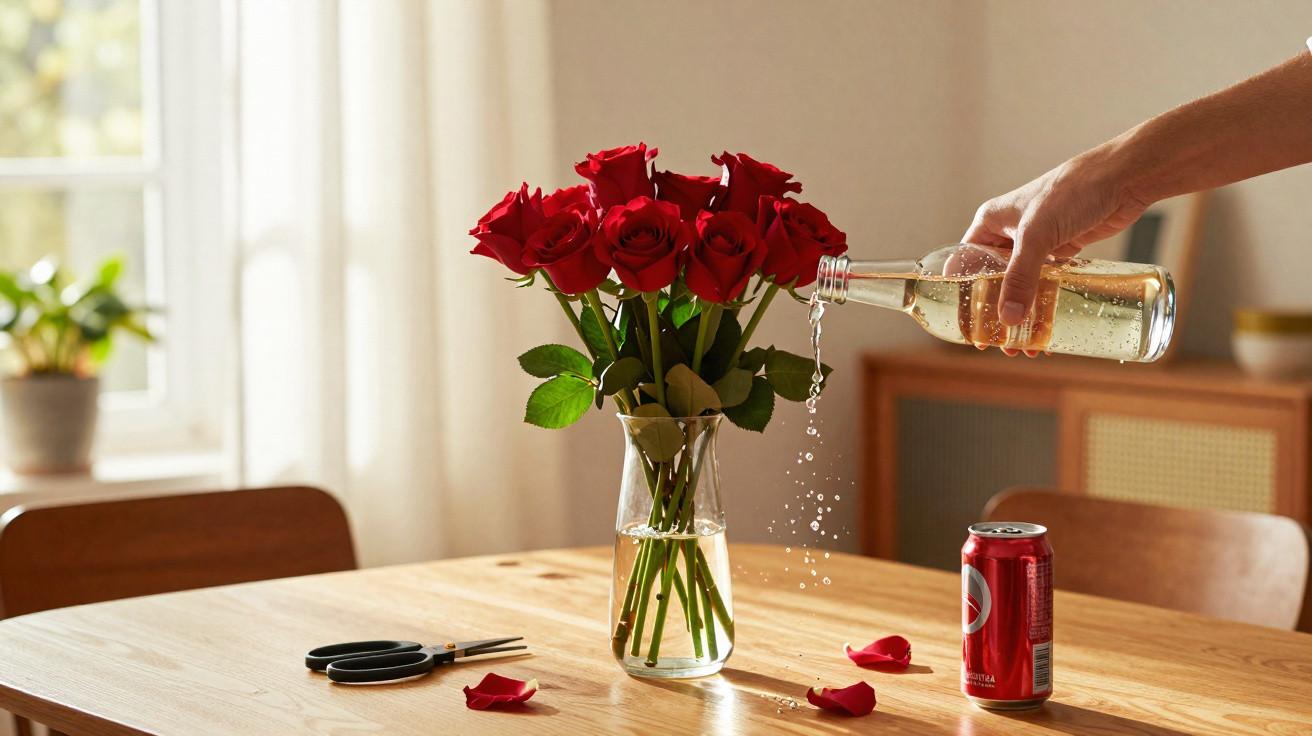
Anyone with limited experience can use Nigella as an uncomplicated introduction to growing cut flowers. Stems can be harvested with kitchen scissors or garden snips, and need only a clean vase and fresh water. Trimming the stem ends regularly extends their vase life considerably.
Beginners also pick up important gardening basics at the same time: spacing, choosing a position and caring for flowers. The plant is usually very forgiving of mistakes. That combination is precisely what makes it so appealing for households wanting plenty of summer colour without spending spring drawing up lengthy garden plans.

Comments
No comments yet. Be the first to comment!
Leave a Comment