
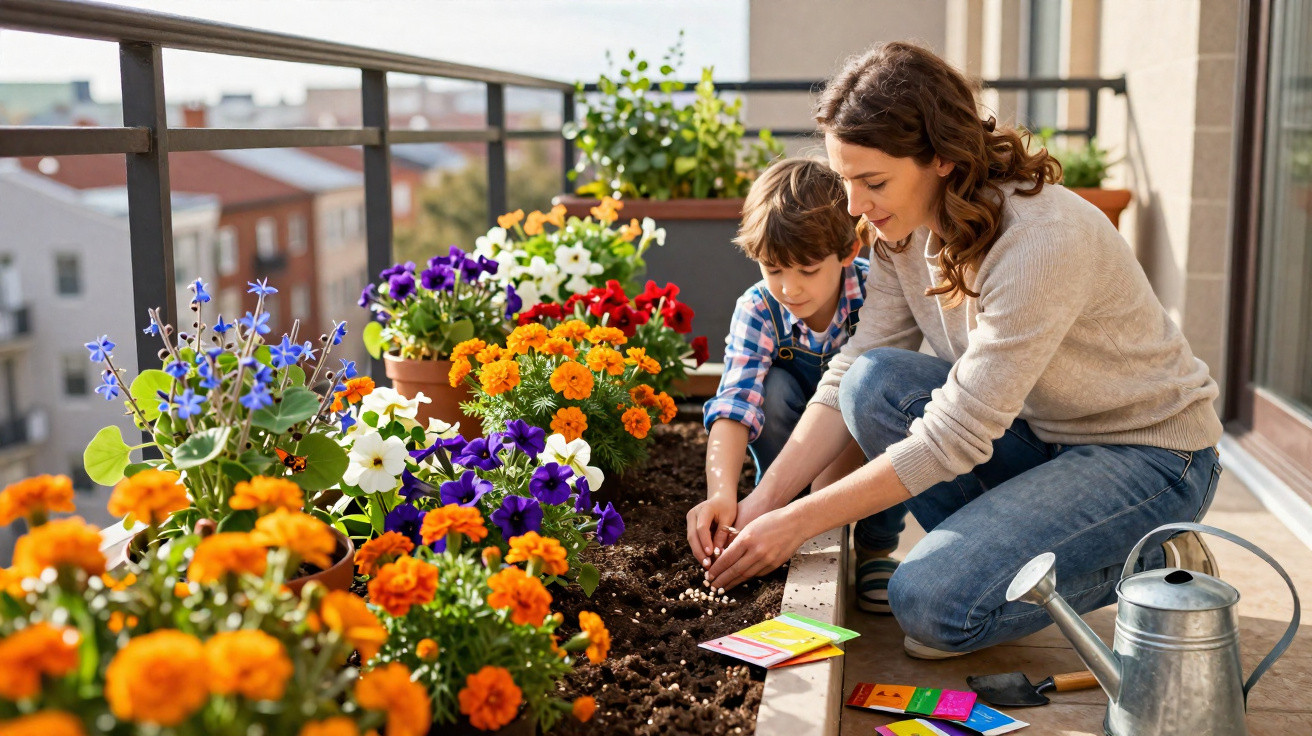
With the right varieties, dull corners can turn into a sea of flowers in next to no time.
If you plant smartly in March, you can enjoy bold splashes of colour in the garden, on the balcony or out on the terrace by late spring. Some annuals grow so quickly that they race from seed to flower in just six to ten weeks – with no specialist kit and no fiddly methods.
Why March is the perfect starting gun for fast flowers
During March, the soil begins to warm gradually, daylight stretches out, and the sun gains strength. That’s exactly the window savvy home gardeners use to kick-start their beds with a handful of rapid growers.
"The trick is in the choice: if you sow genuine quick starters, you cut the wait for colour from three months to around 60 to 70 days."
Broadly speaking, the best candidates fall into two categories:
- Hardy annuals: can be sown straight into beds and cope with chilly nights.
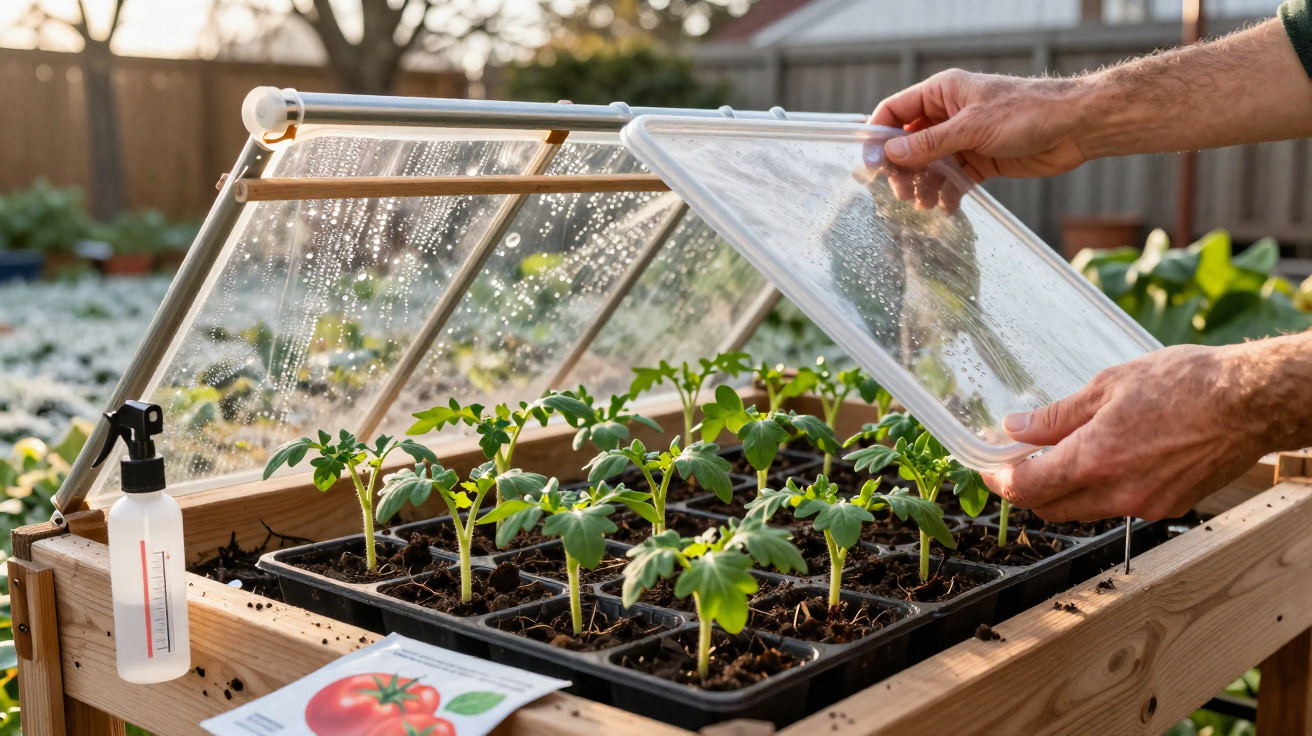
- Half-hardy annuals: do best if you begin them on a warm windowsill or in an unheated greenhouse.
Many traditional bedding plants take about twelve weeks from sowing to their first flowers. If you want results sooner, choose varieties that naturally grow at full speed and bloom noticeably earlier.
The fastest bloomers: these varieties add colour in record time
Some species are tailor-made for anyone who doesn’t want to wait. They put on growth quickly, are forgiving of beginner slip-ups, and still produce impressively generous flowers despite the short run-up.
Pot marigolds & co.: tough classics for cool beds
For direct sowing in March, go for hardy annuals that can handle the lingering chill:
- Pot marigolds (Calendula): happy in cool soil and, when sown early, often flowering by late spring.
- Cornflowers: deliver an intense blue, grow rapidly, and are real insect magnets.
- Love-in-a-mist (Nigella): delicate, whimsical blooms and fast development.
- Californian poppy: thrives in sun, often self-seeds later on – ideal if you prefer a low-effort garden.
In borders and larger containers, these varieties create vivid blocks of colour and will usually ride out a brief cold snap, as long as the ground doesn’t freeze solid.
Quick starters for warm spots: zinnias, marigolds, petunias
More sensitive types need warmth at the beginning, then pick up speed dramatically:
- Marigolds (Tagetes): first flowers are possible after about 45 to 60 days; very easy-going.
- Zinnias: often bloom after roughly 65 days, with strong colours and large flower heads.
- Petunias: like a start on the windowsill and then keep flowering for weeks once planted out.
- Cosmos: fine foliage, big blooms, and vigorous growth with plenty of light.
Marigolds and zinnias are especially well suited to sunny pots and colourful mixed plantings along the terrace edge. Petunias shine with an exceptionally long flowering period, provided you regularly remove spent blooms.
Nasturtium & borage: colour with a practical bonus
If you want flowers that are both bright and useful, pick varieties that offer added value:
- Nasturtium: vivid orange, yellow and red blooms, often within about two months – plus it’s edible and great in salads.
- Borage: blue, star-shaped flowers that bees and bumblebees love; it readily self-seeds and often returns the following year on its own.
"With a mix of fast bloomers for beds and balconies, you can build a lively, insect-friendly display of colour in just a few weeks."
The simple March plan: how to get the most from every sowing
Choosing the right varieties is only half the story. What really matters is how you tackle March. A clear, straightforward routine adds real pace to your beds.
Step 1: Prepare the soil – without making it a big job
Before the first seed goes in, give the ground a small spring refresh:
- Clear away old leaves and weeds.
- Loosen the top 5 to 10 cm lightly.
- Work in mature compost or multipurpose compost – a thin layer is enough.
This leaves the roots with air, and seedlings immediately find the nutrients they need.
Step 2: Secure a sunny spot and water correctly
Fast growers need light and evenly moist (not wet) soil:
- Choose a position with at least six hours of sun per day.
- For sowing in beds, gently firm the soil after sowing.
- Water with a fine spray or rose so the seeds aren’t washed away.
During germination, the surface should never dry out completely, but it mustn’t turn soggy either.
Step 3: Direct sowing or windowsill? A simple rule of thumb
Use this easy guide for March:
| Plant group | How to start in March |
|---|---|
| Hardy annuals (e.g. cornflower, pot marigold) | Sow directly into beds or large containers |
| Half-hardy annuals (e.g. zinnia, petunia) | Start in seed trays on a warm windowsill |
| Nasturtium, Californian poppy | Sow in beds or containers, sheltered from hard frost |
As soon as frost nights are no longer likely, plants you’ve raised indoors can move outside. If a brief cold spell returns, protect particularly tender young plants with horticultural fleece or an upturned bucket.
More flowers, less work: small tricks that make a big difference
Leave the right spacing and thin early
A common mistake is sowing too thickly. That slows growth and pushes flowering back. A better approach is:
- Aim for rough spacing even at sowing time.
- Once seedlings reach about 5 cm tall, remove extras or transplant them.
With less competition for light, water and nutrients, plants grow faster – and bloom sooner.
Feed thoughtfully rather than going “full throttle” with fertiliser
Too much fertiliser often produces lush growth without guaranteeing more flowers. More effective is:
- Only add a light feed if growth is clearly stalling.
- Prefer organic fertilisers or compost that release nutrients slowly.
If you improve the soil in March, you’ll often only need a small top-up later in the year.
Make the flower show last: sow in stages
One March sowing delivers a quick burst of blooms, but it can also finish at roughly the same time. It’s smoother with staggered sowing:
- First sowing in early to mid-March.
- A second, smaller round in late March or early April.
That way, one wave of flowers flows straight into the next. If you let a few plants set seed, you may even get a naturally mixed display later in summer.
Practical tips for balconies, families and bee lovers
A turbo mix for the balcony
Even without a garden, you can run a rapid flowering programme in large window boxes or pots. A proven full-sun combination is:
- Front: lower marigolds and nasturtium.
- Middle: pot marigolds and petunias.
- Back: taller cosmos or zinnias.
This mix gives you a long season of bloom across different heights – ideal when limited space needs to make a big impact.
Ideal projects with children
Fast-growing flowers are excellent for introducing children to gardening. Nasturtium, pot marigolds and cornflowers usually germinate reliably, show progress quickly, and reward effort with clearly visible flowers. That makes it easier to keep them motivated to water and check on the plants regularly.
Extra value for insects – without trying too hard
With the varieties above, you’re not only creating a lovely garden, but also an important buffet for bees, bumblebees and butterflies. Cornflowers, borage, Californian poppy and cosmos in particular provide plenty of nectar and pollen. By mixing several types on purpose, you can extend the food supply from late spring well into summer.
If you start in March, combine varieties sensibly, and avoid cramming your beds, you can be looking at a colourful garden within a few weeks – one that seems as if it’s been planned for months. The workload stays surprisingly manageable; the biggest step is simply getting started in March.

Comments
No comments yet. Be the first to comment!
Leave a Comment