
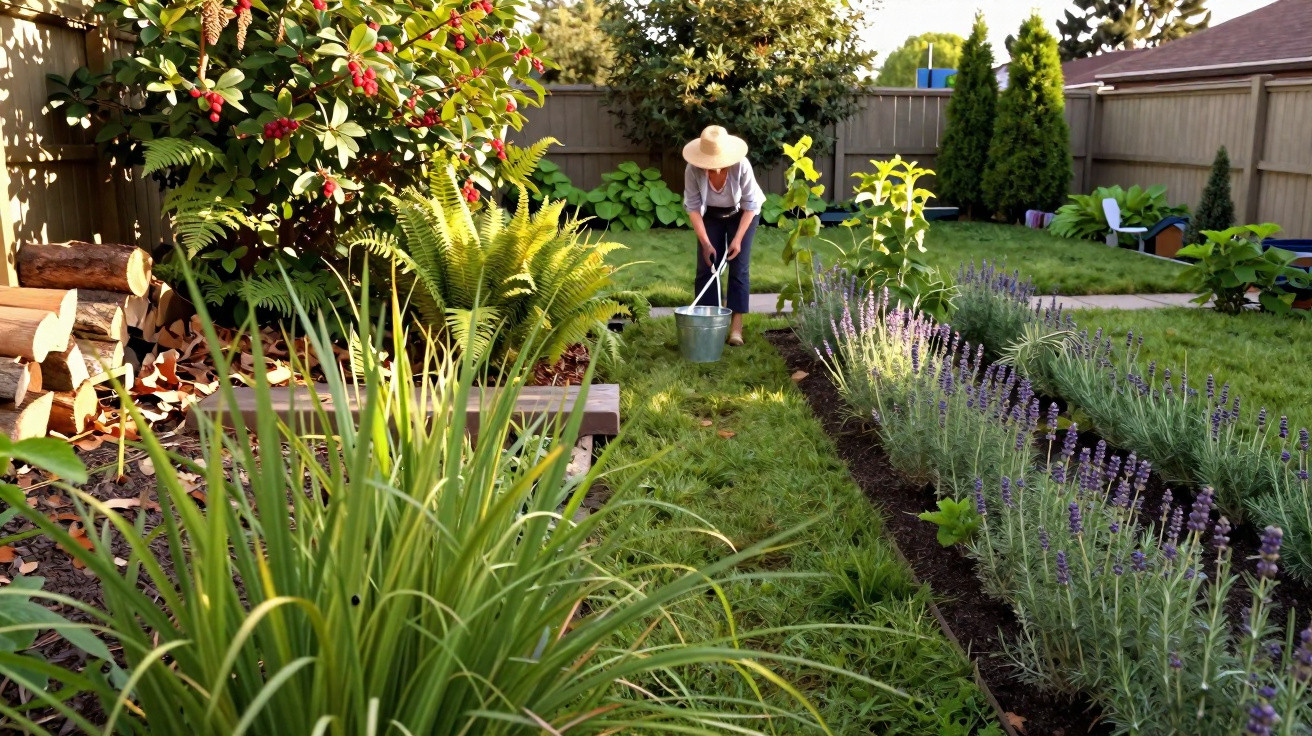
Between tall grasses, dense shrubs and shaded corners, tiny bloodsuckers lie in wait for their next host. Ticks favour certain layouts in the garden – and some plants create exactly the conditions they need. If you know which types of growth encourage ticks and what they tend to avoid, you can cut your risk noticeably.
Why ticks find gardens so attractive
Ticks are not insects but arachnids. They grow to just a few millimetres long – roughly the size of an apple pip – and are flat, oval, and brownish to reddish. Above all, they rely on two things: moisture and shelter from direct sunlight. A typical family garden provides both surprisingly often.
"Ticks don’t sit at the top of trees; they ambush close to the ground – in grass, leaf litter and dense scrub."
As soon as a person or animal brushes past, they latch on. In doing so, they can pass on pathogens such as borrelia (which can cause Lyme borreliosis). So a garden that looks “tidy” is not automatically tick-free.
These plants and structures attract ticks in particular
It’s less about a single plant species and more about the type of vegetation that draws ticks in. Certain common garden areas are especially problematic.
Tall grasses and unmown meadow patches
Ticks thrive in long, uncut grass. Near the soil, it stays damp and cool – ideal for survival.
- unmown lawn edges around the boundary
- wild meadow strips that are rarely cut
- tall grass running along fences or walls
In places like these, ticks often sit on the tips of grass stems, waiting for someone to walk by.
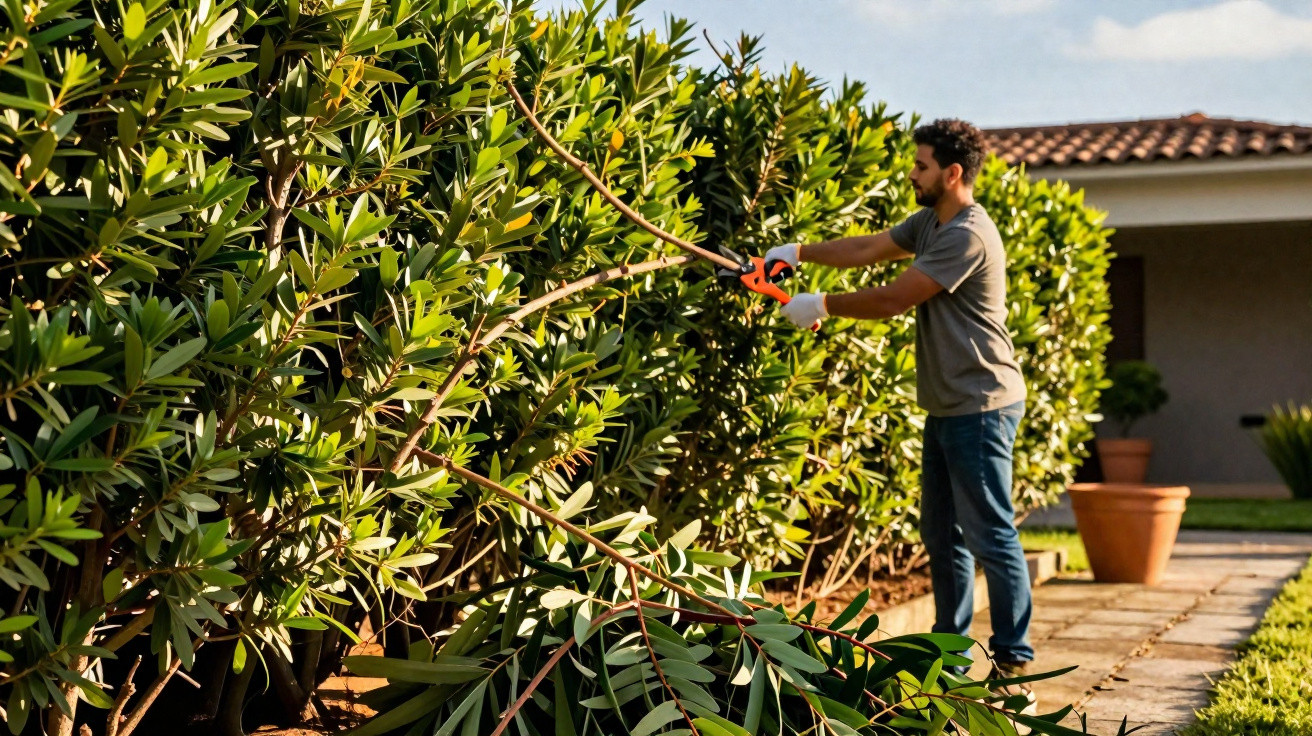
Dense shrubs, hedges and berry bushes
Bushy shrubs that haven’t been thinned create shade and hold moisture – exactly what makes them good hiding places for ticks.
- thick hedges of privet, cherry laurel or conifers
- overgrown berry bushes such as brambles or raspberries
- multi-stem shrubs with lots of dead wood and little light reaching through
Among the branches and on the ground beneath these bushes, a damp microclimate often develops where ticks can survive well.
Ferns and shaded perennial areas
Ferns can look attractive, but they form dense clumps and are usually planted in shade. That combination suits ticks: lots of foliage, cool air and very little sun.
Other large-leaved perennials in shady corners – for example on a north-facing slope or beneath trees – can also become perfect shelters if the area is seldom maintained.
Conifers and tightly packed evergreens
Conifers such as spruce or fir, especially when they are thick right down to ground level, provide ticks with excellent cover. Fallen needles build up into a substantial layer that retains moisture for a long time.
In particular, hedges made from closely planted conifers can create strips of persistently higher humidity – an ideal tick corridor, often running directly along the fence line.
Fruit trees, leaf litter and wood piles
Fruit trees don’t attract ticks because of the fruit, but because of what surrounds them:
- fallen leaves left in place form a damp layer on the ground
- untidy tree bases with grass, leaves and twigs provide many hiding spots
- nearby wood stacks, compost heaps or piles of prunings intensify the effect
In leaf heaps, under branches and inside wood piles, conditions stay cool and moist – which helps ticks get through hot spells far better.
Where ticks most often lie in wait in the garden
Some areas are higher risk than others, even when they look well kept.
- edges of paths and borders where grass is longer
- transitions from short lawn into wilder sections
- shady spots beneath trees and shrubs
- areas bordering woodland or fields
- damp hollows, pond margins or poorly drained ground
- play and seating areas positioned close to bushes or hedges
"The damper and shadier a corner of the garden is, the more likely you are to come across ticks there."
These plants help keep ticks at a distance
Some plants have scents that ticks tend to avoid. They are not a replacement for tick protection, but they can work as an extra barrier.
Aromatic herbs with strong fragrance
Essential oils in particular can be off-putting to many parasites. Examples include:
- lavender
- rosemary
- thyme
- lemon balm
- wormwood (absinthe)
- scented pelargonium with a lemon fragrance
These plants work well along patios, seating areas or along routes you regularly use. A herb bed near play areas or a barbecue spot can slightly reduce the local tick burden.
How to create barriers using these plants
Good places to position “scent barriers” include:
- buffer strips between a wild corner and short lawn
- narrow beds alongside paths and patios
- edging around sandpits or play equipment
- close to entrances to the house or the front door
Important: these plants won’t eliminate ticks; they only alter the immediate environment to some extent. Without consistent garden maintenance, the risk remains.
Designing the garden so ticks feel uncomfortable
With a few consistent steps, you can significantly reduce the number of ticks.
Maintenance and tidiness in the right places
- mow the lawn regularly, especially around the edges
- clear leaves in autumn and spring, particularly beneath shrubs
- keep grass and weeds short along paths
- thin shrubs so more light reaches the ground
- avoid placing wood piles and heaps of prunings directly beside seating or play areas
Even a clean, short transition from lawn to hedge – for example a strip of gravel – can help stop ticks getting right up to the patio or sandpit.
Managing damp zones deliberately
Ticks depend on moisture. If you reduce wet areas, you remove part of their habitat:
- drain puddles and permanently soggy dips
- set irrigation so it doesn’t create persistently damp edges
- keep pond areas where children play especially short and open
Protecting people: how to behave in your own garden
Even in your own green space, personal protection is worthwhile – especially in higher-risk areas.
- wear light-coloured, long-sleeved tops and long trousers
- pull socks over trouser legs when walking through long grass
- use a close-fitting anti-tick spray on skin and clothing
- after gardening, check your body and clothes carefully
"If you find and remove a tick early, you significantly reduce the risk of disease transmission."
Special tick cards or tick forceps from the pharmacy are suitable for removal. Grip the tick as close to the skin as possible and pull it out slowly and straight. Do not use oils, creams or glue.
If you do get bitten
After a bite, mark the bite site or take a photo, and keep an eye on it over the next few days. If a ring-shaped redness appears, or you develop a fever or severe tiredness, seeing a GP can help clarify what’s going on. Many infections can be treated early with antibiotics.
Other risks and sensible combinations in the garden
Ticks rarely come alone: where they do well, there are often plenty of mice, birds and other wild animals that bring them in. If you set up bird feeders right by the patio or balcony, you may indirectly draw more ticks closer to the house. Keeping a little distance between the feeder and your seating area reduces that risk.
A combination of approaches is most effective: targeted maintenance, fragrant plants in the right places, clear transitions between lawn and wilder patches, and consistent personal protection. That way, the garden stays somewhere to relax – not a tick minefield.


Comments
No comments yet. Be the first to comment!
Leave a Comment