
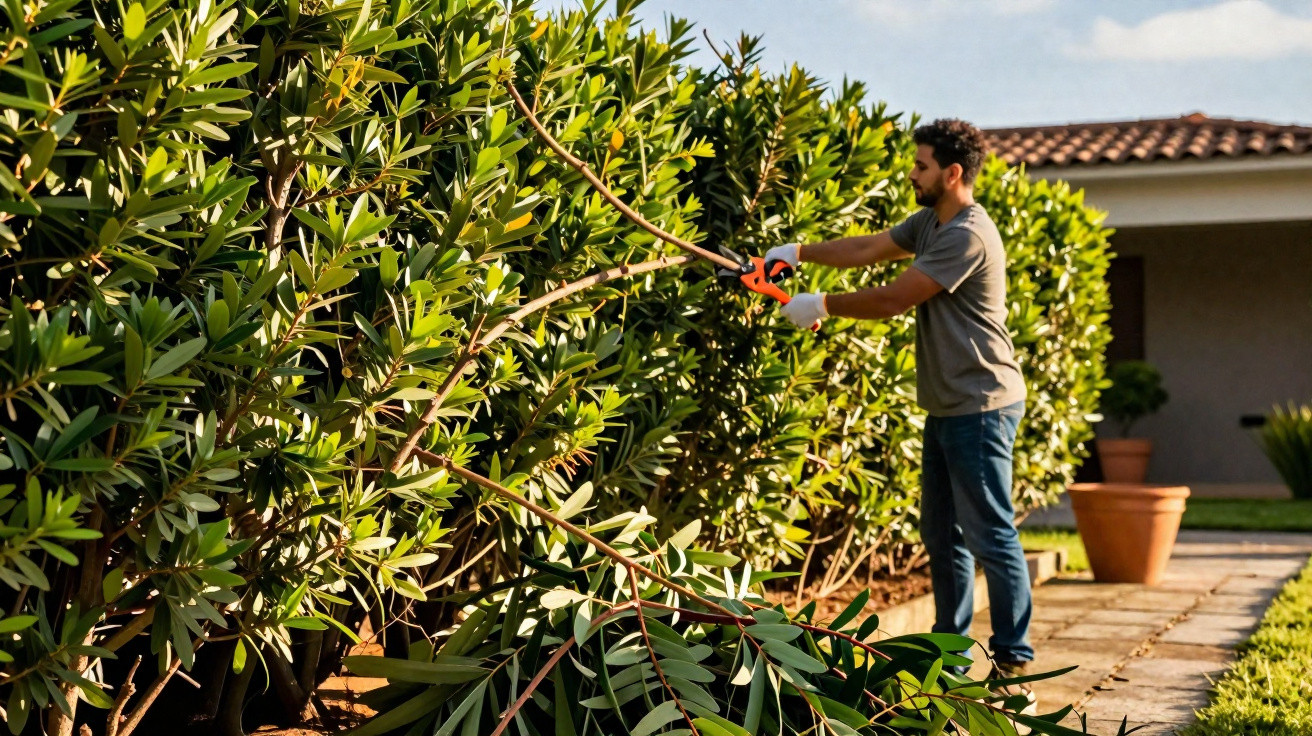
What used to be the ultimate privacy screen has increasingly become a headache.
For decades, dark green walls of thuja (arborvitae) were the hallmark of neat front gardens and maximum privacy. Now that image is changing: entire stretches of hedge are dying off in blocks, turning crisp brown even when watered, and in many municipalities they are increasingly viewed as an ecological misstep. Specialists in agronomy and landscape planning are clear that the era of the thuja hedge is coming to an end - and they explain why starting again from scratch is often the most sensible option.
How thuja went from garden favourite to problem plant
In the 1980s and 1990s, thuja looked almost unbeatable: fast-growing, evergreen, dense and inexpensive. Anyone wanting to shut out prying eyes from next door chose arborvitae - often planting 30, 40 or even more metres in one continuous run.
That very recipe for success is now working against it. As drought becomes more common, a major design flaw shows up: the root system sits very close to the surface and can barely reach deeper moisture in the soil. In dry summers the plant is, quite literally, dependent on a drip feed - and that drip feed is your garden hose.
“Research from France shows that a dense row of thuja can swallow up to around 60 percent more water than a hedge made from native shrubs.”
As a result, it deprives neighbouring plants of water, increases stress in the soil, and creates a kind of green monoculture strip where insects, birds and small mammals find very little. For wildlife-friendly gardens, climate adaptation and biodiversity, that is a poor combination.
Why many local authorities want to move away from thuja
While home gardeners are still battling on with watering cans and hedge trimmers, some councils have already moved a step further. In numerous French regions, new plantings of thuja are restricted or completely banned through local planning rules. In some places, municipalities even subsidise the removal of old hedges and the replanting of mixed, more nature-friendly hedge lines.
The reasoning is straightforward: a single species running for several dozen metres acts like a dead corridor. No flowers, no berries, hardly any structural variety, and little habitat value - alongside high water demand and poor performance during heatwaves.
That is why the trend is shifting towards the so-called “living hedge”: a varied mix of woody plants that may look a little less uniform, but supports the local climate and wildlife far more effectively.
Stress, beetles, total failure: when thuja dries out from within
Drought does not only harm thuja directly. A weakened plant also releases chemical signals that attract pests. One of the most feared is a specialised beetle that targets arborvitae, with larvae that feed inside the wood.
The larvae tunnel in fine galleries just under the bark, cutting through the channels that carry water and nutrients. From the outside, the hedge appears to dry out “from the inside out”: first isolated patches, then broader brown zones, and eventually entire sections.
“Once a thuja hedge is heavily infested, specialist services generally judge it beyond saving - there is no practical treatment for the hidden larvae.”
If such plants are left standing, they become a breeding source. The beetle can then spread further, attacking neighbouring hedges or other conifers such as certain cypress species. Keeping infested thujas in the garden risks a slow chain reaction - first on your property, then in the surrounding area.
Warning signs: how to tell the hedge has no future
Hardly anyone gives up a privacy hedge lightly. Many homeowners ask themselves whether a drastic cut-back, targeted watering or soil improvement is still worthwhile - or whether the tipping point has already passed.
Typical signs of a “beyond hope” thuja hedge
- large brown patches that spread from the inside towards the outside
- branches that are dry and brittle but still carry their brown, scale-like foliage
- no fresh growth on older, woody sections
- fine tunnels and feeding marks just beneath the bark
- loose bark, with wood underneath that already looks grey and dried out
Arborvitae hardly ever resprouts from old wood. Once a gap has opened up, it usually stays a gap. The hope that it will “fill back in” rarely comes true with severely damaged hedges.
When is the best time to remove the hedge?
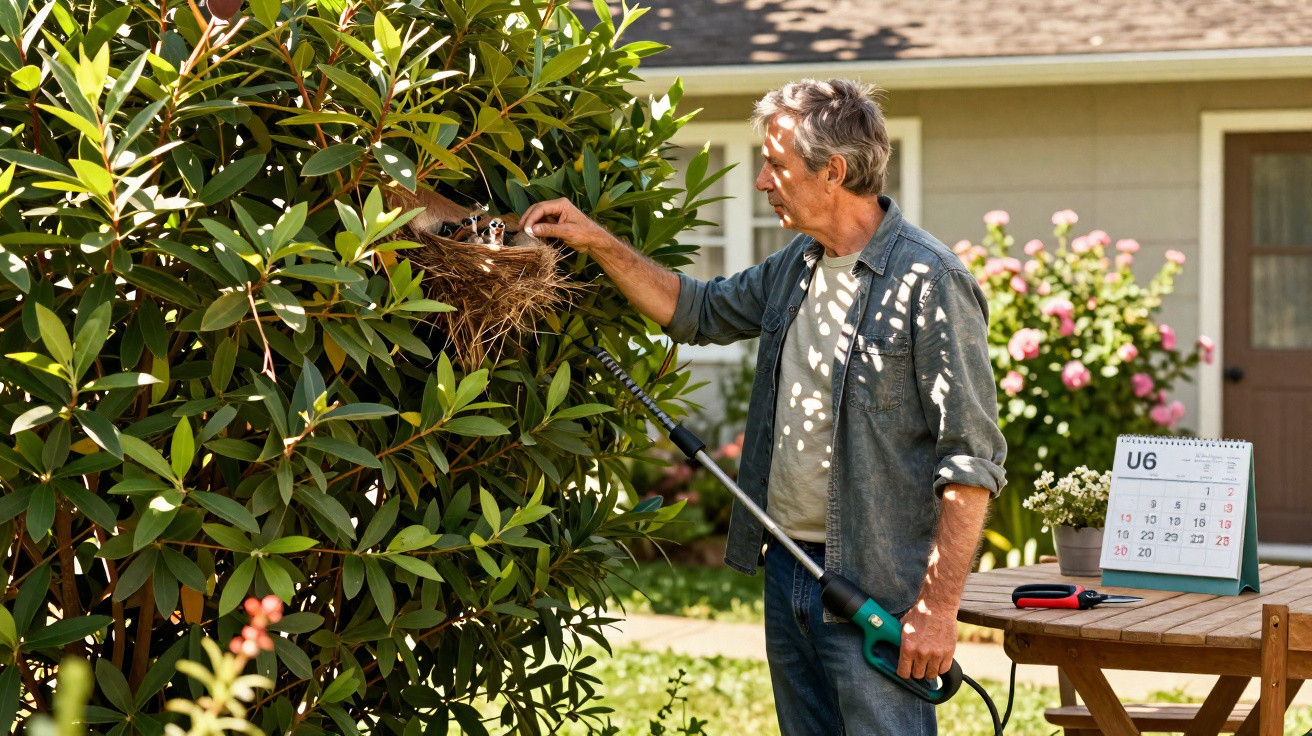
If you decide to reach for the saw, it is worth thinking beyond convenience and considering nesting seasons. Between mid-March and the end of July, many bird species shelter in hedges - including thuja rows. During this period, nature authorities advise against major clearance work.
Late summer, autumn, or a frost-free late winter are generally ideal. By then, birds have left their nests, and the soil is often moist enough to lift out root balls. When clearing, the rule is: don’t just pull the visible stems - remove the roots too wherever possible so the ground can genuinely recover.
From problem barrier to climate-friendly hedge: making a successful fresh start
After removal, what remains is often an exhausted strip. Over many years, thuja has drawn water and nutrients out of the soil, while the root mass has compacted it. Anyone planting straight into that zone often runs into problems from the outset.
Step by step towards a new hedge
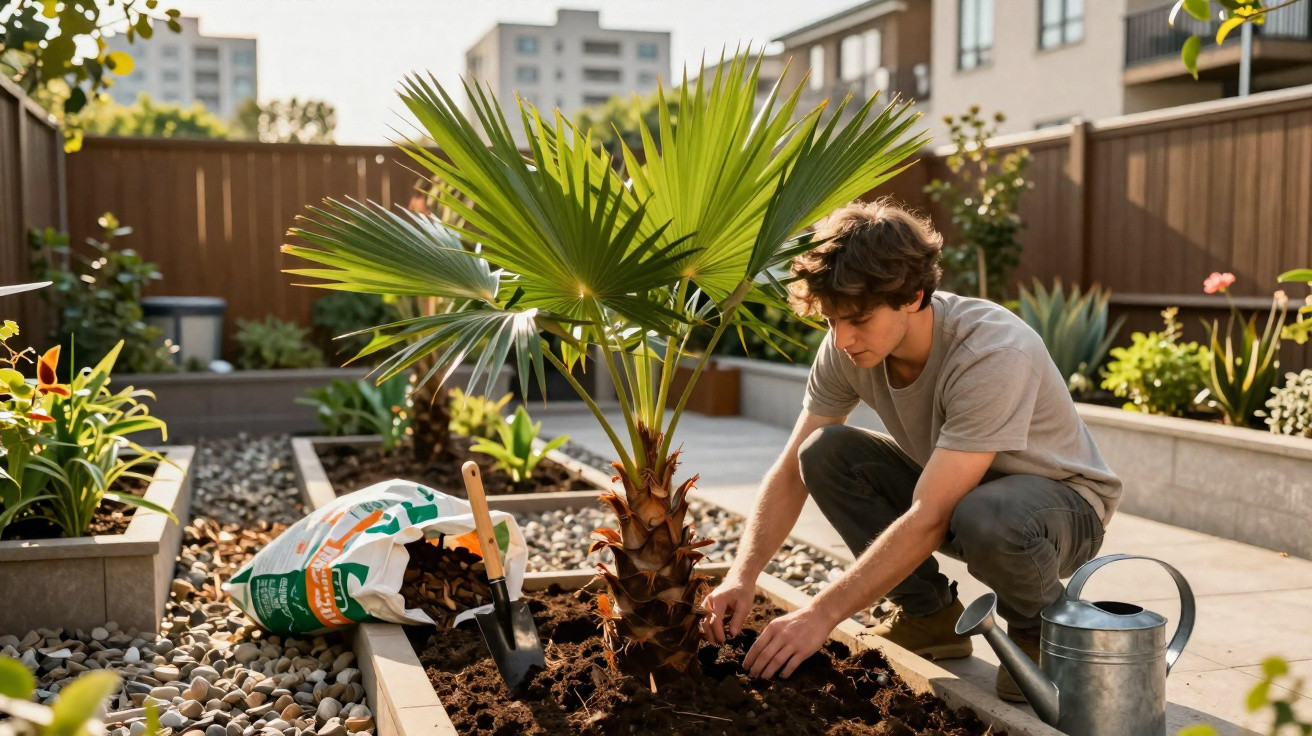
- Loosen the soil: use a spade or digging fork to break up compacted layers deeply and remove larger root remnants.
- Work in organic matter: mature compost, leaf mould or well-rotted manure improves structure and water-holding capacity.
- Check the site: is it sunny or shady, exposed or sheltered? That should drive your planting choices.
- Plan a mix of species: never plant a single species along the entire length again.
- Allow for width: a living hedge can be 1 to 2 metres deep - creating structure and habitat.
Which plants work well as alternatives to thuja
Landscape gardeners now tend to recommend mixed hedges using native and resilient shrubs. They still provide screening, but also bring flowers, berries and shelter for wildlife - and they manage with far less watering.
| Species | Benefits | Note |
|---|---|---|
| Hornbeam | dense, tolerates clipping well, some leaves remain over winter | ideal for formal hedges |
| Privet | good screening, semi-evergreen, berries for birds | berries are poisonous to humans |
| Viburnum (laurustinus) | winter flowers depending on species, attractive berries | partly evergreen; plant in a sheltered spot |
| Photinia | red new growth, evergreen, modern look | dislikes waterlogging |
| Hazel, hawthorn, cornelian cherry | very naturalistic, flowers and fruit for wildlife | looks a bit wilder; ideal for country-style gardens |
According to specialists, these mixed hedges can hold up to around 30 percent more soil moisture than a tightly packed arborvitae wall. At the same time, they form a genuine mini-biotope strip for birds, hedgehogs, insects and small mammals.
Practical tips for switching in a terraced-house garden
In tightly built-up neighbourhoods with narrow plots, thuja often feels like a familiar, reliable source of privacy. If you replace it, you still want to sit on the patio or balcony without being overlooked - just without constant watering and the ongoing risk of pests.
One approach is to plant a slightly more open, mixed hedge along the boundary and add occasional screening panels made from timber, glass or metal where needed. Privacy remains intact, while the planting gains structure and variety. Grasses such as Miscanthus, or other tall ornamental grasses, can also add height and movement and soften sightlines without creating a harsh, solid wall.
Why saying goodbye to thuja can be an opportunity
Removing an old row of arborvitae can feel like losing a familiar frame to the garden. At the same time, it opens up a rare opportunity: a strip of ground becomes available where climate resilience, biodiversity and design can be reconsidered from the ground up.
With just a handful of different shrubs, a flowering strip and a little deadwood, you can create far more habitat than a monolithic conifer wall ever could. And as a bonus, water use falls, maintenance becomes more evenly spread through the year, and the garden feels more alive.
For many people, the decision seems drastic. But if you have to water more intensively every year, still watch the hedge turn browner, and find yourself frustrated by beetle damage, an honest calculation is hard to avoid: arborvitae has had its day, and modern mixed hedges fit today’s garden climate realities far better.
Comments
No comments yet. Be the first to comment!
Leave a Comment